Shaping Dallas’s Future: How Professionals Can Drive Walkable Urbanism
The conversation around urban development in Dallas is reaching a pivotal moment. The recent D Magazinespecial edition on Walkable New Urbanism has ignited widespread discussion, prompting real estate and design professionals across the city to consider how Dallas can strategically embrace this transformative trend. As experts deeply invested in the built environment, many of us possess specialized knowledge and insights crucial for guiding this evolution. However, the path to translating our professional skills into tangible community impact isn’t always clear.
Walkable New Urbanism is more than just a buzzword; it’s a comprehensive approach to community planning and design that promotes diverse housing and jobs, fosters connectivity, enhances public spaces, and prioritizes pedestrian-friendly environments. For a sprawling metropolis like Dallas, adopting these principles offers immense potential to create more livable, sustainable, and economically vibrant neighborhoods. It’s about building places where people can thrive, reducing reliance on cars, and fostering a stronger sense of community. The challenge lies in navigating the complexities of urban policy, existing infrastructure, and community engagement to bring these visions to fruition.
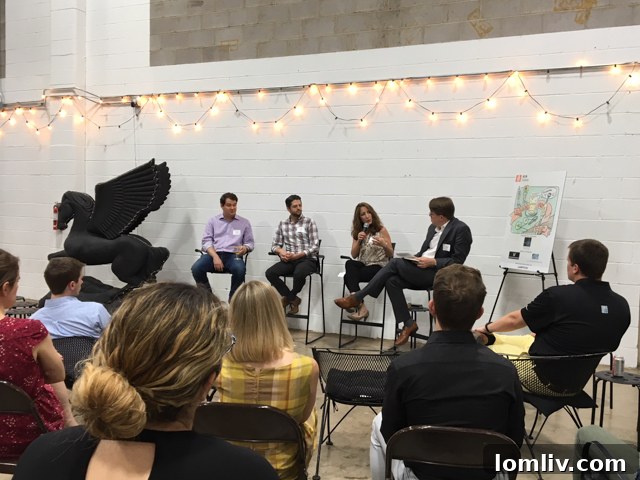
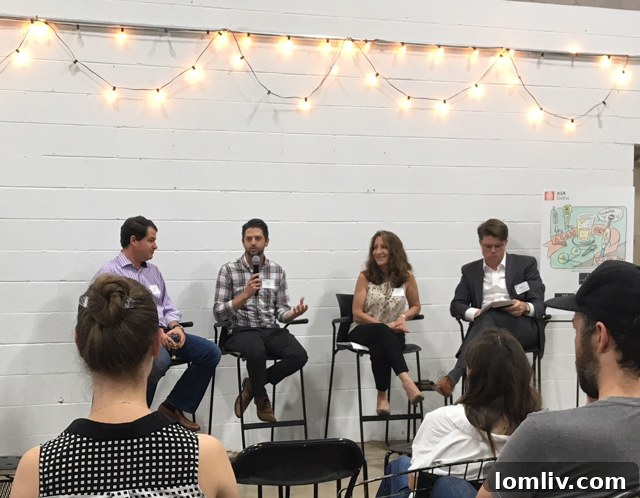
Understanding this critical need for professional engagement, the American Institute of Architects (AIA) Dallas chapter initiated its insightful “Architecture On Tap” series. Last month’s event focused specifically on empowering professionals to impact their communities directly. The panel brought together an impressive array of experts, each offering a unique perspective on urban development and community involvement. The distinguished panelists included: Zaida Basora, VP of Huitt-Zollar and former Assistant Director of Public Works at the City of Dallas; John Hetzel, a prominent real estate broker with Madison Partners and a dedicated Deep Ellum Foundation Board Member; and Evan Sheets, Senior Planner with the City of Dallas Design Studio.
From this diverse group of professionals, spanning public works, real estate, and city planning, a singular, powerful call to action emerged, resounding with clarity and urgency: Show Up. This simple yet profound message underscored the foundational importance of active participation and presence in shaping the urban fabric of our city.
The Power of Presence: Just “Show Up”
Whether you’re a long-standing dues-paying member of one of Dallas/Fort Worth’s many esteemed real estate or design organizations, or an enthusiastic resident simply looking to get more involved in your own neighborhood, the act of simply showing up can often be the most difficult, yet most impactful, first step. It requires commitment, a willingness to engage, and often, an investment of personal time and energy. As John Hetzel eloquently put it, the essence of making a difference lies in “just stepping up and doing things when things need to get done.”
Hetzel emphasized that when significant urban design issues emerge, it’s imperative to “get in the weeds and take a position.” This means delving into the details, understanding the nuances, and articulating a clear stance that can help drive progress. Such engagement is not merely observational; it’s about active participation, offering informed perspectives, and working collaboratively to move initiatives forward. He also highlighted the importance of a personal connection to the work, noting that “it helps if it’s a bit of a passion project, too.” This passion fuels sustained effort, especially for those, like himself, who might dedicate “800 hours of volunteering a year.” Hetzel’s extensive experience and dedication in community- and neighborhood-oriented projects make him a respected voice, even prompting his employer to tout him as their primary spokesman for such initiatives.
Professionals as Catalysts for Change
Evan Sheets echoed this sentiment, further elucidating the unique and critical niche that professionals in design, planning, and real estate can fill. “We all walk around and see things that need to be changed,” he observed, acknowledging the common frustrations and aspirations shared by residents. While recognizing the invaluable contributions of Homeowners Associations (HOAs) and general neighborhood input, Sheets posed a crucial question: “how can we help neighborhoods that have more needs than just good urban design?” This points to a broader vision where professional expertise can transcend basic aesthetic improvements, addressing deeper systemic issues.
Sheets articulated that professionals have the capacity to “come together through organizations to lend services, helping bring visions to reality – help envision plans that are implementable and helpful.” This involves leveraging specialized skills in design, feasibility studies, regulatory knowledge, and project management to transform abstract ideas into concrete, actionable strategies. By doing so, professionals can empower communities, especially those with limited resources, to articulate their needs and develop sustainable solutions for better urban environments.
All three distinguished panelists, alongside the event’s moderator, Robert Kent, the North Texas Area Director for The Trust for Public Land, strongly encouraged attendees to actively reach out to their Dallas City Council representatives. This recommendation wasn’t just a formality; it was highlighted as an accessible and highly effective channel for influence. It’s easy to do, and as Sheets emphasized, “They want to hear your point of view and why.” Building a sustained, respectful relationship with elected officials is paramount. It ensures that your perspectives are considered, that your expertise can be tapped into, and that you become a recognized stakeholder in the ongoing dialogue about Dallas’s future.
Becoming an Expert Resource, Not Just an Activist
For those aspiring to elevate their impact even further, the panel’s advice transcended mere advocacy: aim to be an expert resource rather than solely a political activist. While passionate activism is undeniably vital, coupling that passion with demonstrable expertise creates a far more compelling and influential voice. “Professionals need to have opinion statements and give our input for what’s best for the city,” Sheets asserted. This means moving beyond general complaints or desires to offering well-researched, evidence-based recommendations grounded in professional knowledge.
Zaida Basora underscored this point by referencing the painstaking, long-term effort behind the recent update of the landscaping requirements within the city’s development code, specifically known as Article X. Her anecdote served as a powerful testament to the commitment required for substantive change: “We need voices demanding change and demanding something different. You have to be passionate about it and commit to staying involved. The [Article X Update] committee was established 11 years ago!” This illustrates that meaningful policy reform is rarely a quick win; it demands sustained dedication, deep understanding of complex regulations, and the ability to navigate bureaucratic processes over many years. Professionals who commit to this level of engagement can profoundly shape the urban landscape, ensuring that codes and regulations reflect best practices for a more livable city.
Expanding Choices and Building Urban Capacity in Dallas
Returning to the core topic of urbanism, Evan Sheets emphasized a critical necessity for Dallas: to “recognize that what we want to be creating is more choices.” He insightfully pointed out that while “lots of people want suburban” lifestyles, Dallas currently lacks a robust spectrum of choices that genuinely support urbanism. The existing urban options are often limited or not fully integrated, leaving a significant gap in the market for those who desire a different way of life. The goal, therefore, is to “build that capacity in our city in places already built to support more walkable density.” This strategy focuses on intelligent infill development, revitalization of existing corridors, and strategic re-zoning to encourage compact, mixed-use environments.
Sheets acknowledged a fundamental human tendency: “People are used to what they know.” The comfort of familiarity often makes new urban models seem daunting or unfamiliar. However, he posited that “seeing a new place can change our perspective.” When thoughtfully designed, dense urban environments that foster new, positive experiences emerge, “people begin to appreciate and demand it even more.” This transformative power of well-executed urban design can shift public perception, generating widespread support for future walkable projects. Imagine vibrant public squares, accessible green spaces, local businesses within a short stroll, and housing options that blend seamlessly with retail and cultural amenities – these are the hallmarks of the urban environments that Dallas needs more of.
The economic reality of Dallas already underscores this demand. A quick glance at rent prices in the city’s few existing walkable urban neighborhoods reveals the stark effects of significantly higher demand outstripping limited supply. These areas command premium prices because they offer a lifestyle that is increasingly sought after by diverse demographics, from young professionals to empty nesters. Unpacking the “how and where” of creating more such places, however, opens up a veritable Pandora’s Box of complex questions related to zoning, infrastructure, public-private partnerships, and community resistance.
Your Expertise, Your Impact
This is precisely where you, as a professional, a resident, and an engaged citizen, come in. Dallas’s urban future isn’t a predetermined path; it’s a narrative waiting to be written by its stakeholders. What’s your unique perspective on this critical evolution? What specific expertise do you bring to the table – whether it’s in real estate, architecture, engineering, landscape design, urban planning, environmental science, community organizing, or even finance? How can you contribute to this city-wide conversation in a unique, constructive, and impactful way?
David Marquis, a long-time activist, mentor, and personal friend, offers invaluable guidance in his “Activist Heart” material, specifically in the section titled “Beyond the March.” He advises that to become successfully engaged in changing something you’re passionate about, the crucial first step is to pick one specific cause and commit to becoming an expert in that area. The concept of urbanizing Dallas is vast, encompassing countless intricate niches. Whether it’s advocating for better public transit, promoting historic preservation, developing affordable housing in walkable areas, or championing specific green infrastructure projects, there’s a place for every passion and expertise. And undoubtedly, there are numerous passionate souls already active in Dallas, ready to team up with you and amplify your collective impact.
The journey towards a more walkable, livable, and sustainable Dallas is a collaborative one. It demands the insight of professionals, the passion of activists, and the engagement of every resident. By showing up, sharing your expertise, and fostering genuine relationships, you can play an instrumental role in shaping the future of our vibrant city.
For professionals looking to get more engaged in the movement towards a more urbanized Dallas, here are some excellent jumping-off points:
- DFW Urban Planning & Architecture Events
- American Institute of Architects Dallas – Upcoming Events
- Urban Land Institute North Texas – Upcoming Events
- The Real Estate Council Upcoming Events
- North Central Texas Congress for New Urbanism
- Dallas City Council Agendas, Watch Council Live
- StrongTowns.org