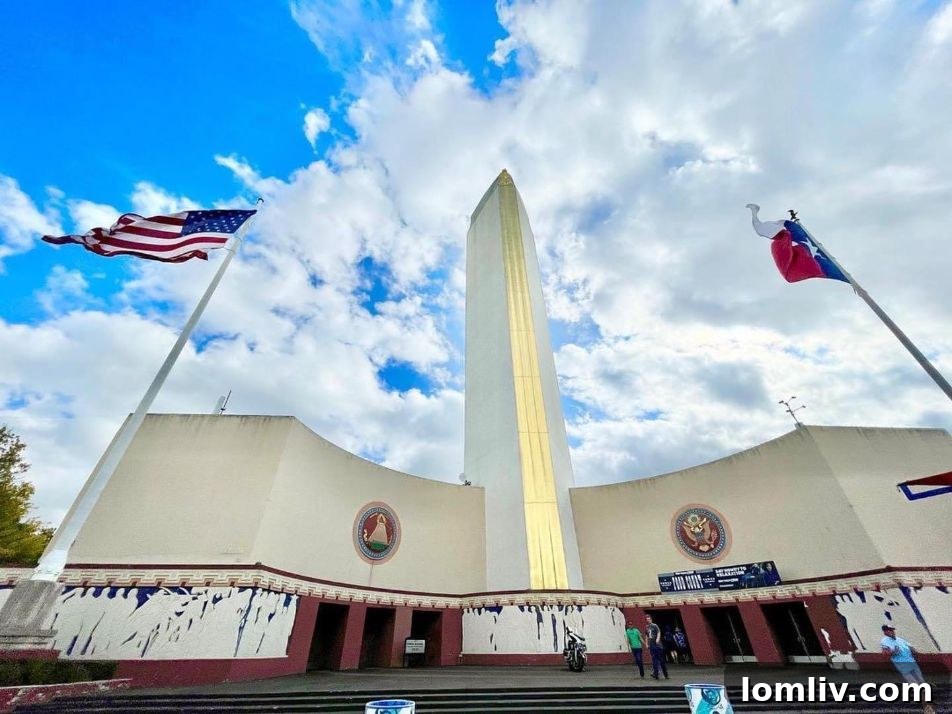
The political landscape of Texas is currently abuzz with the crucial midterm elections, a period that will shape not only statewide leadership but also the very fabric of local communities. As early voting draws to a close this Friday, voters are faced with significant decisions that will directly influence the trajectory of key Dallas institutions, including the venerable Fair Park and the expansive Kay Bailey Hutchison Convention Center Dallas. Beyond the highly anticipated Texas gubernatorial race and numerous state and county offices, local propositions, particularly Proposition A, are garnering immense attention for their potential to usher in a new era for these vital urban assets.
For those tracking the pulse of the Dallas-Fort Worth real estate market, these elections carry profound implications. At Daltxrealestate.com, we understand the critical connection between political decisions and market dynamics. As your trusted insider’s source for comprehensive real estate news, we are committed to providing unparalleled coverage. Stay connected to Daltxrealestate.com and our dedicated Twitter account for the most up-to-the-minute results and expert analysis as they unfold on Election Day, November 8th.
The Critical Stakes of the Midterm Elections for Texas Real Estate
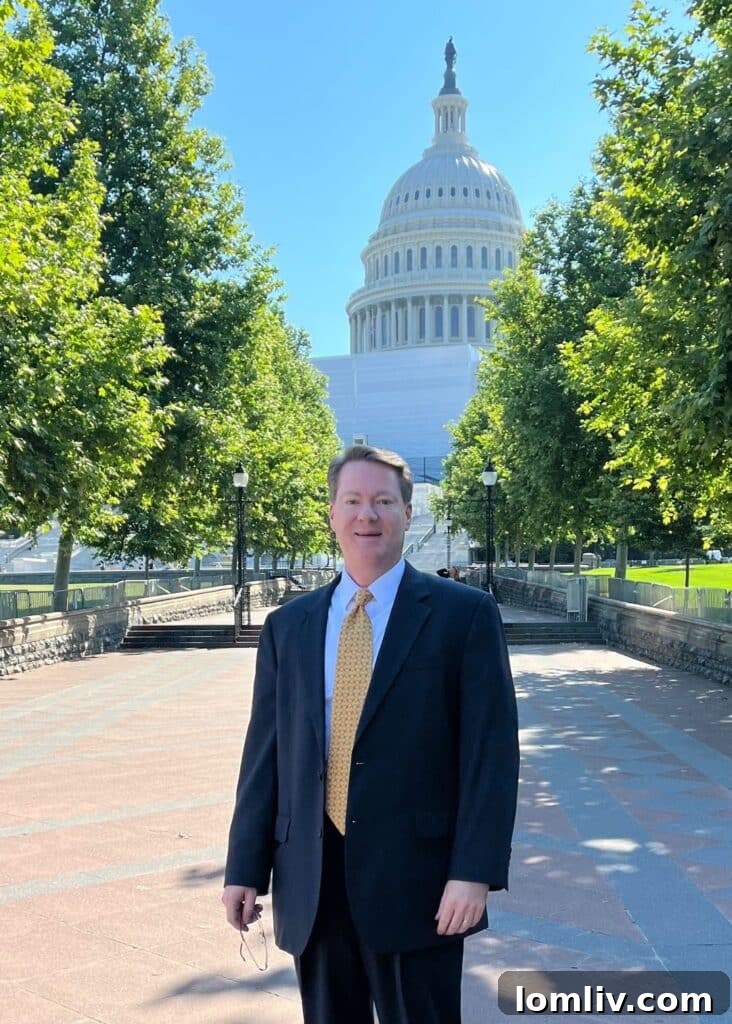
The current midterm elections extend far beyond individual candidates, touching upon policies that directly influence economic stability and growth, particularly within the housing and construction sectors. David Lehde, the distinguished director of government affairs for the Dallas Builders Association, underscores the widespread impact of these races. He affirms that the association’s primary focus will be on monitoring the outcomes of Texas House and Senate races across the region, alongside statewide and congressional contests. These legislative battles are pivotal, as the regulatory environment set by Washington and the ongoing challenges of inflation directly affect the cost of materials, labor, and financing for development projects.
Lehde articulates a clear vision: “We have ideas that help and want to work with our elected officials to keep Texas and D-FW at the top of the housing market.” This proactive stance highlights the industry’s commitment to collaboration with policymakers to foster a robust and accessible housing market. The Dallas-Fort Worth metroplex has consistently been a leader in housing growth, and maintaining this momentum requires thoughtful policy decisions that support sustainable development and address the needs of a growing population. The election results will determine the legislative landscape and the appetite for policies that either bolster or hinder the building industry’s efforts to meet demand.
Understanding these critical implications, housing experts will convene at the Dallas Builders Association’s highly anticipated State of the Industry event on November 10th at Vouv Dallas. This gathering will provide an invaluable platform for specialists to dissect the election results, analyze their potential ripple effects on the housing market, and chart a course for builders navigating the evolving economic and political environment. Discussions will likely focus on regulatory changes, interest rate forecasts, supply chain issues, and consumer confidence, all of which are inextricably linked to the outcomes decided at the ballot box.
Proposition A: A Transformative Opportunity for Dallas
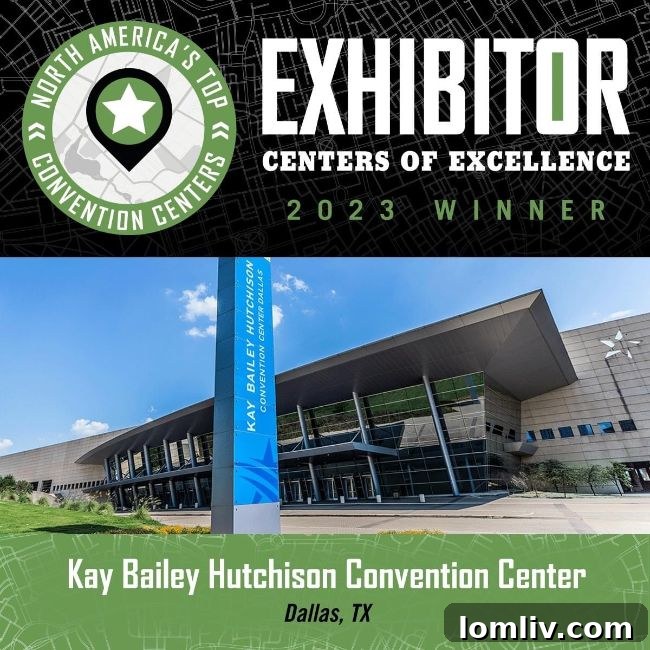
Among the multitude of decisions facing Texas voters on the ballot, one measure has particularly captured local attention and ignited extensive debate: Proposition A. This isn’t just another ballot item; it represents a potentially monumental shift in how Dallas positions itself as a premier destination for tourism, conventions, and cultural events. At its core, Proposition A proposes a strategic increase in hotel occupancy taxes (HOT) from the current 13 percent to 15 percent. This seemingly modest adjustment is projected to generate a substantial $1.5 billion over time, creating a dedicated fund earmarked for significant renovations and new construction at two of Dallas’s most iconic yet aging facilities: Fair Park and the Kay Bailey Hutchison Convention Center Dallas (KBHCCD).
The Vision for Modernization and Economic Growth
Jennifer Scripps, the dynamic president and CEO of Downtown Dallas Inc., unequivocally states that Proposition A, also known as the Brimer Bill, represents the single most pressing issue for the future vitality of downtown Dallas. Her assessment highlights the urgency of the situation: “It’s a once-in-a-lifetime opportunity. I think we can all agree right now that our convention center might not be the face that we want to put out to visitors who come from around the world to visit our city.” This sentiment resonates with many who believe that while Dallas boasts a thriving economy and cultural scene, its core convention facilities have fallen behind contemporary standards, potentially hindering the city’s ability to attract major national and international events.
The passage of Prop A is envisioned as a catalyst for transformative urban development. Scripps emphasizes that a modernized convention center would not only elevate Dallas’s profile but also create crucial linkages within the urban fabric. Specifically, the redesigned convention center is planned to be seamlessly connected southward to The Cedars entertainment district. This connection is anticipated to revitalize surrounding neighborhoods, fostering pedestrian-friendly environments and encouraging new commercial and residential ventures.
Beyond the convention center itself, Scripps points to another significant benefit: “It also opens up 29 acres of new development opportunity in downtown.” This vast expanse of prime urban land, freed up by the strategic overhaul and potential demolition of outdated sections of the KBHCCD, presents an unprecedented chance for mixed-use development, adding density, vibrancy, and economic activity to the downtown core. Such development could include new hotels, retail spaces, restaurants, and residential units, further enhancing Dallas’s appeal as a place to live, work, and visit.
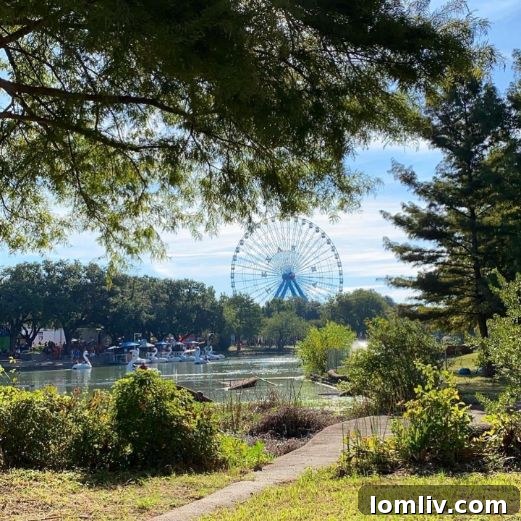
Fair Park, a National Historic Landmark, is also slated for substantial investment under Proposition A, with approximately $300 million dedicated to its enhancement. These funds are crucial for preserving and upgrading its historic infrastructure while simultaneously modernizing its facilities to better serve future generations. Key projects include significant improvements to the iconic Cotton Bowl, ensuring its continued viability as a venue for major sporting events and concerts. The historic band shell, Automotive Building, Centennial Building, and coliseum are also slated for much-needed renovations. These upgrades are not merely cosmetic; they aim to improve functionality, accessibility, and visitor experience, ensuring that Fair Park remains a cherished destination for the State Fair of Texas, musical performances, and various cultural events throughout the year. The vision is to transform Fair Park into a year-round destination, driving consistent tourism and local engagement.
Addressing the Skepticism: Concerns Over Proposition A
While Proposition A has garnered considerable support from civic leaders and business organizations, it has not been without its critics. Despite a lack of highly organized opposition, various community members and elected officials have voiced legitimate concerns regarding the measure’s long-term implications and its benefit to Dallas residents. These concerns largely revolve around fiscal responsibility, the allocation of funds, and the evolving landscape of the convention industry.
One primary point of contention, highlighted by a user on the Reform Dallas Facebook page, questions the financial prudence of the proposal: “As for Prop A, I am voting against the new convention center. We still owe $211 million on the existing one that taxpayers will remain on the hook for. Not enough money will go to Fair Park and it is entirely optional the way the prop is worded. In addition, I think big conventions are a thing of the past.” This comment encapsulates several key objections. The existing debt on the current convention center is a significant hurdle for many, who fear that adding new construction and renovation costs without fully retiring old debts could place an undue burden on taxpayers.
Furthermore, the perceived insufficient allocation of funds to Fair Park, coupled with concerns about the “optional” nature of its wording within the proposition, raises questions about whether the historic landmark will receive the comprehensive overhaul it truly needs. Critics worry that the bulk of the $1.5 billion will disproportionately benefit the convention center, leaving Fair Park with only partial improvements. The skepticism regarding the future of “big conventions” also reflects a broader societal shift, accelerated by recent global events, where virtual meetings and smaller, more localized gatherings might become the norm, diminishing the return on investment for massive convention center expansions.
Dallas City Councilwoman Cara Mendelsohn has been a vocal opponent of placing Prop A on the November 8th ballot, citing a “flawed plan” that fails to address fundamental issues. Her objections, previously articulated, center on the proposal’s decision to retain the oldest parts of the existing convention center building, which she argues is a suboptimal approach. She also underscores the substantial $200 million in existing debt as a critical financial risk. Moreover, Mendelsohn expresses uncertainty about the long-term viability and economic benefits of conventions themselves, suggesting that the city should exercise greater caution before committing to such a large-scale project given the unpredictable future of the industry. Her stance reflects a desire for a more comprehensive and fiscally responsible plan that fully addresses both the challenges and opportunities for Dallas’s urban infrastructure.
The Tangible Impact on the Dallas-Fort Worth Real Estate Market
The outcome of Proposition A will undoubtedly send ripples throughout the Dallas-Fort Worth real estate market, affecting various sectors from commercial development to residential property values. A revitalized Kay Bailey Hutchison Convention Center and a modernized Fair Park would significantly bolster Dallas’s appeal as a destination, leading to increased tourism and business travel. This surge in visitors translates directly into higher demand for hospitality services, prompting the development of new hotels and the renovation of existing ones. The real estate sector would see increased activity in hotel property acquisitions, construction, and management, creating jobs and stimulating economic growth.
Moreover, the proposed connection of the convention center to The Cedars entertainment district and the unlocking of 29 acres for new downtown development offer unprecedented opportunities for commercial and mixed-use projects. This could attract significant investment in office spaces, retail establishments, restaurants, and entertainment venues, all designed to cater to a growing influx of convention-goers, tourists, and local residents. Property values in areas adjacent to the convention center and Fair Park, including Downtown, The Cedars, and parts of South Dallas, are likely to appreciate as these areas become more desirable and integrated into the city’s economic and cultural core.
For the residential market, an enhanced urban core with improved amenities, green spaces, and entertainment options makes downtown living more attractive. This could spur the development of new residential units, both for sale and rent, to accommodate a burgeoning urban population drawn to the revitalized districts. The Dallas Builders Association’s keen interest in the election results, and their upcoming “State of the Industry” event, underscores the direct link between civic investment and the health of the construction industry. Positive outcomes are expected to translate into more projects, more jobs, and a sustained boom in Dallas’s already dynamic real estate landscape.
A Pivotal Moment for Dallas
As the final hours of early voting tick away, Dallas stands at a crossroads, with critical decisions looming that will shape its urban landscape and economic future for decades to come. The midterm elections are more than just a political exercise; they are a direct engagement with the city’s destiny, particularly concerning vital projects like the modernization of Fair Park and the Kay Bailey Hutchison Convention Center through Proposition A. Whether voters choose to embrace the vision of a revitalized, globally competitive Dallas or express caution regarding its financial implications, their voices will collectively chart the city’s course. We urge all eligible citizens to exercise their democratic right by participating in early voting before Friday or casting their ballots on Election Day, November 8th. Stay with Daltxrealestate.com for comprehensive coverage and insightful analysis of these pivotal results.