By Alan Tallis
Special Contributor
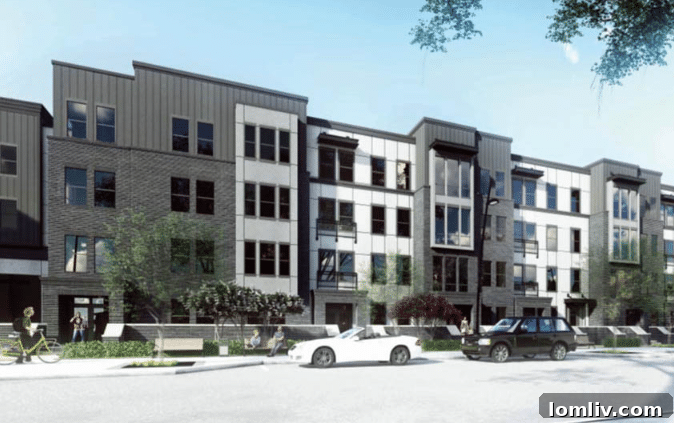
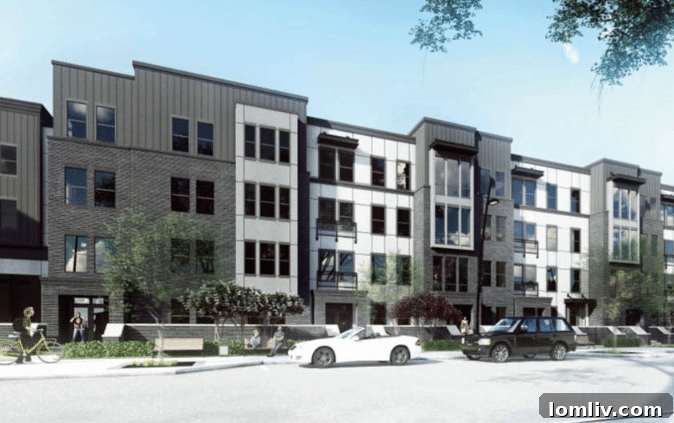
In a remarkable display of collaborative governance and strategic urban planning, the Dallas Public Facility Corporation (DPFC) and city staff have, in just over a year, championed the approval of nearly $1 billion in new Class A multi-family housing projects. This monumental effort underscores Dallas’s commitment to fostering a more inclusive and economically vibrant community by directly addressing the critical need for affordable living options.
These ambitious developments collectively encompass 4,195 new apartment homes, meticulously designed with a variety of floor plans including spacious one-, two-, and three-bedroom units. Each community is poised to redefine urban living, boasting upgraded finishes, state-of-the-art recreation facilities, sparkling swimming pools, and fully equipped workout centers, ensuring a high quality of life for its residents.
At the heart of these initiatives is the dedication to creating “workforce housing” opportunities. These projects are specifically tailored for individuals and families earning at or below 80 percent of the Area Median Income (AMI), making them accessible to the very backbone of our city – our first responders, dedicated teachers, healthcare professionals, and countless other essential workers. By providing housing solutions that align with their income levels, Dallas aims to attract and retain a skilled workforce, fueling the city’s economic engine and enhancing public services. While the primary focus is affordability, a strategic mix of units is offered at market rental rates or as subsidized rentals for low-income qualified tenants, ensuring a diverse and integrated community. The viability of each project hinges on the Dallas City Council’s approval of a property tax abatement, a crucial mechanism that directly influences the blend of rental subsidies offered.
A distinctive and often misunderstood aspect of the DPFC’s model is its unique ownership structure. While a property tax abatement is a key incentive, the DPFC itself retains ownership of each project. These properties are then leased to developers through carefully negotiated agreements, typically spanning an extensive term of 75 years. This long-term lease model is not only fundamental for securing project financing but also provides the DPFC with additional revenue streams, including origination fees and potential sales commissions should a project be sold before its leasehold expires. This innovative approach allows the city to maintain long-term control and benefit from the escalating value of these assets.
A Robust Financial Outlook: Investing in Dallas’s Future
The financial ingenuity of the DPFC’s model is evident in its projected earnings. The estimated net income for 2023 stands at a robust $2.5 million. This figure is not merely an indicator of success; it represents a tangible asset for the city. As the portfolio of DPFC-managed developments continues to expand, this income is expected to grow substantially, creating a self-sustaining financial mechanism. These funds will then become available to the city for reinvestment in other vital public facilities, directly benefiting the broader objectives and mission of the DPFC – enhancing public welfare and infrastructure across Dallas.
Despite its significant impact, the mission and operational intricacies of the Dallas Public Facility Corporation are often not fully understood by the public. To demystify its role and shed light on its invaluable contributions to Dallas, I aim to address some of the most frequently asked questions about the DPFC’s projects and vision.
Understanding the Core Mission of the DPFC
- The paramount mission of the DPFC is to facilitate and provide accessible, affordable workforce housing to eligible residents within Dallas County. This housing is designed to serve individuals and families across a spectrum of qualifying incomes, specifically those at various levels at or below the area’s Annual Median Income (AMI). This targeted approach ensures that essential workers, who often face significant challenges in securing housing within their means, can find quality homes close to their workplaces.
- A hallmark of the DPFC’s projects, all of which are developed as Class A apartment communities, is their thoughtfully curated unit mix. These communities integrate units catering to individuals or families with earnings at or below 80 percent, 60 percent, and even as low as 30 percent of the AMI. This tiered affordability model ensures a broad spectrum of income levels are accommodated, fostering diverse and inclusive neighborhoods. Additionally, a designated number of units are offered at market rental rates, contributing to the financial viability and integrated nature of these developments.
- It is crucial to clarify that projects developed under the DPFC are distinctly separate from Section 8 housing. While both aim to provide affordable housing, Section 8 is a federal rental assistance program for very low-income families, the elderly, and the disabled. DPFC projects, in contrast, focus on workforce housing, primarily serving working individuals and families who earn too much for Section 8 but still struggle with market-rate rents. This distinction is important for understanding the funding mechanisms and target demographics.
- As previously mentioned, apartment communities developed through the DPFC are owned by the Corporation itself. They are subsequently leased to the development partner, typically for an extended term of 75 years. The rationale behind such a long-term lease is primarily practical and financial: a longer leasehold is often a fundamental requirement to support the substantial financing needed for large-scale, high-quality development projects, providing stability and security for lenders and investors.
- A key operational principle that safeguards public funds and minimizes risk for the city is that the DPFC assumes no development risk. The corporation is not responsible for any construction costs, cost overruns, or operational expenses related to the improvements. This structure ensures that the financial burden and complexities of construction and day-to-day management rest solely with the private development partner, while the DPFC maintains strategic oversight and asset ownership.
Ensuring Long-Term Quality and Viability: The 75-Year Lease Explained
A frequent question pertains to the longevity and maintenance of these developments over such an extensive lease term. The 75-year lease is not merely a static agreement; it is a dynamic contract designed to ensure the enduring quality and structural integrity of the properties. A critical provision within the lease mandates a comprehensive capital needs assessment every seven years. This assessment rigorously evaluates the physical condition of the property and identifies necessary capital improvements. The developer is then contractually obligated to implement these improvements based on the assessment’s findings. This proactive maintenance schedule guarantees that the apartment communities remain Class A facilities, upholding high standards for residents for decades to come.
Should a developer fail to comply with these crucial capital improvement requirements or any other terms of the lease, the DPFC retains the powerful right to terminate the lease. In such an event, the DPFC can then resell the project to a new owner who is committed to fulfilling the contractual obligations. This robust accountability mechanism ensures that the city’s assets are protected and that the commitment to quality and affordability is continuously met. Furthermore, with the DPFC retaining ultimate ownership of the project throughout the lease term, and at its expiration (whether at the end of the 75 years or sooner due to default), the DPFC has the strategic flexibility to resell the project. This is particularly noteworthy given the well-documented trend of real estate values escalating and often doubling every six to ten years, representing a significant long-term asset appreciation for the city.
Tangible Benefits: The Financial Incentives for the City of Dallas
The DPFC model is not only about social good; it is also structured to provide significant and measurable financial incentives directly to the City of Dallas. These benefits extend beyond the immediate provision of affordable housing and contribute to the city’s long-term fiscal health and capacity for future public projects.
- Development Fees: The DPFC receives a development fee for each project it facilitates. This upfront income stream directly contributes to the corporation’s operational budget and its capacity to initiate new projects.
- Sales Tax Rebate: An innovative aspect of the financial structure involves a rebate of a portion of the sales tax directly attributable to the project costs. This means that a portion of the tax revenue generated by the construction and outfitting of these large-scale developments cycles back to the DPFC, further bolstering its financial resources.
- Annual Lease Payments: The core of the recurring revenue stream for the DPFC comes from annual lease payments made by the developers. Crucially, these lease payments are designed to escalate over the 75-year term, ensuring that the city’s financial returns grow in tandem with inflation and market value increases.
- Sales Commissions: In an additional layer of financial benefit, the DPFC earns a 2 percent commission each time there is a sale of a project, should the developer decide to sell their leasehold interest prior to the 75-year term expiring. This provides a substantial lump sum for the corporation.
The cumulative funds received by the DPFC from these diverse revenue streams are not simply held; they are strategically earmarked for public-purpose projects. These initiatives are carefully recommended by the DPFC board and require final approval from the Dallas City Council, ensuring alignment with the city’s broader strategic goals and community needs. This self-funding mechanism allows the city to continually invest in infrastructure, services, and amenities that enhance the quality of life for all Dallas residents.
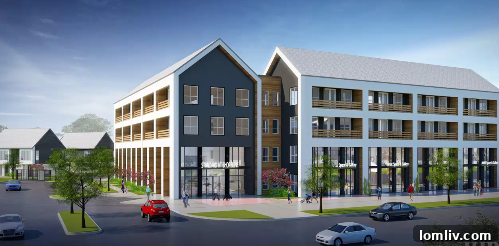
Moreover, a common misconception about affordable housing is that it compromises quality. DPFC projects emphatically challenge this notion. All projects approved to date are designed as Class A apartment communities, equipped with a comprehensive array of premium amenities. These include modern kitchens featuring elegant granite countertops and upgraded appliances, a refreshing community swimming pool, a well-appointed clubhouse for social gatherings, state-of-the-art workout facilities, and in many cases, dedicated dog parks, catering to the needs of pet owners. These high-quality features ensure that residents of workforce housing enjoy the same standards and comforts as those in market-rate developments.
The Strategic Imperative: Why Tax Abatements Benefit the City
Granting tax abatements to these multi-family apartment communities is not a concession but a strategic investment that yields substantial long-term benefits for the city. Its primary role is to satisfy a critical need: the provision of affordable housing within Dallas’s city limits. By creating accessible housing options, Dallas becomes a more attractive place for a qualified workforce to live and work. This directly addresses challenges related to talent attraction and retention, ensuring that the city’s businesses, schools, and public services are adequately staffed by professionals who can afford to reside locally.
Beyond workforce development, the successful development of a Class A project, even with an initial tax abatement, acts as a powerful catalyst for broader economic growth. Such developments often stimulate and foster further investment and development in the surrounding area. This ripple effect leads to increased property values, new commercial ventures, and ultimately, an enhanced and diversified tax base for the city over time. The initial abatement is a strategic seed investment that cultivates greater financial returns and community vibrancy in the long run.
Debunking a Myth: Impact on School Funding
A common concern raised regarding property tax abatements is their potential impact on local school funding. It is important to clarify that, in the context of Texas, the impact of such abatements on school funding is, quite simply, none. Schools in Texas are funded by the state government based on student enrollment census data. All school taxes collected at the local level are remitted to the state and subsequently placed into a statewide fund for equitable disbursement to school districts across Texas. Therefore, property tax abatements granted for DPFC projects do not diminish the funding available to local school districts; the state’s funding mechanism ensures stability regardless of local property tax incentives.
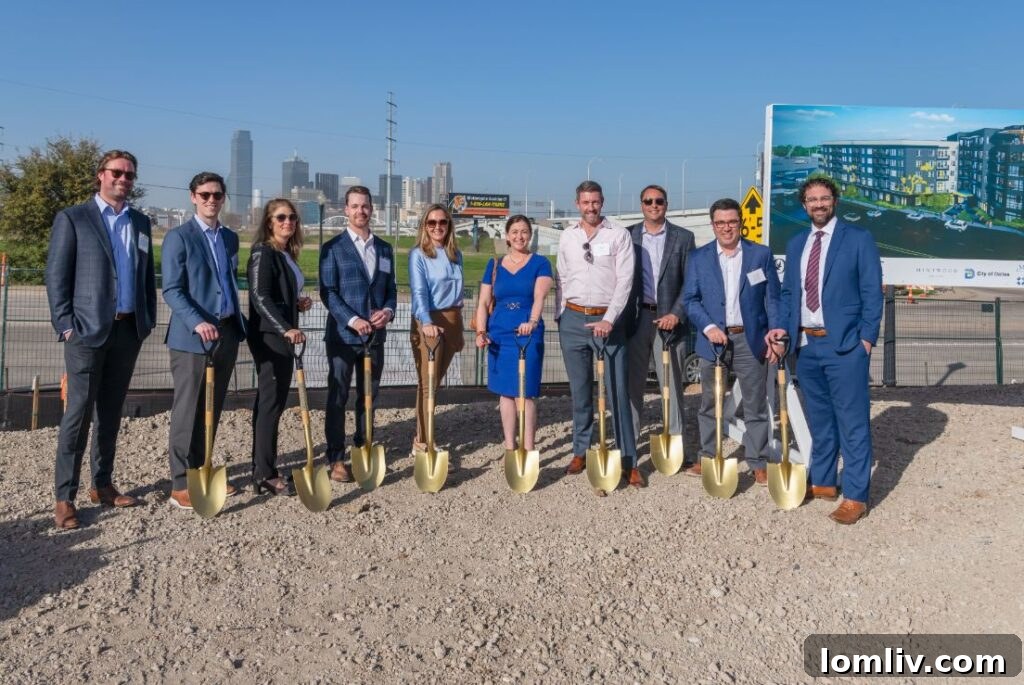
Ultimately, the city’s investment in these tax-abated projects represents a multi-faceted win. It delivers significant social benefits by creating much-needed affordable housing, essential for attracting and retaining a competitive workforce that drives Dallas’s prosperity. Concurrently, it offers substantial financial benefits, including a steady and escalating stream of income for the DPFC and, crucially, the long-term retention of ownership of these valuable urban assets by a public entity. This dual approach ensures both immediate community impact and sustainable economic growth.
Consider, for instance, the compelling case of the proposed Cypress Creek development, strategically located at Forest Lane and Central Expressway. This parcel, previously a vacant lot, was assessed on the tax rolls at approximately $2.5 million, generating a modest annual property tax revenue of around $45,000. Through the DPFC’s involvement, this underutilized asset is being transformed. The development fee alone for the Cypress Creek project is projected to be $1.1 million, a remarkable upfront return. When factoring in the additional revenue streams from other fees and escalating long-term lease payments, the financial advantages become undeniable. Basic mathematics undeniably suggests that this represents a profound win for the city, transforming a low-performing asset into a thriving Class A apartment community that will invigorate the area, enhance the local tax base through surrounding development, and provide essential housing for Dallas’s valued workforce.

Alan Tallis is a proud member of the Dallas Public Facility Corporation board, contributing his expertise to shape a more affordable and vibrant Dallas. You can contact him directly at [email protected] for further inquiries or discussions.