An Architect’s Vision: Jeffrey L. Green on Renovation, “Aging in Place,” and Dallas Design
In our celebrated series, Interview with an Architect, we delve into the minds of North Texas’s most influential architectural leaders. This ongoing dialogue explores their pioneering work, tackles critical development issues impacting our communities, and uncovers the principles behind exceptional design. Our conversations aim to illuminate the evolving landscape of architecture, offering insights into how design shapes our lives and the places we call home. Today, we are honored to feature a luminary in the field whose approach to design is as insightful as it is human-centered.
Jeffrey L. Green, a distinguished voice in the Dallas architectural community, views home renovation not merely as a construction project but as an artistic endeavor. He possesses a unique talent for “finding the inherent potential in what already exists and breathing vibrant new life into residences that many others might deem beyond salvage.” This philosophy guides his work, transforming dated or neglected spaces into modern havens that respect their past while embracing the future. Green’s approach underscores a deep belief in the intrinsic value of existing structures and the stories they hold.

Green actively applies this transformative vision in his role as Vice President of Architectural Interior Design and Construction Administrator at Dallas-based PBH Construction. This family-owned business has long been a pillar in the North Texas construction landscape, and Green’s expertise has been integral to its success since he officially joined in 2009. His extensive design and build experience spans a wide array of projects, including innovative new constructions, meticulous rebuilds, and comprehensive renovations of single-family and multi-family residential homes. Beyond residential work, his portfolio extends to impactful commercial, retail, and institutional spaces, showcasing his versatile architectural prowess.
While his passion for revitalizing older homes is evident, Green holds an equally profound commitment to older individuals. He is deeply invested in helping them adapt or re-envision their homes to facilitate “aging in place” gracefully and independently. This concept has emerged as a paramount discussion point within the architecture community, driven largely by the demographic shift of 76.4 million Baby Boomers, the oldest cohort of whom are now entering their 70s. Ensuring homes are livable and accessible for this significant population is not just a societal need but a design imperative.
To this end, Green is a recognized Certified Aging-in-Place Specialist (CAPS). This designation positions him at the forefront of the evolving dialogue on how to address aging-related issues, particularly concerning the livability and accessibility of homes for older Americans. Far from being a niche concern, Green advocates that these principles are, at their core, fundamental to good design practices for everyone, regardless of age or physical ability. “Ultimately, you want a home that is welcoming and accessible to all residents and guests,” Green emphasizes, highlighting the universal benefits of thoughtful, inclusive design.
Green’s distinguished career is built upon a solid academic foundation. He earned his Bachelor of Arts degree in Architecture from Baylor University, further enhancing his expertise with a Master of Architecture degree from the prestigious Georgia Institute of Technology in Atlanta. During his time at Baylor, Green enriched his educational journey through a cooperative program, which included a year of intensive study at Washington University’s Architectural Studio in St. Louis, Missouri. This diverse educational background provided him with a comprehensive understanding of architectural theory and practice from various perspectives.
He commenced his professional journey with The Preston Partnership, LLC in Atlanta, where he quickly demonstrated his multifaceted capabilities. His responsibilities included critical site planning and due diligence, crafting schematic designs, developing compelling graphic visualizations, and mastering both 2D and 3D rendering development. This early experience laid the groundwork for his comprehensive approach to design and construction.
Jeffrey Green’s exceptional talent for design has garnered him numerous accolades and recognitions throughout his career. These include the esteemed Rosser International Fellowship Award, a significant achievement as a winner of the 2000-2001 Otis/ACSA International Student Design Competition held in Istanbul, Turkey, and a prestigious Presidential Scholarship Award. These honors underscore his innovative thinking and mastery within the architectural discipline.
We had the privilege of asking Jeffrey Green eight insightful questions covering his professional journey, prevailing trends in the architectural community, his unique philosophy on modern design, and his perspectives on the city of Dallas. The insights he shared were profound and truly enlightening.
Insights from Jeffrey L. Green: An Exclusive Interview
CandysDirt: What specifically appeals to you about the intricate process of home restoration?
Jeffrey Green: My attraction to renovation stems from its inherent complexity and compelling nature, which I often find more engaging than new construction. There’s a distinct satisfaction in the challenge of working within pre-existing, often restrictive conditions to skillfully resolve the specific needs and desires of a client. It transforms each project into a fascinating puzzle, where a breakthrough moment invariably occurs during the design process, making everything “click” into place. Furthermore, the tangible “before” and “after” transformations provide an immensely gratifying product of this detailed and thoughtful process.
Beyond the technical aspects, I deeply believe that every home is a living organism, imbued with a rich history and a unique story waiting to be told. Our homes serve as the silent backdrop for the most important and memorable events of our lives—from jubilant birthday parties and heartwarming Christmas gatherings to cherished Thanksgiving dinners, the wonder of a baby’s first steps, or the sweet innocence of a first kiss. As an architect specializing in restoration, I am granted the profound privilege of finding innovative ways to ensure these stories continue, evolving with new families and creating new chapters within the same beloved walls. This connection to the human narrative is what truly makes home restoration a deeply rewarding endeavor for me.
CD: Do you believe the architecture community is adequately prepared to meet the escalating demand from Baby Boomers who wish to “age in place” within their homes?
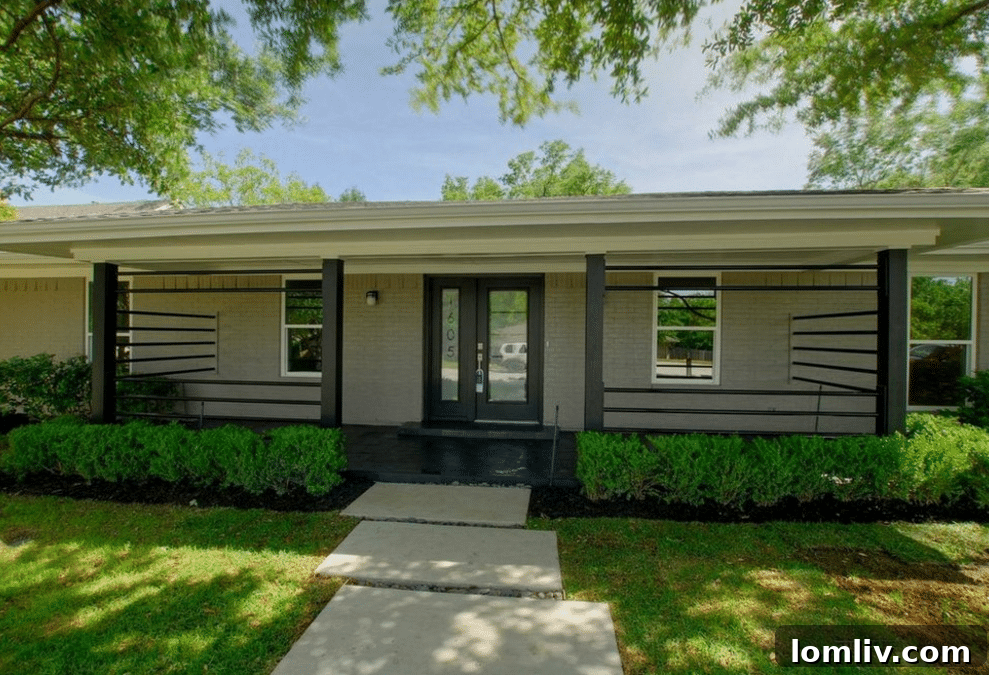
JG: While significant progress has been made, I still perceive “aging in place” as a specialized niche within architectural design, rather than a fully integrated standard. In every renovation project I undertake, I make a concerted effort to incorporate “aging in place” strategies, irrespective of the current age or physical condition of the residents. My firm conviction is that such foresight inherently adds long-term value to any home, making it more adaptable and comfortable for future stages of life. I prioritize discussing these numerous benefits with clients very early in the design process, emphasizing the advantages of proactive planning.
Baby Boomers, in particular, are not only planning for their own future well-being when designing their “forever homes,” but they are also increasingly seeking designs that can comfortably accommodate their aging parents who may eventually live with them. This multi-generational living trend further amplifies the need for thoughtful, accessible design. The architecture community has a vital role to play in educating clients and integrating universal design principles, which benefit everyone, into standard practice. We must move beyond simply meeting code requirements and embrace a holistic approach that ensures homes are truly adaptable and supportive throughout a lifetime, fostering independence and comfort for all occupants.
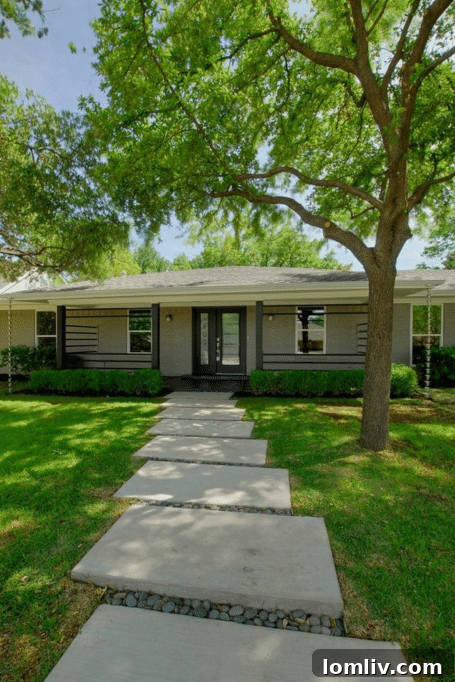
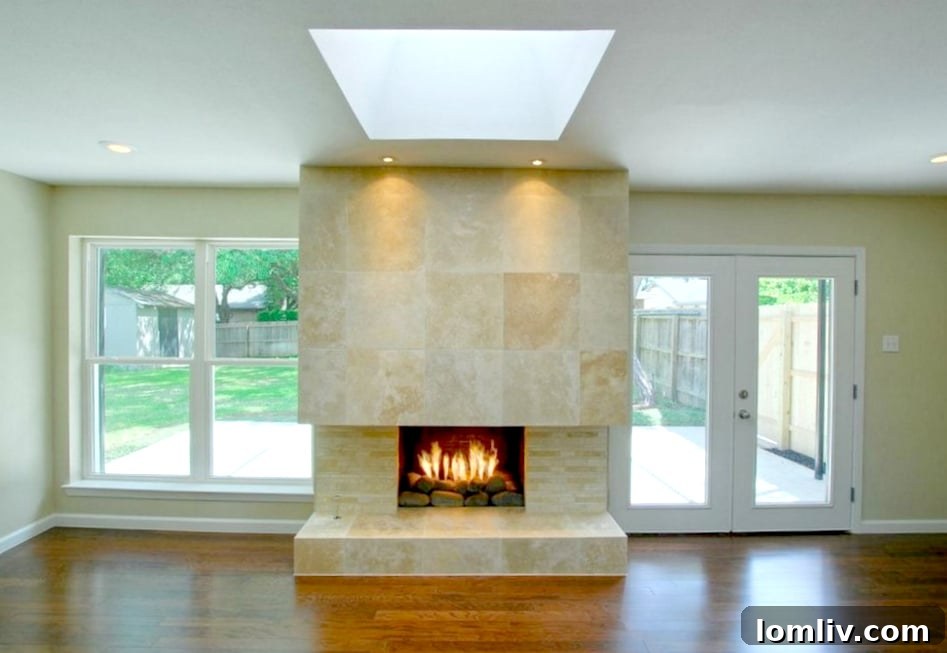
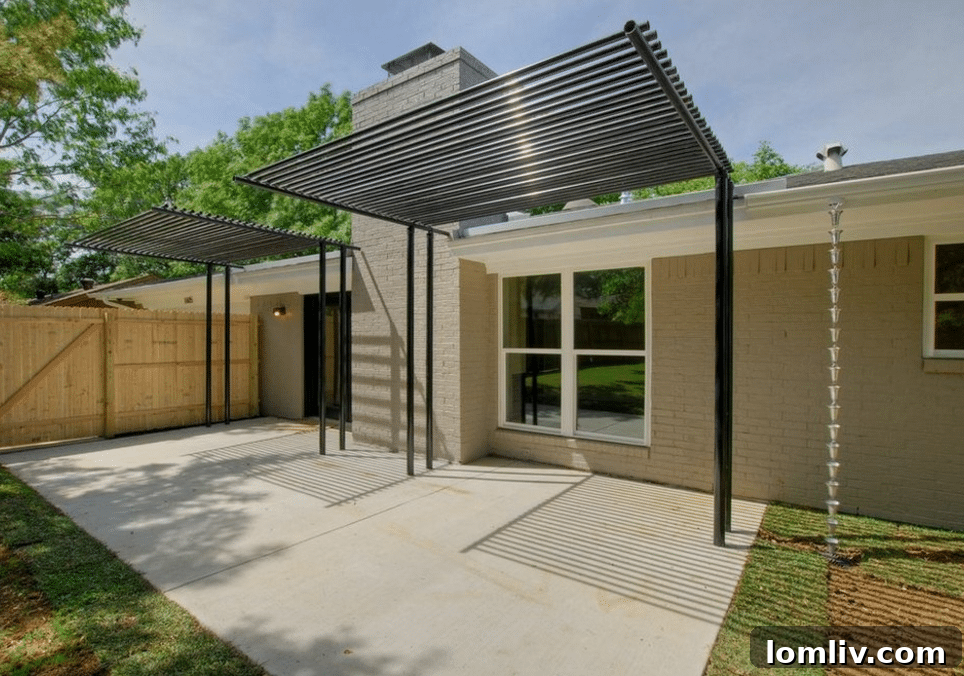
CD: What is your perspective on the architectural preservation climate in Dallas, and what changes, if any, would you advocate for?
JG: It appears that Dallas, throughout its history and continuing to this day, has a regrettable tendency to easily overlook the profound importance and inherent value of its older buildings. I fully grasp the practical and financial considerations involved in the adaptive re-use and sensitive re-purposing of these structures. However, this issue mirrors, on a macro scale, the very passion I articulated earlier for renovating individual homes. These venerable buildings are not just inert structures; they are custodians of our collective history, embodying the narratives of generations and contributing to an urban fabric that is both complex and deeply nuanced.
I understand the prevailing sentiment among many developers who often find it more straightforward and cost-effective to demolish these existing structures and commence construction anew. Similarly, I recognize that city leaders, in their commendable efforts to revitalize previously neglected neighborhoods, are often compelled to strike various deals to boost density, stimulate activity, and broaden the tax base. Yet, my concern is that, in many instances, they metaphorically “cannot see the forest for the trees.” They risk sacrificing the unique character, historical depth, and irreplaceable charm that older buildings provide for the sake of rapid, sometimes homogenous, development. I would advocate for policies that incentivize preservation, offer creative solutions for adaptive re-use, and foster a greater appreciation within the community for Dallas’s architectural heritage. Preserving these gems is not just about nostalgia; it’s about enriching our urban identity and ensuring a more sustainable future.
CD: You’ve described your interpretation of contemporary architecture as being “imbued with a warmth and accessibility that eschews the coldness and starkness often found in much modern architecture.” How do you successfully achieve this distinctive balance in your designs?
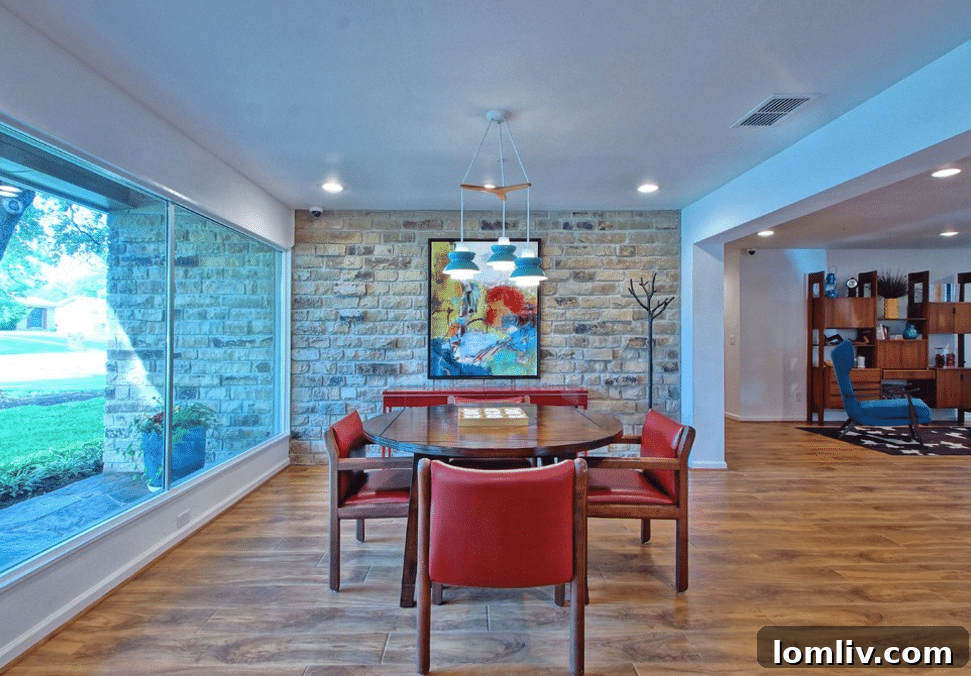
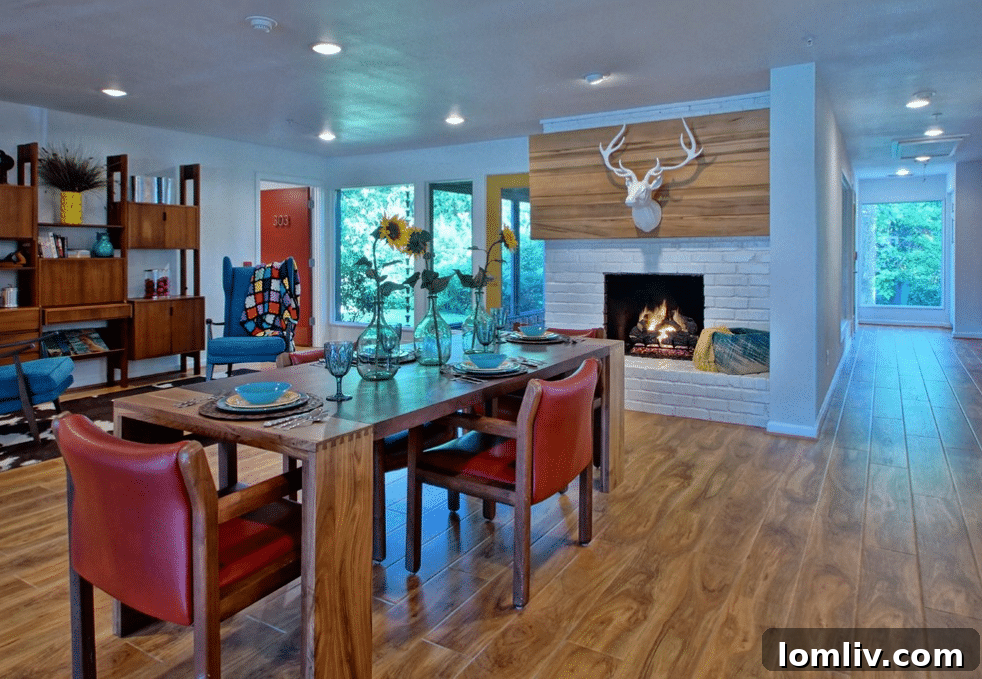
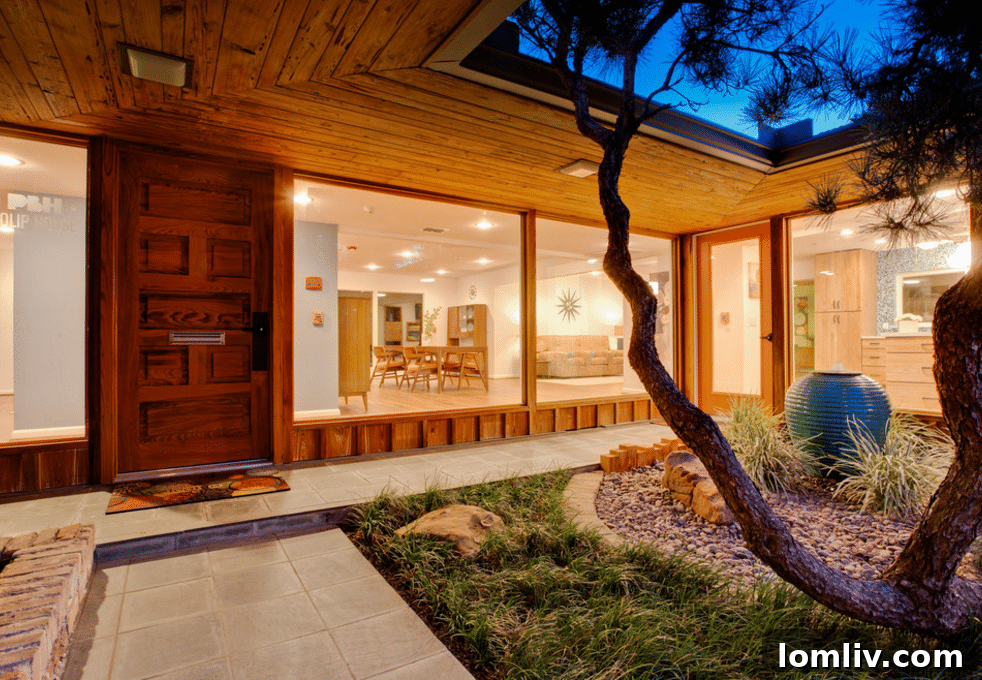
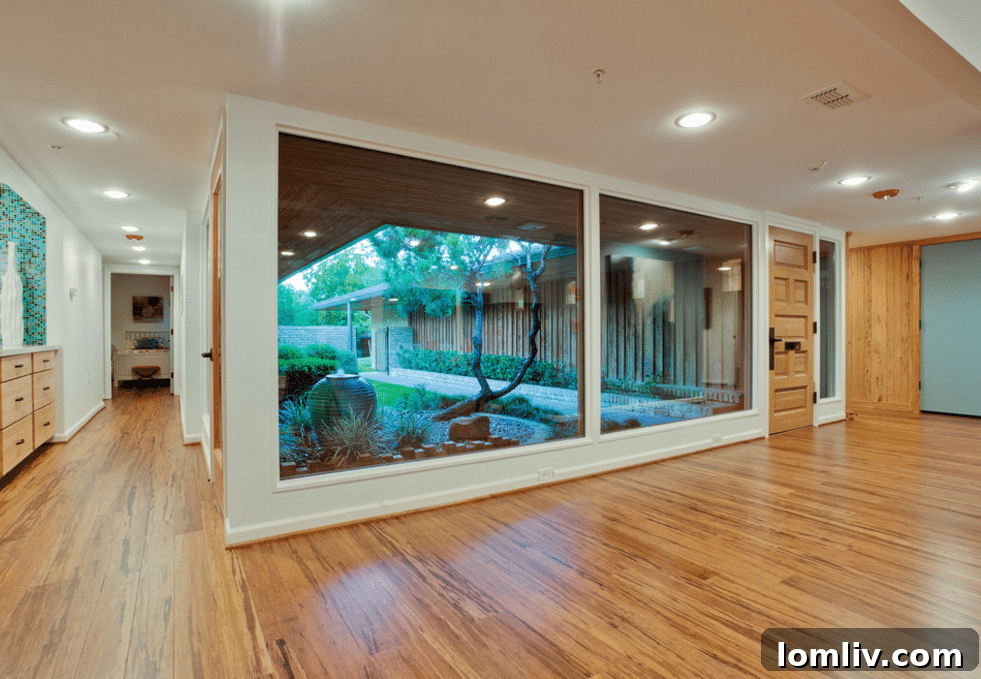
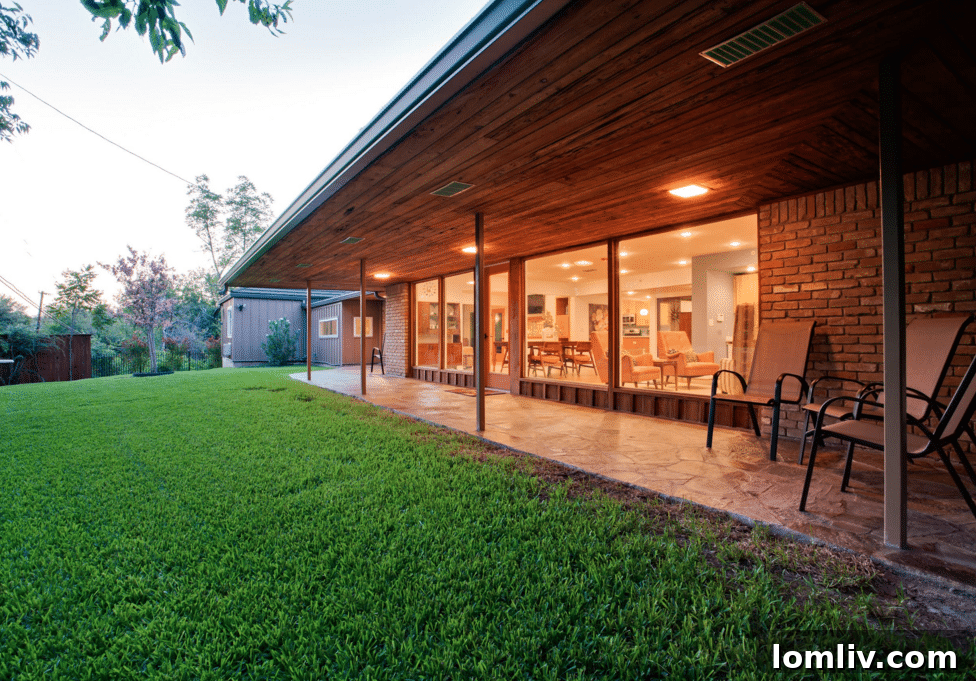
JG: I believe this critical balance can be achieved through a multi-faceted approach. Firstly, I prioritize the incorporation of natural materials such as rich wood and rugged stone. These materials possess both a tactile quality that invites touch and a human scale that makes spaces feel grounded and inviting. Moreover, they subtly recall nature, fostering a vital connection between the indoors and the natural world, a concept known as biophilic design. This connection can be further emphasized by carefully crafting visual and physical links to the outdoors. Regardless of where one stands within a home, there should always be a compelling view outward, an abundance of natural light streaming in, and ideally, the ability to welcome fresh air or physically access outdoor spaces. This integration blurs the lines between interior and exterior, enriching the living experience.
Beyond the architectural shell, the home’s furnishings play an equally crucial role in cultivating warmth. Filling a home with meaningful pieces of furniture and carefully curated accessories helps to weave the unique story of the home and its inhabitants. While I might characterize my personal aesthetic as minimalist, it’s a minimalism defined by intentionality—each item in my own home holds significant meaning and contributes to my personal narrative. I often observe new homeowners eager to fill their spaces simply for the sake of it, without dedicating the necessary time to accumulate pieces that possess genuine character, history, and emotional resonance. True warmth in contemporary design arises not from clutter, but from the deliberate selection and arrangement of elements that resonate with the human spirit and tell a personal story, making a space feel lived-in, cherished, and authentically inviting.
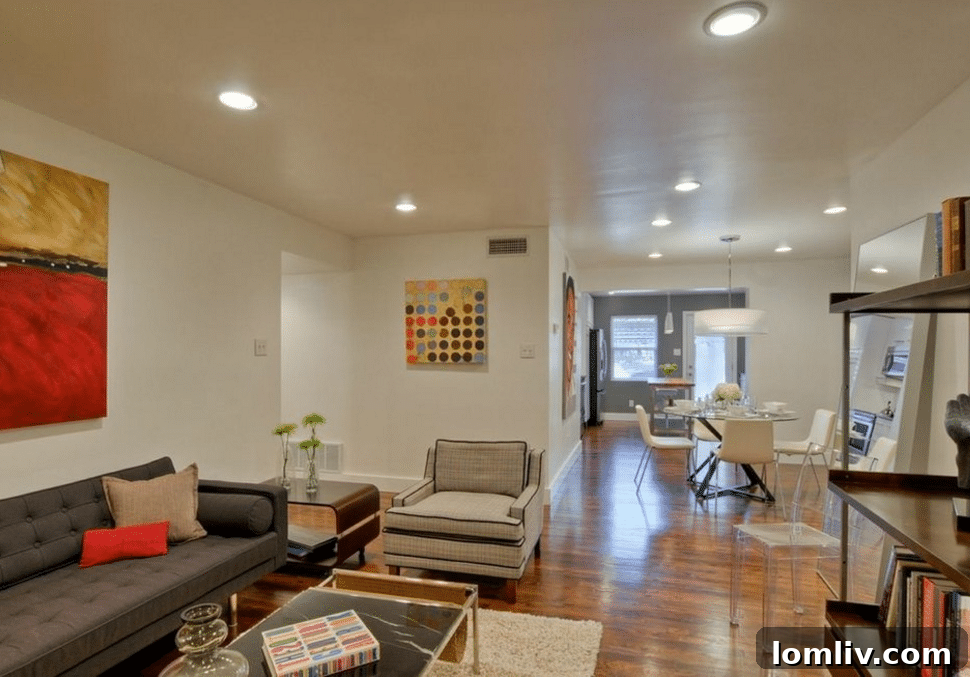
CD: When approaching a home renovation, even for a house with a distinctly traditional style, what aspects of contemporary architecture can be incorporated seamlessly to create a harmonious blend?
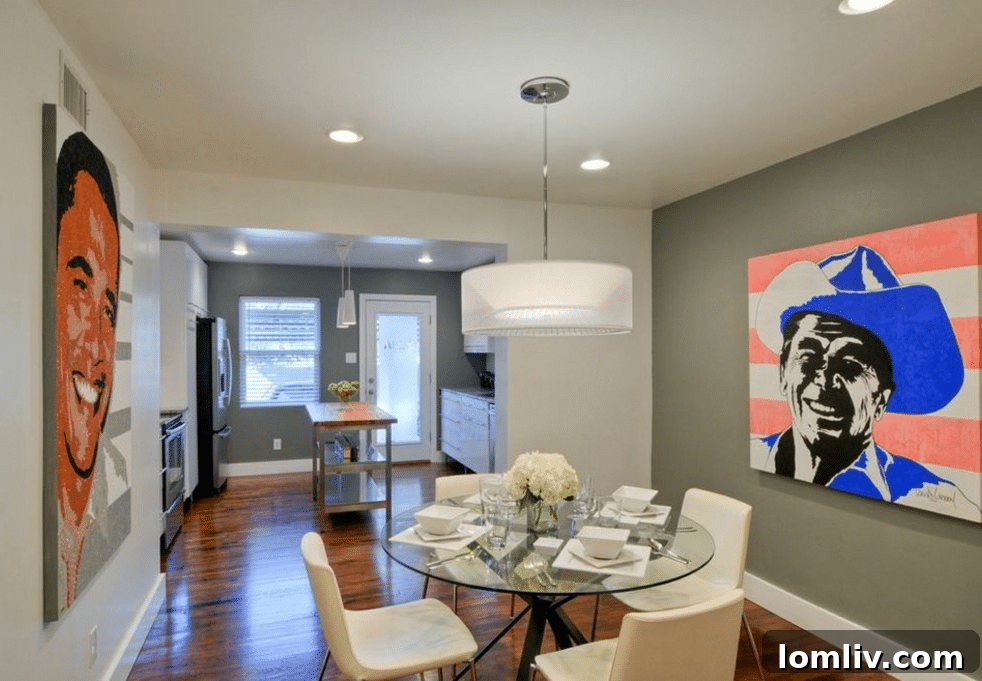
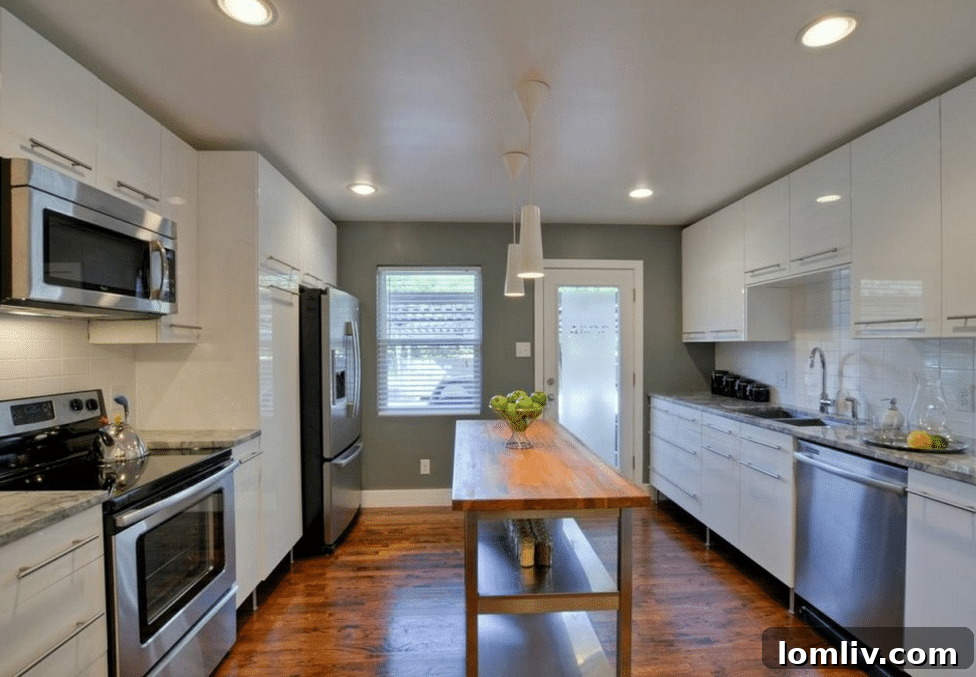
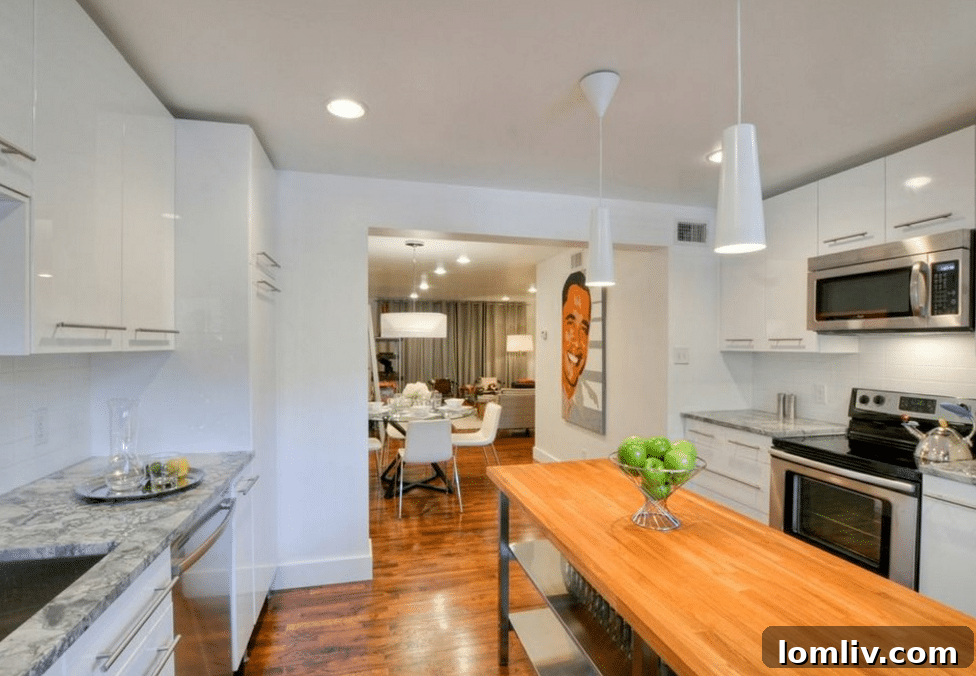
JG: I’ve had the pleasure of working with several clients who specifically sought to achieve this elegant fusion of contemporary and traditional styles. One highly effective method we employ is to establish a clean, bright, and monochromatic palette for the existing traditional architecture. By painting the walls, ceilings, trim, and doors all in the same subtle color, the often-heavy moldings and ornate details take on an entirely new character. This approach shifts the focus from their individual decorative elements to the interplay of light, form, and shadow, transforming them into a sophisticated backdrop for more modern furnishings.
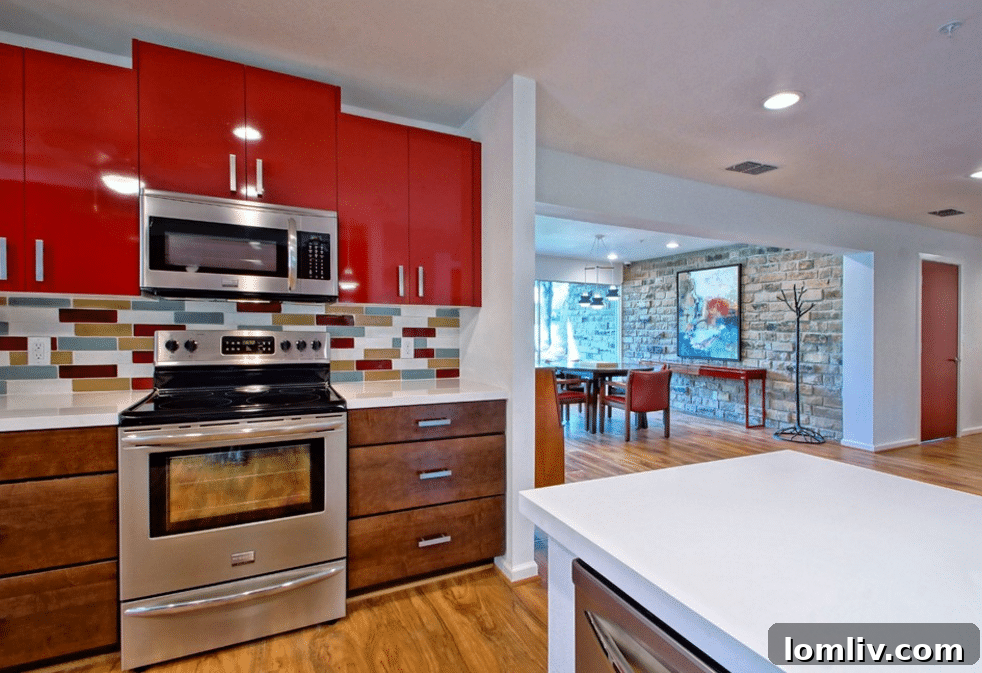
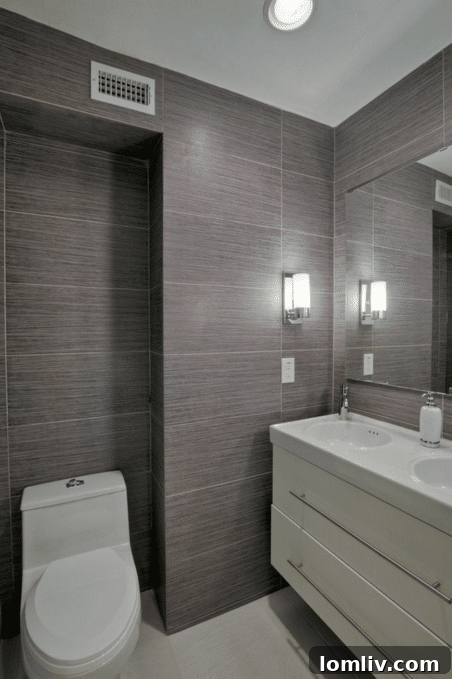
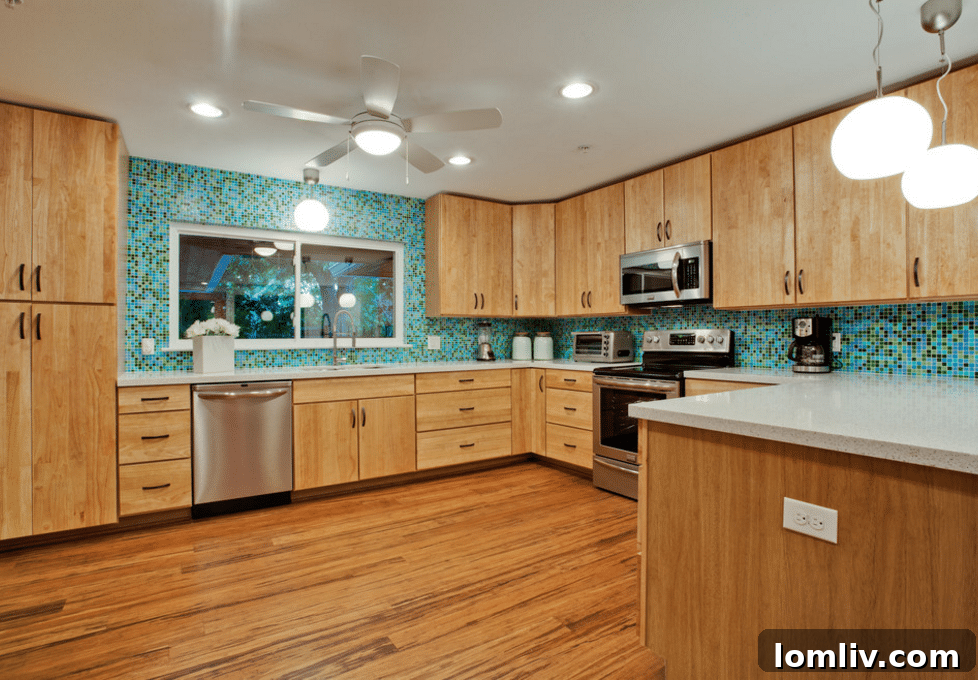
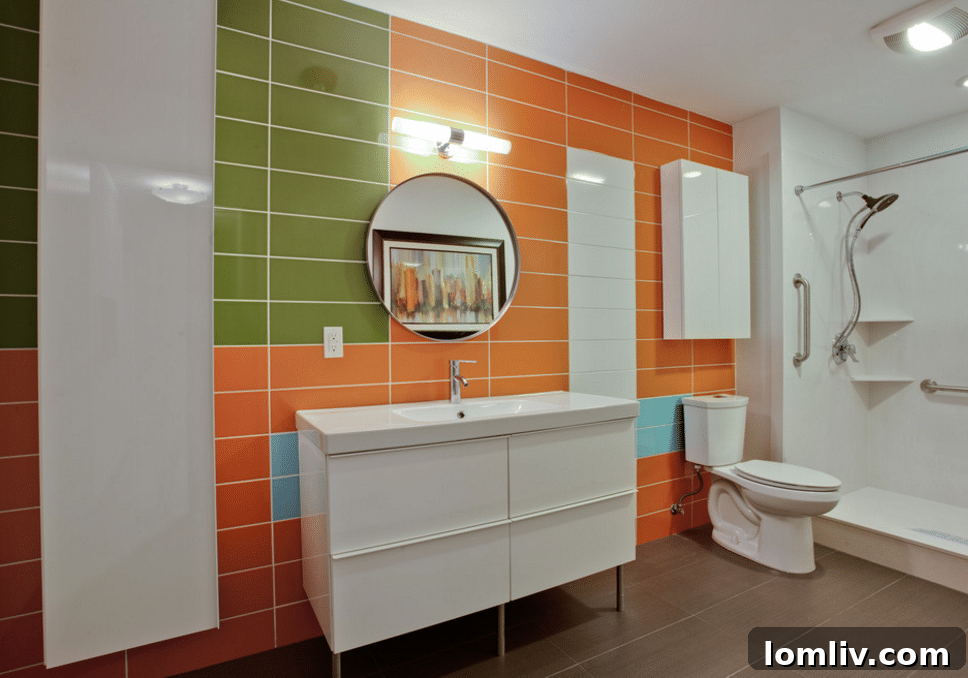
This aesthetic creates an environment akin to an art museum, where the quality and tactility of each piece of furniture or artwork are emphasized precisely because they are strategically placed within clean, unobtrusive surroundings. For more substantial remodel projects, there’s significant latitude to introduce distinctly modern elements, particularly in functional spaces like kitchens and bathrooms, as well as through contemporary light fixtures. The result is a captivatingly eclectic environment where the best of both modern and traditional design principles not only coexist but enhance one another seamlessly, creating a truly unique and personalized home that feels both current and timeless.
CD: Which aspects of contemporary design do you believe are particularly well-suited for widespread, mainstream adoption in residential architecture?
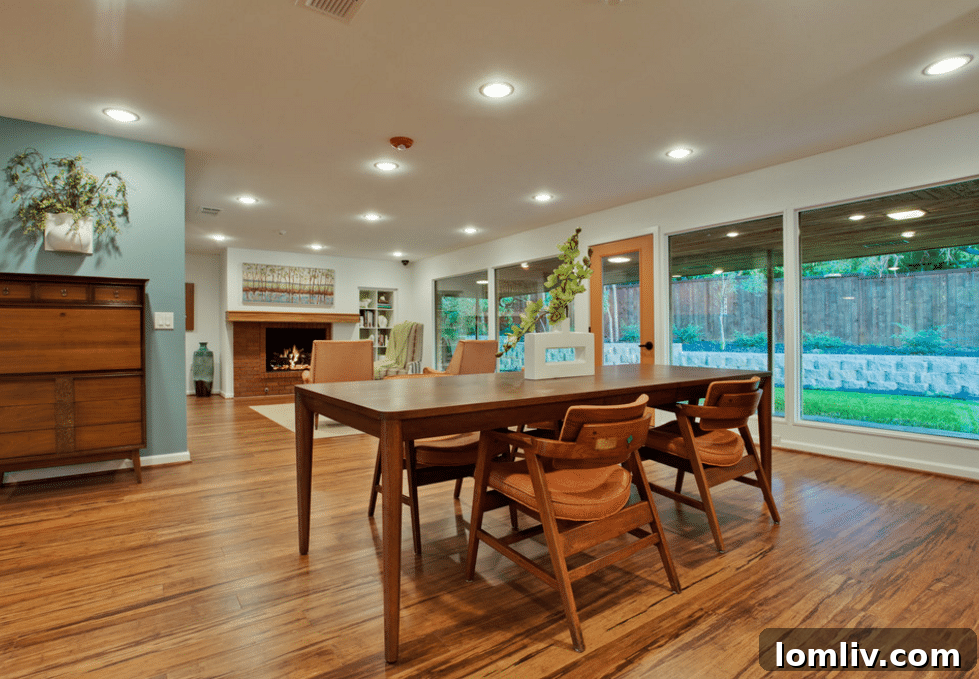
JG: Without a doubt, the “open floorplan” concept has already proven its mainstream appeal and has been gracefully integrated into countless architectural styles over the past couple of decades. This design approach resonates deeply with our contemporary, often more fluid and less regimented lifestyles, contrasting sharply with the traditional, compartmentalized schedules that were prevalent a generation or two ago. Modern living embraces flexibility; we no longer desire each domestic activity to be strictly confined to its own defined room, separate and isolated from all other single-purpose spaces. An open plan facilitates interaction, fosters a sense of togetherness, and adapts more readily to diverse family dynamics and entertainment needs.
Additionally, a fundamental rethinking of windows, which forms a cornerstone of modern architectural design, can and absolutely should find its way into all styles of homes. Windows should transcend their traditional role as mere rectangular penetrations in a wall. When I undertake the renovation of an older home, I always critically assess the number, size, and placement of existing windows. My goal is to maximize the influx of natural light and enhance visual connections to the outdoors wherever possible. This might involve expanding existing openings, introducing new windows where appropriate, or utilizing different window types to create more dynamic and engaging views. Embracing this modern approach to fenestration significantly improves indoor comfort, energy efficiency, and overall well-being, making it a universal benefit for any home, regardless of its underlying architectural style.
CD: Of all your professional endeavors, which work has provided you with the most profound satisfaction, and why?
JG: The most profoundly satisfying work I’ve undertaken is designing for the residential care home business that my parents and I co-own. Initially, when they first proposed my involvement, I was quite hesitant. My previous experiences designing for seniors at other firms had, regrettably, been less than inspiring, often limited by conventional thinking and budget constraints. However, a personal event sparked a complete shift in my perspective: my sister-in-law was pregnant with my nephew, and she asked for my help in designing his nursery.
As I meticulously considered every detail—the perfect paint colors, the ideal furniture, the safest flooring, and the most engaging artwork—to craft an optimal environment for someone at the very beginning of their life, a powerful question struck me: Why do we not apply the same level of care, thoughtfulness, and dedication when selecting paint colors, furniture, flooring, and artwork to create the perfect environment for those in the twilight years of their lives? This realization became a driving force.
I am now absolutely convinced that creating a bright, clean, colorful, and genuinely home-like environment for residents in our care homes has an immeasurable positive impact on their quality of life. Moreover, it creates a crucial backdrop for the continuation of those vital life events—birthdays, holidays, family visits—that they would otherwise be celebrating in their own homes. To be able to provide dignity, comfort, and joy through thoughtful design in their final chapters is not just a professional achievement, but a deeply personal and humbling privilege that brings me immense satisfaction.
CD: Among all the structures in Dallas, whether residential or commercial, which building holds the distinction of being your absolute favorite, and what makes it so special to you?
JG: My absolute favorite place in Dallas is unequivocally Fair Park. I find tremendous encouragement in the increasing interest and renewed focus on charting its future trajectory. Having spent many years living in Atlanta, I draw a powerful analogy between Fair Park and Piedmont Park. Both are expansive urban parks, originally conceived as the grounds for major expositions. For decades, both endured periods of neglect and decline, facing challenges common to large historical urban spaces.
However, Piedmont Park now stands as a stunning testament to what is truly possible for Fair Park. It has been transformed into a vibrant hub of daily activity and serves as the venue for large-scale events year-round, successfully blending historical preservation with contemporary utility. Critically, the surrounding properties and neighborhoods of Piedmont Park, once notoriously dangerous and blighted areas of the city, have now become some of the most valuable and sought-after locations in town due to the park’s revitalization. I harbor immense hope for Fair Park’s future. Its exceptional connectivity via DART rail, combined with the unparalleled architectural significance and the sheer diversity of potential uses across its vast campus, make it, in my estimation, the single most undervalued asset this city possesses. Its potential to anchor a significant urban renewal is immense, and its unique character is irreplaceable.
If you know an architect—or perhaps you are an architect yourself!—who deserves to be highlighted in this insightful column, please reach out to Leah. We’re always eager to discover new voices and perspectives shaping the world of architecture in North Texas. You can email her directly here.