In the vibrant and often frenzied real estate market, the allure of purchasing a brand-new home is undeniable. The promise of modern amenities, untouched spaces, and the freedom from immediate maintenance concerns makes new construction an attractive option for many homebuyers. However, while new homes are designed to be pristine, the rapid pace of construction, coupled with the intricate nature of building, can sometimes lead to unforeseen issues or overlooked details. Even the most reputable homebuilders, under immense pressure to meet demand, can inadvertently make mistakes that might not be visible to the untrained eye but could pose significant problems down the line.
This is where the invaluable service of multi-step inspections, commonly referred to as Phase Inspections, becomes not just a recommendation but an absolute necessity for anyone investing in a new construction home. These specialized inspections offer a critical layer of scrutiny throughout the building process, safeguarding your investment and ensuring your dream home is constructed to the highest standards of quality, safety, and structural integrity.
Why New Construction Phase Inspections Are Your Best Investment
The construction of a new home is a complex undertaking, involving numerous trades, materials, and strict adherence to local building codes. While builders have their own quality control processes, an independent, third-party inspection provides an unbiased assessment, focusing solely on the homebuyer’s best interest. Phase inspections are strategically timed to coincide with critical stages of construction, allowing potential issues to be identified and corrected when they are easiest and least expensive to fix – before they are covered up and become major headaches.
Consider the alternative: discovering a significant defect, such as a foundation flaw or a hidden plumbing leak, months or years after you’ve moved in. Repairs at that stage can be incredibly disruptive, costly, and may even involve extensive demolition. By proactively engaging an expert inspector throughout the building journey, you gain peace of mind, leverage for builder accountability, and a clearer understanding of your new home’s true condition.
The Four Pivotal Stages of New Construction Home Inspection:
A comprehensive phase inspection program is typically structured into four distinct stages, each designed to scrutinize specific aspects of the home’s construction:
- Pre-Pour / Foundation Inspection: This critical assessment takes place just before the concrete slab is poured, focusing on the very base of your home.
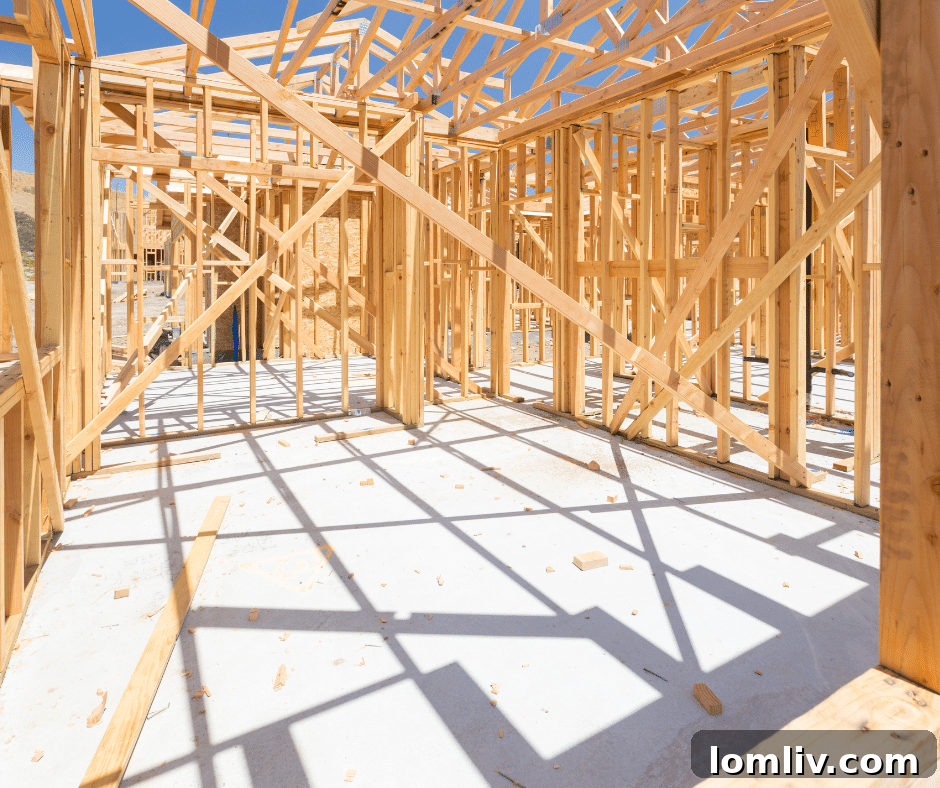
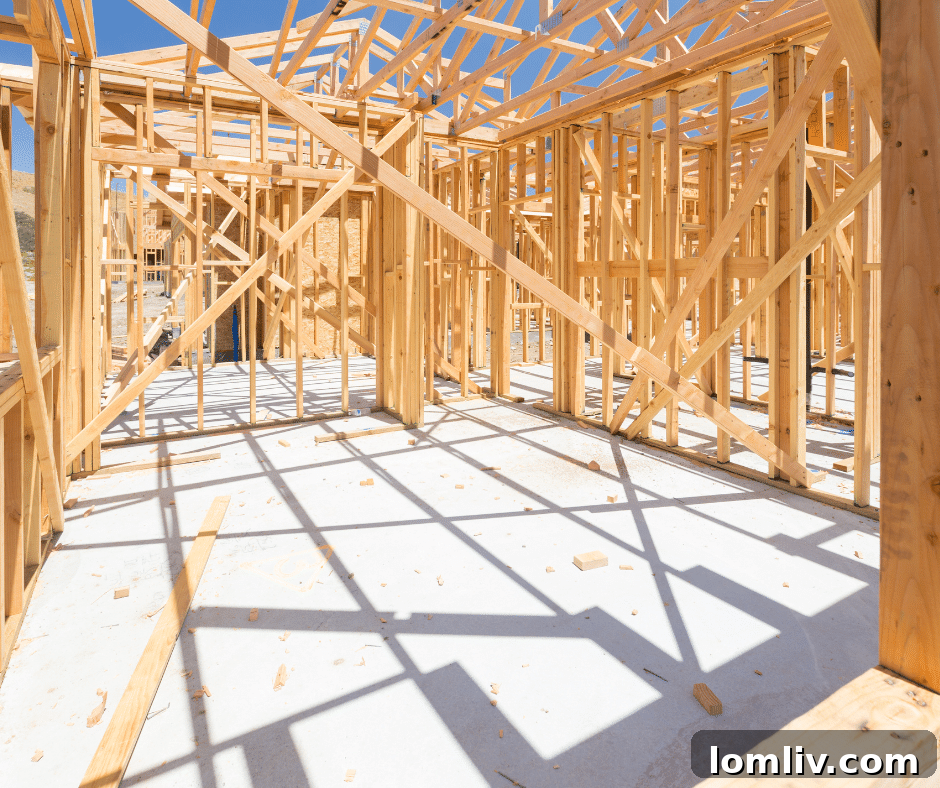
- Framing / Pre-Drywall Inspection: Conducted after the house’s skeletal structure is complete but before insulation, drywall, and other finishes conceal the internal systems.
- Final / Pre-Closing Inspection: Performed once construction is fully completed, typically prior to the builder’s final walk-through, serving as a comprehensive quality check.
- 11-Month Builder’s Warranty Inspection: Scheduled approximately 11 months after you’ve purchased and moved into your home, just before the builder’s one-year warranty period expires.
An In-Depth Look at Each Phase: Ensuring Excellence from the Ground Up
Phase 1: Pre-Pour / Foundation Inspection – The Cornerstone of Your Home
The foundation is the most critical structural component of any home. An error here can lead to long-term, catastrophic issues that are incredibly difficult and expensive to rectify. During the pre-pour inspection, the inspector meticulously examines the prepared site before concrete is introduced. This includes verifying the proper installation of the vapor barrier to prevent moisture intrusion, checking the placement and integrity of all plumbing rough-ins and electrical conduits embedded within the slab, and, most importantly, ensuring the correct layout and adequate reinforcement of the rebar or post-tension cables. Any deviation from engineering specifications or building codes at this stage – such as improperly tied rebar or misplaced plumbing lines – can have profound consequences on the structural stability and longevity of your home. Catching these issues pre-pour saves homeowners from potential future foundation repairs, slab leaks, and significant expense.
Phase 2: Framing / Pre-Drywall Inspection – Uncovering the Structure’s Integrity
Once the foundation is cured and the wooden (or steel) skeleton of the house is erected, the framing inspection offers a crucial window into the home’s structural and mechanical systems before they are hidden. This stage is paramount for identifying issues that become nearly impossible or prohibitively expensive to fix once the walls are closed up. The inspector will carefully examine:
- Structural Framing: Ensuring proper lumber grade, correct spacing of studs, joists, and rafters, accurate load-bearing wall construction, adequate nailing patterns, and compliance with architectural plans and local building codes.
- Rough-in Plumbing: Checking for correctly installed supply lines, drain lines, vent systems, and proper pipe connections, ensuring no leaks or blockages are present.
- Rough-in Electrical: Verifying correct wiring installation, proper grounding, junction box placement, and compliance with electrical codes, mitigating fire hazards and ensuring functionality.
- HVAC Ductwork: Assessing the installation and sealing of heating, ventilation, and air conditioning ductwork, identifying potential leaks that could lead to energy inefficiency and poor indoor air quality.
- Exterior Sheathing & Window/Door Openings: Confirming proper sheathing installation, flashing around windows and doors, and the overall weather-tightness of the building envelope.
Identifying discrepancies at this stage, such as missing fire blocking, inadequate bracing, or improperly run wires, allows for simple, cost-effective corrections before costly drywall and insulation conceal them permanently.
Phase 3: Final / Pre-Closing Inspection – The Last Comprehensive Quality Check
The final inspection is your last opportunity to ensure that your new home is complete, functional, safe, and meets all quality expectations before you take ownership. This exhaustive inspection covers every accessible component of the house, inside and out. The inspector will meticulously examine:
- Exterior Elements: Roofing, gutters, siding, windows, doors, grading around the foundation for proper drainage, driveways, and walkways.
- Interior Systems: Operation of all major appliances, electrical outlets and switches, lighting fixtures, plumbing fixtures (faucets, toilets, showers), water heater, and HVAC system performance (heating and cooling cycles).
- Finishes and Aesthetics: Inspecting flooring, cabinetry, countertops, paint quality, trim work, and ensuring proper sealing around tubs, showers, and sinks.
- Safety Features: Smoke detectors, carbon monoxide detectors, GFCI (Ground Fault Circuit Interrupter) and AFCI (Arc Fault Circuit Interrupter) protection, and egress windows.
This comprehensive review catches any lingering defects, uncompleted work, or cosmetic imperfections, giving you the necessary leverage to demand rectifications from the builder before closing. It guarantees that you move into a home that is truly ready for occupancy.
Phase 4: 11-Month Builder’s Warranty Inspection – A Proactive Post-Occupancy Review
Even after living in your new home for almost a year, some issues may only become apparent after the house has settled, experienced different seasons, or been subjected to daily use. The 11-month warranty inspection is a crucial, proactive step conducted just before your builder’s one-year warranty expires. This inspection aims to identify any hidden defects that have emerged over time, such as subtle foundation settling causing cracks, minor roof leaks, HVAC system inefficiencies, plumbing issues (e.g., slow drains or recurring drips), or electrical anomalies. By catching these problems before the warranty lapses, you ensure that any necessary repairs are covered by the builder, potentially saving you thousands of dollars in out-of-pocket expenses. This final check-up provides long-term peace of mind and secures the value of your new home investment.
Real-World Examples: The Power of Early Detection in New Construction
The practical value of phase inspections is best illustrated through real-world scenarios where critical issues were identified and addressed thanks to the vigilance of an independent inspector. These examples underscore why relying solely on builder quality checks is not enough:
Imagine a scenario where a seemingly insignificant plumbing connection has a slight drip behind a newly installed wall. During a framing inspection, this subtle leak is easily spotted and repaired. However, if missed and only discovered months later during the final inspection, or worse, after move-in, it could have led to extensive water damage, mold growth, compromised structural components, and significant health hazards. The cost and disruption of repairing such an issue after drywall and finishes are in place would be substantial, far outweighing the cost of the initial inspection.
Similarly, structural issues in framing, such as incorrectly sized headers over windows, missing support beams in critical areas, or inadequate fastening of structural elements, can severely compromise the stability and safety of the entire house. These problems are straightforward to identify and correct during the framing inspection (Phase 2), typically involving minor adjustments or additions. However, if such a structural flaw is only discovered during a final inspection, after all the walls are sealed, insulation is installed, and finishes are applied, remediation becomes a massive undertaking. It would require tearing down drywall, potentially disrupting multiple systems, and significantly delaying move-in or causing considerable inconvenience and expense after occupancy. This scenario vividly illustrates the profound benefits of phased inspections.
The Unseen Value: Why Every New Home Needs an Expert Phase Inspection
It’s a common scenario: many homebuyers discover and fall in love with a new home only after it has been fully completed, missing the opportunity for pre-pour and framing inspections. In such cases, the Final Phase Inspection becomes even more critically important. Without the benefit of earlier checks, the final inspection is the sole comprehensive review of the builder’s entire work. It’s the buyer’s last, best chance to ensure that all systems are functioning correctly, finishes meet quality standards, and no significant defects are present before the closing date. This comprehensive final review provides the necessary leverage to hold the builder accountable for any detected deficiencies, ensuring the home is delivered in impeccable, safe, and code-compliant condition.
The relatively small investment in professional phase inspections pales in comparison to the potential costs of repairing latent defects or the ongoing stress of living with unresolved issues in a new home. Beyond the substantial financial savings, these inspections offer invaluable peace of mind, assuring you that your most significant investment has been thoroughly vetted by an unbiased, professional eye. It empowers you with detailed knowledge about your new home’s construction quality and provides the necessary documentation to ensure builders uphold their commitments.
Crucially, choosing an inspector with specialized expertise in new construction is paramount. These professionals possess a deep understanding of local building codes, the common pitfalls in modern construction techniques, and the specific critical points during each phase of building. Their specialized knowledge goes far beyond a standard existing home inspection, focusing intensely on construction integrity from the ground up, identifying potential issues that a general inspector might miss.
Secure Your Future: Invest in Expert New Construction Phase Inspections
Purchasing a new home should be an exciting and stress-free experience, free from the worries of hidden structural or system flaws. By integrating professional phase inspections into your home-buying journey, you are not merely acquiring a property; you are making a conscious investment in quality, safety, and long-term satisfaction. Don’t leave the integrity and future value of your dream home to chance. Proactive oversight through meticulously timed phase inspections is the smartest decision any new homebuyer can make, ensuring your builder delivers on their promise of a high-quality, safe, and durable residence that will serve your family for years to come.
For more detailed information on how professional phase inspections can comprehensively safeguard your new home purchase and provide unparalleled peace of mind, we encourage you to explore dedicated resources from experienced inspection firms. Learn more about the profound benefits of New Construction Phase Inspections here and equip yourself with the knowledge to make an informed and confident decision about your future home.