By Erin Douglas
The Texas Tribune
Texas’s Growing Flood Threat: Understanding Risks and Forging a Path to Resilience
Texas, a state renowned for its vast landscapes and dynamic growth, faces an increasingly severe challenge: widespread flooding. New, groundbreaking data, meticulously compiled as part of a monumental statewide initiative, reveals a sobering reality. Nearly 6 million Texans, accounting for approximately 20 percent of the state’s total population, reside in areas highly susceptible to the devastating impacts of flooding. This unprecedented analysis underscores the urgent need for comprehensive strategies to bolster Texas against the dual threats of rising sea levels and intensifying flood events.
The intricate details of this risk assessment are foundational to the Texas Water Development Board’s (TWDB) inaugural statewide flood plan. Still under active development, this ambitious plan was mandated by a crucial 2019 legislative act, a direct response to the catastrophic devastation wrought by Hurricane Harvey. As climate change continues to manifest through heavier precipitation, more powerful hurricanes, and relentless sea level rise, combined with Texas’s rapid population expansion, the state’s vulnerability to flooding is escalating at an alarming rate. Understanding these evolving risks is the first critical step toward safeguarding lives, livelihoods, and the future prosperity of the Lone Star State.
The Pervasive Reach of Floodwaters: Defining Texas’s Vulnerable Zones
The TWDB’s comprehensive analysis provides a granular view of Texas’s flood exposure. It identifies that over 2.4 million Texans currently live within the “100-year floodplain.” This designation, often misunderstood, indicates an area with a 1 percent (or 1 in 100) chance of experiencing a flood event in any given year. While seemingly small, this annual probability accumulates significantly over time; for instance, a 30-year mortgage holder in a 100-year floodplain faces a greater than 25 percent chance of experiencing a flood during the loan term. This cumulative risk highlights the ongoing peril faced by millions.
Beyond the immediate high-risk zones, an additional 3.5 million people reside in areas categorized as the “500-year floodplain.” These regions carry a 0.2 percent (or 1 in 500) chance of flooding each year. While often perceived as lower risk, history has repeatedly shown that major flood events can easily exceed these statistical boundaries, impacting areas previously considered safe. Combined, these figures illustrate that a staggering proportion of the Texas populace lives under the constant shadow of potential flood devastation.
The scale of this challenge is not limited to population centers alone. The TWDB staff recently disclosed that approximately one-fifth of Texas’s expansive landmass – an area spanning roughly 56,000 square miles – now falls within the 100-year floodplain. This vast geographical footprint underscores the profound statewide implications of flooding, affecting not only urban and suburban communities but also vital agricultural lands, critical infrastructure, and natural ecosystems. The sheer magnitude of this exposure necessitates a coordinated, long-term approach to flood mitigation and adaptation across all sectors.
Mandate for Resilience: Crafting Texas’s First Statewide Flood Plan
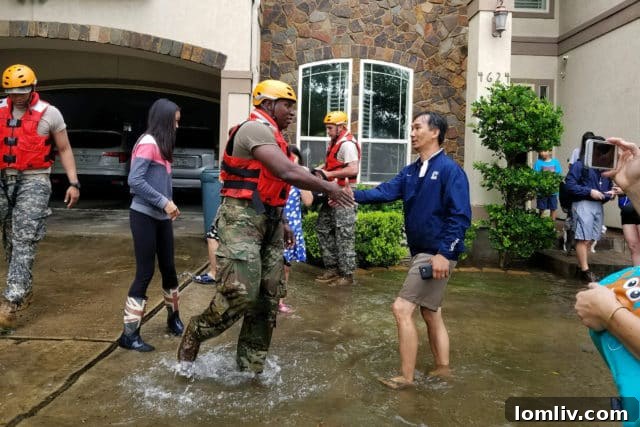
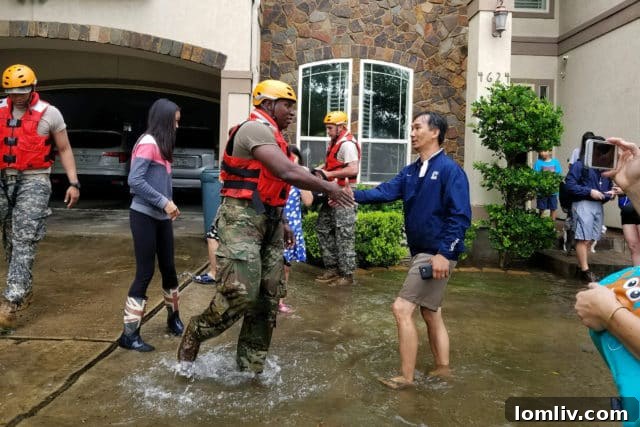
The genesis of Texas’s statewide flood plan lies in the harsh lessons learned from Hurricane Harvey in 2017, a storm that caused unprecedented rainfall and billions in damages. In its wake, the Texas Legislature passed Senate Bill 8 in 2019, fundamentally reshaping the state’s approach to flood planning and mitigation. This landmark legislation tasked the TWDB with developing the first-ever comprehensive statewide flood plan, a crucial step towards proactive rather than reactive disaster management.
The development of this statewide blueprint is a testament to collaborative governance. It is built upon the foundation of 15 regional flood plans, each meticulously crafted around one of the state’s major watersheds. This decentralized approach ensures that local environmental conditions, unique community needs, and specific flood risks are thoroughly addressed and integrated into the broader state strategy. TWDB Chair Brooke Paup emphasized the profound significance of this undertaking during the board’s approval of these regional plans, hailing it as a “really big deal” that would “truly go so far to save lives and people’s homes.” The aggregation of these regional insights into a cohesive statewide plan aims to create a unified vision for a more flood-resilient Texas, enabling prioritized investment and coordinated action.
The Intensifying Threat: Climate Change and Population Growth
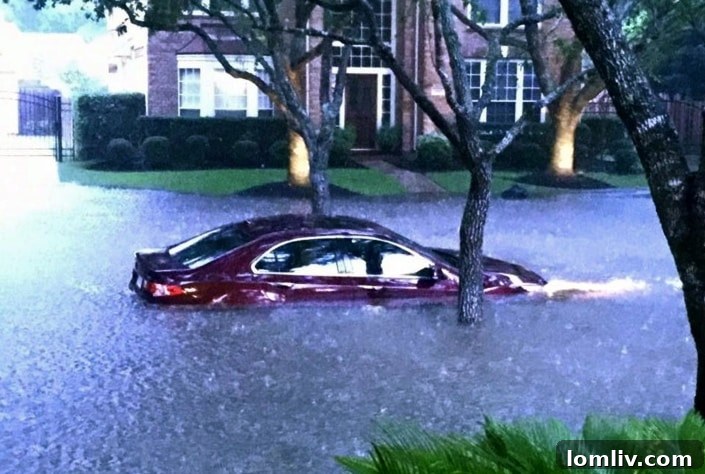
The increasing flood risks in Texas are inextricably linked to the global phenomenon of climate change. Scientific consensus, echoed by the Texas state climatologist and national climate assessments, confirms that rising global temperatures amplify the amount of moisture the atmosphere can hold. This leads directly to a heightened risk of extreme rainfall events, transforming ordinary weather patterns into potential flood disasters. A seminal study on Hurricane Harvey, for instance, concluded that heavier precipitation linked to climate change likely intensified the storm’s total rainfall by an astonishing 19 percent. This contributed to areas of Houston receiving nearly 50 inches of rain – an amount unparalleled in a single storm for any location in the continental U.S., illustrating the unprecedented nature of modern weather events.
Simultaneously, the warming planet is accelerating glacier melt and thermal expansion of ocean waters, leading to a relentless increase in global sea levels. Texas’s extensive coastline is not immune to this effect. Between 2000 and 2019, rising sea levels contributed to an average annual coastline retreat of approximately 4 feet, as detailed in a 2021 report by the University of Texas Bureau of Economic Geology for the Texas General Land Office. This erosion not only threatens coastal infrastructure and ecosystems but also significantly exacerbates the vulnerability of coastal communities to storm surges from hurricanes and tropical storms. The combination of more intense rainfall inland and rising, eroding coastlines creates a compounding risk that demands innovative and robust protective measures.
Adding to these environmental factors is Texas’s burgeoning population. Rapid urbanization often leads to increased impervious surfaces like roads and buildings, which prevent natural absorption of rainwater, thereby accelerating runoff and intensifying flash flooding in developed areas. This demographic growth also places more people and property in harm’s way, increasing the potential for human and economic loss during flood events. Addressing Texas’s flood challenge requires a holistic strategy that accounts for both the changing climate and the growing human footprint.
Overcoming Data Gaps: A Comprehensive Mapping Initiative
Effective flood prevention hinges on accurate data, yet Texas, like many states, has historically contended with significant limitations in its flood mapping capabilities. While the Federal Emergency Management Agency (FEMA) is responsible for defining floodplains and producing flood insurance rate maps (FIRMs), their coverage is not exhaustive. Moreover, FEMA maps have long faced criticism for being outdated, incomplete, and frequently underestimating the true scope of flood risk. They often do not account for future climate change impacts, localized flash flooding in urban areas, or the complex interplay of various flood sources.
Recognizing these deficiencies, Reem Zoun, TWDB’s director of flood planning, emphasized the agency’s critical first step: precisely identifying the most vulnerable areas. The TWDB’s innovative approach leveraged existing flood data as a baseline, allowing regions to supplement this information with their own local flood hazard maps and invaluable insights from experienced water managers. For regions with sparse or non-existent data, the TWDB strategically partnered with Fathom, a contracted flood risk modeling data company, to fill crucial gaps using advanced hydrological modeling techniques. This multi-pronged data collection strategy has been instrumental in creating a more comprehensive and accurate picture of flood risk across the state.
The scale of the data challenge was immense. A striking revelation from the TWDB indicated that 63 of Texas’s 254 counties had virtually no existing flood hazard information prior to this planning effort. This lack of baseline data represented a significant hurdle for effective regional planning and informed decision-making. In specific regions, the mapping deficiencies were particularly acute. James Bronikowski, TWDB’s manager for regional flood planning, highlighted examples such as the Canadian-Upper Red region, encompassing much of the Panhandle and Wichita Falls, where hardly any flood maps existed. Similarly, in the Lower Red-Sulphur-Cypress region in the state’s northeast corner, a staggering 98 percent of the existing flood mapping was deemed inadequate. These profound data gaps underscore the necessity and ambition of the TWDB’s mapping initiative, which aims to provide a reliable foundation for all future flood mitigation efforts.
Investing in the Future: Projects, Funding, and the Path Forward
Protecting Texas’s communities and critical infrastructure from the escalating threat of floods is an monumental undertaking that will require substantial investment. Preliminary estimates for the first wave of projects proposed within the statewide flood plan total an estimated $38 billion. This vast sum reflects the scale of the challenge and the ambition of the proposed solutions, which are expected to include a diverse array of interventions such as the construction of new reservoirs, the enhancement of existing levees and drainage systems, the implementation of nature-based solutions like wetlands restoration, and the elevation or acquisition of at-risk properties.
A significant component of this funding is earmarked for the massive coastal barrier proposal, famously including the “Ike Dike.” This colossal gate system, envisioned for the mouth of Galveston Bay, represents a monumental engineering feat designed to protect Houston and Galveston from devastating hurricane storm surges. The project’s inclusion underscores the state’s commitment to safeguarding its vital coastal regions, which are economic powerhouses and home to millions of Texans.
The TWDB plays a crucial role not only in planning but also in financing these critical projects. Often functioning as a water infrastructure bank, the agency intends to facilitate the construction of flood prevention projects through a combination of low-cost loans and grants. While the estimated costs of these projects far exceed current dedicated funds, the state has begun to make significant allocations. During the 2023 legislative session, lawmakers allocated $625 million to finance flood prevention projects through the newly established Flood Infrastructure Fund. Access to these funds will be contingent upon projects being formally included in the finalized statewide flood plan, thereby incentivizing adherence to the comprehensive strategy. An additional $550 million from the state surplus was specifically earmarked for the coastal barrier project, including the Ike Dike, demonstrating a clear commitment to this cornerstone initiative.
The economic implications of not investing in flood prevention are stark. Repeated flood events lead to billions in property damage, increased insurance premiums for residents and businesses, disruptions to supply chains, and significant long-term economic instability. Proactive investment in resilient infrastructure is not merely a cost but an essential economic safeguard, protecting assets and ensuring the continued prosperity of Texas.
Regional Hotspots and Unique Challenges
While the threat of flooding is statewide, certain regions bear a disproportionately higher burden. The San Jacinto region, which encompasses densely populated Harris County and Galveston, stands out with the highest number of residents living within a floodplain. Nearly 2.5 million people in this region are exposed to either 100-year or 500-year flood risks. This vulnerability is exacerbated by intense urbanization, low-lying coastal terrain, and a history of severe hurricane impacts, making it a critical focus for mitigation efforts.
Following closely, the Lower Rio Grande region, stretching across much of Texas’s southern border and including the vibrant Rio Grande Valley, faces significant challenges with approximately 1 million people at risk. This region contends with unique issues such as cross-border hydrology, high poverty rates that limit community resilience, and a history of inadequate infrastructure, demanding tailored solutions that consider its specific socio-economic and environmental context.
Furthermore, regions like the Canadian-Upper Red and Lower Red-Sulphur-Cypress highlight the profound impact of historical data deficiencies. The near absence or inadequacy of flood maps in these areas meant that residents and local officials had an incomplete understanding of their true flood exposure. The TWDB’s efforts to fill these critical mapping gaps are not just technical exercises; they are vital steps towards empowering communities with the knowledge needed to plan, build, and adapt more safely, transforming previously invisible risks into actionable data points.
Conclusion: Building a More Resilient Texas for Generations to Come
Texas stands at a pivotal juncture, grappling with a flood crisis intensified by climate change and rapid population growth. The creation of the state’s first-ever statewide flood plan by the Texas Water Development Board is a monumental undertaking, representing a proactive and coordinated effort to protect nearly 6 million Texans and safeguard billions of dollars in property and infrastructure.
This comprehensive initiative, driven by lessons from past disasters like Hurricane Harvey, involves unprecedented data collection, advanced flood modeling, and the integration of local and regional insights. While the estimated cost of proposed projects, including transformative endeavors like the Ike Dike, runs into the tens of billions of dollars, the investment is not just financial; it’s an investment in the safety, stability, and future resilience of the Lone Star State. As TWDB Chair Brooke Paup aptly stated, this program will “truly go so far to save lives and people’s homes.” The path forward requires sustained commitment, innovative solutions, and continued collaboration across all levels of government and community to build a truly flood-resilient Texas for generations to come.
Disclosure: The Texas General Land Office has been a financial supporter of The Texas Tribune, a nonprofit, nonpartisan news organization that is funded in part by donations from members, foundations and corporate sponsors. Financial supporters play no role in the Tribune’s journalism. Find a complete list of them here.
This article originally appeared in The Texas Tribune at https://www.texastribune.org/2023/07/28/texas-floodplain-water-development-board-flood-plan/.