At Daltxrealestate.com, we understand that a home is often the most significant investment one makes. Protecting that investment begins with a thorough understanding of its condition, both visible and hidden. That’s why we’ve partnered with the meticulous experts at Green Scene Home Inspections. Each week, through our popular “Upon Closer Inspection” series, these seasoned professionals offer invaluable insights into the intricacies of home assessment, empowering our readers with knowledge that can prevent costly surprises and ensure peace of mind. Join us as we explore the subtle signs and significant issues that only a trained eye can truly discern.
Welcome back to another exciting edition of “What’s Wrong With This Picture,” our weekly challenge designed to sharpen your observational skills and deepen your understanding of common household issues. This is our fourth installment in a series dedicated to revealing the often-overlooked problems that a professional home inspector is trained to spot. If you missed our previous challenges and want to hone your detection abilities, you can review them here, here, and here. While some home issues are glaringly obvious, others require a keen, experienced perspective. Can you identify the critical flaws hidden within the following images?
**The Mystery of the Misted Patio: Uncovering Underground Sprinkler Leaks**
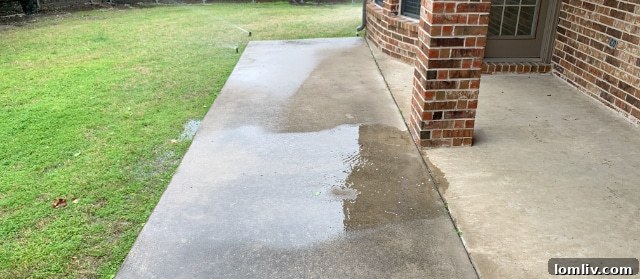
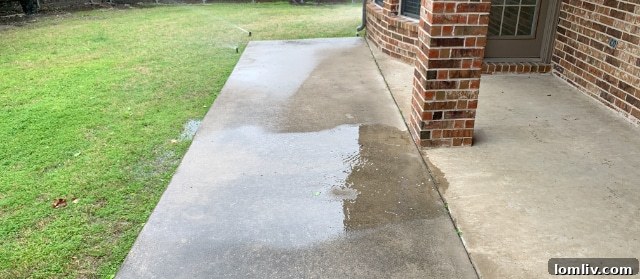
In our first investigative snapshot, we observe a peculiar scene: the sprinklers are actively watering, yet a significant pool of water is accumulating on the adjacent patio. If your expert guess pointed towards an underground leak in the sprinkler line, you are absolutely correct! This scenario clearly indicates a break in the subsurface plumbing. The water seeping visibly through the seam in the concrete slab is a tell-tale sign of a compromised line beneath the surface. This isn’t merely a cosmetic issue; an active underground leak can lead to several severe problems for homeowners.
An undetected sprinkler leak can result in significant water waste, driving up utility bills unnecessarily. More critically, persistent water saturation beneath a concrete slab or near the foundation can cause soil erosion, leading to uneven settlement and potential structural damage to the property’s foundation. Over time, this can manifest as cracks in walls, uneven floors, and even compromise the overall integrity of the home. Furthermore, constant moisture creates an ideal environment for mold growth and can attract pests, adding to the list of potential issues. Repairing such a leak often requires the homeowner to meticulously locate the exact point of the break, which frequently means excavating portions of the concrete slab or landscaping, a laborious and potentially costly undertaking.
Home inspectors employ various techniques to identify such elusive leaks. Beyond visible water pooling, they might check water meter readings when no water is supposedly being used, listen for unusual sounds, or even use specialized moisture detection equipment. Early detection is paramount. Regular inspection of your irrigation system, checking for unusually lush or soggy spots in your lawn, and monitoring your water bill for unexplained spikes are proactive steps homeowners can take to prevent a small leak from becoming a major structural headache. Addressing these issues promptly is essential not only for conserving water but, more importantly, for safeguarding the long-term health and value of your property.
**Beyond the Comfort Zone: Decoding Extreme HVAC Vent Temperatures**
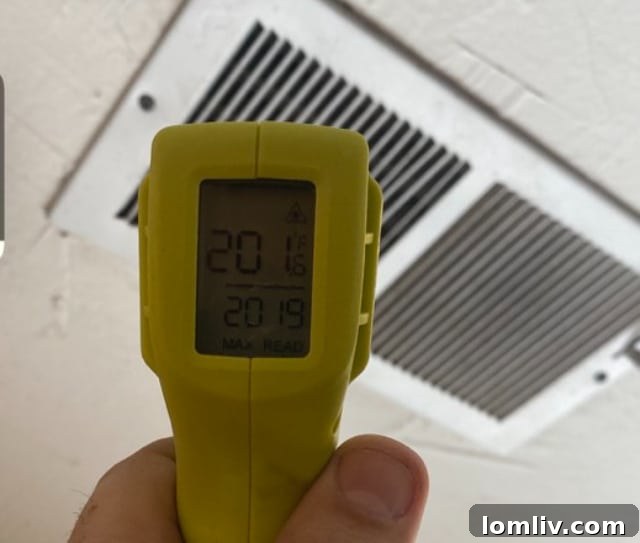
Our next image presents a critical finding from an HVAC system inspection: a shocking temperature reading of 201 degrees Fahrenheit emanating from a register. To put it simply, that’s dangerously hot and indicates a significant malfunction within the heating system. During a comprehensive home inspection, one of the crucial tasks is to evaluate the functionality of the home’s heating, ventilation, and air conditioning (HVAC) systems. This involves operating both the heating and cooling functions and meticulously measuring the temperature of the air discharging from the supply vents. A healthy and properly functioning heating system typically produces air within a temperature range of 90 to 130 degrees Fahrenheit.
A reading of 201 degrees suggests a severe problem, potentially stemming from restricted airflow. When airflow is significantly reduced or completely cut off to certain areas, the heating element continues to generate heat, causing temperatures in the restricted ducts and registers to soar. Common culprits include severely clogged air filters, closed or blocked supply vents, obstructions within the ductwork, or a malfunctioning blower motor that isn’t moving air effectively. In some cases, a faulty heat exchanger could also contribute to overheating, posing a serious safety risk, including the potential for carbon monoxide leaks or even fire hazards if the furnace components overheat excessively.
An efficient HVAC system is vital for maintaining a comfortable indoor environment and ensuring energy efficiency. When a system operates under such extreme conditions, it not only wastes energy but also puts immense strain on the components, leading to premature wear and potential system failure. A professional home inspector will not only flag such high temperatures but also investigate the underlying causes. Repairs might range from simple filter replacement and duct clearing to more complex interventions like repairing or replacing sections of ductwork, servicing the blower motor, or addressing issues with the heat exchanger. Regular HVAC maintenance, including annual professional servicing and routine filter changes, is essential for preventing such critical issues and extending the lifespan of your system.
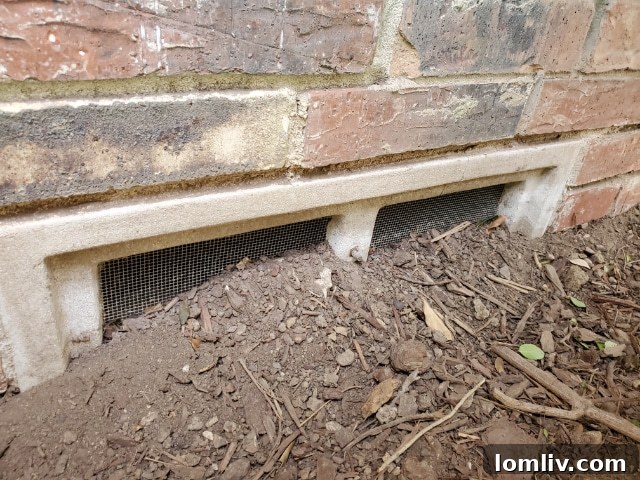
**The Overlooked Underbelly: Why Obstructed Crawl Space Vents Spell Trouble**
Take a close look at this image. Can you discern why this seemingly minor detail could pose a significant threat to your home’s health? The photograph reveals crawl space vents that are visibly obstructed by accumulated dirt and debris. This seemingly innocuous blockage is a critical oversight, as it severely restricts the vital airflow intended for the crawl space beneath your home. The importance of proper crawl space ventilation cannot be overstated; it serves as a critical defense against a host of potential problems.
Without adequate airflow, a crawl space becomes a stagnant, humid environment. This buildup of moisture creates ideal conditions for several destructive issues. Firstly, it makes the area highly conducive to the growth of mold and mildew, which not only deteriorates building materials but can also negatively impact indoor air quality, potentially leading to respiratory issues for occupants. Secondly, excessive moisture contributes directly to wood rot, compromising the structural integrity of floor joists, subflooring, and other wooden elements of your home. Over time, this can lead to costly structural repairs. Lastly, a damp, dark crawl space is an open invitation for various pests, including termites, rodents, and other insects, which thrive in such conditions and can cause extensive damage to your property.
During a home inspection, professionals meticulously examine crawl spaces for signs of inadequate ventilation, moisture intrusion, and pest activity. They look for clear vent openings, proper drainage, and the presence of vapor barriers. Remedying obstructed vents typically involves clearing the blockages, ensuring all vents are open and functional, and potentially improving site drainage around the foundation to prevent water from pooling near the crawl space. In some cases, a comprehensive solution might involve installing vapor barriers, dehumidifiers, or even encapsulating the crawl space to completely control moisture levels. Proactive maintenance and professional intervention are crucial to ensure your crawl space remains dry, well-ventilated, and free from destructive forces, protecting your home from the ground up.
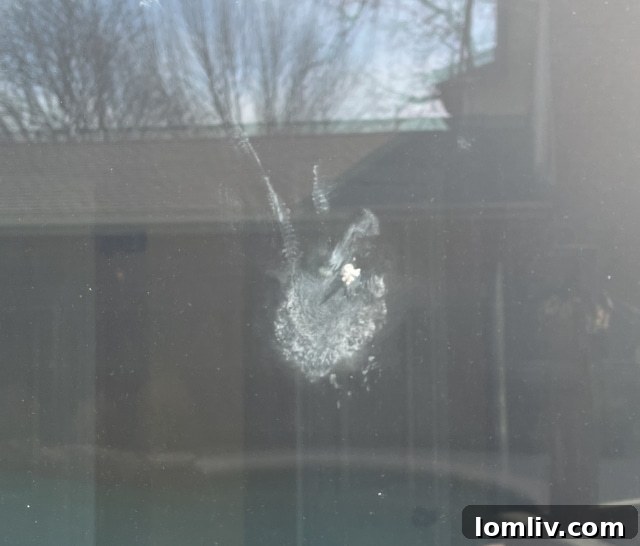
**A Clear Danger: Understanding and Preventing Bird Window Strikes**
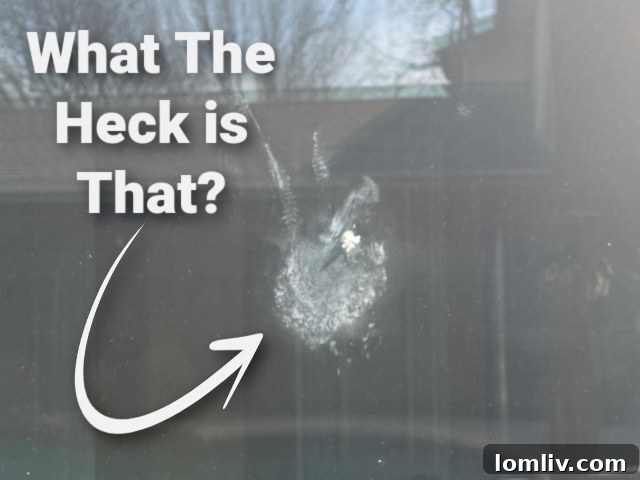
The final image captures a somber reality: a bird, sadly, has collided with a window. This tragic yet common occurrence, often observed by homeowners, highlights a specific challenge in property design and maintenance. While not a structural defect in the traditional sense of a home inspection, repeated bird strikes indicate an environmental interaction problem that property owners should address. You may have experienced this strange phenomenon where birds fly directly into your windows, sometimes repeatedly, leading to injury or worse for these creatures. But do you know what causes it?
The primary reasons for bird window strikes revolve around visual misperception. Often, birds perceive their own reflection in the glass as a rival bird intruding on their territory, prompting them to attack. Alternatively, windows can reflect surrounding vegetation or the open sky, creating an illusion of a clear flight path through what is, in reality, a solid barrier. Transparent glass can also be deceptive, as birds may see vegetation or an exit on the other side and attempt to fly through the perceived open space. Bird collisions are a significant cause of avian mortality, making it a concern for wildlife conservationists and conscientious homeowners alike.
Fortunately, there are numerous effective and humane strategies you can implement to prevent bird window strikes if this is a recurring issue at your home. Simple solutions include applying vertical strips of tape or specialized decals to the exterior of the window. These visual markers break up the reflection and make the glass visible to birds. Installing exterior screens on windows is another highly effective method, as it creates a physical barrier that birds can see and feel, while also offering additional benefits like insect deterrence and reduced solar heat gain. Other options include applying adhesive window films that reduce reflectivity and can also contribute to lower cooling costs in warmer months, or even external shading elements like awnings. Positioning bird feeders either very close (within 3 feet) or far away (more than 30 feet) from windows can also help, as close proximity allows birds to slow down before impact, and greater distance reduces the chance of confusion. By implementing these preventative measures, homeowners can create a safer environment for local wildlife and contribute to conservation efforts.