Embracing the Future: Stylish Home Renovations for Aging-in-Place
The dream of remaining in one’s own home, surrounded by familiar comforts and cherished memories, is a widespread aspiration for many as they grow older. This concept, widely known as ‘aging-in-place,’ represents a desire for independence and stability that resonates deeply with individuals across generations, particularly the Baby Boomer demographic. However, despite this strong inclination, a significant disconnect often exists between this profound desire and the proactive steps taken to make it a reality. A recent survey conducted by the Global Social Enterprise Initiative at Georgetown University’s McDonough School of Business highlighted this very gap. Polling 1,000 individuals between the ages of 50 and 80, the study revealed that a staggering 96 percent of respondents expressed a wish to maintain their independence as they age, with 91 percent specifically wanting to stay in their current homes. Yet, the data also presented a sobering statistic: only about one in five had any concrete plans to remodel their homes or integrate technology to support their long-term needs. This disparity underscores a crucial challenge: how to bridge the gap between intent and action, transforming the aging-in-place dream into an achievable blueprint for comfortable and secure living.
Bruce Graf, a highly respected nationwide renovation consultant boasting over 32 years of experience and a Baby Boomer himself, observes these survey results with a mixture of amusement and concern. Graf is a Certified Aging-in-Place Specialist (CAPS), a designation that signifies his expertise in designing and building environments that are safe, accessible, and comfortable for people of all ages and abilities. His extensive career has provided him with a unique vantage point on the priorities and hesitations of homeowners approaching their later years.
“It’s truly intriguing how people prioritize their investments,” Graf remarks, shaking his head slightly. “Consider this: many will readily spend $50,000 or more on a new car. This is an asset with a relatively short lifespan, one that begins to depreciate the very moment it’s driven off the dealership lot. It’s an expense that provides temporary convenience and perhaps a fleeting sense of luxury. However, when it comes to their home – the very place where they could comfortably spend the next two, three, or even four decades – they often hesitate to invest a similar amount. This is a place that, unlike a car, typically appreciates significantly in value over time, while simultaneously serving as the foundation for their comfort, safety, and independence.” Graf’s analogy powerfully highlights the often-overlooked long-term value and personal return on investment that home modifications for aging-in-place can offer, distinguishing them as a wise, forward-thinking financial and lifestyle decision.
The Aging-in-Place Imperative: Bridging the Gap Between Desire and Reality
The statistics from the Georgetown University survey paint a vivid picture of a generation at a crossroads. The overwhelming desire for independence and to remain in one’s cherished home is not just a preference; for many, it’s a fundamental aspect of their quality of life. The thought of leaving a familiar neighborhood, a well-loved garden, or the intricate web of community connections built over decades can be daunting. Yet, the stark reality is that without proper planning and home modifications, aging can bring challenges that make staying put difficult, if not impossible. Mobility issues, decreased vision, and increased risk of falls can transform a once-comfortable home into a hazardous environment.
Graf’s perspective on the car versus home investment isn’t merely an observation about spending habits; it’s a profound commentary on foresight and value perception. Investing in a home to facilitate aging-in-place isn’t simply about adding features; it’s about safeguarding one’s future, enhancing daily comfort, and preserving independence. These renovations are not just expenditures; they are investments in a lifestyle that allows individuals to maintain control over their environment and their daily routines for many years to come. In contrast to the diminishing value of a car, well-executed home improvements for accessibility and safety can add tangible equity while simultaneously providing immeasurable personal benefits.
Key Home Modifications for Safe, Accessible, and Stylish Living
Aging-in-place doesn’t mean sacrificing aesthetics for functionality. Bruce Graf and other CAPS-certified professionals are champions of universal design principles, demonstrating that home modifications can be seamlessly integrated into existing décor, enhancing both usability and visual appeal. These thoughtful updates contribute to a home that is welcoming and functional for everyone, regardless of age or ability, and they add lasting value.
Curbless Showers: A Foundation for Bathroom Safety and Elegance
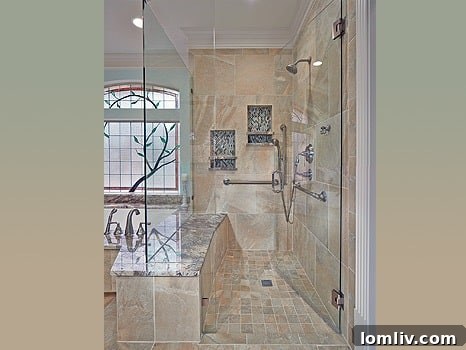
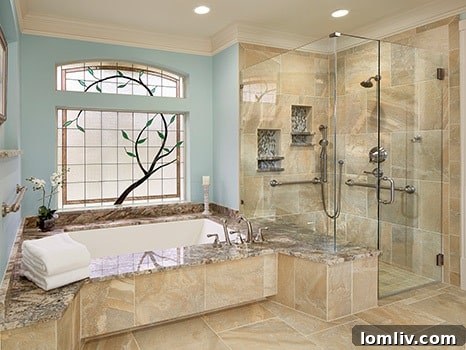
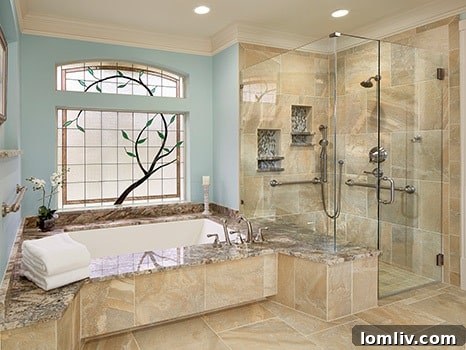
One of the earliest and most requested modifications Graf noted among his Baby Boomer clients was the implementation of curbless showers. This seemingly subtle change has a dramatic impact on bathroom safety and accessibility. Traditional showers often feature a curb or step that must be navigated, posing a significant tripping hazard, especially for individuals with limited mobility or those who use a walker or wheelchair. A curbless design eliminates this barrier, creating a seamless entry and exit point that is both safer and more inclusive.
“A curbless shower is a simple yet profoundly impactful change that can keep you safe in your own bathroom,” Graf explains. Beyond mere access, thoughtful design enhances the user experience. “We often mount the shower controls on one wall, while the actual showerhead is positioned on the opposite wall. This allows you to turn on the water and let it reach a comfortable temperature before you even step under it, preventing any sudden shocks from cold water and enhancing overall safety.” Furthermore, these showers can be designed with features like built-in benches, grab bars (discreetly integrated into the design), and handheld showerheads, making personal hygiene easier and more comfortable. Aesthetically, curbless showers contribute to a more open, spacious, and modern bathroom feel, proving that safety doesn’t have to compromise style.
Kitchen Accessibility: Enhancing Functionality and Independence
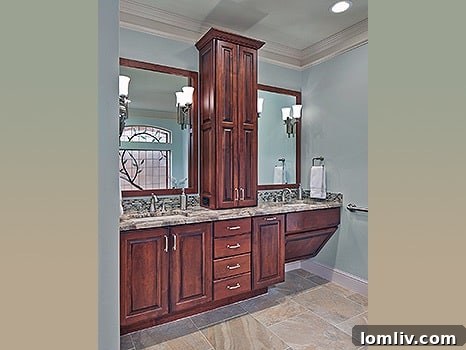
As Baby Boomers transition into caregiving roles, or simply begin to anticipate their own evolving needs, the kitchen often becomes a focal point for accessibility upgrades. Graf notes a growing demand for raised cabinets in the kitchen. This modification is critical for creating a home that is wheelchair-compatible, allowing individuals to comfortably navigate and utilize kitchen spaces. Beyond wheelchair users, raised cabinets also benefit those with limited bending ability or back issues, making items easier to reach without excessive strain.
But kitchen accessibility extends beyond just cabinet height. Modern aging-in-place kitchen designs often incorporate a range of smart features: pull-out shelves and drawers reduce the need to bend and reach into deep cabinets; varied counter heights can accommodate both standing and seated users; lever-style faucet handles are easier to operate than knob handles; and roll-under sinks allow for wheelchair access. Induction cooktops, with their instant heat control and cooler surfaces, add another layer of safety. The goal is to create a highly functional kitchen that promotes independence, minimizes physical exertion, and remains a hub for culinary creativity and social interaction.
Illuminating Your Home: The Power of Thoughtful Lighting Design
One of the simplest yet most effective ways to enhance safety and comfort in any home is through superior lighting design. Bruce Graf is a staunch advocate for this, understanding that increased visibility directly translates to a reduced risk of slips, trips, and falls – a common concern for older adults. As eyes age, they require more light to perceive objects clearly and adapt to changes in illumination.
“I’ve observed a significant uptick in requests for sophisticated lighting controls,” Graf notes. “This includes smart switches, dimmers, and motion sensors.” These technologies offer numerous benefits: dimmers allow users to adjust light levels to suit specific tasks and times of day, reducing glare and eye strain; motion sensors automatically illuminate pathways, such as hallways, bathrooms, or staircases, preventing fumbling in the dark and conserving energy. Beyond these, a comprehensive lighting plan should incorporate layers of light – ambient (general illumination), task (for specific activities like reading or cooking), and accent (to highlight features and add warmth). Strategic placement of overhead lights, under-cabinet lighting, and glare-free fixtures can transform a home, making it brighter, safer, and more inviting.
Smart Home Technology for Modern Aging and Work-from-Home Lifestyles
The integration of smart home technology has moved beyond novelty to become a practical component of aging-in-place solutions. While smart switches, dimmers, and motion sensors are excellent starting points, the scope of beneficial technology is much broader. Voice-activated assistants can control lights, thermostats, entertainment systems, and even communicate with loved ones, all without needing to physically interact with devices. Smart thermostats learn preferences and manage energy consumption, ensuring comfort and cost savings. Smart door locks and video doorbells enhance security, allowing residents to see and speak to visitors remotely.
Graf also highlights a contemporary trend driven by the evolving work landscape for Baby Boomers. “There’s a steady stream of demand right now for creating tech-friendly workspaces,” he observes. Many Baby Boomers are transitioning from traditional employment to contract work or entrepreneurial ventures, often from the comfort of their homes. This necessitates a home environment that supports productivity and connectivity. Integrating robust Wi-Fi, ample power outlets, ergonomic workstations, and smart lighting that can adapt for video calls or focused work periods are becoming essential. These tech-enabled home offices ensure that individuals can continue to contribute, learn, and earn, seamlessly blending their professional lives with their desire to age-in-place.
The Philosophy of Aging-in-Place: Investing in Your Future and Well-being
The concept of investing $50,000 or more in home renovations for aging-in-place might initially seem substantial to some. However, when viewed through the lens of long-term care costs, potential medical expenses from preventable accidents, and the immeasurable value of continued independence and comfort, it represents a prudent and often more economical choice. The alternative, as humorously (but pointedly) suggested by the AARP, might be an “in-home robot caregiver” – a future that, while technologically advanced, might lack the human touch and familiar warmth of a well-adapted home.
Bruce Graf consistently emphasizes that aging-in-place does not equate to a clinical or institutional aesthetic. Rather, it’s about crafting spaces that are inherently stylish, comfortable, and functional for all ages and abilities. It’s about universal design – creating environments that are usable by the widest possible range of people, regardless of their age, size, or ability. This philosophy ensures that your home remains a source of pride and joy, rather than a place of increasing challenge. The long-term benefits extend beyond mere safety; they encompass psychological well-being, sustained social connections, and financial stability, avoiding the significant costs associated with assisted living facilities or nursing homes.
Taking the Next Step: Planning Your Renovation for a Secure Future
The journey towards successful aging-in-place begins with proactive planning and informed decision-making. Waiting until a crisis occurs to consider home modifications often leads to rushed, less effective, and more expensive solutions. Instead, a thoughtful, phased approach, ideally guided by a Certified Aging-in-Place Specialist like Bruce Graf, allows homeowners to strategically implement changes that align with their evolving needs and financial capabilities.
For those eager to learn more and receive direct insights from an industry leader, Bruce Graf will be sharing his extensive knowledge and practical advice on June 2 at the Park Cities/North Dallas MetroTex Association of Realtors meeting. This presents an invaluable opportunity to gain deeper understanding into how to make aging-in-place not just a dream, but a well-executed plan for a secure, independent, and comfortable future in the home you love.
In conclusion, the widespread desire among Baby Boomers to age independently in their own homes is undeniable. However, realizing this aspiration requires more than just good intentions; it demands thoughtful planning and strategic investment in home modifications. From curbless showers and accessible kitchens to intelligent lighting and smart home technology, these renovations are not merely cosmetic upgrades. They are fundamental enhancements that promote safety, enhance comfort, and preserve independence, allowing individuals to enjoy their homes for decades to come. By embracing the principles of universal design and consulting with experts, homeowners can ensure their living spaces evolve with them, creating a harmonious and secure environment for a fulfilling future.