Dallas Housing Authority’s Oak Lawn Project: Navigating Development, Density, and Community Concerns
The Dallas Housing Authority (DHA) has long been a pivotal player in addressing the critical need for affordable housing across the city. However, its ambitious plans for the former Kings Road project site in Oak Lawn have ignited a significant debate, highlighting the complex balance between urban development, community needs, and neighborhood preservation. This proposed development, which involves a substantial rezoning and a dramatic increase in scale, has drawn both support for its mission to provide vital housing and strong opposition from local residents concerned about its impact on their cherished community.
At the heart of the discussion is a contentious rezoning proposal that seeks to transform the site into a much larger complex than its predecessor. While the DHA emphasizes the imperative to create more housing opportunities for low-income families, seniors, and individuals with disabilities in desirable areas like Oak Lawn, the proposed changes have raised red flags for many. Residents point to potential issues such such as increased population density, a significant reduction in available parking, and a possible exacerbation of existing security concerns within the neighborhood. The ensuing dialogue underscores a classic urban planning dilemma: how to integrate new, much-needed development without compromising the quality of life and character of established communities.
The Kings Road Site Transformation: A Glimpse into Dallas’ Urban Development Challenges
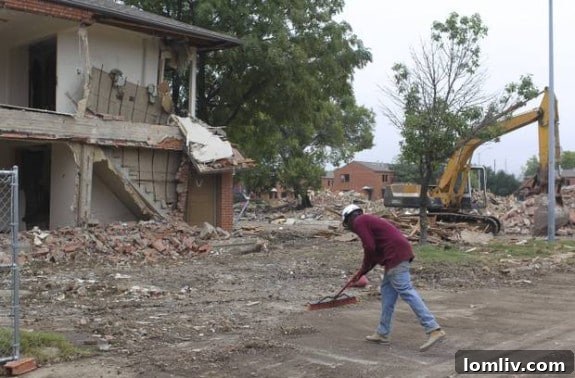
The Kings Road site, once home to an earlier housing authority project, is now slated for a massive redevelopment that has profoundly impacted the Oak Lawn community. The Dallas Housing Authority’s vision for this site is grand, intending to double the project’s size and bring a significant influx of new residents to an already vibrant, yet densely populated, area. The proposed rezoning application is not merely a formality; it represents a fundamental shift in the site’s zoning parameters, allowing for a much higher density and building height than previously permitted. Such changes inevitably trigger concerns among those living nearby, who are accustomed to a certain level of infrastructure capacity and neighborhood rhythm.
One of the primary points of contention revolves around the sheer scale of the proposed development. Doubling the project’s size implies a substantial increase in the number of residential units, which naturally leads to questions about the existing infrastructure’s ability to support such growth. Roads, public transportation, utility services, and local amenities all face increased strain with a sudden surge in population. Furthermore, the proposal’s intent to decrease the amount of parking available on the property has been met with considerable apprehension. In a city like Dallas, where vehicular transport remains dominant, insufficient parking can lead to overflow into residential streets, creating congestion, safety hazards, and significant inconvenience for current residents.
Beyond the logistical challenges, the potential impact on neighborhood security has also become a focal point of resistance. Reports of criminal activity, which were frequent at the previous Kings Road development, understandably fuel fears among existing homeowners that a larger, denser project might exacerbate these issues rather than alleviate them. The community’s desire for a safe and secure environment is paramount, and residents are seeking assurances that any new development will prioritize robust security measures and effective management to prevent a recurrence of past problems.
Community Mobilization: Mike Harper and RezoningDHA.com
In response to the growing concerns, community leaders and concerned residents have rallied to ensure their voices are heard. Mike Harper, a prominent figure in the local opposition, has been instrumental in organizing neighborhood efforts through his dedicated website, RezoningDHA.com. This platform serves as a vital hub for information, updates, and a rallying point for residents who wish to engage with the rezoning process and advocate for their interests. Harper’s initiative underscores the power of local activism and the importance of digital tools in modern community organizing.
Harper and his allies have actively sought to open a dialogue with the DHA, aiming to forge a “Good Neighbor Agreement.” This type of agreement is a common mechanism in urban development, designed to address issues that fall outside the direct scope of zoning regulations but are crucial for harmonious coexistence between a new development and its surrounding community. Such an agreement typically covers aspects like property management protocols, security measures, community engagement strategies, and mechanisms for addressing ongoing concerns. It represents a proactive approach to mitigating potential negative impacts and building trust between developers and residents.
Through their efforts, the community is not simply opposing development; they are seeking constructive modifications. Harper has articulated specific requests aimed at achieving a more balanced outcome. These include working with the DHA on relocating certain buildings on the property to better integrate with the existing streetscape and neighborhood flow, as well as a reduction in the overall number of units to alleviate concerns about density and infrastructure strain. While these discussions have been ongoing, Harper notes that a definitive response from the DHA on these particular requests has yet to be received, highlighting the slow and often challenging nature of such negotiations.
The Stakeholders’ Perspectives: DHA, Residents, and City Leadership
DHA’s Stance: Equitable Housing for All
The Dallas Housing Authority, under the leadership of CEO MaryAnn Russ, firmly believes in its mission to provide safe, affordable, and high-quality housing. Russ has articulated the DHA’s fundamental principle: “we believe that our customers and clients – low income families, seniors and individuals with disabilities – need and deserve to live in good neighborhoods just as higher income people do.” This statement underscores a critical social equity argument. The DHA posits that access to amenities, services, and opportunities found in well-established neighborhoods like Oak Lawn should not be exclusive to higher-income brackets. From this perspective, placing affordable housing in such areas is not just about providing shelter, but about fostering social mobility, integration, and improved quality of life for vulnerable populations.
The DHA’s strategic choice of the Oak Lawn area is likely driven by its desirability, access to public transport, employment centers, schools, and healthcare facilities. They see the Kings Road site as a unique opportunity to fulfill their mandate and address the persistent affordable housing crisis plaguing many major U.S. cities, including Dallas. Their emphasis on doubling the project’s size stems from the immense demand for such housing and the economic efficiencies associated with larger-scale developments.
Residents’ Concerns: Preserving Neighborhood Integrity
While acknowledging the noble intentions behind the DHA’s mission, nearby residents contend that the execution of this particular project raises serious concerns about the integrity and sustainability of their neighborhood. Their opposition is not simply NIMBYism (Not In My Backyard); it is rooted in tangible worries about their property values, quality of life, and the practical impacts of such a large-scale development without adequate infrastructure planning.
The core of residents’ apprehension lies in the proposed density and reduced parking, which they fear will lead to increased traffic congestion, noise pollution, and a diminished sense of community. The memory of past issues at the Kings Road site, particularly concerning security, weighs heavily on their minds. They seek a development that is thoughtfully integrated into the existing fabric of Oak Lawn, respecting its character and ensuring the safety and well-being of all who live there. For residents, compromise means finding a middle ground where affordable housing needs are met without overburdening local resources or jeopardizing neighborhood stability.
Councilman Medrano’s Role: Facilitating Dialogue
Amidst the escalating debate, City Councilmember Adam Medrano has emerged as a crucial mediator. Recognizing the legitimate concerns of his constituents, Councilmember Medrano has reportedly pledged to keep the lines of communication open between the Dallas Housing Authority and the property owners impacted by the development. His involvement is vital because local council members often serve as the bridge between city agencies, developers, and the communities they represent. By facilitating ongoing dialogue, Medrano aims to ensure that both sides have ample opportunity to express their views, propose solutions, and work towards a mutually agreeable outcome. His commitment to an open dialogue is a beacon of hope for residents seeking a fair and equitable resolution.
The Path Forward: Dialogue, Compromise, and Sustainable Development
The upcoming Feb. 6 hearing at Dallas City Hall, scheduled for 1:30 p.m., marks a critical juncture in this ongoing saga. This public forum provides an indispensable opportunity for nearby residents to formally articulate their concerns regarding the proposed density, location, and overall scope of the DHA project. Public hearings are fundamental to democratic governance and urban planning, allowing citizens to directly influence decisions that will profoundly affect their daily lives and the future of their neighborhoods. It is a chance for residents to present evidence, share personal testimonies, and demonstrate the collective strength of their community’s voice.
However, the hearing is merely one step in a longer process. True resolution will require an unwavering commitment to dialogue and a willingness to compromise from all parties involved. The DHA, while steadfast in its mission, must also demonstrate flexibility and responsiveness to legitimate community concerns. This might involve revisiting site plans, considering alternative designs, or dedicating more resources to robust management and security protocols. For residents, it means remaining engaged in constructive dialogue, articulating their specific concerns clearly, and being open to solutions that balance their needs with the broader imperative of addressing affordable housing.
Ultimately, the goal should be to achieve a model of sustainable urban development. This means creating a housing solution that not only meets the needs of its future residents but also enhances the surrounding community, rather than detracting from it. It requires careful consideration of infrastructure capacity, environmental impact, social integration, and long-term viability. A successful outcome would be one where the Oak Lawn community can welcome new residents with confidence, knowing that the development has been planned with their safety, convenience, and quality of life in mind.
Conclusion: Building a Better Dallas Together
The Kings Road project in Oak Lawn serves as a powerful microcosm of the challenges and opportunities inherent in urban growth and the pursuit of equitable housing. It highlights the often-stark contrast between the macroscopic needs of a city grappling with housing shortages and the microscopic, deeply personal concerns of residents whose neighborhoods are directly impacted by large-scale development. The debate is not simply about bricks and mortar; it is about community character, social justice, public safety, and the very definition of a “good neighborhood.”
As the Feb. 6 hearing approaches, the hope is that all stakeholders—the Dallas Housing Authority, the engaged residents led by Mike Harper, and the mediating figure of Councilmember Adam Medrano—can collectively find a path forward. A compromise that respects both the urgent need for affordable housing and the legitimate concerns of an existing community is not just desirable; it is essential for the healthy, sustainable growth of Dallas. It requires empathy, foresight, and a shared commitment to building a city where everyone can thrive, living in dignity and safety. Here’s hoping they can all meet in the middle for the good of the neighborhood and the betterment of Dallas as a whole.