

The dynamic North Texas real estate market continues to capture national attention with its unique blend of growth, affordability challenges, and strong economic indicators. This week’s comprehensive real estate roundup delves into the latest trends affecting renters, buyers, and investors across the Dallas-Fort Worth Metroplex and its surrounding cities. We’ll explore the surprisingly stable rent prices in Dallas, highlight the North Texas cities dominating national rankings for real estate attractiveness, and examine the national picture of pending home sales as a bellwether for the broader market.
Understanding these shifts is crucial for anyone navigating the vibrant DFW property landscape. From fluctuating rental rates to booming housing markets in suburban hubs, the insights provided here offer a clearer picture of where the market stands and where it might be headed.
Dallas Rental Market Analysis: August Stability and Year-Over-Year Growth
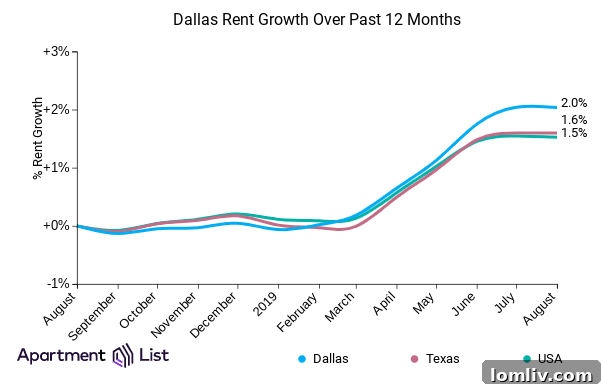
Dallas’s rental market experienced a period of relative stability in August, with median rents remaining largely flat compared to the previous month. This finding comes from ApartmentList’s comprehensive September rent report, which offers critical insights into the city’s housing affordability. Despite this recent flatness, the long-term trend for Dallas rentals shows significant upward movement, with a robust 2 percent increase year-over-year. This growth rate positions Dallas above both the state and national averages for annual rent increases, which stand at 1.6 percent and 1.5 percent, respectively.
Currently, the median rent for a one-bedroom apartment in Dallas is approximately $912, while a two-bedroom unit commands around $1,134. These figures notably fall below the national median of $1,191, indicating that Dallas still offers a degree of relative affordability compared to many other major U.S. metropolitan areas. However, the persistent year-over-year growth suggests that this affordability advantage could gradually diminish if demand continues to outpace supply.
The stability observed in August might be a seasonal effect or a temporary pause in a market that has seen consistent upward pressure. Factors such as new apartment complex completions, changes in local employment figures, and the overall economic climate can all influence short-term rental fluctuations. Yet, the underlying strength of the Dallas economy, driven by corporate relocations and a growing population, continues to fuel demand for housing, supporting the positive long-term rent growth. This trend presents a dual challenge and opportunity: for renters, managing rising costs, and for investors, recognizing the potential for steady returns in a thriving urban center.
North Texas Rental Hotspots: McKinney Leads the Pack
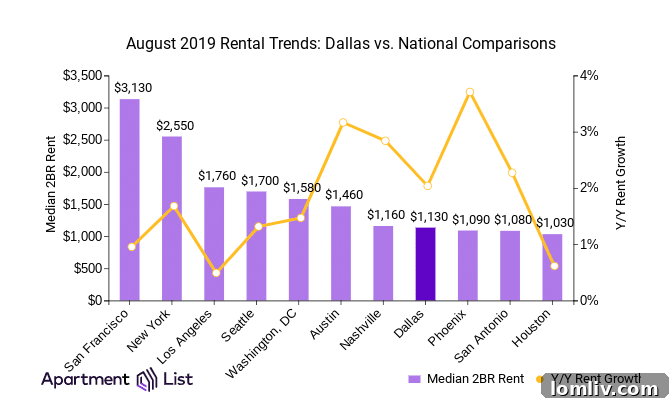
The trend of rising rents isn’t confined to Dallas alone; it’s a regional phenomenon across North Texas. McKinney, a rapidly growing suburb, exemplifies this upward trajectory with an impressive 3.1 percent year-over-year increase in rental costs. Renters in McKinney can expect to pay around $1,160 for a one-bedroom apartment and $1,442 for a two-bedroom, figures significantly higher than Dallas’s medians. This robust growth in McKinney reflects its increasing popularity, driven by excellent schools, family-friendly amenities, and a flourishing job market, all of which attract a steady influx of new residents.
Varied Rent Dynamics Across DFW Suburbs
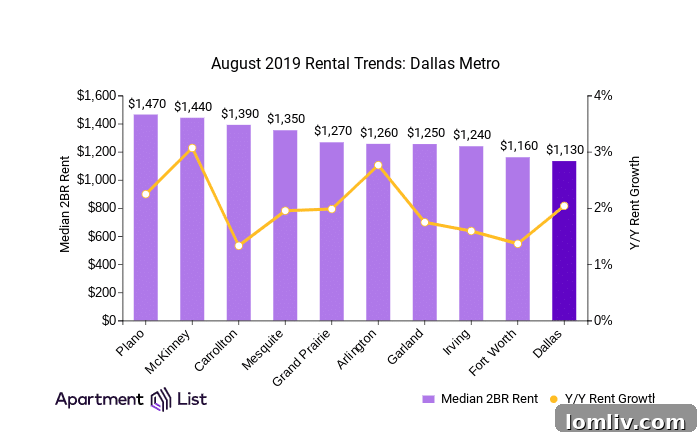
While many North Texas cities are experiencing rent hikes, not all areas follow the same pattern. Mesquite, for instance, saw a modest 0.6 percent decline in rents, indicating that localized market conditions can lead to diverse outcomes even within the same metropolitan area. Such declines could be attributed to a variety of factors, including increased local inventory, slower job growth in specific sectors, or demographic shifts.
Plano, another prominent DFW city known for its high quality of life and corporate presence, presents an interesting case study. Despite having some of the most expensive rental properties among the larger cities within the Dallas metropolitan statistical area (MSA), Plano’s rent growth has been more subdued recently. Over the past month, rents in Plano increased by only 0.3 percent, and over the past year, they saw a 2.2 percent rise. This slower pace of growth, compared to McKinney, might suggest a market that is reaching a saturation point in terms of rental prices or that new supply is beginning to catch up with demand.
These localized variations highlight the complex nature of the North Texas rental market, where individual city economies, housing stock, and development pipelines play crucial roles in shaping rental trends. For prospective renters, understanding these micro-market differences can be key to finding suitable and affordable housing. For investors, it underscores the importance of granular market research to identify areas with strong growth potential versus those facing increased competition or declining demand. The overall picture, however, points to North Texas as a region of sustained rental demand, with specific pockets showing exceptional vitality.
Source: Apartment List
North Texas Dominates National Rankings for Best Real Estate Markets
Source: WalletHub
In a resounding testament to its economic vigor and desirability, five North Texas cities have earned coveted spots among the top 10 most attractive real estate markets in the U.S., according to a recent WalletHub report. Furthermore, the broader Dallas-Fort Worth region solidified its dominance with a total of seven cities ranking within the top 25 nationally. This remarkable performance underscores the enduring appeal of North Texas for both homebuyers and real estate investors.
WalletHub’s latest report, “2019’s Best Real Estate Markets,” analyzed 300 cities across the nation using a comprehensive set of 23 key metrics. These metrics extend beyond simple home prices to encompass factors crucial for a healthy and sustainable real estate market, including median home price appreciation, the rate of home sales turnover, and robust job growth figures. By evaluating these diverse indicators, WalletHub provides a holistic view of market strength and potential.
Frisco, Denton, McKinney, Carrollton, and Allen: North Texas’s Real Estate Stars
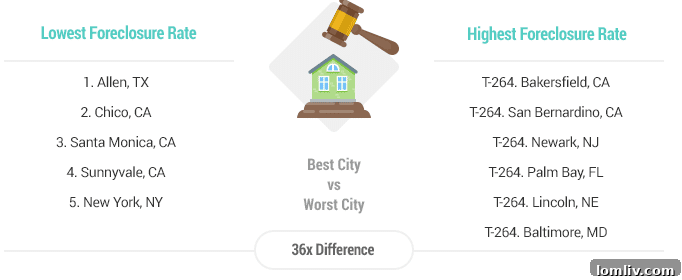
Taking the lead in this prestigious ranking were Frisco, Denton, McKinney, Carrollton, and Allen, all of which secured positions within the top 5 nationally. These cities have consistently been recognized for their exceptional quality of life, thriving economies, and strong community infrastructure. Frisco, for example, is renowned for its sports amenities, excellent school districts, and rapid commercial development, attracting a diverse range of residents and businesses. Denton offers a vibrant cultural scene alongside its growing job market and educational institutions. McKinney, as previously noted in the rental market analysis, is celebrated for its family-friendly environment and strong economic growth. Carrollton and Allen also boast strong local economies, top-rated schools, and abundant community services that make them highly desirable places to live and invest.
Adding to this impressive lineup, Fort Worth and Richardson also earned places within the top 25, further solidifying the region’s strong showing. Fort Worth’s rich history, cultural attractions, and expanding business sectors continue to draw new residents, while Richardson is a hub for technology and telecommunications, offering robust employment opportunities.
Factors Driving North Texas’s Real Estate Success
The consistent high ranking of North Texas cities is not accidental. It’s a reflection of several interwoven factors:
- Economic Dynamism: The DFW Metroplex is a magnet for corporate relocations and expansions, creating a continuous stream of new jobs and skilled workers. This strong employment market underpins housing demand.
- Population Growth: North Texas is one of the fastest-growing regions in the U.S., with a steady influx of residents seeking economic opportunities and a high quality of life.
- Affordability (Relative): While prices are rising, many North Texas cities still offer more accessible homeownership opportunities compared to coastal markets, making them attractive to families and first-time buyers.
- Quality of Life: Excellent public schools, well-maintained parks, diverse cultural amenities, and a strong sense of community contribute significantly to the appeal of these cities.
- Strategic Infrastructure: Ongoing investments in transportation networks and public services support continued growth and connectivity throughout the region.
For potential homebuyers, these rankings provide valuable guidance, highlighting areas with strong market fundamentals and potential for long-term property value appreciation. For investors, they signal robust demand and healthy market conditions conducive to real estate investments. The continued recognition of North Texas cities on a national stage underscores the region’s pivotal role in the U.S. housing market landscape.
Source: WalletHub
National Housing Market Update: Pending Home Sales Decline in July
The National Association of Realtors (NAR) delivered a significant update on the national housing market last week, reporting a notable decline in pending home sales for July. Contract activity, which serves as a leading indicator of future home sales, fell by 2.5 percent on a year-over-year basis. This downturn was broad-based, with all four major regions of the country—Northeast, Midwest, South, and West—experiencing a decrease in signed contracts.
Pending home sales measure the number of existing home contracts signed but not yet closed. A decline in this metric often foreshadows a slowdown in actual home sales in the coming months, typically 1 to 2 months later. The July data suggests that a combination of factors may be contributing to a cooling trend in the national housing market after a period of intense activity.
Factors Influencing the Decline
Several potential factors could be at play in this national dip:
- Interest Rate Fluctuations: Changes in mortgage interest rates can significantly impact buyer affordability and confidence. Even slight increases can price some buyers out of the market or cause them to pause their home search.
- Inventory Levels: While some markets might see an increase, a persistent lack of available homes for sale across the country can stifle transaction volume. Buyers simply have fewer options, leading to fewer contracts.
- Affordability Concerns: Escalating home prices in many areas have pushed affordability limits for a growing segment of the population, particularly first-time homebuyers.
- Buyer Fatigue: In highly competitive markets, some buyers may experience “fatigue” from bidding wars and rising prices, leading them to step back from their search.
- Economic Uncertainty: Broader economic concerns, even if minor, can make potential homebuyers more cautious about making large financial commitments.
Regional Impact and Future Outlook
The fact that all four major regions experienced a decline indicates that this trend is not isolated to specific local conditions but rather reflects broader national market dynamics. While the North Texas market has demonstrated remarkable resilience and growth, it is not entirely immune to national headwinds. A slowdown in pending sales nationally could eventually translate into a more balanced market locally, potentially offering some relief to buyers who have faced intense competition.
For prospective sellers, this national trend might signal the need for more strategic pricing and marketing, as the period of rapid-fire sales with multiple offers could be moderating. For buyers, it could open up opportunities, potentially leading to less aggressive bidding and more negotiating power in the coming months. Real estate experts will be closely watching subsequent months’ data for signs of whether this dip is a temporary blip or the beginning of a sustained shift in market conditions. The interplay between interest rates, inventory, and buyer sentiment will be critical in determining the trajectory of the housing market through the remainder of the year.
This comprehensive overview of the North Texas and national real estate markets provides a valuable snapshot for anyone involved in buying, selling, or renting properties. From the nuanced rental dynamics in Dallas and its suburbs to the exceptional growth of North Texas’s top housing markets and the broader implications of national pending home sales, understanding these trends is paramount for making informed decisions in today’s evolving real estate landscape.