The Shifting Landscape of New Home Sizes: Why Dallas Stands Apart from National Trends
Across the United States, a discernible trend points towards an increase in the average size of new single-family homes. A recent report from the National Association of Home Builders (NAHB) indicates that production builders are actively expanding square footage to meet the demands of buyers seeking more space. This shift is largely influenced by evolving lifestyle needs, particularly the lasting impact of the pandemic which has redefined the home’s role as a central hub for work, education, and leisure.
According to comprehensive Census numbers meticulously analyzed by NAHB, the median single-family square floor area has seen a significant rise of 9.3 percent since the levels observed during the Great Recession. Similarly, the average home’s floor area has expanded by 6.2 percent. These national statistics paint a clear picture of a market responding to a collective desire for larger living environments, often accommodating dedicated home offices, enhanced recreational areas, and flexible spaces for multi-generational living or hobbies.
However, while this upward trend in home size appears to be a national phenomenon, the vibrant and complex real estate landscape of Dallas, Texas, presents a strikingly different narrative. Experts on the ground in the Dallas-Fort Worth (DFW) Metroplex reveal a unique market dynamic where local trends are diverging from the broader national trajectory, challenging conventional expectations about housing growth and buyer preferences.
Dallas Bucks The National Trend in Home Sizes
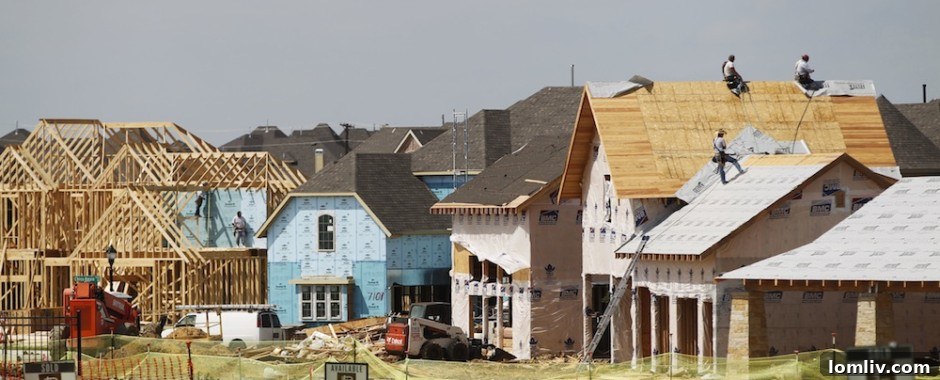
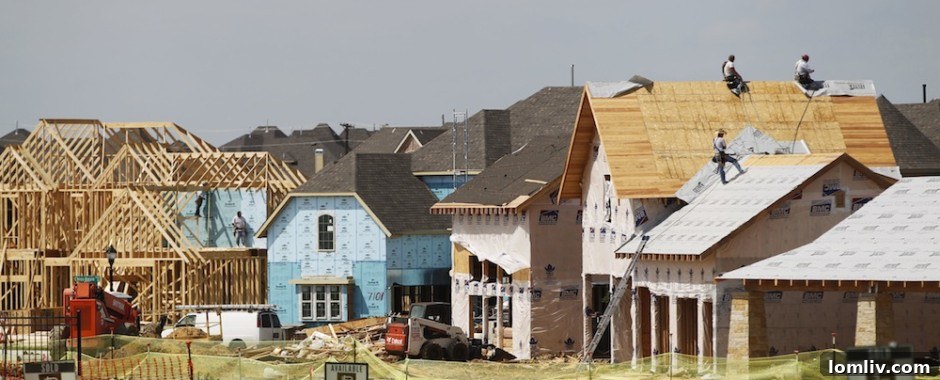
The Dallas-Fort Worth metropolitan area, renowned for its robust economy and rapid population growth, surprisingly stands as an outlier when it comes to the increasing size of new production homes. Data from housing starts spanning 2019, 2020, and 2021 clearly illustrate that production builders in DFW have maintained a relatively consistent approach to square footage. Far from expanding, the numbers generated by Zonda for the Dallas Builders Association, covering the crucial market period between 2019 and 2021, indicate that the average square footage of production homes has remained largely static over this three-year interval.
Further emphasizing this local anomaly, the minimum unit size in a new production development within Dallas has actually experienced a slight contraction, decreasing from 2,057 square feet in 2019 to 2,048 square feet in 2021. This subtle yet telling reduction underscores a market behavior that directly contrasts the national impetus for larger homes. Such data suggests that factors unique to the Dallas housing market are at play, influencing builder decisions and buyer affordability in distinct ways.
Phil Crone, the executive officer of the Dallas Builders Association, offers crucial insight into this perplexing divergence. “As far as why DFW is bucking the trend, I suspect it is because this market is so price-sensitive,” Crone explains. “Specifically, the social pressure from the pandemic towards larger homes has been significantly mitigated by the massive material price increases caused by the pandemic’s economic fallout.” This perspective highlights the intricate balance between consumer desires and the stark realities of construction costs in a highly competitive market like Dallas.
The Dallas-Fort Worth market, despite its attractiveness to businesses and new residents, faces intense pressure on housing affordability. Land costs are high, and property taxes are significant, making every square foot built a critical consideration for both builders and prospective homeowners. In such an environment, even marginal increases in material costs can translate into substantial hikes in the final sale price, forcing builders to optimize designs for efficiency rather than expansion. This delicate equilibrium between buyer demand for space and the hard costs of construction defines Dallas’s unique position in the national housing landscape.
The Soaring Cost of Construction: A Major Limiting Factor
The overall cost to construct a new home has surged dramatically since the onset of the global pandemic, profoundly impacting the calculations of production builders in Dallas and beyond. While there have been sporadic periods of relief concerning certain commodities, such as the widely publicized fluctuations in lumber prices, the broader spectrum of building materials has continued its relentless ascent, making home construction an increasingly expensive endeavor.
Danushka Nanayakkara-Skillington, NAHB’s assistant vice president of forecasting and analysis, sheds light on the scale of these increases. In a recent Q&A, she detailed the economic pressures faced by the industry: “Lumber prices have fallen, but overall building material prices have increased, up 22 percent during the past 12 months and up 19 percent year to date (including energy).” This staggering increase in material costs encompasses a vast array of components essential for homebuilding, from foundation materials to interior finishes, and represents a significant hurdle for builders aiming to keep new homes affordable.
Beyond just the price tags, the industry has also grappled with severe supply chain disruptions. “There are also longer delivery times,” Nanayakkara-Skillington notes, “Builders are reporting shortages of cabinets, appliances, windows, roofing materials, etc.” These delays and scarcities not only inflate costs but also extend construction timelines, leading to increased carrying costs for builders and frustrating waiting periods for buyers. In a price-sensitive market like Dallas, these combined factors compel production builders to think twice before adding extra square footage, as every additional foot translates directly into higher costs and potentially reduced market accessibility for their target buyers.
The domino effect of these escalating costs means that builders must make strategic choices, often prioritizing functionality and essential living space over expansive layouts that might otherwise be appealing to buyers. This pragmatic approach in the Dallas market is a direct consequence of an economic environment where the cost of doing business has skyrocketed, putting pressure on profit margins and ultimately influencing the size and scope of new homes.
A Different Story in The Luxury Market: Going Big in Dallas
While the production home sector in Dallas navigates the challenges of affordability and material costs by maintaining or even slightly reducing home sizes, a starkly different trend is emerging within the city’s robust custom and luxury home market. Here, the narrative shifts dramatically, with builders reporting a significant expansion in the size and scope of their projects, reflecting a different set of buyer priorities and economic realities.
Adam Lingenfelter, a prominent builder with Lingenfelter Custom Homes, confirms this divergence based on his firsthand experience. “I have not been formally tracking this trend, but I would say that our average AC square footage has jumped 15 to 20 percent after the pandemic,” Lingenfelter states. This substantial increase in air-conditioned living space among luxury custom builds underscores a segment of the market where budget constraints are less prohibitive, allowing for greater flexibility and ambition in design and scale.
It’s important to acknowledge that Lingenfelter’s custom builds represent a distinct segment from the mass-produced housing targeted by production builders. The luxury market often caters to buyers seeking bespoke homes tailored to their specific needs and desires, a stark contrast to the growing “suburban shift” that economists observe. This “suburban shift” describes the movement of buyers further afield from urban centers in search of more affordable, newer construction—a segment where every square foot counts towards the final price.
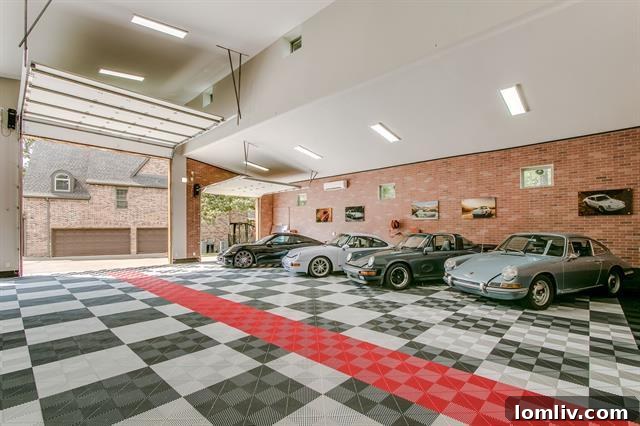
The expansion in luxury homes isn’t confined solely to interior living spaces. Lingenfelter notes a broader trend influenced by the pandemic, indicating that new luxury builds are meticulously designed for a post-COVID lifestyle. “Our average garage square footages are up 20 to 25 percent, and our patios are up roughly 100 percent on average,” he states. This dramatic growth in ancillary spaces reflects a deeper understanding of homeowner needs and preferences shaped by recent global events.
Buyers in the luxury market are articulating a clear vision for their future homes. “Buyers are telling us that after going through being stuck at their home for a year they want to make their future homes set up for both wage earners to comfortably work from home for long periods of time if this were to happen again,” Lingenfelter explains. This translates into demands for larger, dedicated home offices, often multiple, to accommodate dual-income households working remotely. Furthermore, the desire for enhanced outdoor living is paramount. “They also want to have the ability to have more outdoor living space and garage space to make their time at home as comfortable as possible and better for entertaining (if they are not allowed to go to restaurants etc. in the future).”
This includes expansive covered patios, outdoor kitchens, sophisticated landscaping, and even dedicated pool houses or wellness areas. Garages are no longer just for parking vehicles; they are evolving into multi-functional spaces, sometimes serving as workshops, home gyms, or additional storage for recreational gear. The luxury market is thus adapting rapidly, offering elaborate amenities and increased square footage to cater to a discerning clientele who prioritize comfort, functionality, and the ability to entertain and live extensively within their own property, irrespective of external circumstances.
The Future of Homebuilding in DFW: A Dual Trajectory
The Dallas-Fort Worth housing market, with its distinct dual trajectory in home sizes, offers a fascinating case study for the broader real estate industry. On one hand, the production builder segment remains steadfast in its pursuit of affordability, strategically managing square footage in response to escalating material costs and a price-sensitive buyer base. This pragmatic approach ensures that new homes remain accessible to a wider demographic, particularly those contributing to Dallas’s continuous population boom and strong job market.
Conversely, the luxury custom home market in Dallas is flourishing with expansive designs, reflecting a privileged segment of buyers whose priorities are heavily influenced by the demand for enhanced work-from-home capabilities, extensive entertainment spaces, and greater personal comfort within their own property. These buyers are willing and able to invest significantly in larger footprints, more elaborate amenities, and tailored designs that cater to a sophisticated post-pandemic lifestyle.
Looking ahead, it’s plausible that this dual trajectory will persist. Dallas’s appeal as a major economic hub will continue to attract a diverse range of residents, from first-time homebuyers to affluent professionals, each with different housing needs and budgetary constraints. Production builders will likely continue to innovate by optimizing existing space, leveraging smart home technology to maximize functionality, and exploring more efficient construction methods to keep costs in check. The focus will remain on delivering value without necessarily expanding footprint.
Meanwhile, the luxury market will push boundaries in design and scale, offering increasingly bespoke solutions that blend opulent interiors with integrated outdoor living experiences. The emphasis will shift towards creating comprehensive home environments that serve as personal sanctuaries, entertainment hubs, and fully equipped workspaces. Understanding these distinct trends is crucial for anyone navigating the dynamic Dallas real estate market, whether as a buyer, seller, or industry professional. The DFW metroplex truly embodies a complex and evolving housing landscape, where national trends meet unique local realities.