In the vibrant heart of North Texas, Dallas stands at a pivotal moment, facing crucial decisions that will shape its future landscape and community dynamics. This year, residents are keenly observing their elected officials as they prepare to make a landmark decision on short-term rentals (STRs), a topic that has ignited passionate debate across neighborhoods. This isn’t a state-level mandate or a grassroots initiative; it’s a decision firmly in the hands of the 15 dedicated men and women who serve on the Dallas City Council.
Beyond the immediate spotlight on short-term rentals, these same council members are the architects of Dallas’s urban development. Their responsibilities extend to critical areas such as zoning policies, which dictate what can be built, where, and how it impacts existing residential areas. They strategize the allocation of significant funds, prioritizing essential infrastructure projects like street repairs within the extensive 2024 bond program. Furthermore, their approvals are vital for new housing and apartment developments, crucial for expanding the city’s housing stock and ensuring accessible, affordable options for all Dallas residents.
These nonpartisan city officials, though often facing scrutiny and criticism in the public arena, hold immense power and influence over the daily lives of Dallasites. Their work truly matters, directly impacting everything from property values and neighborhood character to commute times and housing accessibility. As such, the upcoming elections and council decisions are not just political events; they are fundamental to the city’s growth, stability, and community well-being.
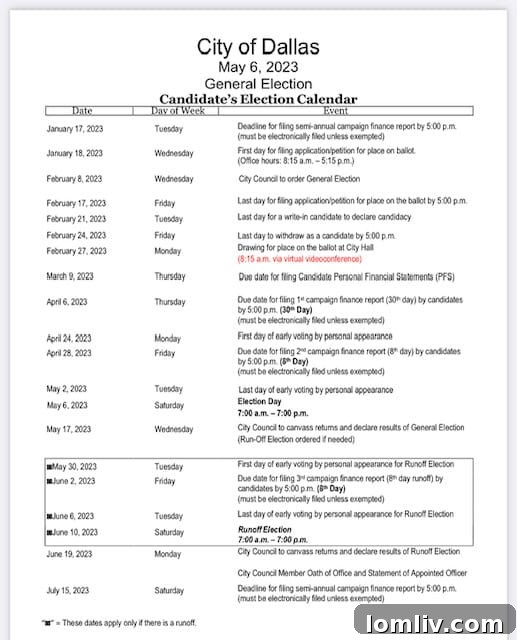
With so much at stake, resident engagement is more critical than ever. The deadline for voter registration is **April 6**, and the general election is scheduled for **May 6**. This window offers Dallas citizens a crucial opportunity to make their voices heard and choose the leaders who will navigate these complex challenges.
The Dallas Short-Term Rental Debate: Seeking a Balanced Solution
The issue of short-term rentals (STRs) has become a flashpoint across Dallas neighborhoods, prompting an urgent need for decisive action from the City Council. Many residential communities have expressed profound concerns regarding the negative impacts associated with certain STR properties. These concerns often include an increase in criminal activity, heightened traffic congestion, excessive noise disturbances, and general nuisances that disrupt the peaceful character of their neighborhoods. These residents advocate for stringent regulations, citing the need to protect the residential integrity and quality of life.
In response to these growing concerns, the City Plan Commission took a significant step in December by approving the “Keep It Simple Solution.” This proposal advocates for the elimination of STRs within traditional residential neighborhoods. Instead, it suggests permitting STRs as a lodging use exclusively in areas already zoned for hotels and commercial hospitality, aiming to consolidate short-term rental activity to appropriate zones and mitigate impacts on residential areas.
Voices from the Short-Term Rental Operators
However, the debate is far from one-sided. A significant segment of law-abiding, taxpaying STR operators presents a compelling counter-argument. Many of these operators rely on the income generated by their rental properties, which often comprise homes near or even adjacent to their primary residences. They emphasize their commitment to responsible operation, highlighting rigorous tenant vetting processes, strict adherence to curfews, and clear limitations on the number of vehicles and occupants. Many boast years of incident-free operation, asserting that their properties seamlessly integrate into their neighborhoods without causing disruption.
Indeed, some STR operators suggest that their neighbors are often unaware they are living next to a short-term rental, a testament to their quiet and professional management. They argue that a blanket ban would unfairly penalize responsible operators and deprive them of legitimate income, while also potentially impacting Dallas’s tourism economy and offering fewer diverse lodging options for visitors.
Attorney Micah J. King, representing the Dallas Short-Term Rental Alliance, formally conveyed the group’s position to the Dallas City Council in a detailed letter on February 27. This letter outlined their concerns and proposed alternative solutions that would allow responsible STRs to continue operating while addressing community issues. The full brief provides an in-depth look at the operators’ perspective and their recommendations for a balanced regulatory framework.
The Challenge of Regulation and Enforcement
The core dilemma facing the Dallas City Council is how to reconcile these opposing viewpoints: how to effectively curb the disruptive activities of “bad actors” without stifling the operations of legitimate, well-managed STRs. Elected and appointed officials have been diligently exploring various regulatory approaches, including potential penalties, enhanced enforcement mechanisms, and even outright removal strategies for problematic properties. The goal is to craft a policy that protects neighborhood tranquility while respecting property rights and economic contributions.
Recent presentations to the city council have indicated that the volume of Dallas 311 and 911 calls directly related to STR properties remains relatively low. However, opponents of STRs in residential zones argue that these statistics do not fully capture the scope of the problem. They contend that many residents forgo reporting issues because, by the time police or code compliance officers can respond, the disturbance has either subsided or the temporary nature of STR guests makes effective enforcement challenging.
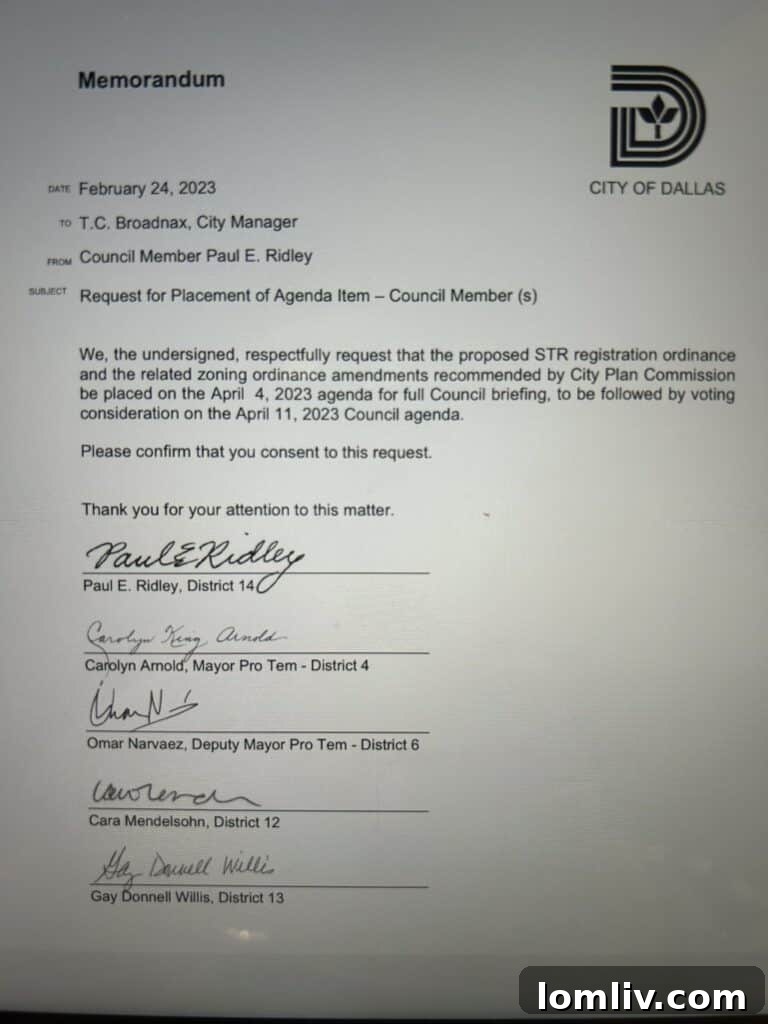
Recognizing the urgency of this issue, several council members – Paul Ridley, Carolyn King Arnold, Omar Narvaez, Cara Mendelsohn, and Gay Donnell Willis – have formally petitioned the city manager. They have requested a comprehensive full council briefing on the short-term rental matter on **April 4**, with a critical vote slated for **April 11**. This upcoming session will be a pivotal moment for Dallas, potentially setting a precedent for how short-term rentals are managed in major urban centers.
Dallas City Council Election: Shaping the City’s Future
As Dallas grapples with crucial policy decisions like short-term rentals, the upcoming City Council election on May 6 serves as a vital democratic process for residents to choose their representatives. This election will determine the makeup of the 15-member council, with 42 candidates vying for these influential seats. The outcomes of these races will directly influence the direction of Dallas’s urban development, community policies, and fiscal priorities for years to come.
Key Races and Uncontested Seats
Among the candidates, only District 12 Councilwoman Cara Mendelsohn is running unopposed, signaling strong constituent support or a lack of challengers in her district. This highlights the varying political landscapes across Dallas’s diverse districts. While Mayor Eric Johnson initially appeared without an opponent when the filing deadline closed on February 17, a subsequent development saw Kendal Richardson file paperwork with the city secretary’s office on February 21. Richardson will appear on the ballot as a write-in candidate, ensuring that Dallas voters will have a choice for their mayoral leadership. You can learn more about Kendal Richardson’s campaign here.
The Most Contested District: District 3
The most intensely contested race in this election cycle is undoubtedly in District 3, where five candidates are vying for the open seat. This vacancy arose due to term limits preventing current Councilman Casey Thomas from seeking re-election. The competition is fierce, with a diverse slate of candidates eager to represent the district’s residents. These include Zarin Gracey, Joe Tave, August Doyle, Denise Benavides, and John Sims. Each candidate brings a unique platform and vision for District 3, making it a race that voters will be watching closely.
For Dallas residents seeking a comprehensive overview of all candidates running in the May 6 election, the official Dallas website provides a complete list of candidates. This resource is invaluable for informed voting.
Publisher’s Disclosure and District 11 Race
In a matter of full disclosure, daltxrealestate.com founder and publisher Candace Evans is actively seeking the District 11 seat. She is campaigning against the incumbent, Jaynie Schultz. The District 11 race, like many others, will touch upon critical local issues, from public safety and infrastructure to economic development and community services. Voters in District 11 will have a clear choice between these two candidates to represent their interests on the Dallas City Council.
Understanding the platforms and priorities of these candidates is essential for Dallas residents. The choices made at the ballot box will directly influence the council’s ability to address pressing issues like short-term rental regulations, housing affordability, and infrastructural improvements. Every vote contributes to shaping the Dallas of tomorrow.
daltxrealestate.com is committed to providing in-depth coverage of these critical elections. We will be issuing comprehensive questionnaires to all Dallas City Council candidates next week and look forward to publishing their detailed responses beginning the week of **April 6**. Stay tuned for valuable insights that will help inform your vote.