Dallas, Texas, finds itself at a critical juncture, grappling with an escalating housing crisis where the cost of living, particularly rent, has reached unprecedented levels. The stark reality for many residents is encapsulated in a simple, yet profound, sentiment: “The rent is too damn high.” This sentiment isn’t just an anecdotal complaint; it’s a reflection of a systemic issue leading to a surge in evictions, pushing more individuals and families into precarious situations and exacerbating the city’s homelessness rate.
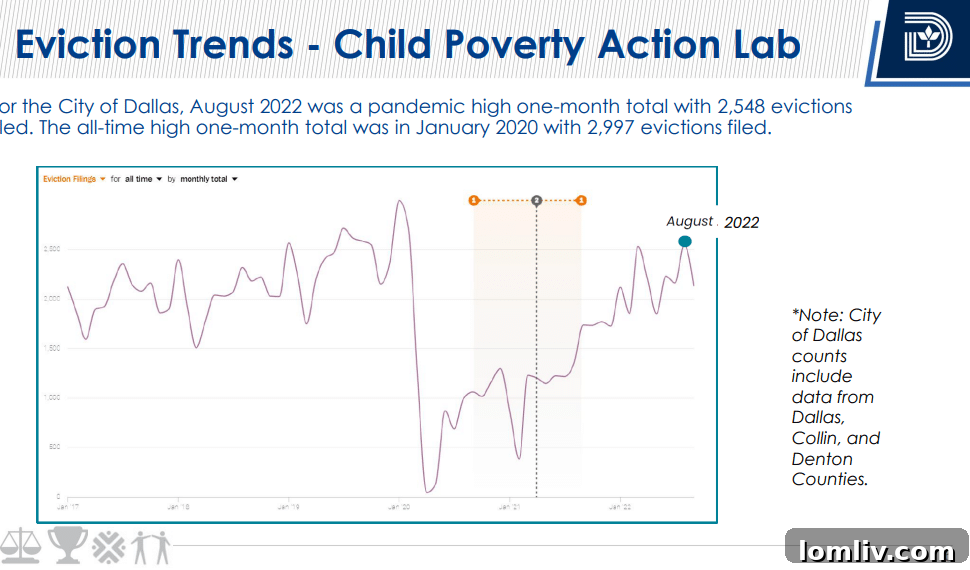
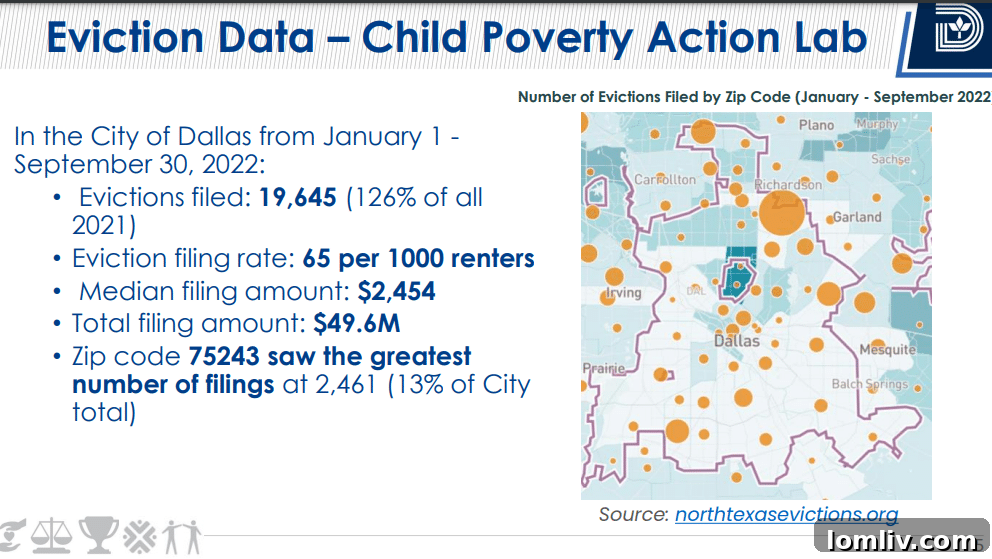
The severity of this crisis was recently brought to the forefront during a Dallas City Council meeting. Officials from the Child Poverty Action Lab presented alarming data, revealing that over 19,000 eviction filings have inundated the city’s courts since January. This figure represents a staggering 126 percent increase compared to the total number of evictions filed throughout all of 2021. Such statistics paint a grim picture of a city struggling to keep its most vulnerable residents housed, highlighting the urgent need for comprehensive and sustainable solutions.
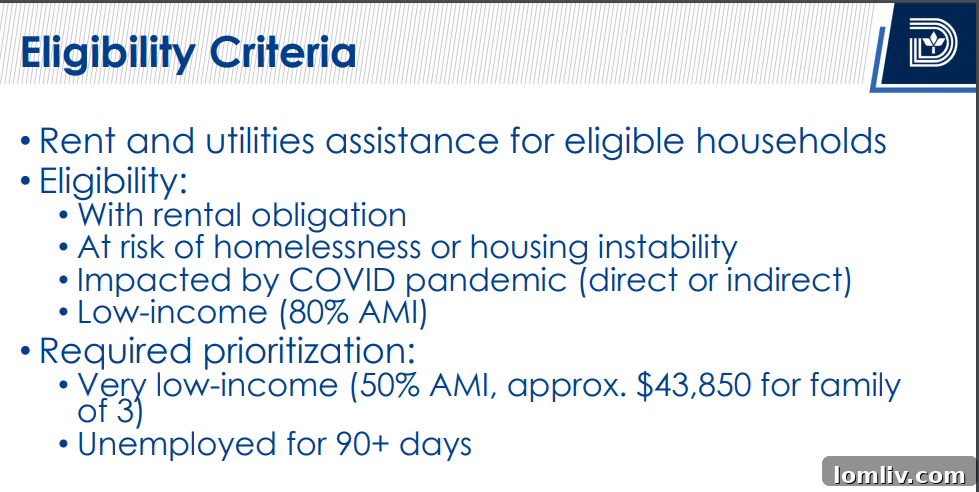
In response to the growing concern, council members engaged in crucial discussions regarding the city’s existing eviction ordinance. This policy, originally adopted in 2020, was designed as a temporary measure to provide relief to renters profoundly impacted by the economic fallout of the COVID-19 pandemic. Under its current provisions, tenants seeking rental assistance must reside within Dallas city limits, earn less than 80 percent of the area median income (AMI), and demonstrate that their financial hardship is directly attributable to the pandemic.
The Evolution of Dallas’s Housing Challenge: From Pandemic to Inflation
City Manager T.C. Broadnax underscored the temporary nature of the initial ordinance, explaining its connection to state and federal disaster declarations. “Early on, many had reduced work hours and even lost their jobs due to pandemic-related closures,” Broadnax recounted. However, as the economy has begun to rebound from the immediate effects of the pandemic, the underlying issues have shifted dramatically. “As we have started to recover from the pandemic economically, the issue has shifted as rental housing costs have increased,” he noted, signaling a new phase of the crisis.

This critical shift was further emphasized by attorney Mark Melton of the Dallas Eviction Advocacy Center. Melton, a prominent voice for tenant rights, argued that while the immediate health concerns of COVID-19 might be waning, its economic aftershocks, coupled with rampant inflation, are now the primary drivers of the eviction surge. “This is not a COVID-19 pandemic; it is an inflation pandemic,” he asserted passionately. “Rents in Dallas County are up 30 percent in the last two years, and so is gasoline and food. People are out there working multiple jobs and they can’t pay rent, not because they’re lazy or because they’re choosing not to. They need to feed their kids and put gas in their cars. Every one of those costs has gone up and their income hasn’t. We need to protect these tenants. They’re not being protected by state law, and they’re sure as hell not being protected by the courts.”
Melton’s powerful statement highlights a growing sentiment among advocates and struggling residents alike: the challenge is no longer just about temporary job losses, but about an unsustainable cost of living that outpaces wage growth. This economic imbalance traps many working individuals and families in a cycle of financial instability, making it impossible to meet basic needs like housing. Recognizing the urgency of this evolving crisis, city staff, with valuable assistance from Melton and other key stakeholders, are actively preparing a proposal for a permanent eviction ordinance. This crucial new policy is anticipated to be presented to the city council in November, aiming to replace the temporary COVID-era measure with a more robust and enduring framework.
The Stark Reality of Rental Costs in Dallas
The numbers behind Dallas’s rental market paint a sobering picture of affordability. According to data compiled by Rent.com, average rents in Dallas have soared by an astounding 41 percent year-over-year. To put this into perspective, a typical three-bedroom apartment now commands an average monthly rent of approximately $2,343. Housing experts commonly recommend that a renter’s income should be at least three times their monthly rent to comfortably afford an apartment and qualify for a lease. Applying this formula, an average renter in Dallas would need to earn an annual salary of roughly $84,000 to afford that three-bedroom unit.
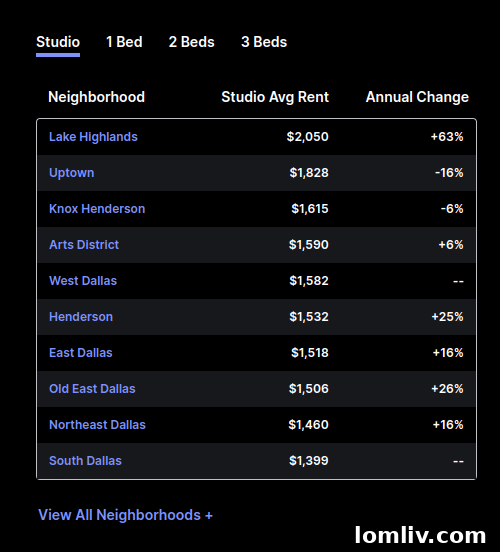
Even smaller units reflect this upward trend. The average studio apartment in Dallas now costs around $1,330 per month, while a one-bedroom unit typically goes for about $1,442. These figures demonstrate that the affordability crisis extends across all housing types, challenging individuals and families at every income level. The implications of these rising costs are clear in the eviction data: approximately 65 percent of all evictions filed in 2022 were directly attributable to non-payment of rent, as revealed during the recent city council meeting. This overwhelming majority underscores that the primary driver of displacement is simply the inability to keep up with skyrocketing housing expenses.
Adding another layer of concern to this already complex situation is the dwindling supply of rental assistance. Mark Melton had initially anticipated that federal grant funding would be available to support rental assistance programs through the end of the year, providing a crucial bridge until a new, permanent eviction ordinance could be implemented by January. However, Melton explained that the Dallas Housing Authority (DHA) is rapidly depleting its federal funds, leaving a significant gap in vital financial aid for struggling tenants. This shortage of assistance threatens to further exacerbate the eviction crisis, pushing more families onto the streets without a safety net.
The Far-Reaching Consequences of an Eviction Record
The impact of an eviction extends far beyond the immediate loss of housing. As attorney Farwah Raza with Legal Aid of Northwest Texas explained, once an eviction is filed against an individual – even if the matter is eventually settled or dismissed – it creates a permanent record that can have devastating, long-term consequences. “It can have very long-term consequences for these families,” Raza stated. “It means there is a record now, and it usually removes them from being able to seek the type of housing they were previously in.”
This record can significantly hinder a person’s ability to rent another apartment, as landlords often conduct background checks that reveal prior eviction filings. This creates a cycle of housing insecurity, forcing individuals and families into less desirable or more expensive housing options, or even outright homelessness. An eviction on one’s record can also impact credit scores, employment opportunities, and overall financial stability, making it incredibly difficult to rebuild a stable life. For children, the disruption of an eviction can lead to instability in schooling and profound emotional distress, perpetuating cycles of poverty across generations.
Balancing Act: The Impact on Property Owners and the Broader Economy
While much of the focus is rightly on protecting tenants, the housing crisis also presents significant challenges for rental property owners. Jason Simon, director of government affairs for the Apartment Association of Greater Dallas, highlighted the unique situation in Dallas. “Dallas is the only city that still has a COVID ordinance,” he noted, suggesting that the city’s prolonged temporary measures have created an uneven playing field. Simon stressed that the majority of rental property owners in Dallas are not large corporations but “mom-and-pop owners.” These smaller landlords have been “significantly impacted by the loss of rental income.”
The inability of tenants to pay rent directly affects these owners’ capacity to meet their own financial obligations, including mortgage payments, insurance premiums, and property taxes. Crucially, it also impacts their ability to fund essential maintenance and repairs, potentially leading to deteriorating housing stock across the city. “It hurts their ability to provide housing, and it hurts folks who need rental housing to get those units, because they’re occupied by people who are not able to pay rent,” Simon added, outlining a complex dilemma where one problem exacerbates another.
District 12 Councilwoman Cara Mendelsohn echoed this sentiment, emphasizing that most housing is, by nature, a for-profit enterprise. “At the end of the day, you’re going to get your money, and you’re going to get your money by raising the rents at other properties,” she observed. “I think that’s part of the affordability crisis that we’re having. We’ve got a lot of landlords that are housing people for zero dollars. They’re having to raise their rents at other places to cover those costs.” This perspective highlights the interconnectedness of the housing market, suggesting that financial strains on landlords can inadvertently contribute to the broader affordability crisis by pushing up rents elsewhere as they seek to cover their losses.
Navigating the Eviction Filings Process in Dallas
Understanding the eviction process is crucial for both tenants and advocates. In Texas, when a tenant falls behind on rent, a landlord can initiate the process by issuing a “notice to vacate.” This formal notice typically informs the tenant that they must leave the property within three days. If the renter does not voluntarily vacate the premises within this timeframe, the landlord then has the legal right to file an eviction lawsuit in a Justice of the Peace Court. Attorney Mark Melton noted the alarming speed at which these cases can proceed, with the amount of time between the initial filing and a court hearing potentially being as short as 11 days.
This rapid timeline leaves tenants with very little time to seek legal counsel, gather documentation, or explore alternative housing options. Since the onset of the pandemic in 2020, attorneys from Legal Aid of Northwest Texas and the Dallas Eviction Advocacy Center have been working tirelessly, often showing up directly to Justice of the Peace courts on eviction docket days. Through their dedicated efforts, they have provided representation to thousands of Dallas residents facing eviction, serving as a critical lifeline for those navigating a complex and often intimidating legal system.
The presence of legal representation makes an undeniable difference in eviction outcomes. Mark Melton’s data vividly illustrates this point: when tenants appear in court without a lawyer in an eviction matter, the judgment disproportionately favors the landlord more than 70 percent of the time. However, when a tenant has legal counsel, that success rate for landlords plummets dramatically to just 10 percent. Melton starkly concluded, “If 100 percent of those people had a lawyer, there would be 11,000 fewer evictions granted in Dallas County [in a particular time period],” underscoring the profound impact of legal aid in preserving housing and preventing displacement.
The Road Ahead: Debating a Permanent Eviction Solution
As the Dallas City Council grapples with these pressing issues, concerns have been voiced regarding a potential gap in tenant protections. Specifically, council members are worried about the period that might occur between the expiration of the current temporary, COVID-related ordinance and the approval and implementation of a new, permanent eviction policy. This interim period could leave thousands of vulnerable tenants exposed without adequate safeguards.
Councilwoman Cara Mendelsohn articulated a desire to move beyond pandemic-specific measures. “Instead of calling it an eviction ordinance, this is a COVID ordinance,” Mendelsohn argued. “We have to recognize that even the president is saying that COVID is over. We need to address other problems in other ways instead of trying to use COVID solutions to deal with current conditions.” Her point underscores the need for a forward-looking policy that addresses the current economic realities rather than clinging to an outdated framework.
Conversely, District 7 Councilman Adam Bazaldua advocated for maintaining the existing COVID ordinance, at least until a comprehensive and permanent solution is officially approved and enacted. He emphasized the success of the temporary measure in protecting the city’s most vulnerable populations. “The fact that we’ve invested in our most vulnerable, I would call it a success,” Bazaldua stated. “The fact that we have actually helped our landlords sustain renters and get some of these federal dollars and rental assistance I would also [call a success].” He passionately argued against repealing the current protections prematurely. “For us to allow this to go off the books and sunset something that is protecting people, and allow for them to be vulnerable and on the street, is absurd. We have an opportunity now to do the right thing, and I hope we are on the right side of history with this.”
The debate within the City Council reflects the complex tightrope walk facing Dallas officials: balancing the need to transition away from temporary pandemic-era policies with the imperative to protect residents from an ongoing and intensifying affordability crisis. The upcoming November presentation of the permanent eviction ordinance will be a pivotal moment for Dallas, shaping the future of housing stability for thousands of its citizens. The city’s ability to craft a comprehensive, equitable, and sustainable solution will determine whether it can stem the tide of evictions and ensure that all residents have access to safe, affordable housing.