Welcome to “Upon Closer Inspection,” an exclusive series brought to you by the meticulous experts at Green Scene Home Inspections. Each week, we invite Daltxrealestate.com readers to sharpen their observational skills and gain invaluable insights into the common, yet often overlooked, issues lurking within homes. Our mission is to educate homeowners and empower them to identify potential problems before they escalate into costly repairs or dangerous situations.
As a homeowner, cultivating a keen eye for detail around your property is one of the most proactive steps you can take to protect your investment and ensure your family’s safety. While many issues might seem minor or even invisible at first glance, a deeper dive—an “upon closer inspection”—often reveals underlying problems that demand immediate attention. Many homeowners mistakenly believe that if something isn’t overtly broken, it must be fine. However, appearances can be deceiving, particularly when it comes to critical systems like electrical, plumbing, and HVAC.
In this edition, we challenge you to put your inspection skills to the test. We’ve compiled a series of revealing images from actual home inspections. Take a moment to examine each picture carefully and see if you can pinpoint the hidden dangers or faulty workmanship. These examples serve as a crucial reminder that professional home inspections are not just for buying or selling a house; they are an essential part of ongoing home maintenance and safety.
Decoding the Dangers in Your Electrical Panel Box
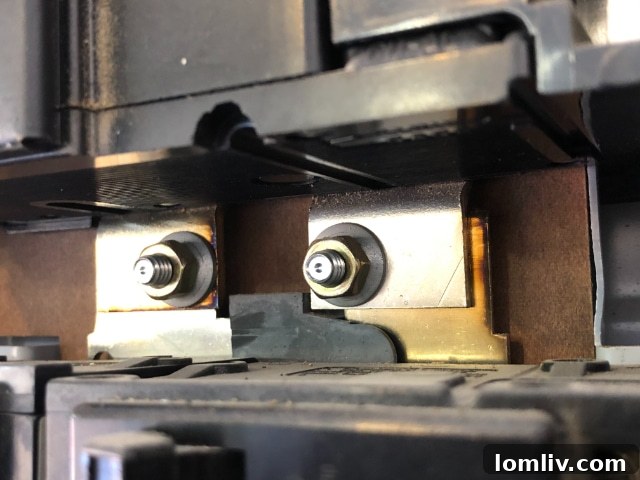
Take a good look at this electrical panel box. Can you discern the critical issue developing here? The visible charring and distinct discoloration around the circuit breaker are undeniable red flags. These alarming signs indicate that the electrical panel has been experiencing significant overheating. This isn’t merely a cosmetic flaw; it signifies that the circuit in question is drawing or attempting to carry more electrical current than its designated capacity, or perhaps there’s a loose connection creating excessive resistance and heat.
An overheating electrical panel is a grave concern that should never be ignored. It points to serious underlying problems such as overloaded circuits, faulty wiring, improper connections, or even a failing circuit breaker. The excessive heat generated can degrade wire insulation, melt components, and significantly increase the risk of an electrical fire, potentially leading to catastrophic property damage or even loss of life. Ignoring these visual cues puts your entire home at risk. When you observe charring or discoloration within your electrical panel, it’s not a situation for delay or DIY remedies. The immediate and only appropriate action is to contact a licensed and qualified electrician, STAT, for an urgent assessment and repair. Their expertise ensures that the electrical system is brought back to safe operating standards, protecting your home and family.
Unmasking the Perils of DIY Electrical Outlet Wiring
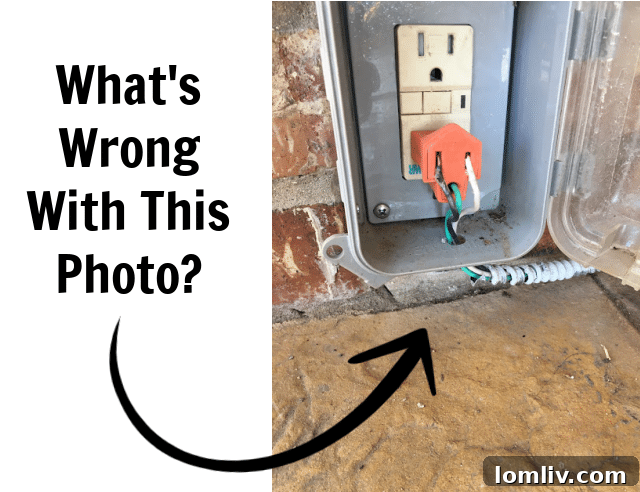
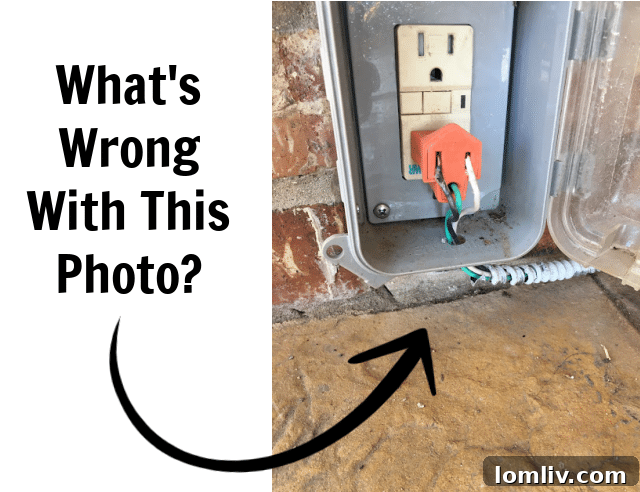
Now, shift your focus to this outlet. Can you identify the glaring problem? This image serves as a stark reminder of one of the cardinal rules of homeownership: we do not DIY electrical work. While the allure of saving money on repairs can be strong, especially for seemingly simple tasks like connecting an outlet, electrical systems are inherently complex and dangerous. Improperly wired outlets can lead to a multitude of hazards, ranging from minor annoyances to life-threatening situations.
Common DIY electrical mistakes include incorrect wiring polarity (reversing hot and neutral wires), inadequate grounding, loose connections, using incorrect wire gauges, or simply failing to adhere to local electrical codes. These errors can result in electric shocks, arc faults, short circuits, and a heightened risk of electrical fires. An incorrectly wired outlet might not trip a circuit breaker immediately but can continuously pose a silent threat, potentially causing appliances to malfunction or creating a dangerous path for current. Just because a friend or relative “knows how to connect a circuit” doesn’t mean they possess the necessary licensing, training, or understanding of safety protocols and building codes required for electrical work. Always entrust electrical repairs and installations to certified, professional electricians who have the expertise to ensure everything is up to code and, most importantly, safe. Shaking our heads in disbelief (SMH) is a mild reaction to the serious risks posed by amateur electrical work!
The Creative Catastrophe: A Closer Look at an Improper Drain Line
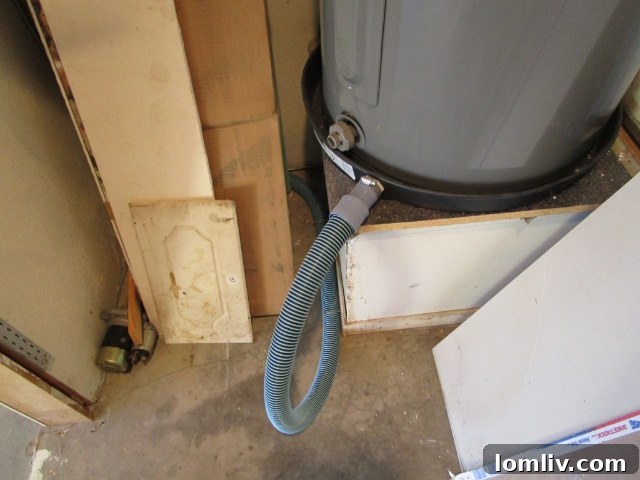
Examine this image with a critical eye. What appears to be an ingenious, albeit unconventional, solution is actually a significant problem waiting to happen. If you correctly identified that this “creative DIYer” has used a vacuum hose as a drain pan line, you’ve spotted a classic example of poor judgment in home maintenance. While it might seem like a quick fix, using an unsuitable material for a crucial component like an HVAC condensate drain line introduces numerous risks and inefficiencies.
The condensate drain line is designed to channel away the water collected by your air conditioning or furnace system during operation. A vacuum hose, or any other non-plumbing grade material, is simply not engineered for this continuous exposure to water. It is prone to kinking, collapsing, and cracking, which can lead to blockages and leaks. Furthermore, the porous nature of some vacuum hoses can promote mold and mildew growth internally, impacting indoor air quality. An improper slope or an inadequate connection can also lead to water backing up into the HVAC unit or spilling into the surrounding area, causing extensive water damage to ceilings, walls, and flooring. Over time, this amateur fix can lead to costly repairs, mold remediation, and even premature failure of your HVAC system. Always ensure that condensate drain lines are constructed from rigid PVC or other appropriate plumbing materials, properly sloped, and regularly inspected for clogs and integrity. Professional HVAC technicians understand the precise requirements for these systems, preventing such unfortunate “innovations.”
Identifying Overheating Hazards in Your Furnace Cabinet
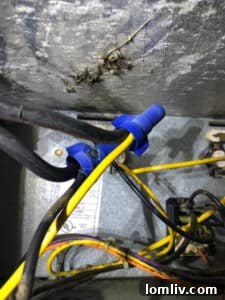
Lastly, scrutinize this furnace cabinet. Can you tell what’s critically wrong here? Similar to the electrical panel, the tell-tale signs of overheating are evident, this time originating within the furnace system itself. An overheating furnace cabinet is an extremely dangerous condition that demands immediate attention. This kind of problem can escalate into a severe fire hazard very quickly, particularly during seasons when your furnace is in frequent use.
Overheating in a furnace can stem from several issues, including restricted airflow due to dirty filters, blocked vents, a malfunctioning blower motor, a faulty heat exchanger, or improper gas pressure. Electrical issues within the furnace’s control panel or wiring can also generate excessive heat. Beyond the direct risk of fire, an improperly functioning furnace can also pose risks of carbon monoxide leaks, a silent killer that can quickly incapacitate occupants. The safety of your home’s heating system is paramount, especially as temperatures drop and furnaces work harder. Have you had your furnace serviced lately? Regular, professional HVAC maintenance is not just about efficiency; it’s fundamentally about safety. An annual check-up by a certified technician can identify and rectify these dangerous overheating issues, clean vital components, and ensure your system operates safely and effectively throughout the heating season. Don’t wait for visible signs of damage or an emergency; proactive maintenance is always the best defense.
These examples underscore the critical importance of regular home inspections, both by observant homeowners and, more comprehensively, by trained professionals. Many seemingly minor issues can hide significant risks that affect your property value, energy efficiency, and, most importantly, the safety of your loved ones. Green Scene Home Inspections is dedicated to uncovering these hidden problems, providing peace of mind, and helping you maintain a safe and functional home. Our “Upon Closer Inspection” series aims to arm you with the knowledge to spot potential troubles, but for a thorough and expert assessment, professional eyes are indispensable.
Do you have your own inspection questions or concerns about your property? Don’t hesitate to reach out to the experts. Contact Green Scene Home Inspections today and let us provide the clarity and confidence you deserve in your home.