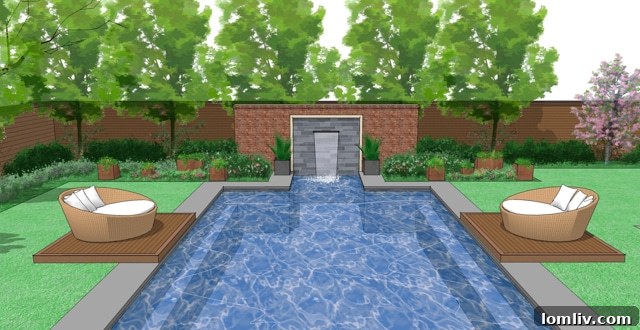
Texans inherently possess a deep appreciation for the great outdoors, often seeking refuge and recreation within the confines of their own gardens and backyards. As the seasons shift, so too does the desire to enhance these cherished outdoor spaces, transforming them into inviting havens for relaxation, entertainment, and beauty. Whether you envision a vibrant landscape for lively spring and summer gatherings or a cozy, illuminated retreat for crisp late fall evenings, the key to bringing your vision to life lies in strategic planning. But when exactly is the ideal time to initiate your next major landscape design project, such as a stunning new pool, flourishing spring plantings, or an elegant landscape lighting system?
To unravel the mysteries of optimal timing for backyard transformations, we turned to the leading authority in Dallas luxury landscape architecture. In our popular Facebook group, Getting The Dirt, our community shared their aspirations for upcoming design projects. Armed with these insights, we sought expert guidance from Harold Leidner, founder of his renowned eponymous firm. Harold Leidner Landscape Architects, a beacon of excellence in Dallas’s landscape design and installation scene, is adept at ensuring your backyard oasis is impeccably prepared for every season, regardless of the project’s scale or complexity. Below, Harold shares invaluable advice on mastering the art of timing for your landscape endeavors.
Discover the optimal planning timelines to transform your landscape dreams into reality:
Unlocking the Perfect Spring Garden: When to Plant New Beds for Seasonal Beauty
Harold Leidner: In the world of planting, there’s a common misconception that certain times are strictly “bad.” However, with the right approach and careful precautions, almost any time can be suitable for planting. The crucial factor is understanding the specific needs of your plant material and the prevailing environmental conditions. For those eager to witness a dazzling display of color next spring, the groundwork begins much earlier. Planting bulbs for spring blooms, such as tulips, daffodils, and hyacinths, should ideally commence in the fall. This allows them ample time to establish roots before the cold sets in, ensuring a robust emergence when spring arrives.
If your vision includes vibrant seasonal color plantings for spring, such as petunias, impatiens, or marigolds, it’s best to exercise a bit more patience. These delicate annuals thrive in warmer temperatures and should typically be planted in March or April, once the danger of frost has passed and the soil has sufficiently warmed. Beyond spring, the principles of successful planting remain consistent. Should you embark on a planting project during the peak heat of summer, meticulous attention to irrigation is paramount. Ensure your irrigation system is 100% operational and diligently monitor soil moisture levels, as plants under summer stress require consistent hydration. Conversely, if you’re planting in the depths of winter, the same vigilance applies regarding water, especially protecting new plants from harsh freezes. Transplanting existing plants generally yields the best results during cooler temperatures or when the plants are in a dormant state, minimizing shock and encouraging successful re-establishment.
Adhering to these general guidelines significantly increases your success rate. Should you observe any signs of stress in your newly planted material, remember that in nearly all cases – nine out of ten, to be precise – the issue is directly related to water, either an excess or a deficiency. Proper soil preparation, including adequate drainage and nutrient enrichment, also plays a critical role in fostering a thriving garden bed, ensuring your plants have the best possible start.
Beyond the Basics: Preparing Your Spring Garden Beds
Achieving a lush, vibrant garden isn’t just about planting at the right time; it’s also about meticulous preparation. Before you introduce any new life into your garden beds, consider these essential steps:
- Soil Analysis: Understand your soil’s composition. A simple soil test can reveal nutrient deficiencies or pH imbalances, allowing you to amend the soil accordingly for optimal plant growth.
- Weed Control: Clear the area thoroughly of weeds and their roots to prevent competition for nutrients and water.
- Compost and Organic Matter: Enrich your soil with compost, well-rotted manure, or other organic matter. This improves soil structure, drainage, and fertility, creating an ideal environment for roots.
- Drainage: Ensure proper drainage to prevent waterlogging, which can lead to root rot. For heavy clay soils, incorporating sand or raised beds can be beneficial.
- Sunlight Assessment: Observe the amount of sunlight each bed receives throughout the day. This dictates which plants will thrive, ensuring you select species suited to your specific light conditions.
By investing time in these preparatory steps, you lay a solid foundation for a beautiful and resilient spring garden that will flourish for seasons to come.
Crafting Your Summer Oasis: The Importance of Early Planning for Outdoor Entertaining Areas
Harold Leidner: The timeline for developing a captivating outdoor entertaining area for summer enjoyment is largely dependent on the project’s scope and the specific elements you wish to incorporate. However, one universal truth remains: you can truly never start the planning process too early. The only exception, perhaps, is if you are still in the preliminary stages of purchasing your home. For all other scenarios, proactive planning offers numerous advantages and significantly enhances the likelihood of completing your project in time to fully savor it during the summer months.
Imagine hosting unforgettable barbecues, relaxed al fresco dinners, or vibrant pool parties in your custom-designed space. To achieve this, initiating the planning phase in winter is highly recommended. This strategic timing allows for a fast and efficient start in the spring, which is often the busiest season for landscape professionals. During the winter, you have the luxury of time to refine your design, select materials, obtain necessary permits, and schedule contractors without the rush of peak season demands. This extended planning period translates into a smoother execution phase, increasing your ability to finish the project well before the summer heat sets in, ensuring your new outdoor living space is ready for enjoyment when you desire it most.
Designing the Ultimate Outdoor Entertainment Hub
An outdoor entertaining area is more than just a patio; it’s an extension of your home’s living space. Consider integrating features that cater to every aspect of outdoor leisure:
- Gourmet Outdoor Kitchens: Elevate your entertaining with a fully equipped kitchen featuring grills, refrigerators, sinks, and ample counter space.
- Cozy Fire Pits and Fireplaces: Extend usability into cooler evenings, providing warmth and a focal point for social gatherings.
- Luxurious Patios and Decking: Choose materials that complement your home’s architecture and offer durability and comfort. Consider multiple zones for dining, lounging, and conversation.
- Integrated Sound Systems: Enhance the ambiance with high-quality, weather-resistant audio systems that seamlessly blend into the landscape.
- Comfortable Seating and Shading: Invest in ergonomic outdoor furniture and consider pergolas, umbrellas, or retractable awnings for sun protection.
- Water Features: Add tranquility and visual appeal with fountains or decorative ponds that create soothing background sounds.
By thoughtfully designing these elements and initiating the planning process early, you can create a cohesive and functional outdoor entertaining area that serves as the heart of your summer activities for years to come.
Making a Splash: The Optimal Time to Plan Your Dream Pool Installation
Harold Leidner: When it comes to installing a new pool, particularly if your goal is to have it ready for enjoyment before the intense summer heat sets in, a simple yet powerful rule of thumb applies: begin the planning process precisely when you envision yourself using it. This might seem counter-intuitive at first, but it cleverly leverages the off-season for the most intensive phases of the project.
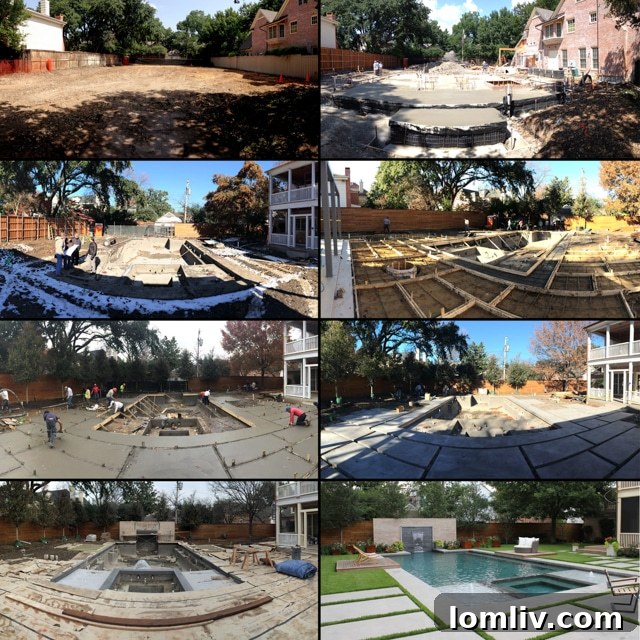
If your ultimate desire is to be swimming by the following summer, the ideal time to initiate the planning phase for your custom pool is during the current summer or fall. By doing so, you can effectively utilize the cooler winter months for the actual construction. This timing offers several significant advantages. Firstly, there’s generally less demand for pool builders and landscaping teams during the colder seasons, potentially leading to better scheduling flexibility and more focused attention on your project. Secondly, with less outdoor activity during winter, the disruption caused by construction is less impactful on your daily life. This strategic approach ensures that by the time the following summer rolls around, your spectacular new backyard pool oasis will be complete, filled, and ready for you and your family to dive into and enjoy.
Navigating the Pool Construction Journey
The journey from conceptualizing a dream pool to its completion is an intricate one, typically involving several key stages:
- Initial Design & Consultation: Collaborating with a landscape architect like Harold Leidner to create a custom design that perfectly integrates with your existing home and landscape, considering aesthetics, functionality, and budget.
- Permitting & Approvals: Navigating local regulations and securing necessary permits, which can vary in complexity and duration.
- Excavation: Preparing the site, digging out the pool shape, and grading the area.
- Plumbing & Steel Reinforcement: Installing the intricate network of pipes for filtration and circulation, followed by setting up the steel rebar framework.
- Gunite/Shotcrete Application: Spraying concrete over the steel framework to form the pool’s shell, creating a robust and durable structure.
- Tile & Coping Installation: Adding decorative tiles along the waterline and installing coping around the pool’s edge for a finished look.
- Decking & Surrounding Landscape: Laying down the chosen decking material (pavers, concrete, natural stone) and beginning the integration of the pool into the broader landscape design.
- Equipment Installation & Plaster: Setting up pumps, filters, heaters, and other essential equipment, followed by the final plaster finish inside the pool.
- Filling & Start-up: The exciting moment when the pool is filled, chemicals are balanced, and systems are activated.
Each stage requires careful coordination and expert execution. By starting the planning early, you allow ample time for each step, mitigating potential delays and ensuring a superior quality finish for your investment.
Illuminating Your Nights: Planning and Executing a Landscape Lighting Project
Harold Leidner: The complexity and duration of a landscape lighting project are primarily determined by its scope and the type of voltage involved, specifically whether it’s a high or low voltage system. Understanding these differences is crucial for accurate planning and setting realistic expectations.
High voltage lighting projects, which typically involve integrating with the home’s main electrical system and powering larger, more powerful fixtures, generally require municipal inspections. These inspections are a critical part of ensuring safety and compliance with building codes, but they inevitably add time to the project’s completion schedule. Such projects are often reserved for significant architectural illumination, security lighting, or applications requiring substantial power.
Conversely, low voltage lighting projects are often much faster to implement. They do not typically have the same stringent city inspection requirements, making the installation process more streamlined and efficient. Low voltage systems are incredibly versatile and are commonly used for accentuating garden features, pathways, outdoor living areas, and creating subtle, atmospheric ambiance. Based on your specific needs, aesthetic preferences, and the functional expectations you have for your outdoor space, a professional landscape architect will design and implement the most suitable and effective lighting solution for you.
Transforming Your Landscape After Dark with Strategic Lighting
Landscape lighting goes beyond mere illumination; it’s an art form that transforms your outdoor space into an enchanting nocturnal retreat. Strategic lighting offers a multitude of benefits:
- Enhanced Aesthetics: Highlight architectural details, sculptures, water features, and prize plantings, creating stunning visual interest and depth.
- Improved Safety & Security: Illuminate pathways, steps, and entry points to prevent trips and falls, while also deterring potential intruders by eliminating dark hiding spots.
- Extended Usability: Make your patios, decks, and garden areas usable long after sunset, perfect for evening entertaining or quiet relaxation.
- Increased Property Value: A well-designed lighting system adds curb appeal and can significantly boost the perceived value of your home.
- Mood and Ambiance: Create a desired atmosphere, from vibrant and festive to calm and serene, with various lighting techniques like uplighting, downlighting, and silhouetting.
When planning your landscape lighting, consider different types of fixtures—such as path lights for walkways, spotlights for dramatic accents, well lights for subtle uplighting, and deck lights for integrated illumination—to achieve a layered and cohesive design. An expert like Harold Leidner can help you navigate these choices, ensuring your outdoor lighting not only looks spectacular but also functions flawlessly and efficiently, bringing your landscape to life after dark.