Unlocking Dallas’s Past: A Deep Dive into the Dallas Municipal Archives
Ever wondered about the hidden stories that shaped Dallas, the pivotal moments, or the everyday lives of its residents throughout history? The answers often lie within the Dallas Municipal Archives, a veritable treasure trove of information nestled within Dallas City Hall. Far from being a dusty collection of old papers, these archives are a dynamic and essential resource, preserving the city’s journey from its earliest days to the present.
The Dallas Municipal Archives serve as the official repository for the city’s historical records. They house an extraordinary array of departmental records, spanning countless forms and formats. Imagine sifting through meticulously kept ledgers, original manuscripts and typescripts, detailed historical maps, countless photographs capturing the evolving cityscape, microforms, and a vast collection of printed materials. This immense collection offers an unparalleled window into Dallas’s governmental functions, urban development, cultural shifts, and the lives of its diverse population.
A Goldmine for Researchers and Curious Citizens Alike
For journalists digging for breaking stories rooted in history, for historians meticulously reconstructing the past, for academic researchers seeking primary sources, and most importantly, for the curious residents of Dallas, these archives are an indispensable resource. The best part? They are not exclusive. Anyone with an interest can access these records simply by making an appointment, making local history accessible to all.
The significance of a municipal archive cannot be overstated. It is the institutional memory of a city, providing context for current events, documenting decisions that impact future generations, and preserving the cultural heritage that defines a community. From urban planning and infrastructure development to social programs and law enforcement, every facet of Dallas’s growth and public service is meticulously documented within these walls, offering invaluable insights into how the city has evolved.
Among our many collections are the Bonnie Parker and Clyde Barrow Gang materials of the Dallas Police Department, the John F. Kennedy/Dallas Police Department records relating to the assassination of President Kennedy, the earliest extant City of Dallas Charter, and over a quarter-million images documenting the growth and public services of the City of Dallas.
Dallas Municipal Archives website
These specific collections highlight the depth and breadth of the archives. The materials related to the infamous Bonnie Parker and Clyde Barrow Gang offer a chilling glimpse into crime and law enforcement in a bygone era, providing crucial primary sources for understanding this legendary period. The comprehensive records pertaining to the assassination of President John F. Kennedy are fundamental for ongoing historical analysis and understanding one of the most pivotal moments in American history. Furthermore, the earliest extant City of Dallas Charter provides foundational insight into the city’s governance and legal framework, showcasing its origins and early aspirations. And with over a quarter-million images, the visual narrative of Dallas’s transformation is truly breathtaking, allowing researchers and residents to witness the city’s evolution through the lenses of time.
Bringing History to Life: The Summer Lecture Series
To celebrate and share this incredible wealth of historical knowledge, the Dallas Municipal Archives have partnered with two esteemed local institutions: Old City Park and the Friends of the Dallas Municipal Archives. Together, they are presenting a captivating free public lecture series this summer, designed to tap into this extraordinary fount of information and bring Dallas’s past directly to its citizens.
These lectures represent a unique opportunity for residents to connect with the city’s history in an engaging and accessible format. Rather than simply reading about the past, attendees can hear directly from expert historians and community leaders who have dedicated their lives to understanding and preserving Dallas’s heritage. It’s a chance to uncover hidden narratives, challenge preconceived notions, and gain a deeper appreciation for the ground beneath our feet.
Exploring The Cedars: A Neighborhood Transformed
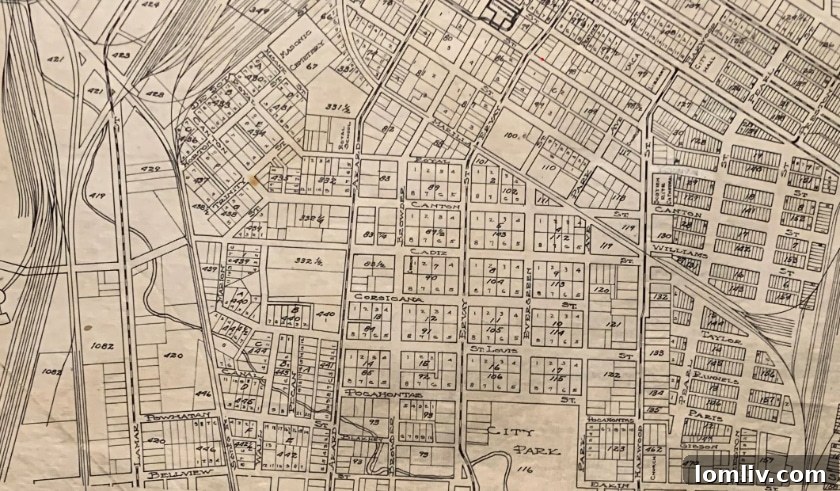
The inaugural lecture, held recently, delved into the rich and often surprising history of The Cedars area of Dallas. City Archivist John Slate, a renowned expert in Dallas’s municipal history, served as the esteemed speaker. His presentation unveiled fascinating details about the neighborhood, offering insights that even long-time residents might never have encountered.
Slate’s passion for the city’s past shone through as he meticulously recounted the evolution of The Cedars. He highlighted how the area, once a vibrant Jewish neighborhood, underwent significant changes over the decades. A particularly poignant detail he shared concerned the Shearith Israel synagogue, which stood majestically across from the park on Pocahontas Street for many years. “In the 1920s, the Shearith Israel synagogue was across from the park for many years on Pocahontas Street, which is now gone,” Slate explained. “When they outgrew the building and moved to North Dallas in the 1950s, the building became the first headquarters of the Jewish Community Center. It was finally demolished in the 1960s.”
This anecdote perfectly illustrates the transient nature of urban landscapes and the layers of history that exist beneath modern developments. The transformation of a synagogue into a community center, and its eventual demolition, speaks volumes about demographic shifts, urban renewal, and the continuous reshaping of Dallas’s neighborhoods. Such details not only bring history to life but also prompt a deeper reflection on the forces that drive urban change.
Meet the Visionary: City Archivist John Slate
John Slate’s dedication to preserving Dallas’s past is evident in his impressive tenure as City Archivist, a role he has held for 23 years. His profound knowledge and unwavering commitment have made the Dallas Municipal Archives an accessible and dynamic resource. When a board member from Old City Park approached him with the innovative idea of hosting a lecture series at Browder Springs Hall within the park, Slate immediately recognized the potential. His mental directory of accomplished speakers quickly brought to mind two exceptional individuals who could illuminate different facets of Dallas’s heritage: Thomas H. Smith, Ph.D., and Vicki Meek.
Slate’s role extends beyond mere preservation; he is a storyteller, a curator of civic memory, and a fervent advocate for making history engaging for the public. His long experience means he understands the nuances of Dallas’s past, and his selection of speakers for this series reflects a desire to cover diverse and impactful themes that have shaped the city.
The Whistles That Built a City: Thomas H. Smith on Railroads
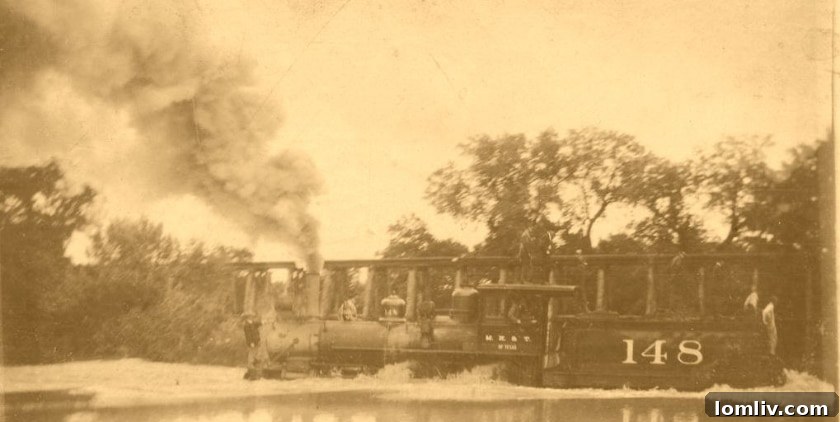
The next installment of the series promises to transport attendees back to a pivotal era in Dallas’s development. Scheduled for July, Dr. Thomas H. Smith will present his lecture titled “How the Whistles Came to Dallas,” focusing on the profound impact of railroads on the city. Railroads were not merely a mode of transport; they were the arteries through which Dallas’s economic lifeblood flowed, transforming it from a burgeoning frontier town into a bustling metropolitan hub.
Dr. Smith’s expertise will shed light on how the arrival of the Houston and Texas Central Railway in 1872, and subsequent lines, irrevocably altered Dallas’s trajectory. These steel pathways brought settlers, commerce, and industry, solidifying Dallas’s position as a major trade and distribution center in the Southwest. Understanding the history of its railroads is essential to grasp the city’s rapid growth, its distinct urban planning, and the diverse communities that emerged around these vital transportation corridors.
Public Art: Reflecting Dallas’s Soul with Vicki Meek
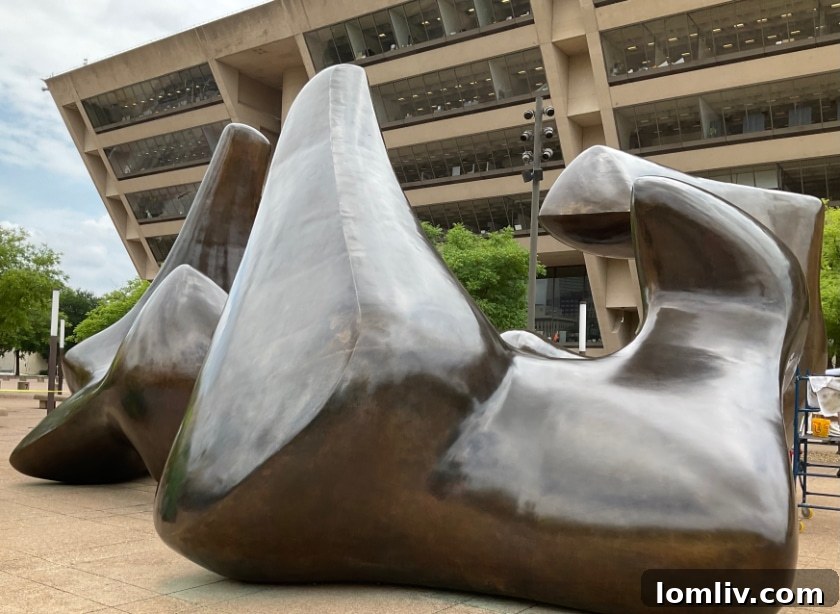
Following Dr. Smith, Vicki Meek, the distinguished general manager of the South Dallas Cultural Center and a current commissioner on the Arts and Culture Advisory Commission, will lead a compelling discussion on the Dallas Office of Arts and Culture’s public art program. This topic provides a fascinating connection to the archives, as Slate noted: “That topic ties into the archives because we are the caretakers of the artist files from the public collection.”
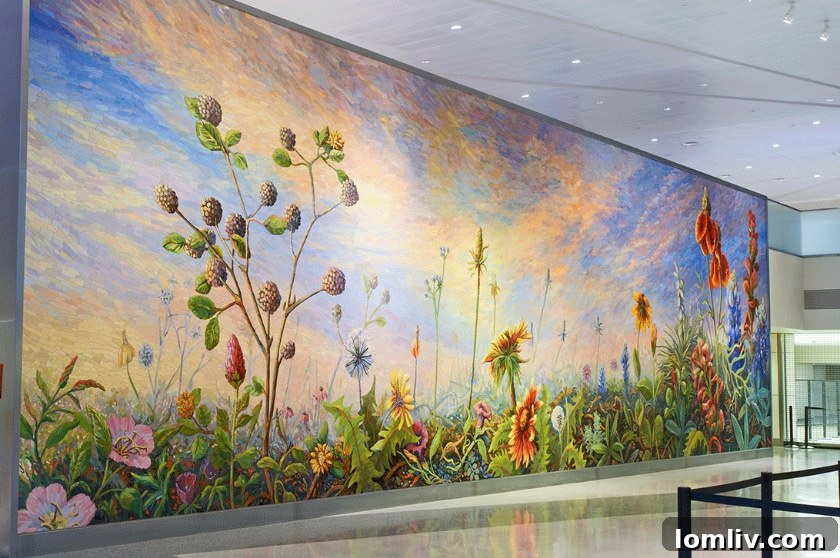
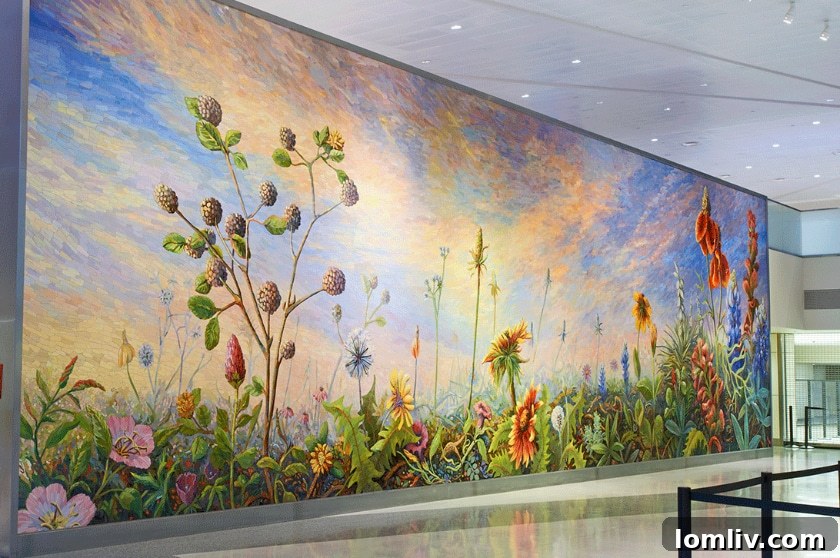
Public art is more than just decoration; it is a tangible expression of a city’s values, aspirations, and identity. From monumental sculptures to vibrant murals, these artworks transform public spaces, provoke thought, and contribute to a city’s unique cultural landscape. Vicki Meek, with her “unparalleled knowledge of public art” and her background as a practicing artist, brings a unique dual perspective to this subject. She has witnessed “both sides of the coin,” understanding not only the artistic vision but also the intricate processes and challenges involved in bringing public art projects to fruition. Her insights will illuminate how public art shapes our urban environment and how the archives meticulously preserve the history of these vital cultural contributions, from conception to installation and beyond.

Old City Park: A Historic Canvas for Dialogue
The choice of Old City Park as the venue for this insightful lecture series is particularly apt and adds another layer of historical resonance to the events. Known affectionately as Dallas’s first and oldest park, Old City Park is an extraordinary open-air museum. It boasts a remarkable collection of historic buildings, many of which date back as far as 1840. These meticulously preserved structures offer a vivid glimpse into 19th-century life in North Texas, creating an immersive historical backdrop that perfectly complements the lectures.
Attending a lecture at Browder Springs Hall within this historic park is not just an educational experience; it’s a journey back in time. The ambiance of Old City Park, with its antique homes, lush landscapes, and tranquil atmosphere, fosters a deep appreciation for Dallas’s heritage. It is a place where the past feels tangible, making it an ideal setting for discussions that illuminate the city’s rich and complex history. The synergy between the Dallas Municipal Archives’ content and Old City Park’s historic environment creates an unforgettable and enriching experience for all attendees.
Mark Your Calendars: Embrace Dallas’s Rich Heritage
Don’t miss this unparalleled opportunity to connect with Dallas’s vibrant past and gain a deeper understanding of the city you call home. The Dallas Municipal Archives, Old City Park, and the Friends of the Dallas Municipal Archives invite you to mark your calendars for the upcoming lectures, scheduled for the second Thursday of July and August. These events are designed for everyone, from history buffs to newcomers eager to learn more about the distinctive character of Dallas.
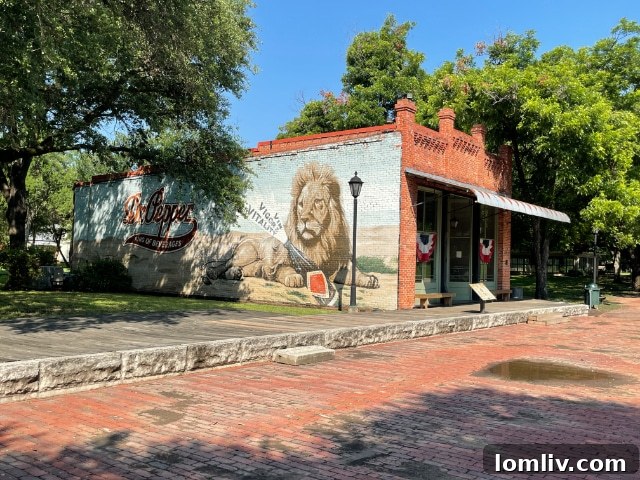
Discover something new and fascinating about your city’s journey. Engage with expert speakers, explore significant historical themes, and experience the unique atmosphere of Old City Park. Locating the venue, Browder Springs Hall, is easy: just “look for the lion on the side of the building and you’re there!”
It’s an accessible and enriching way to spend an evening, offering both education and community engagement without any cost.
- Tickets: Admission is absolutely FREE.
- Parking: Parking is also FREE, ensuring a hassle-free experience.
- Time: Lectures begin promptly at 6:30 p.m., allowing ample time for an evening of historical exploration.
These lectures are more than just talks; they are a celebration of Dallas’s enduring legacy, a testament to the power of archives, and an invitation to become a part of the ongoing story of this remarkable city. Come and uncover the secrets, the triumphs, and the transformations that have shaped Dallas into what it is today.