Las Vegas Real Estate: Riding the Wave of Recovery and Growth
From the depths of economic downturn to a vibrant resurgence, the Las Vegas real estate market has consistently defied expectations. This article delves into the remarkable journey of Southern Nevada’s housing landscape, highlighting the significant milestones achieved, particularly as observed in early 2018, and what these trends signify for both prospective homebuyers and astute investors seeking opportunities in a rapidly evolving market.
The Las Vegas Housing Market: A Story of Resilience and Remarkable Recovery
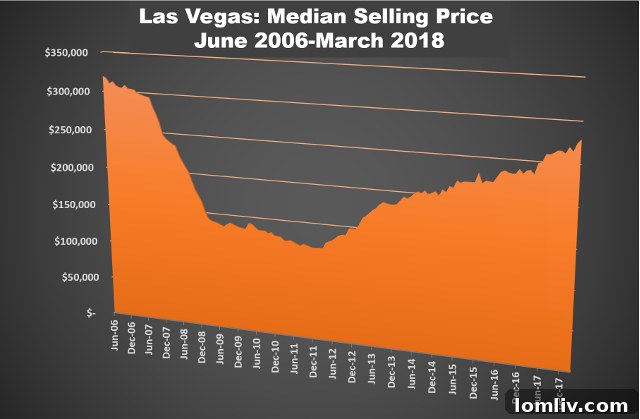
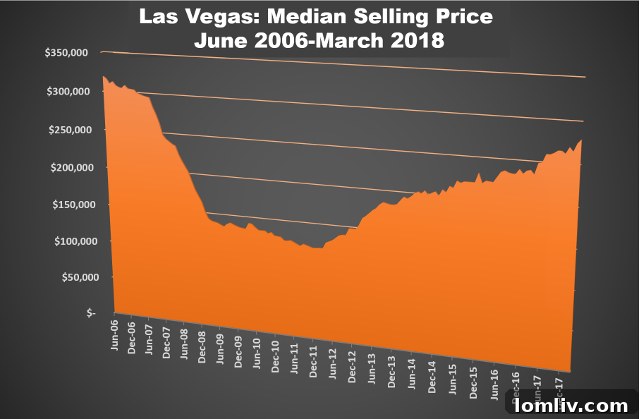
The narrative of the Las Vegas real estate market is often painted with dramatic strokes, much like the city itself. During the Great Recession, news headlines frequently spotlighted Las Vegas as one of the epicenters of the housing crisis, a testament to the profound challenges faced by its residents and economy. The visual data presented above eloquently encapsulates this journey, charting the steep decline into what was colloquially known as the ‘crater’ and the subsequent, equally impressive climb back towards and beyond pre-recession valuations. This remarkable resilience underscores not just a market correction, but a fundamental re-calibration and robust re-establishment of value in the region. It’s a compelling case study in market dynamics and the enduring appeal of Southern Nevada.
For those navigating the dynamic waters of the Las Vegas housing market, particularly from the vantage point of 2018, the landscape offered a compelling blend of opportunities and competitive pressures. While the most dramatic gains from the absolute bottom of the market might have been realized by early bird investors, the market continued to present significant opportunities for building equity. This ongoing potential was not merely speculative; it was firmly rooted in strong underlying economic fundamentals and the intricate supply-demand dynamics shaping Southern Nevada’s property landscape. Understanding these forces is crucial for anyone looking to invest in Las Vegas real estate.
Understanding the Driving Forces: Supply, Demand, and Price Appreciation in Early 2018
As of March 2018, detailed reports from the Greater Las Vegas Association of Realtors (GLVAR) painted a clear picture of a rapidly appreciating market, characterized by severely constrained supply and escalating demand. This period marked a significant acceleration in price growth, distinguishing Las Vegas as one of the nation’s hottest real estate destinations. The critical indicator of market health — the available housing supply — stood at just over a month’s worth of homes. This figure is a strong, undeniable signal of a robust seller’s market, where buyer demand significantly outstrips the available inventory, naturally driving property values and home prices upwards across the board.
Key Market Statistics from March 2018:
- Limited Inventory: The Las Vegas housing market reported just over a month’s supply of homes for sale. To put this into perspective, a balanced market, one that favors neither buyers nor sellers, typically maintains a 5-6 month supply. This extreme scarcity of available properties in Las Vegas at the time fueled intense bidding wars, rapid sales cycles, and a sense of urgency among prospective homebuyers.
- Decreased Listings for Single-Family Homes: Over the preceding year, there was approximately a 30 percent decrease in the number of single-family homes listed on the market. This consistent decline in new listings further exacerbated the existing inventory crunch, pushing buyers into an even more competitive environment and putting upward pressure on single-family home prices.
- Increased Condo Listings: In contrast to single-family residences, the Las Vegas condo and townhome market saw a modest but notable 6.4 percent increase in listings year-over-year. This subtle shift suggested that while the single-family segment was tightening significantly, condos might have offered a slightly less competitive, yet still highly appreciating, entry point for some buyers or investors seeking more affordable alternatives or specific lifestyle benefits.
- Significant Price Increases in Single-Family Homes: Median single-family home sales prices witnessed a remarkable 15.7 percent year-over-year increase. This double-digit growth far exceeded historical averages and underscored the immense strength of buyer demand, coupled with the effectiveness of the market’s recovery initiatives and underlying economic vitality. This appreciation offered substantial equity building opportunities.
- Explosive Growth in Condo and Townhome Prices: The condo and townhome segment experienced an even more dramatic surge, with median prices climbing an astounding 30.1 percent year-over-year. This explosive growth reflected not only a renewed confidence in urban living options and community amenities but also a segment of the market actively seeking more accessible and often amenity-rich alternatives to detached homes in a highly competitive landscape.
These compelling statistics translated into a median single-family home selling price of $280,000 and a median price of $160,000 for condos and townhomes in the Greater Las Vegas area. When juxtaposed against a historical annual appreciation average of approximately 5 percent, the 2018 figures represent an extraordinary period of growth. This exceptional pace of appreciation not only recovered lost value from the recessionary period but also firmly established a new baseline for property values in Southern Nevada, attracting significant attention from both local residents and astute out-of-state real estate investors.
Economic Tailwinds: Fueling the Las Vegas Real Estate Boom
The remarkable performance of the Las Vegas housing market in the years leading up to and including 2018 was not accidental; it was a direct reflection of robust economic expansion across various sectors. Las Vegas, renowned globally for its entertainment and hospitality industries, had been actively diversifying its economic base, drawing in new businesses and residents. This strategic diversification played a crucial role in bolstering the housing market’s foundations, making it less susceptible to single-industry fluctuations and building a more resilient local economy.
Key Economic Drivers Powering Las Vegas’s Growth:
- Thriving Tourism and Convention Industry: The lifeblood of Las Vegas, the tourism and convention industry, continued to thrive, attracting tens of millions of visitors annually and supporting a vast employment sector. Increased visitor numbers translated directly into robust job growth in hospitality, retail, and entertainment, which in turn fueled consistent housing demand.
- Significant Population Influx: Nevada, and particularly the Las Vegas metropolitan area, consistently ranked among the fastest-growing states in terms of population. Many new residents migrated from higher-cost states like California, drawn by the relative affordability of housing, favorable tax climate (no state income tax), and rapidly expanding job opportunities that Las Vegas offered across various new and established industries. This steady stream of new residents created sustained and ever-increasing demand for housing across all segments, from apartments to luxury single-family homes.
- Strategic Diversification of Industries: Beyond its traditional strengths, Las Vegas actively pursued diversification into high-growth sectors such as technology, healthcare, advanced manufacturing, and logistics. Large-scale projects, corporate relocations (like the arrival of professional sports teams and major tech companies), and the expansion of medical facilities brought high-paying jobs, attracting a skilled workforce and further stimulating the Las Vegas real estate market.
- Robust Infrastructure Development: Ongoing and significant investments in infrastructure, including transportation networks (like improved roadways and public transit), and the development of new public amenities, enhanced the overall quality of life and attractiveness of the region. These developments made Las Vegas an even more desirable place to live, work, and invest, fostering long-term confidence in its economic future.
These powerful economic tailwinds created a virtuous cycle: sustained job growth attracted more people, population growth spurred a continually increasing housing demand, and the inherently limited supply of desirable land and existing homes in a sought-after location drove property values skyward. The palpable excitement surrounding Las Vegas’s economic transformation and its corresponding real estate fervor led many market observers to draw comparisons to other rapidly growing metropolitan areas across the U.S., such as Dallas, emphasizing its emergence as a major economic powerhouse.
Strategic Insights for Navigating the Dynamic Las Vegas Market
For those considering a move or an investment in the Las Vegas real estate market, understanding these underlying dynamics is paramount. While the market conditions of 2018 strongly favored sellers due to historically low inventory and exceptionally high demand, they also offered significant opportunities for buyers willing to act decisively and strategically. The potential for building substantial equity remained a core attraction, driven by the city’s continuous growth and magnetic appeal.
Advice for Prospective Buyers in a Competitive Las Vegas Market:
- Act Quickly and Decisively: In a seller’s market with such low inventory, desirable properties tend to sell very fast, often attracting multiple offers within days of listing. Being pre-approved for a mortgage, having all financing in order, and being ready to make a competitive, well-structured offer quickly is absolutely crucial for success.
- Consider All Housing Options: While single-family homes saw significant and rapid appreciation, the robust growth in the Las Vegas condo and townhome market presented viable alternatives. These options potentially offered more accessible entry points into homeownership or real estate investment, often with attractive amenities and prime locations.
- Partner with a Local Real Estate Expert: A knowledgeable and experienced Las Vegas real estate agent can provide invaluable insights into specific neighborhoods, upcoming developments, current market nuances, and effective negotiation strategies tailored to a competitive environment. Their expertise can be the difference between a successful purchase and missed opportunities.
- Embrace a Long-Term Vision: Las Vegas’s demonstrated resilience and long-term growth trajectory suggest that property investments made even during periods of strong appreciation can continue to yield positive returns over time, driven by ongoing economic diversification, sustained population expansion, and the city’s enduring appeal as a global destination.
For Sellers in a Booming Las Vegas Market:
- Strategic Pricing is Key: While demand is high, pricing a home correctly from the outset, based on comparable sales and current market value, can maximize interest, attract a broader pool of qualified buyers, and ultimately lead to quicker sales at optimal prices. Overpricing can still deter potential buyers.
- Presentation Matters Immensely: Even in a hot market, a well-staged, meticulously maintained, and thoughtfully presented home stands out significantly from the competition. Investing in minor repairs, professional cleaning, and appealing staging can potentially fetch higher offers and more favorable terms.
- Navigating Multiple Offers: Sellers in this environment may face multiple offers, requiring careful consideration of not just the highest price, but also other critical factors such as buyer financing contingencies, desired closing dates, and the overall qualifications and reliability of the prospective buyers.
Looking Ahead: The Enduring Appeal and Investment Potential of Las Vegas Real Estate
The remarkable performance of the Las Vegas real estate market, particularly its strong recovery and sustained growth as evidenced in early 2018, solidifies its position as a compelling destination for real estate investment and homeownership. The city’s proven ability to rebound from significant economic challenges and foster a dynamic, diversifying economic environment speaks volumes about its enduring appeal and future prospects. With continued population growth, ongoing economic diversification, and a vibrant, unparalleled lifestyle, Las Vegas remains a market ripe with potential for building substantial equity and long-term wealth.
The lessons learned from the ‘crater’ period have instilled a degree of caution and strategic planning into the market’s stakeholders, ensuring that current and future growth is often underpinned by stronger fundamentals and more sustainable practices than in previous boom cycles. Whether you are a first-time homebuyer, an experienced investor, or someone seeking a new chapter in a city that truly never sleeps, Las Vegas offers a unique blend of excitement, opportunity, and a continually appreciating real estate landscape that commands attention.
For an even deeper dive into the market specifics and further expert analysis of the Las Vegas real estate heatwave, be sure to explore more detailed reports and insights available from reputable sources like SecondShelters.com, which provide comprehensive perspectives on this dynamic Southern Nevada market.