For parents observing their children immerse themselves in the vibrant world of LEGOs and classic Tinker Toys, there’s a powerful message of reassurance and inspiration. That intense focus and imaginative play could very well be the nascent spark of a future renowned architect. The intricate process of stacking bricks, connecting pieces, and envisioning structures often serves as a foundational learning experience, nurturing spatial reasoning, problem-solving skills, and an early appreciation for design principles.
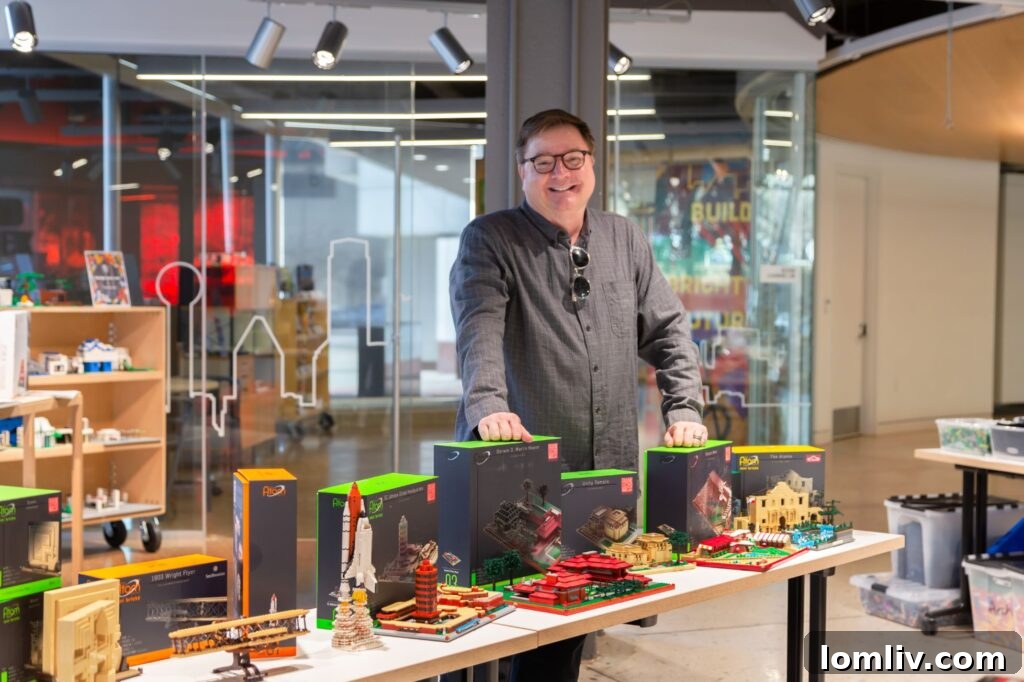
This profound connection between childhood play and professional aspiration is brilliantly showcased in the captivating exhibition, “Building Toys & Toy Buildings: Brickitecture,” presented by American Institute of Architects (AIA) luminary, Blane Ladymon. Currently on display at the prestigious Architecture and Design Exchange (AD | EX) until February 11th, this exhibit is more than just a collection of models; it’s a journey into the power of creative construction.
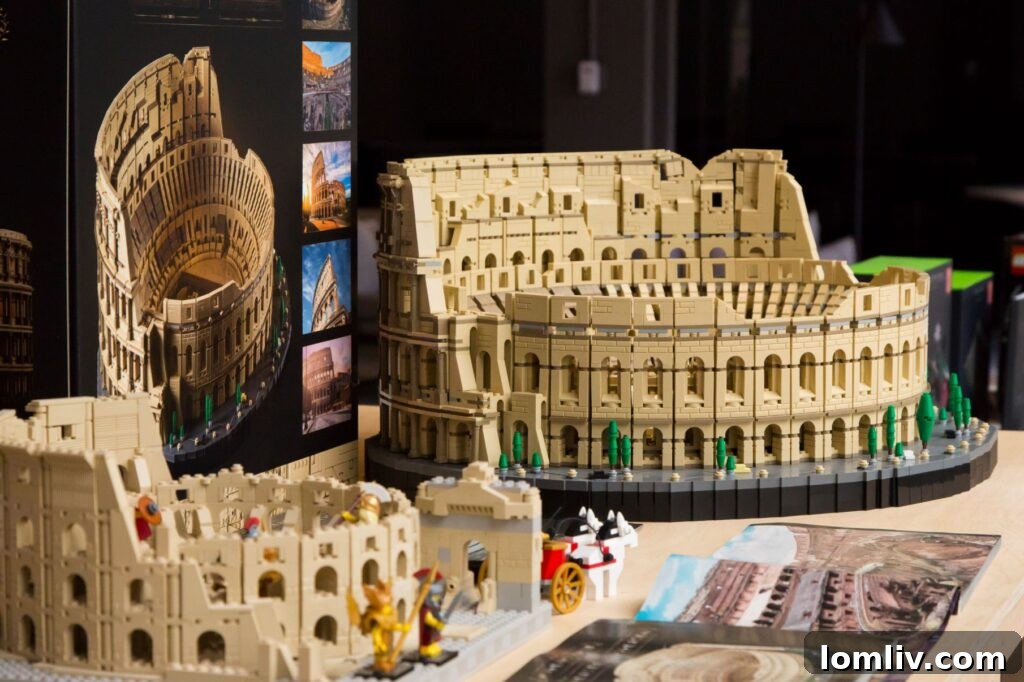
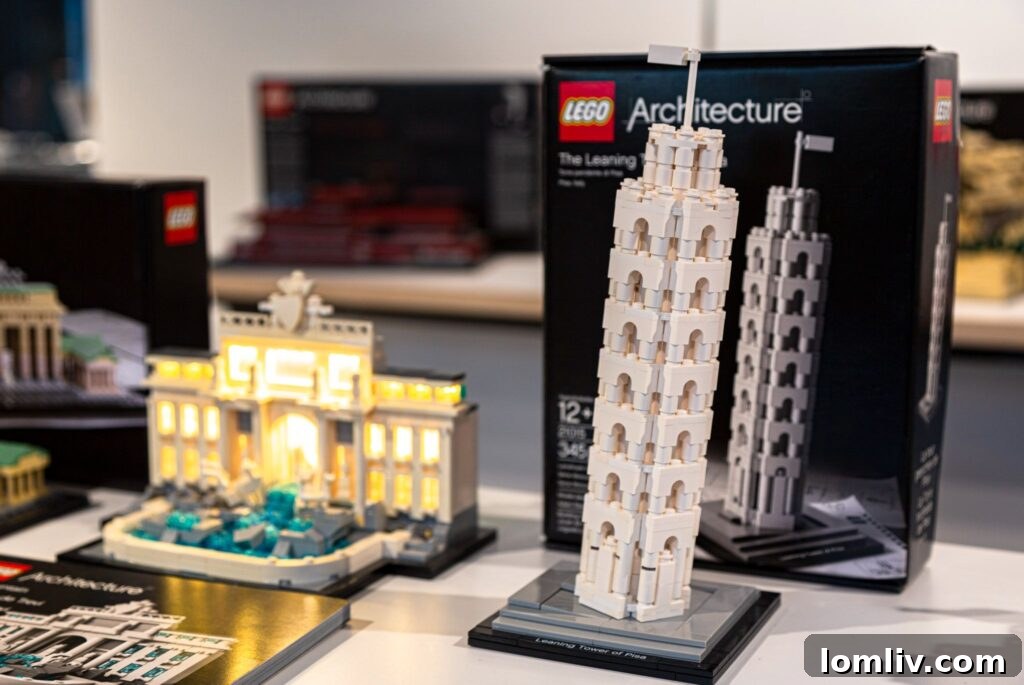
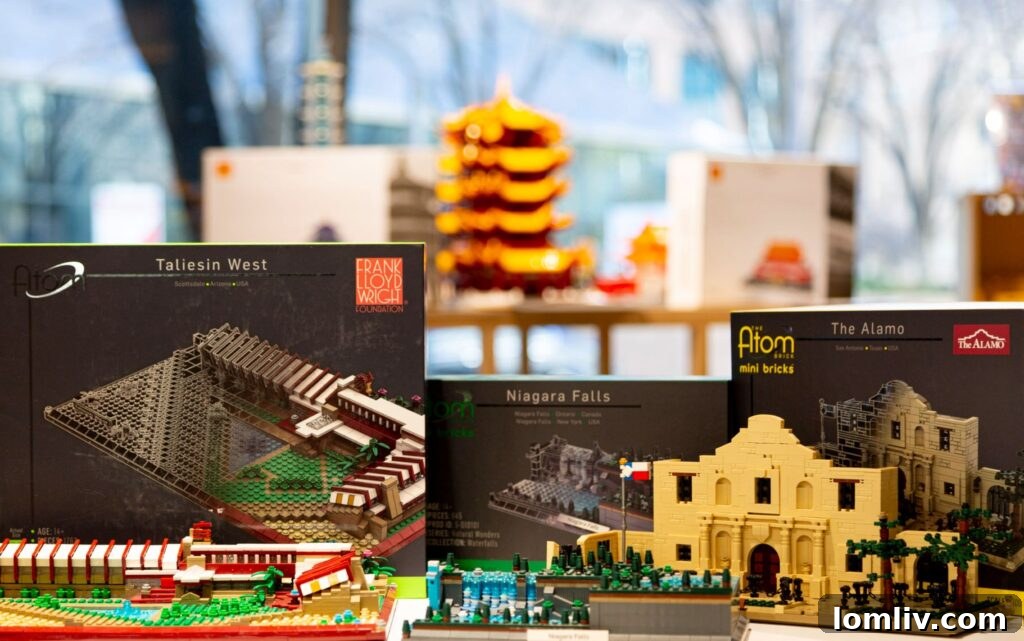
In a recent interview with daltxrealestate.com, Ladymon articulated the essence of “Brickitecture.” He explained that the exhibition masterfully explores some of the world’s most famous architectural icons, meticulously recreated on a micro-scale using the ubiquitous toy building brick. Visitors are treated to stunning miniature renditions of structures that have shaped our built environment, offering a fresh perspective on their design and engineering.
Ladymon’s personal narrative is intrinsically woven into the fabric of the exhibit. “I started building with LEGOs when I was a kid and that’s what got me into architecture,” he shared, reflecting on his formative years. “I built my own little cities out of LEGOs.” This sentiment resonates with countless architects and designers globally, highlighting how early engagement with tactile, constructive play can lay the groundwork for a lifelong passion and a distinguished career. The exhibit serves as a testament to the idea that the simplest toys can be powerful educational tools, igniting curiosity and fostering a deep understanding of structural integrity and aesthetic form.
Expanding on this educational mission, Blane Ladymon is enthusiastic about sharing his passion with the next generation of builders and dreamers. He plans to host the highly anticipated Brickitecture Family Day, an interactive event scheduled for Saturday, January 21st, from 10 a.m. to noon. This special occasion offers a unique opportunity for local children and their parents to engage directly with the principles of architecture. Attendees can purchase tickets for $30, which includes a comprehensive building kit and an instruction manual, along with complimentary doughnuts and coffee to fuel their creative endeavors.
During Family Day, Ladymon will deliver an insightful, brief talk on the grandeur and historical significance of Greek architecture. Following this engaging presentation, families will be invited to design their own rendition of the iconic Parthenon, the former temple dedicated to the goddess Athena. This hands-on activity not only provides a fun, collaborative experience but also introduces fundamental architectural concepts, allowing participants to appreciate the classical proportions, column structures, and historical context of one of the world’s most enduring symbols of democracy and art.
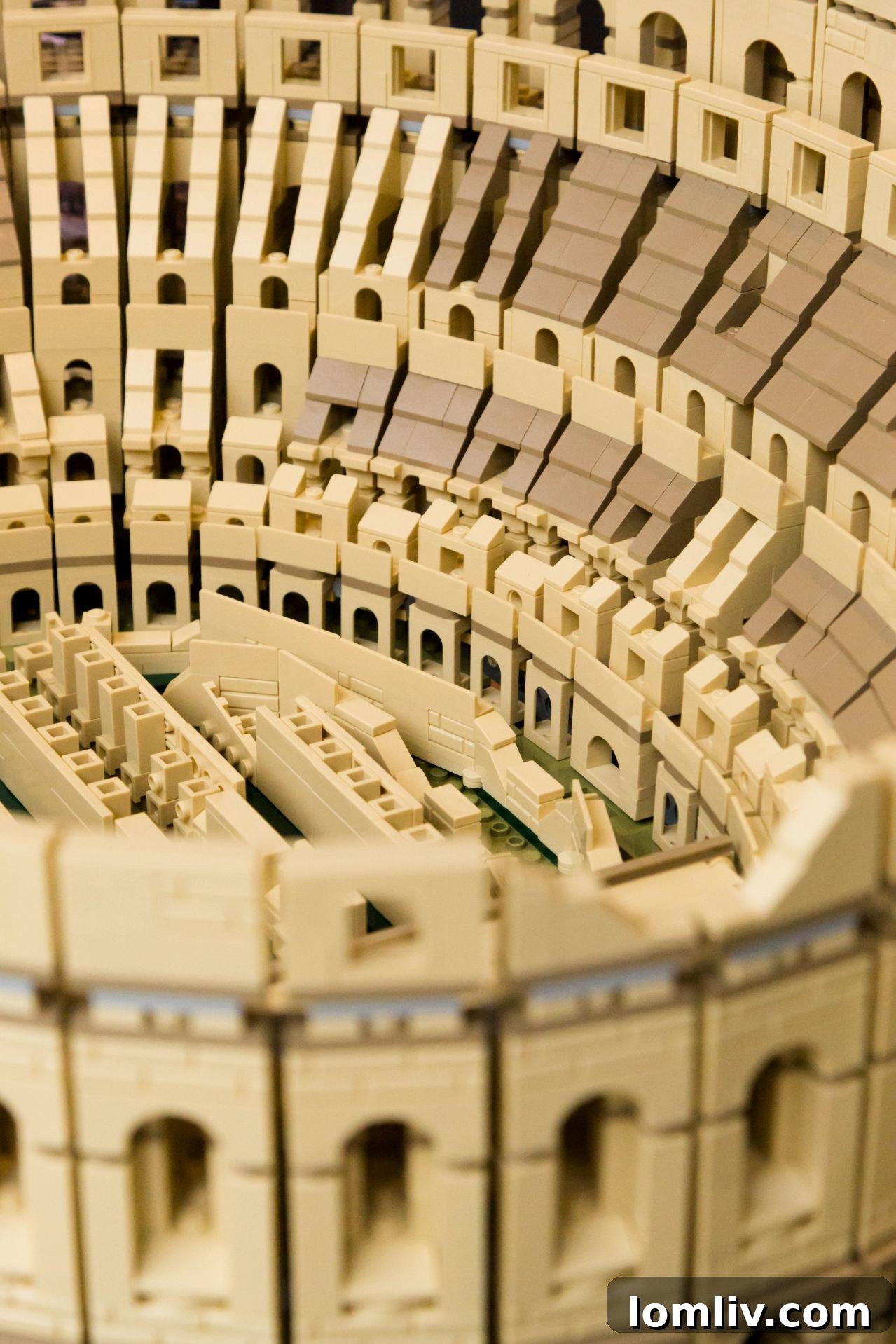
Ladymon further emphasized the distinct cognitive benefits of working with physical building blocks. He explained that engaging with LEGOs activates a creative part of the brain that remains largely dormant when interacting with digital mediums like video games or even sophisticated architectural modeling software. “Using your hands to actually make something is a rarity in today’s society,” he noted, highlighting the increasingly digital nature of modern life.
The architect finds immense personal satisfaction in the tactile process of building. “I personally find it more satisfying to build models than to draw and sketch. I get to visualize it a lot easier when I can see it in 3D. You get to see the proportions and the shapes. It’s not just architecture; it also teaches you the basics of engineering.” This direct engagement with three-dimensional form allows for an intuitive understanding of scale, balance, and structural integrity, crucial elements in both architecture and engineering. The physical act of construction provides immediate feedback, allowing for adjustments and experimentation that deepens the learning process far beyond what a screen can offer.
The Building Blocks of Connection: A Pandemic Success Story
The origins of the “Brickitecture” exhibit are a testament to innovation and community engagement, emerging serendipitously during the challenging times of the COVID-19 pandemic. Approximately three years ago, Katie Hitt, the managing director of AD | EX, learned about Ladymon’s extensive LEGO collection. This discovery proved to be a pivotal moment for the institution.
“When COVID struck, Katie had to shut down all the exhibits because nobody was allowed to come in,” Ladymon recounted. Faced with closed doors and a mission to connect with the public, Hitt conceived of a creative solution. “She was thinking if we put the LEGO models in the window, that would attract some people. She was really surprised. She got a lot of traffic.” This simple yet ingenious idea transformed the AD | EX windows into an accessible public gallery, offering a beacon of creativity and hope during a period of widespread isolation. The unexpected success underscored the universal appeal of LEGOs and their power to draw people in, regardless of age or background.
What began as a necessity quickly evolved into a beloved annual tradition. The event has steadily grown in popularity, and this year marks the third consecutive showcase of LEGO architecture at AD | EX. Each iteration brings new models, fresh perspectives, and a continually growing audience, solidifying “Brickitecture” as a cornerstone event for the Dallas community and a vibrant example of how art and play can adapt and thrive even in adversity.
While the exhibit joyfully embraces the playful spirit of children’s toys, it’s crucial to recognize that its appeal extends far beyond kids and their parents. Ladymon highlighted a significant global movement known as AFOL, or “Adult Fans of LEGOs.” He emphatically stated, “This is not just a thing; it’s an international phenomenon.” This dedicated community comprises adults who rediscover, continue, or deepen their engagement with LEGOs, transforming it from a childhood pastime into a sophisticated hobby, an artistic medium, or even a professional pursuit.
The scale of the AFOL movement is truly staggering. “You will be amazed. There are conventions throughout the world. You will find hundreds of thousands of videos on YouTube,” Ladymon added, painting a vivid picture of a passionate and interconnected global network. These enthusiasts organize large-scale conventions, share intricate custom builds, and foster a thriving subculture around creative LEGO construction, demonstrating that the joy of building has no age limit and can lead to incredible feats of engineering and artistic expression.
Despite his significant contribution to the “Brickitecture” exhibit, Ladymon humbly states that his personal LEGO collection, while substantial, “pales in comparison to some AFOLs.” However, his collection is impressive in its own right and certainly fuels the scale of the exhibit. “I tell my wife it could be worse,” he quipped, “I could have a hobby of collecting expensive cars or motorcycles.” This lighthearted remark underscores the widespread and often underestimated investment of time, creativity, and resources that goes into serious LEGO collecting and building.
Providing a glimpse into the sheer volume of his collection, Ladymon revealed, “The exhibit itself probably has 70,000 to 80,000 pieces. I’ve probably got about 150-plus sets. We’ve got 15 city skylines and I’ve got four more coming in. The new Eiffel Tower came in and that’s 10,000 pieces alone.” These figures illustrate the meticulous dedication required to curate such an extensive and diverse collection, capable of inspiring awe and wonder in visitors of all ages. Each set and individual brick contributes to a rich tapestry of architectural possibilities, bringing iconic structures and imaginative landscapes to life in miniature form.
The Accessible LEGO Lab: Inspiring Creative Minds at AD | EX
The “Brickitecture” LEGO exhibit has consistently proven to be one of the most popular and impactful events hosted at the AD | EX studios, located at 325 North St. Paul St. in downtown Dallas. Beyond its role as an engaging public attraction, it serves a dual purpose: educating the public about the fascinating world of architecture and design, and effectively showcasing the vital work done within the offices of AD | EX.
AD | EX functions as the public outreach arm of the American Institute of Architects (AIA) Dallas chapter. Its mission extends beyond professional architects, aiming to make architecture and design accessible and inspiring for the broader community. This includes offering engaging summer camps that introduce young minds to design principles, providing youth scholarships to foster future talent, and organizing public events that illuminate the impact of thoughtful design on our lives. The AIA is perhaps most widely recognized for its highly anticipated annual home tour, which offers a rare glimpse into outstanding residential architecture and innovative design solutions across the region.
Ladymon clarified the synergistic relationship between these entities: “They work together, but you don’t have to be an architect to be a member of the AD | EX.” This inclusivity is key to AD | EX’s success, welcoming anyone with an interest in design, regardless of their professional background, and offering a platform for learning, collaboration, and community engagement in the architectural realm.
For those unable to attend the specific Brickitecture Family Day, AD | EX provides a fantastic ongoing opportunity through its dedicated LEGO Lab. This innovative space allows kids, and adults alike, to drop in spontaneously and unleash their creativity. Whether aspiring to construct a whimsical treehouse, a towering skyscraper, an imaginative spaceship, or any other creation they can dream up, the LEGO Lab offers an open-ended environment for free-form building and exploration. It’s a place where imagination knows no bounds and every brick holds endless potential.
“We have all these creations that kids have created over the past year,” Ladymon proudly noted, emphasizing the vibrant display of past projects that inspire new visitors. The visible collection of diverse models serves as a powerful invitation. “People walk by and see them in the window, and we invite them to come in and create.” This approach effectively transforms passive onlookers into active participants, fostering a sense of community and shared creativity within the AD | EX space. The LEGO Lab dramatically expands the reach and appeal of AD | EX to a broader demographic.
Ladymon shared an anecdote illustrating this broad appeal: “I was down there on Friday and there was a guy my age, in his 50s, just looking around. People don’t walk in off the street to look at the Charles Dilbeck exhibit. The LEGOs bring a lot of people into the space and expose them to AD | EX and what it does.” This insight highlights the unique power of LEGOs as a universal connector. They act as an accessible entry point, drawing diverse individuals into an environment dedicated to architecture and design, often introducing them to other enriching exhibits and programs they might not have otherwise discovered.
To further enhance the interactive experience and expand its reach, visitors are enthusiastically invited to share their LEGO Lab creations on social media using the dedicated hashtag #ADEXlego. This not only promotes the exhibit and AD | EX’s mission but also builds a dynamic online community around shared creativity. Moreover, participants have the option to leave their unique structures as part of the visitor gallery, contributing to an evolving, collaborative exhibition that celebrates the collective imagination of the Dallas community. This continuous cycle of creation, sharing, and display underscores the enduring legacy of play in shaping our understanding and appreciation of the built world.