The urban landscape of Dallas-Fort Worth (DFW) is at a pivotal juncture, a message powerfully conveyed by the recent release of “The WalkUP Wake-Up Call: Dallas-Fort Worth.” While its initial unveiling might have been subtle, the implications for real estate investment, regional development, and community well-being are nothing short of monumental. This groundbreaking report serves as an essential guide for stakeholders across the metroplex, illuminating a path toward more prosperous, sustainable, and equitable urban growth.
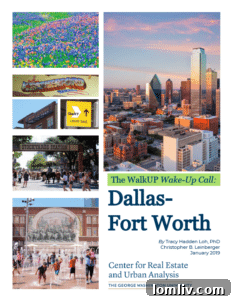
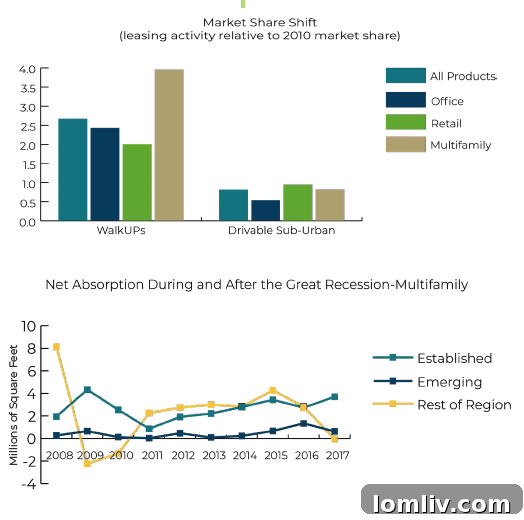
This comprehensive study represents the most extensive analysis ever conducted on Dallas-Fort Worth concerning the nation’s most profitable real estate typology: Walkable Urban Places, or WalkUPs. These dynamic, pedestrian-friendly environments are consistently outperforming other development models, demonstrating a clear advantage in property values, significantly lower vacancy rates, and the ability to command higher rental income. Even during periods of economic downturn, such as the last recession, WalkUPs exhibited remarkable resilience, experiencing quicker leasing cycles and more stable occupancy compared to areas designed primarily for vehicular access and suburban sprawl.
Beyond their financial prowess, Walkable Urban Places are increasingly recognized for their multifaceted benefits. Research indicates they are the most economically, socially, environmentally, and even psychologically advantageous type of real estate development. They foster community engagement, promote healthier lifestyles, reduce carbon footprints, and contribute to a more vibrant local economy. This holistic approach to urban planning makes WalkUPs a crucial component for any region aiming for sustainable long-term prosperity.
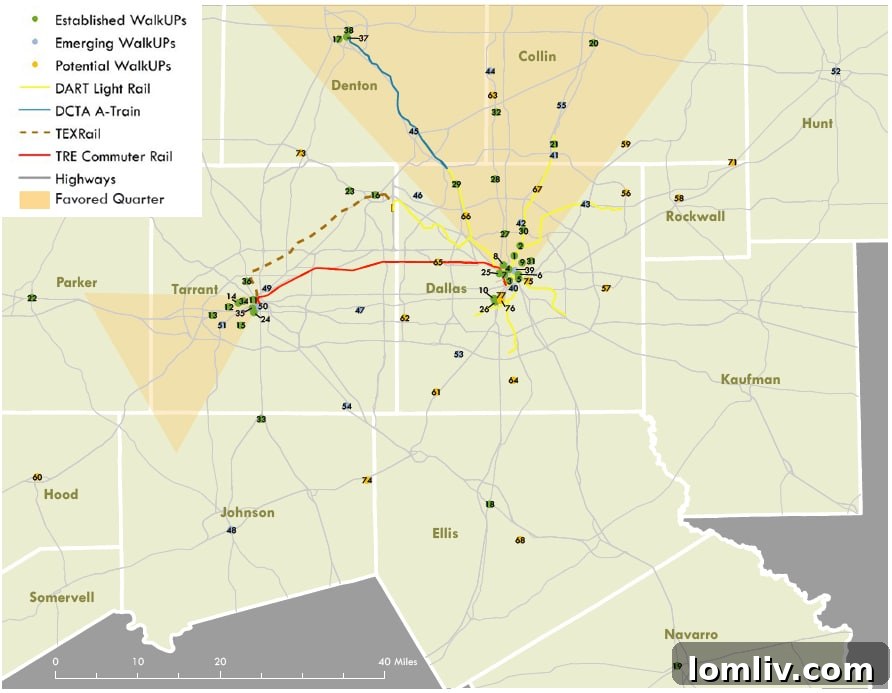
The report, meticulously compiled by a team of expert researchers from George Washington University’s esteemed Center for Real Estate and Urban Analysis, precisely pinpoints the areas within DFW that embody this burgeoning national trend. It meticulously dissects the key indicators that define successful Established WalkUPs and highlights the Emerging WalkUP markets that present compelling opportunities for strategic investment and future development. The findings offer a clear roadmap for developers, investors, and city planners seeking to capitalize on this transformative urban shift.
For many local observers, the core concepts presented might resonate strongly. D Magazine‘s groundbreaking special issue on New Urbanism, published the previous summer, had already revealed some of the initial findings from this pivotal report, setting the stage for a deeper understanding of DFW’s urban future.
Defining Walkable Urban Places: A Blueprint for Modern Cities
“WALKABLE URBAN: This form of de-velopment had been the default mode worldwide until the mid-20th century. It has much higher densities than drivable sub-urban, four to 80 times denser, with multiple land uses in close walking proximity. Walkable urban places usually employ multiple modes of transportation, including cars/trucks, rail and bus transit, bikes/scooters, and walking, that get people and goods in and around the place. Once there, nearly everything is within walking distance. Walkable urban places are defined by “walking distance,” which is about 3,000 feet or half a mile.” – The WalkUP Wake Up Call: Dallas-Fort Worth
This concise definition from “The WalkUP Wake Up Call” provides the fundamental understanding of what constitutes a Walkable Urban Place. It’s a return to human-scaled development, prioritizing pedestrian access and diverse transportation options over sole reliance on automobiles. These environments are characterized by their intense density, often 4 to 80 times greater than typical suburban developments. This density supports a rich tapestry of mixed land uses, where residential, commercial, retail, and recreational facilities are interwoven, all within a comfortable walking distance, generally considered to be about 3,000 feet or half a mile. This design fosters spontaneous interactions, supports local businesses, and creates a vibrant street life that is often missing in auto-centric communities.
DFW’s Untapped Potential: Addressing the WalkUP Supply-Demand Gap
The WalkUP Wake Up Call starkly reveals a significant and pressing supply-demand imbalance in the DFW metroplex, estimating that it “could take a generation of new construction for this pent-up demand to be satisfied.” Despite the clear economic advantages, land developed as WalkUPs currently comprises less than one percent of the entire DFW region. Furthermore, the area possesses only one regionally significant WalkUP for every 200,000 residents. When compared to other similarly populous and historically auto-centric metropolitan areas like Washington D.C. and Atlanta, the DFW region falls considerably short. The study suggests that DFW could comfortably support at least an additional 25 significant WalkUPs, in addition to substantially increasing the density, functionality, and walkability of its already established WalkUPs.
Meeting this escalating demand for walkable communities is not merely an urban planning aspiration; it is poised to become a foundational pillar of the regional economy. A concerted effort to develop more WalkUPs will significantly boost overall economic output, generate substantial job opportunities across various sectors, and deliver increased tax revenues for local municipalities. This represents a tangible pathway to long-term economic vitality and competitive advantage for Dallas-Fort Worth in the national landscape.
Categorizing Walkable Urban Environments: The 9 WalkUP Types
The report thoughtfully categorizes WalkUPs into nine distinct types, providing a nuanced understanding of their varied characteristics and potential within the DFW region:
9 Types of WalkUPs
- Downtown: The quintessential urban core, characterized by high density, diverse uses, and major employment centers. (Examples: Downtown Dallas, Downtown Fort Worth)
- Downtown Adjacent Neighborhoods: Areas immediately bordering the downtown core, often experiencing spillover development and vibrant revitalization. (Examples: Uptown, Deep Ellum, West 7th/Left Bank)
- Urban Commercial: Densely developed commercial corridors with a strong mix of retail, dining, and often residential components. (Examples: Lower Greenville, Bishop Arts, Magnolia/Fairmont)
- Urban University: Neighborhoods centered around academic institutions, benefiting from student populations, campus facilities, and associated commercial activity. (Examples: SMU-Mockingbird, Downtown Denton, UNT, TCU/West Berry)
- Innovation District: (Notably missing in DFW) These are specialized areas designed to foster research, technology, and entrepreneurship, often integrated with universities or medical centers. Their absence highlights a potential growth area for DFW.
- Major Suburban Town Center: Densely planned, mixed-use centers within suburban settings, often serving as a hub for multiple communities. (Examples: Downtown McKinney, Downtown Carrollton, Downtown Waxahachie)
- Small Town Centers: The historic cores of smaller towns or distinct neighborhoods, often retaining a strong sense of place and local character. (Examples: Downtown Plano, Downtown Burleson, Downtown Corsicana)
- Redeveloped Drivable Suburban: Former auto-centric suburban areas that have undergone significant transformation to incorporate walkable, mixed-use elements. (Examples: Park Lane, Preston Center)
- Greenfield: New developments built from the ground up on previously undeveloped land, designed with walkable urban principles from inception. (Examples: Addison Circle, Southlake Town Center, Legacy Town Center)
This comprehensive typology not only illustrates the sheer variety of walkable environments but also helps to identify specific development strategies applicable to different contexts within the vast DFW metroplex. It highlights that walkable urbanism isn’t a one-size-fits-all solution but a spectrum of possibilities.
The Critical Imperative: Social Equity in Walkable Urban Development
Beyond simply demonstrating the acute disconnect between supply and demand for WalkUPs, one of the most groundbreaking and critical aspects of the report is its detailed social equity assessment. The study delves deeply into identifying and analyzing places that are not only highly walkable but also exemplify diversity across a spectrum of crucial indicators. This includes a wide range of housing price points, varied retail and office costs, a diversity of residential options (from apartments to single-family homes), and robust transportation alternatives that cater to all income levels. This focus on equity ensures that the benefits of walkable urbanism are accessible to everyone, not just a privileged few.
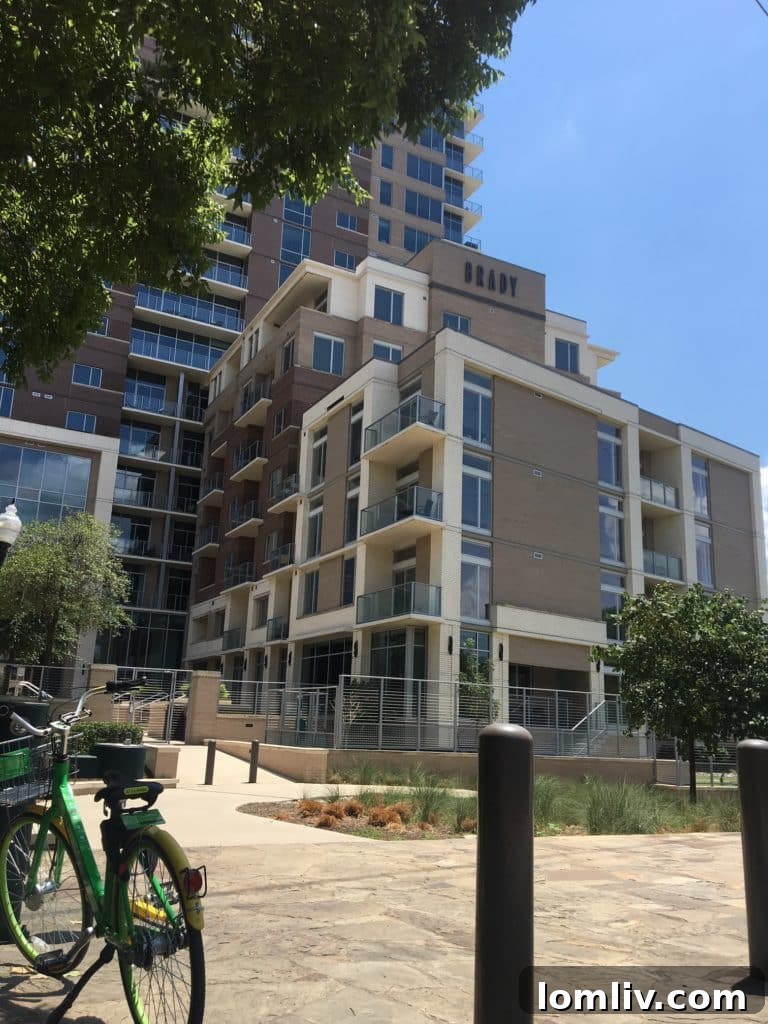
DFW presents a unique challenge when it comes to the intersection of walkability and social equity, especially when compared to other metropolitan areas analyzed in similar WalkUP studies. Strikingly, the region’s highest-performing walkable urban places—such as Southlake Town Center and Preston Center—also registered the lowest scores on the social equity index. This stark contrast is uncommon. In other regions, researchers typically observe either more proactive and aggressive affordable housing policies integrated into walkable developments or much more extensive and efficient public transit systems that effectively connect WalkUPs to a broader range of communities, thus enhancing accessibility and inclusivity.
“It’s just as easy to create exclusive places on purpose as it is to create amazing, diverse places.”
– Tracy Hadden Loh, Lead Researcher for The WalkUP Wake Up Call: Dallas-Fort Worth
This insightful quote from Tracy Hadden Loh, the lead researcher for the DFW report, underscores a critical design philosophy: the choice between creating exclusive enclaves or fostering genuinely diverse and inclusive communities lies directly within the hands of planners and developers. It’s a powerful reminder that intentional design can either perpetuate inequality or actively work to dismantle it.
Addressing Affordability and Inclusivity in DFW
While the median household income in DFW ($63,870) is notably higher than the US metro average ($54,240), and regional housing costs are generally lower, the affordability challenge in DFW isn’t about the overall cost of living. Instead, the core issue stems from the significant *spatial inequity* of affordable housing. This means that affordable housing options are often concentrated in specific areas, far removed from employment centers, educational opportunities, and the amenities found in WalkUPs. This spatial mismatch creates a disproportionate burden on lower-income families, necessitating longer commutes and higher transportation costs.
Both the US Department of Housing and Urban Development (HUD) and the US Department of Transportation (DOT) advocate for the use of the Housing and Transportation Affordability Index to comprehensively assess the social equity of a given place. This index crucially acknowledges that transportation expenses are not merely an ancillary cost but play an integral role in a family’s overall housing budget. In a well-designed walkable urban neighborhood, a family might comfortably thrive with just one car, or even forgo a second vehicle altogether. The ability to walk to grocery stores, schools, workplaces, and entertainment significantly reduces expenditures on gasoline, vehicle maintenance, and insurance. Unfortunately, such vital options remain scarce for lower-income families residing in many parts of DFW, exacerbating their financial strain. The report emphasizes that this situation is not an inevitability but a result of past planning decisions that can be consciously altered through proactive urban strategies.
Moreover, the development of new WalkUPs, while beneficial, often brings with it the complex challenge of gentrification. This trend, where property values and rents rise in newly desirable, walkable neighborhoods, consequently displacing existing residents and businesses, is observed nationwide. DFW is no exception, and many residents can readily identify neighborhoods within the metroplex currently experiencing these transformative and often contentious forces.
The report quantifies this impact: for-sale housing located directly within a WalkUP typically commands a premium of 2x the regional average, while properties within a half-mile radius still enjoy a significant 1.7x premium. By failing to adequately increase the supply of WalkUPs to meet the burgeoning demand, and by not implementing robust policies that incentivize more equitable development and preserve existing affordability, DFW risks intensifying its already critical regional affordable housing crisis. The very success of WalkUPs, if not managed with conscious equitable strategies, could inadvertently deepen social and economic divides.
Charting a Path Forward: Lessons from DFW’s WalkUPs
Given these complex dynamics, the question arises: which DFW WalkUP currently boasts the highest social equity score? The report identifies West Jefferson Boulevard in North Oak Cliff. This vibrant corridor, located just a few blocks from the rapidly redeveloping Bishop Arts District, serves as a fascinating snapshot of a unique neighborhood in transition, where the forces of investment, growth, and community preservation are actively playing out. Its success in maintaining a high degree of social equity, despite proximate development pressures, offers valuable lessons. However, its specific historical context and organic development make its replicability as a model WalkUP a subject for further analysis and debate.
The path forward for Dallas-Fort Worth is illuminated by the insights of “The WalkUP Wake-Up Call,” but it requires deliberate and transformative action.
“The present moment is a major challenge — and opportunity. However, it requires rethinking the way we plan, invest, and manage the built environment—as well as a conscious approach to improving social equity.”
– The WalkUP Wake Up Call: Dallas-Fort Worth
This concluding statement from the report encapsulates the urgency and the potential of the current moment. It’s a call to action for urban planners, policymakers, developers, and community leaders to fundamentally rethink traditional approaches to planning, investment, and the management of our built environment. A conscious, proactive commitment to improving social equity must be woven into the fabric of every new development and every revitalization project. Only then can DFW truly unlock the full potential of its Walkable Urban Places to become engines of prosperity and inclusivity for all its residents.
To delve deeper into these critical insights and fully grasp the future trajectory of urban development in Dallas-Fort Worth, you are encouraged to read the full report for yourself.
And if you’d like to discuss where we go from here, join the Congress for the New Urbanism TONIGHT Wednesday, April 10, from 6 to 8 p.m. at WeWork Downtown Dallas (1601 Elm St, 33rd floor).