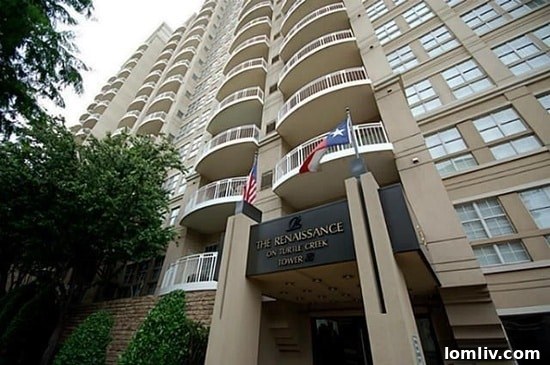
The upscale Renaissance luxury condominium tower, a prominent fixture in the prestigious Turtle Creek neighborhood of Dallas, recently became the site of a dramatic and concerning incident: a multi-level parking garage collapse. This significant event has not only sent shockwaves through the local community but also raised crucial questions about structural integrity, ongoing construction projects, and building safety within high-density urban environments. As authorities swiftly moved to secure the area and launch a thorough investigation, residents and property owners in Dallas are closely following developments, seeking answers and reassurance regarding the safety of their urban residences.
To gain a deeper understanding of the unfolding situation and its immediate impact, our team reached out to Keith Head. Mr. Head, a highly respected branch manager and associate broker for Coldwell Banker, offers a unique and invaluable perspective on this ongoing story, not only as a real estate professional deeply familiar with the Dallas market but also as a resident of The Renaissance itself. His dual role provides an intimate look into the challenges and concerns facing the community following such an unforeseen structural failure. His insights are crucial for grasping the on-the-ground reality and the potential broader implications for Dallas’s luxury condominium landscape.
The scale of the damage is evident from initial reports and photographic evidence. The parking garage, an integral part of this prominent Dallas residence, suffered a severe structural collapse that experts believe initiated on its uppermost level. This initial failure triggered a catastrophic chain reaction, with each subsequent floor below succumbing to the immense and rapidly accumulating weight of the debris from the levels above. This “pancake” effect resulted in widespread destruction within the garage, rendering it completely unusable and posing significant safety hazards. The visual impact alone underscores the severity of the incident and the challenges faced by emergency responders.
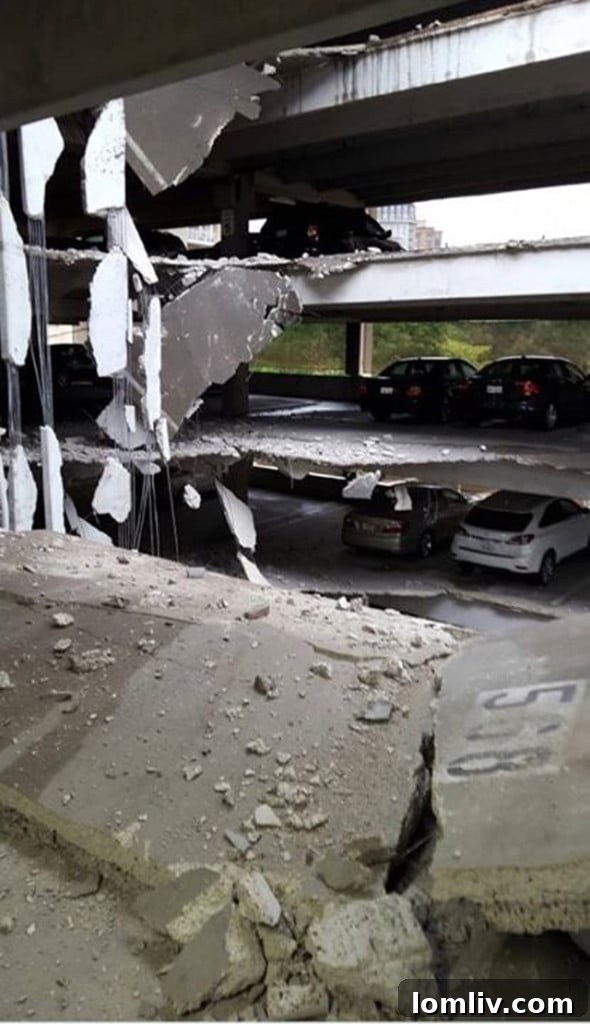
In the immediate aftermath, emergency protocols were rigorously implemented. The entirety of the parking garage was, of course, instantly shut down, denying access to vehicles and ensuring no further injuries. Furthermore, the building’s elevators, which directly connect to the garage levels, were also taken out of service as a precautionary measure, creating significant logistical challenges for residents needing to move within the high-rise structure. Beyond the property’s immediate perimeter, a vital artery of Dallas, Turtle Creek Boulevard, was promptly closed to traffic. This closure extended specifically from Lemmon Avenue to the prestigious Mansion on Turtle Creek, effectively cutting off a significant portion of local traffic flow and highlighting the disruption caused by this major incident. The area remains under strict control as emergency services continue their assessment and recovery efforts.
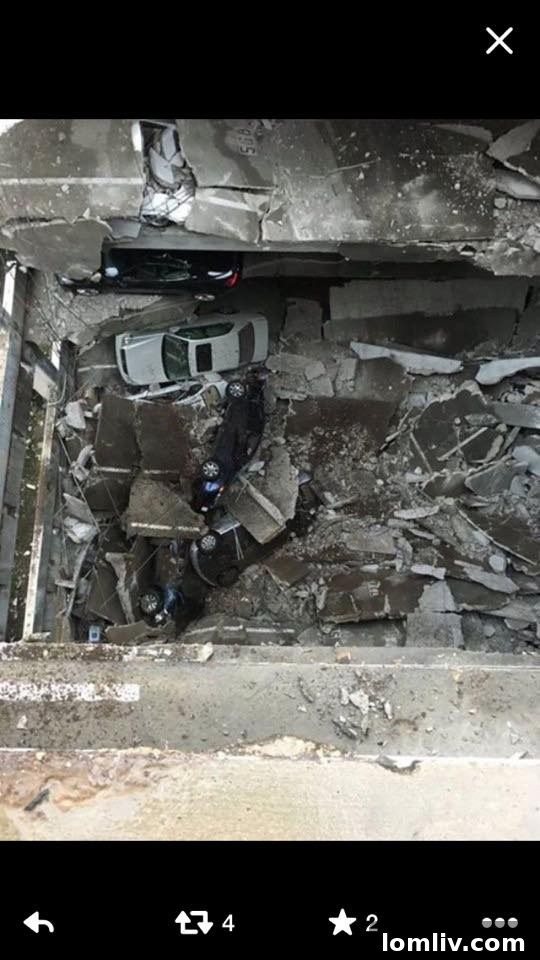
The ramifications of such a structural collapse extend far beyond the immediate physical damage. For the residents of The Renaissance, a building known for its luxury amenities and prime location, the incident has brought about a multitude of disruptions. Access to vehicles, a fundamental aspect of urban living, has been severely compromised, forcing residents to seek alternative parking solutions and impacting daily commutes. The closure of the building’s elevators further complicates daily routines, particularly for those living on higher floors or individuals with mobility challenges. The incident also casts a long shadow over the future of the building, raising concerns about repair timelines, insurance claims, and the potential long-term impact on property values in this highly sought-after Dallas neighborhood.
The cause of the Renaissance Dallas parking garage collapse is currently under intense investigation by structural engineers, city officials, and emergency services. While definitive conclusions are yet to be drawn, initial observations suggest a complex interplay of factors may have contributed to the catastrophe. Experts will be examining various elements, including the original design and construction integrity of the garage, the age of the structure, routine maintenance records, and any potential external stresses or unusual loads present at the time of the collapse. Understanding whether the failure was due to material fatigue, design flaws, inadequate maintenance, or a specific triggering event will be critical for both addressing the immediate crisis and preventing similar incidents in other urban structures. The investigation will undoubtedly be thorough, meticulously analyzing every piece of evidence to reconstruct the events that led to this significant structural failure in a prominent Dallas luxury residential building.
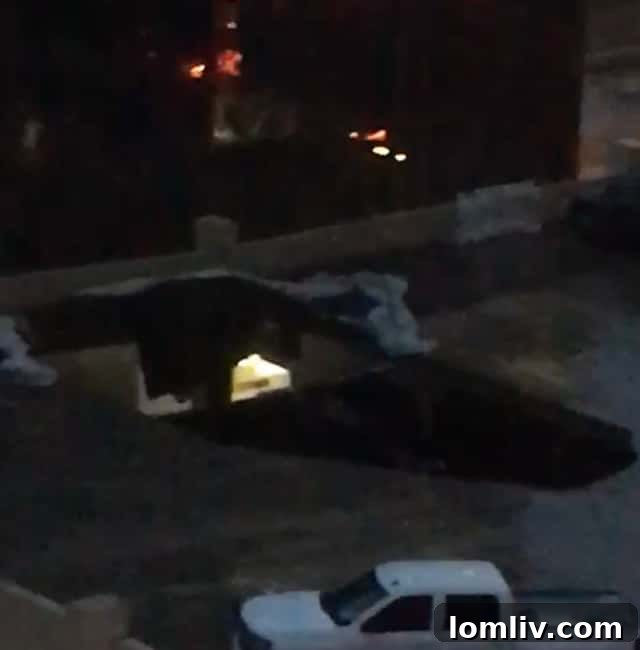
Adding another layer of complexity to this unfolding narrative is the revelation that The Renaissance was, at the time of the collapse, in the midst of a substantial renovation project. This ambitious undertaking, valued at an estimated $1 million, focused on overhauling the pool deck and its surrounding amenity areas. The catalyst for this extensive repair work was the discovery of a defective sealing layer beneath the original pool decking. This flaw had unfortunately led to persistent water leakage into the garage levels below, prompting the need for comprehensive remedial action. The renovation involved the careful removal of the existing pool decking to allow for the installation of new, robust waterproofing and sealing layers designed to prevent future water intrusion. This expensive and necessary project was aimed at preserving the building’s infrastructure and enhancing resident experience, underscoring the proactive measures taken by the building management to maintain its high standards.
It is imperative to clarify a critical geographical detail concerning the ongoing renovation and the location of the collapse. Multiple sources and visual evidence confirm that the extensive pool area, which was undergoing the $1 million repair, is situated on the *opposite side* of The Renaissance complex from where the catastrophic parking garage collapse occurred. This distinction is crucial, as it suggests the pool deck renovation itself was not directly at the point of structural failure. However, a significant detail has emerged regarding contractor operations: it was noted that the contractor involved in the renovation had been storing a considerable amount of equipment and materials in the vicinity of the collapse area within the parking garage. This raises pertinent questions for investigators: Was the stored equipment excessively heavy? Was it placed in a manner that created localized stress points? Or was its presence merely coincidental to an already compromised structure? The interplay between ongoing construction activities, even if not directly at the failure point, and the structural integrity of an aging building demands thorough scrutiny as part of the official investigation into the parking garage collapse.
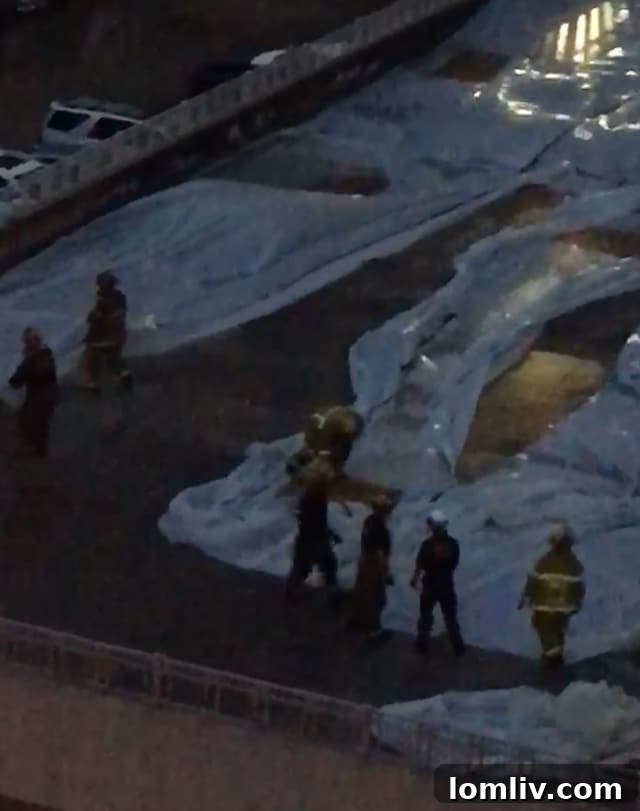
Providing a valuable timeline of events leading up to the structural failure, Mr. Keith Head recounted details about the contractor’s actions concerning the pool deck renovation. He noted that just the day prior to the collapse, contractors had diligently applied temporary plastic sheeting over the exposed pool deck. The explicit purpose of this sheeting was to protect the underlying structure and prevent water ingress into the garage below, particularly crucial because the new, permanent sealant layer had not yet been applied. This protective measure was likely a proactive step taken in anticipation of adverse weather conditions, potentially including the heavy rains that were expected or occurred around the time of the incident. Such meticulous steps are standard practice in construction to safeguard exposed areas, making subsequent events even more puzzling and critical to the ongoing investigation.
However, an intriguing and somewhat perplexing development unfolded on the evening of the collapse. According to observations confirmed by Mr. Head, at approximately 7:15 PM, personnel from the Dallas Fire Department were seen actively removing the temporary plastic sheeting from the pool deck area. This action immediately raised questions, as Mr. Head expressed his uncertainty regarding the rationale behind it. From a layman’s perspective, removing the protective barrier would seem counterproductive, potentially allowing more rainwater to penetrate the structure below, precisely what the sheeting was intended to prevent. This particular detail is likely to be a key point of inquiry for investigators, as understanding the emergency services’ decision-making process during the initial response could shed light on factors influencing the situation, or simply represent a necessary action taken during crisis management, the full reasons for which are not yet publicly known.
Amidst the unfolding chaos and the structural integrity concerns, the immediate priority for emergency responders remains the safety and well-being of anyone who might have been affected. As of our conversation with Keith Head, rigorous search and rescue operations were still actively underway within the collapsed sections of the parking garage. These operations are conducted with the utmost precision and urgency, utilizing specialized equipment and highly trained personnel to detect any signs of life and ensure that no individuals are trapped within the debris. While no information on casualties has been publicly confirmed at this stage, such operations are standard protocol for any significant structural collapse, emphasizing the comprehensive and diligent efforts of Dallas’s emergency services. The community holds its breath, hoping for positive outcomes from these vital rescue missions.
The incident at The Renaissance serves as a stark reminder of the complexities inherent in managing and maintaining large urban structures, particularly those undergoing significant renovation projects. It highlights the critical importance of meticulous planning, rigorous structural assessments, and the potential interplay of multiple factors in ensuring building safety. As the investigation progresses, residents, property owners, and city officials alike will be looking for clear answers, not only to understand what transpired at The Renaissance but also to glean lessons that can inform future construction, maintenance, and emergency response protocols for similar luxury condominiums and infrastructure across Dallas. The road to recovery and rebuilding will undoubtedly be long, but the focus remains squarely on safety, transparency, and the restoration of confidence in urban living within this vibrant city.