Discovering Fort Worth’s Hidden Horticultural Gem: A Masterpiece Garden at the Historic Hallman Estate
Fort Worth, a city renowned for its rich heritage and distinctive charm, is often celebrated for its breathtaking architecture. From the charming, modestly priced dollhouses nestled in Mistletoe Heights to the grand, meticulously preserved mansions once owned by oil tycoons and pioneering settlers, the city proudly showcases beautiful, classical homes. What often goes unnoticed, however, is the equally impressive dedication to preserving and cherishing Fort Worth’s magnificent gardens, which complement these gracious estates with tender loving care. It is within this verdant landscape that a truly remarkable horticultural treasure lies, a garden designed by one of the nation’s most acclaimed landscape architects, practically etched into the annals of landscape architecture history.
Many, including myself, might be surprised to learn that such a significant garden exists right here in Fort Worth. This extraordinary estate, with its sprawling acreage, is not only visually stunning but also holds a unique place in the historical discourse of garden design. We owe a debt of gratitude to the Fort Worth chapter of the Institute of Classical Architecture & Art (ICAA) for bringing this hidden gem to public attention and for championing the enduring legacy of classical design.
The Institute of Classical Architecture & Art: Champions of Enduring Beauty
The Institute of Classical Architecture & Art, headquartered in the vibrant heart of New York City, stands as a leading national nonprofit organization. Its core mission is profoundly dedicated to advancing both the practice and appreciation of the classical tradition, not only within architecture but also across all allied arts. Through educational programs, lectures, and events, the ICAA fosters a deeper understanding and respect for timeless design principles, ensuring that the legacy of classical beauty continues to inspire contemporary creators and enthusiasts alike.
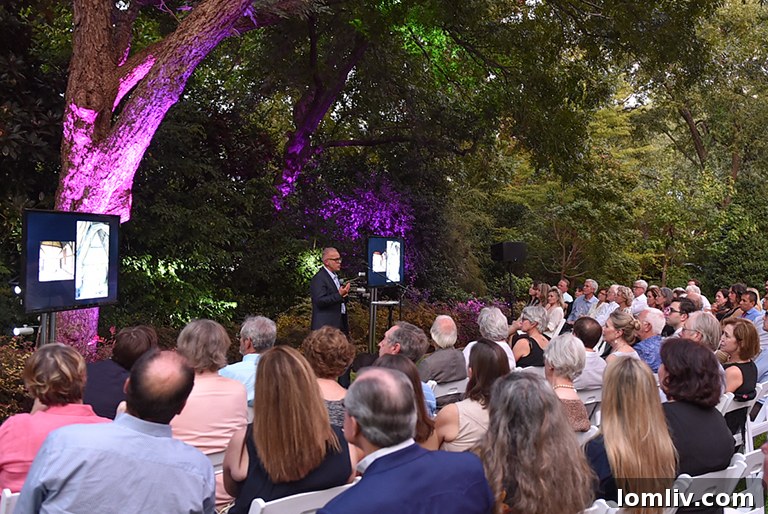
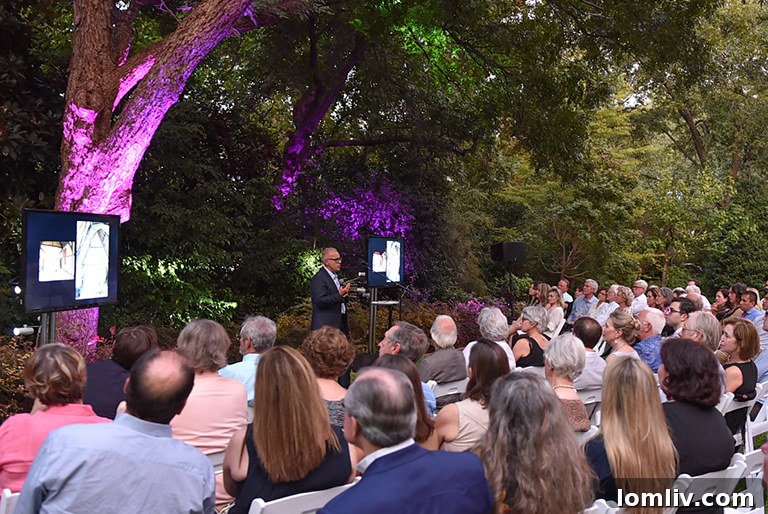
In early September, the ICAA hosted a truly special event that underscored its commitment to preserving and celebrating classical artistry. Bill and Nancy Hallman, gracious custodians of this magnificent property, generously opened their home and grounds at 600 Alta Drive to an appreciative audience. The program was a vibrant celebration of landscape gardening, specifically highlighting the Hallman’s expansive, more than one-acre garden. This remarkable landscape was brought to life through the collaborative vision of Dallas/Fort Worth-based architect Ralph Duesing and the impeccable execution by Richard Moore of M. M. Moore Construction. Adding an international dimension to the event, attendees had the distinct pleasure of hearing from Fergus Garrett, the esteemed Head Gardener for the legendary Great Dixter House & Garden in East Sussex, UK.
A Legacy Unveiled: The Historic Hallman Residence at 600 Alta Drive
Circling back to the heart of Fort Worth, the Hallman house itself is a landmark of profound historical significance, situated just a stone’s throw from the prestigious Rivercrest Country Club. This stately residence was originally constructed in 1936 by the prominent Leonard family. Marvin Leonard, a visionary entrepreneur, founded the iconic Leonard Department Stores in Fort Worth in 1918, a business that would become a cornerstone of the city’s commercial landscape. It was for his beloved wife and four daughters that Marvin commissioned this grand Rivercrest home in 1936, a testament to his success and dedication to his family. Beyond his retail empire, Marvin Leonard was also an ardent golfer, celebrated for his pivotal role in establishing the famed Colonial Country Club and for financially backing the illustrious careers of two golfing legends, Ben Hogan and Byron Nelson.
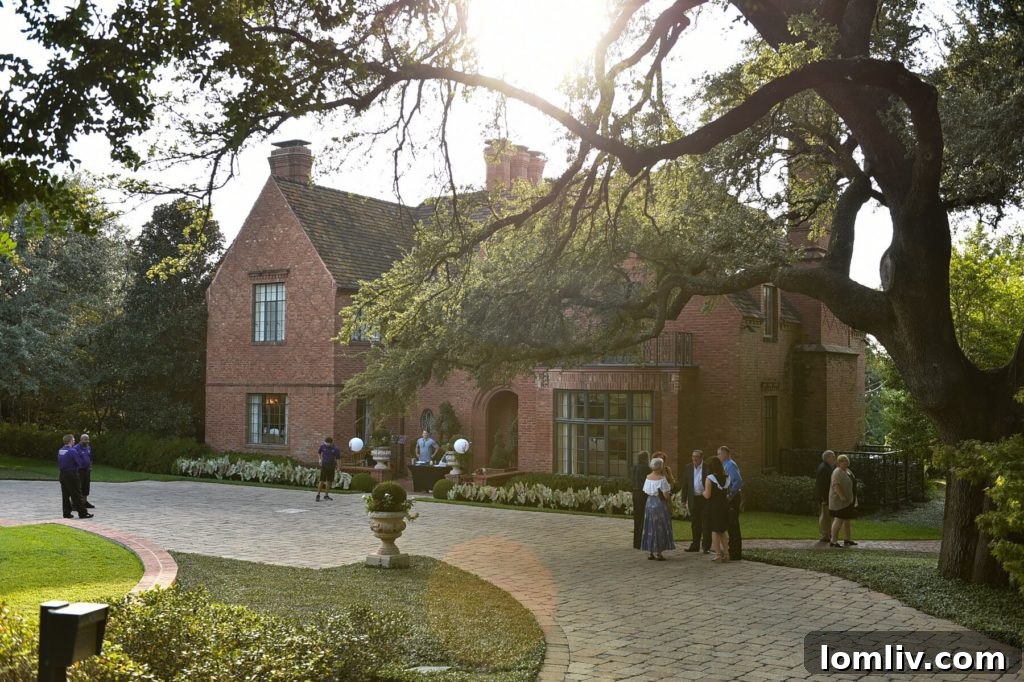
The architectural genius behind this distinguished home belongs to the Fort Worth firm of Patterson & Teague, renowned for their sophisticated designs, including the iconic Westover Hills Town Hall structure. The construction itself was meticulously carried out by Thomas Byrne, a name associated with quality craftsmanship in the region. These collaborations brought to fruition a residence that perfectly embodied the elegance and aspirations of its era, laying the foundation for the horticultural marvel that would later grace its grounds.
The Visionaries: Hare & Hare and the Birth of a Landscape Legacy
Crucially, the home’s original garden was a masterwork conceived by the legendary landscape architecture firm of Hare & Hare. This pioneering father-and-son landscape design team, hailing from Kansas City, played an instrumental role in shaping landscape architecture into the respected discipline it is today. Their influence stretched far beyond Fort Worth, leaving an indelible mark on significant public and private spaces across the nation. Hare & Hare were not merely designers; they were innovators who understood how to integrate natural beauty with functional design, creating harmonious environments that stood the test of time.
The legacy of Hare & Hare extends to some of Texas’s most cherished green spaces. They were the brilliant minds behind the original design of the Fort Worth Botanic Gardens, a magnificent botanical treasure that proudly stands as the oldest gardens in Texas. Their expertise also shaped Dallas’s picturesque Turtle Creek Parkway, transforming urban corridors into serene natural havens. Furthermore, the elegant grounds of the University of Texas, Austin, bear the unmistakable imprint of their visionary planning, demonstrating their ability to create impactful and enduring landscapes for diverse settings. The Hallman garden, therefore, is not an isolated masterpiece but a vital piece of a much larger, celebrated portfolio that defines much of Texas’s iconic outdoor heritage.
From Inspiration to Innovation: Nancy Hallman’s Journey and the Influence of Great Dixter
Upon acquiring the historic estate, Nancy Hallman embarked on a heartfelt mission: to meticulously preserve and maintain the Hare & Hare masterpiece, a quintessential English garden. Her dedication led her to extensive reading and research into English garden traditions, a pursuit that quickly deepened her appreciation for the art form. Nancy found particular inspiration during her visits to the Great Dixter House in London, the revered home of the late, legendary gardener and author, Christopher Lloyd. Great Dixter, a treasure in its own right with origins dating back to 1220, had been thoughtfully restored by the eminent architect Edward Lutyens. Lutyens was celebrated for his unparalleled ability to seamlessly weave the architecture of a home into its surrounding gardens, forging a connection few others could achieve. This profound integration of built and natural environments at Great Dixter deeply resonated with Nancy.
Nancy Hallman faced a compelling design challenge: how to cultivate a garden that not only respected Hare & Hare’s original masterpiece but also harmonized perfectly with her 1936-vintage estate home, all while introducing elements that reflected a contemporary sensibility. Her vision was to create a “new old garden” – a space that honored its historical roots while offering year-round beauty and practical enjoyment. This required a delicate balance of preservation and innovative redesign, a task that demanded exceptional skill and a deep understanding of horticultural artistry.
A New Old Garden Blooms: The Collaboration of Duesing and Moore
The transformation of the Hallman estate’s landscape began with Bill and Nancy Hallman’s insightful decision to remain in their cherished original home while also integrating the adjacent lot. This strategic expansion provided the canvas for a truly ambitious landscape reimagining. To realize this vision, Nancy Hallman enlisted the expertise of distinguished Dallas architect Ralph L. Duesing. Duesing’s task was to re-envision Hare & Hare’s original masterpiece, ensuring its historical integrity while infusing it with renewed vitality and modern functionality.
Duesing’s innovative design was brought to spectacular life by the skilled hands of Dallas/Fort Worth-based M. M. Moore Construction. Richard Moore and his team are renowned for their meticulous craftsmanship and ability to execute complex landscape visions. Moore’s impressive portfolio includes the construction of the exquisite grounds, luxurious pools, and intricate water features at 6767 Hunters Glen, the distinguished University Park home of Debbie and John Tolleson. This prior work underscored their capability to handle projects of grand scale and intricate detail, making them the ideal partners for the Hallman garden’s ambitious transformation.
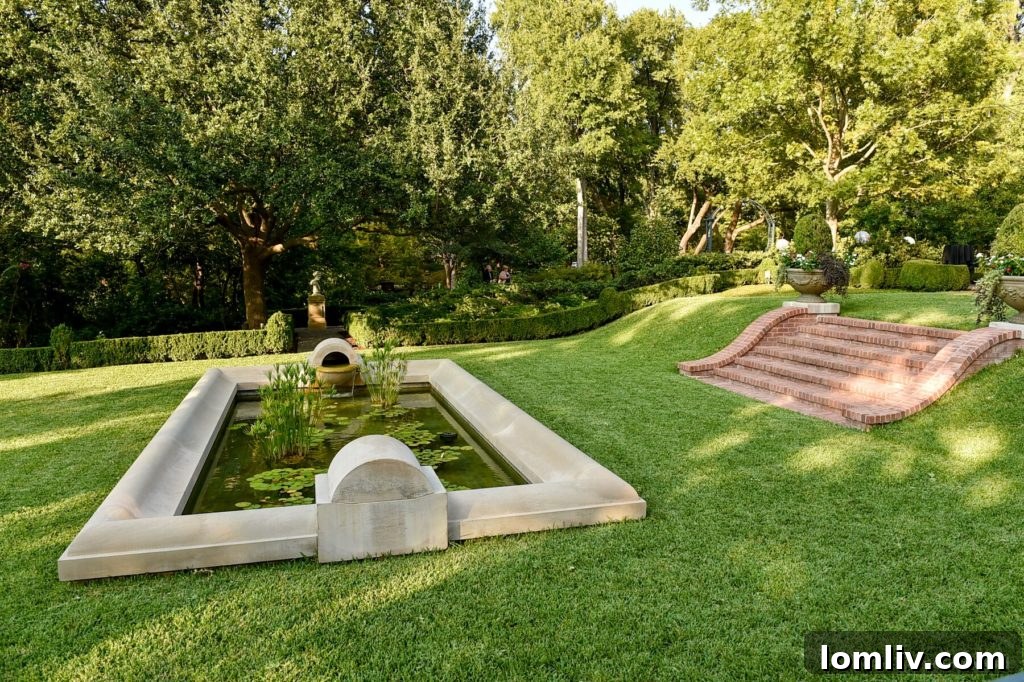
At the Hallman residence, the synergistic efforts of Ralph Duesing and M. M. Moore Construction culminated in the creation of what has been affectionately termed “a new old garden.” This living masterpiece successfully marries the timeless elegance and classical features inherent in traditional English gardens with a refreshing contemporary style and flair. The result is a landscape that feels both historically authentic and vibrantly modern, a seamless blend that reflects careful planning, artistic vision, and unparalleled construction quality. Every element, from the plant selection to the hardscaping, was thoughtfully chosen and executed to create a harmonious and captivating outdoor experience.
Exploring the Hallman Garden: A Symphony of Seasons and Stone
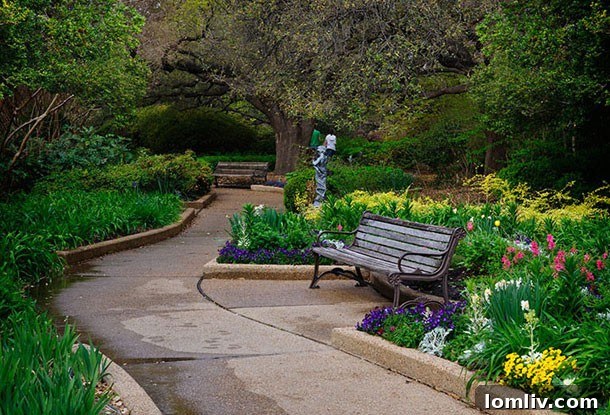
Designed for perpetual delight, the Hallman garden truly embodies the concept of year-round enjoyment, ensuring it is literally never without bloom. As spring awakens, the garden bursts forth with a vibrant tapestry of tulips, daffodils, and irises, painting the landscape with brilliant hues. These early delights are gracefully succeeded by the soft pink and white blossoms of azaleas, followed by the intoxicating fragrance and classic beauty of England’s revered David Austin roses. This continuous succession of blooms ensures that every visit offers a fresh, captivating experience, regardless of the season.
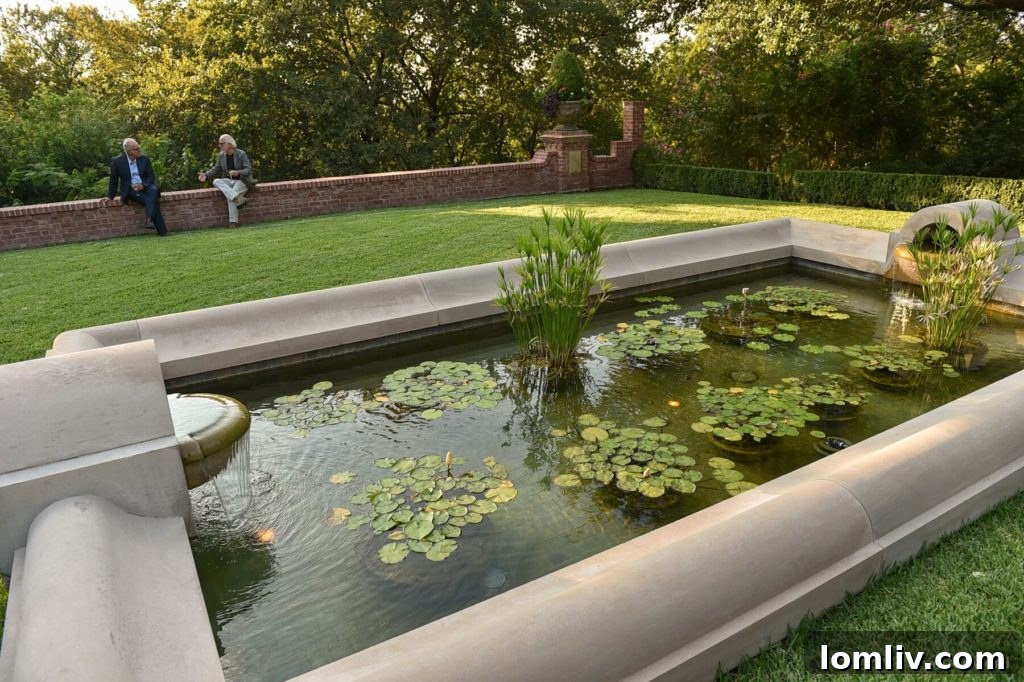
A distinctive feature of the garden is its elegantly walled orchard, home to native Mexican plum trees that provide nearly year-round color and interest. This architectural and horticultural triumph, however, presented significant challenges during its construction, primarily due to the dense layers of limestone bedrock that lay stubbornly beneath the rich prairie soils. Rather than being an impediment, this limestone was ingeniously put to use. It forms the naturalistic structure of the dry creek that meanders gracefully through the property, adding both visual appeal and practical drainage. Contrary to some reports, this limestone was a natural feature of the site and was not specifically salvaged from elsewhere to create the stone walls bordering the orchard; rather, the orchard walls were a deliberate design element constructed to frame this verdant space.
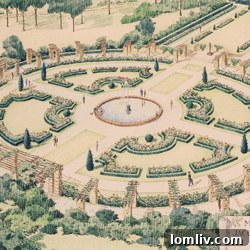
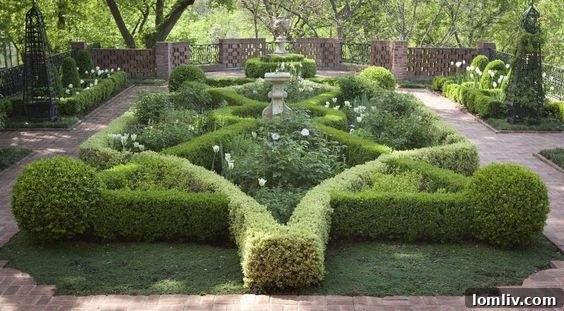
As visitors wander through this enchanting landscape, they discover a network of meticulously crafted paths, inviting exploration into various garden features. Elegant faux-bois concrete tables and loveseats are strategically placed, offering serene spots for contemplation and relaxation. Similar to the design philosophy employed at the Tolleson property, the winding path through the lower gardens culminates at a welcoming family patio, which offers an exquisite vista of a classic, albeit formal, knot garden. This intricate design, framed by brick walkways, features intertwining green and variegated boxwood hedges that create a timeless, structured beauty. Antique roses add a touch of romantic history to this formal arrangement, including the pristine white ‘Marie Pavie,’ the delicate pale-pink ‘Souvenir de St. Anne’s,’ the blushing-pink ‘La Marne,’ and the deep-pink ‘Sir John Betjeman’ roses gracing the four corners, each telling a story of horticultural heritage.
The immersive garden tour commences at the home’s crescent-shaped driveway, an impressive introduction flanked by a pair of colossal topiary cardinals, meticulously sculpted from vibrant boxwood and ‘Will Fleming’ yaupon holly. Beyond this grand entrance lies Ralph Duesing’s magnificent 7-foot-tall iron frame fence, an exquisite piece of craftsmanship forged by Black Barn Farm in Massachusetts. During the ICAA event, cocktails were gracefully served, inviting guests to mingle and savor the beauty on the back patio and throughout the enchanting pathways of these extraordinary gardens, making for a truly unforgettable evening.
The Art of Horticulture: Insights from Fergus Garrett of Great Dixter
A highlight of the ICAA event was the opportunity to hear from Fergus Garrett, the distinguished Head Gardener for the aforementioned Great Dixter House & Garden in East Sussex, UK. Garrett’s profound expertise stems from his tenure under the guidance of the late Christopher Lloyd, a titan in the world of horticulture, until Lloyd’s passing in 2006. Garrett continues to uphold and evolve the innovative gardening philosophy that made Great Dixter a global icon.
During his engaging talk, Fergus Garrett encapsulated his approach to gardening with a beautiful metaphor: “It’s about making music with the plants.” This simple yet profound statement perfectly illustrates his philosophy of creating harmonious, dynamic, and ever-evolving plant compositions. Indeed, as attendees strolled through the Hallman garden that fine evening, there was an undeniable sense of melody emanating from the vibrant flora, a testament to the success of its design and cultivation.
Delving deeper into his personal inspirations, Fergus shared, “My interest is looking at plants and plant communities in the wild.” This underscores his commitment to understanding natural ecosystems and applying those lessons to cultivated gardens, fostering resilient and beautiful spaces. He then playfully added, “Also cooking and boxing.” This unexpected juxtaposition of a meticulous gardener with such diverse hobbies evoked a collective chuckle from the audience, painting a vivid picture of a man equally adept at cultivating earth and sparring in the ring.
Garrett also revealed a fascinating personal connection, stating, “I also love Turkey and anything Turkish,” having spent a significant part of his formative years raised in Turkey. He concluded his remarks with a heartfelt appreciation for the local community: “And also nice people, which you find abundantly in Fort Worth, Texas.” His words resonated deeply, highlighting not only the beauty of the gardens but also the warmth and hospitality of the Fort Worth residents who cherish such remarkable horticultural achievements.
The Hallman garden stands as a testament to Fort Worth’s deep appreciation for history, architecture, and the natural world. It is a vibrant living museum, honoring the foundational work of Hare & Hare, the inspirational vision of Nancy Hallman, the innovative designs of Ralph Duesing, and the masterful execution by M. M. Moore Construction. Enriched by the philosophies of global horticultural leaders like Fergus Garrett, this garden is more than just a collection of plants; it is a continuously unfolding symphony of life, color, and design, a true masterpiece that enriches the cultural landscape of Fort Worth and beyond. Its existence serves as a powerful reminder that within the heart of a bustling city, serene and historically significant natural wonders can thrive, offering beauty and inspiration for generations to come.