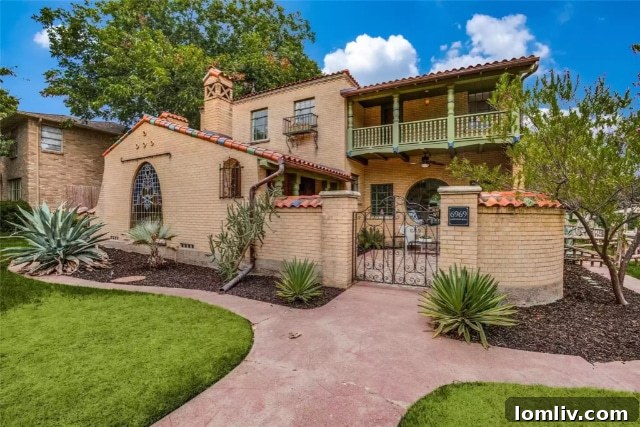
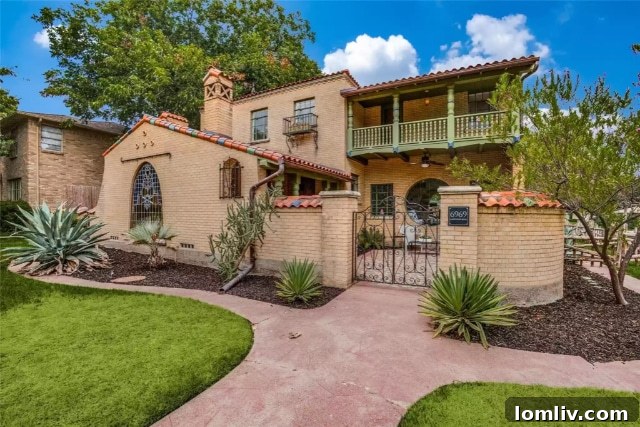
In the heart of Dallas’s beloved Lakewood neighborhood, a true architectural masterpiece has entered the market. This isn’t just any residence; it is one of Lakewood’s most historic and architecturally significant homes, a testament to the enduring vision of legendary architect Clifford D. Hutsell. Constructed in 1936, this Spanish Eclectic gem is part of an exclusive collection of approximately 50 homes Hutsell designed in Lakewood between 1926 and 1941, each bearing his distinctive stamp of artistry and unparalleled craftsmanship.
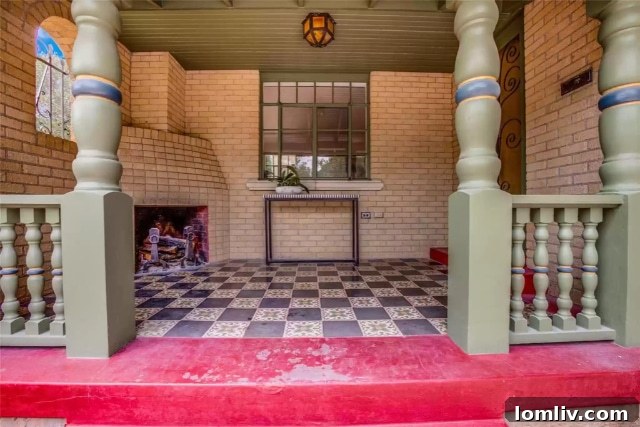
Clifford D. Hutsell carved an indelible niche in Dallas’s architectural landscape, particularly within the Lakewood area. His Spanish Eclectic style became synonymous with the charm and character of the neighborhood. This architectural movement, popular in the early 20th century, drew inspiration from various Spanish Revival styles, including Moorish, Byzantine, Gothic, and Renaissance elements, blended with influences from the Spanish colonial architecture of the Americas. Hutsell masterfully integrated these diverse elements, creating homes that felt both historically rooted and uniquely Texan. His designs were celebrated for their vibrant use of color, intricate ironwork, carved stone details, arched doorways, tiled roofs, and stucco exteriors, all culminating in residences that exuded warmth, elegance, and a sense of timeless grandeur.
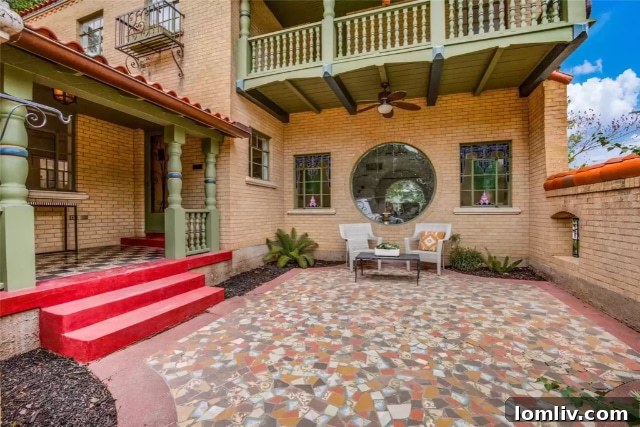
The residence at 6969 Lakewood Boulevard stands as a prime example of Hutsell’s genius, showcasing the coveted, extraordinary details that define his signature style. Among its most prominent and rare features is what is believed to be the first round plate glass window ever installed in a Dallas residence. This architectural marvel not only floods the interior with natural light but also serves as a captivating focal point, a testament to Hutsell’s innovative approach and his ability to push the boundaries of residential design. Inside, this unique window is further enhanced by a custom-crafted surround of original metalwork, intricately designed to hold candles, casting a warm, inviting glow that truly brings the space to life. The thoughtful integration of such unique features elevates the home from mere structure to a living work of art.
Adding to its allure, this magnificent house bears an uncanny resemblance to Hutsell’s own family home located just down the street at 7035 Lakewood. This “doppelganger” quality offers a rare glimpse into the architect’s personal preferences and the design elements he cherished most, reinforcing the profound connection between the creator and his creations. It suggests that Hutsell poured not only his professional expertise but also a piece of his soul into this particular design, crafting a home that resonates with personal significance and architectural excellence.
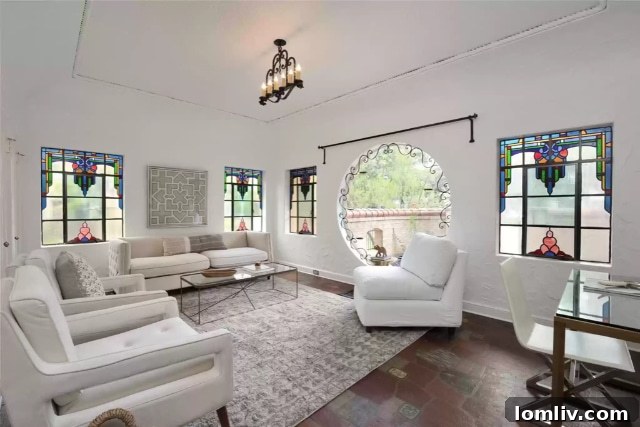
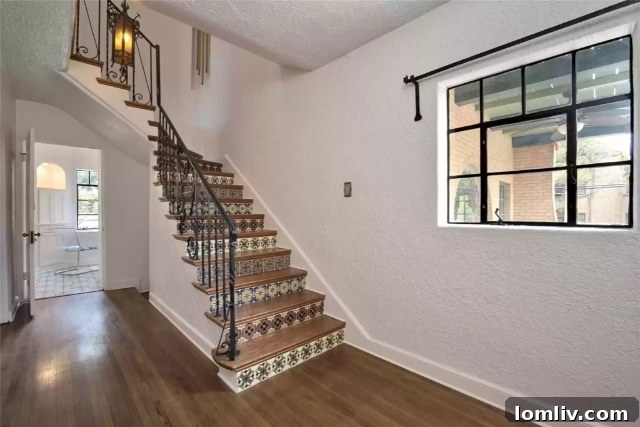
The significance of Clifford D. Hutsell’s contributions to Dallas architecture cannot be overstated, a sentiment echoed by leading authorities such as architect and former Dallas Parks and Recreation Director, Willis Winters. Winters, a preeminent expert on both Hutsell and Dilbeck homes, illuminated Hutsell’s pivotal role in shaping the eastward expansion of Dallas in the 1920s towards the picturesque shores of White Rock Lake. In a profound article for Legacies Magazine, Winters eloquently captured Hutsell’s legacy:

Hutsell played a critical role in fulfilling the young city’s manifest destiny of the 1920s eastward expansion to the alluring shores of White Rock Lake. As an architect, he designed fanciful and eclectic residences—most of them in a highly personalized Spanish Eclectic style—which, over time, would come to establish the cognitive image, not only of Lakewood Boulevard but of the surrounding neighborhood as well.
Nowhere in Dallas is there a more cohesive collection of Spanish Eclectic residences. This is the signature style that people envision when they think about Lakewood, and this is the most iconic house in the neighborhood.
Winters’ insightful words underscore the profound impact Hutsell had on establishing the architectural identity of Lakewood. His homes are not merely structures but integral components of the neighborhood’s collective memory and aesthetic appeal. The cohesive collection of Spanish Eclectic residences along Lakewood Boulevard is unparalleled in Dallas, making it a unique and cherished architectural treasure. This particular home at 6969 Lakewood Boulevard, as Winters suggests, epitomizes this legacy, standing as one of the most iconic and recognizable properties in a neighborhood famed for its distinctive character.
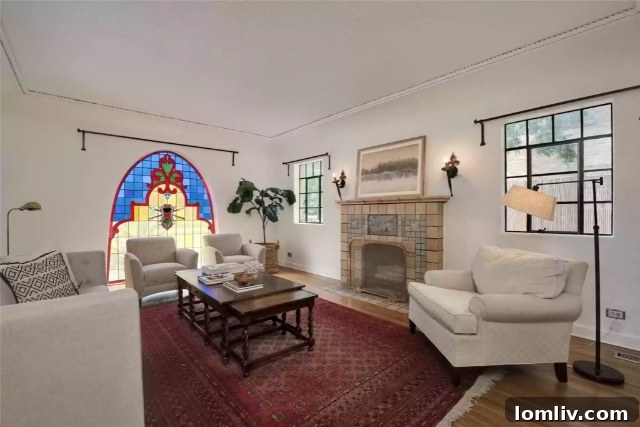
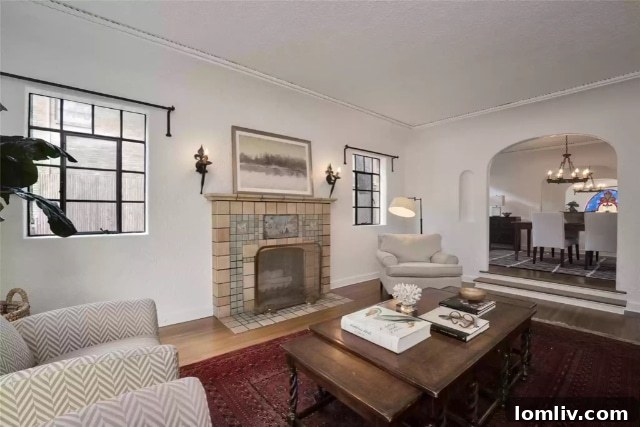
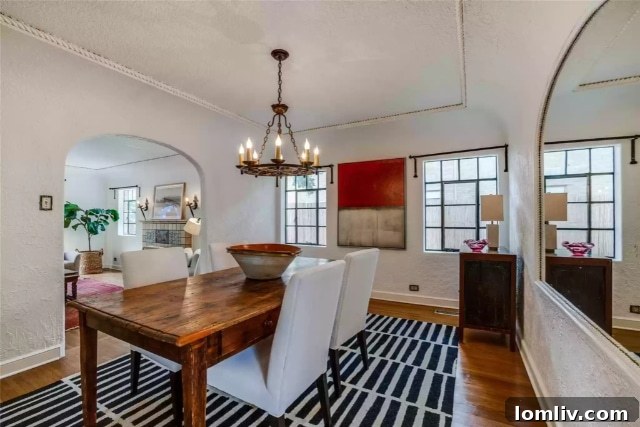
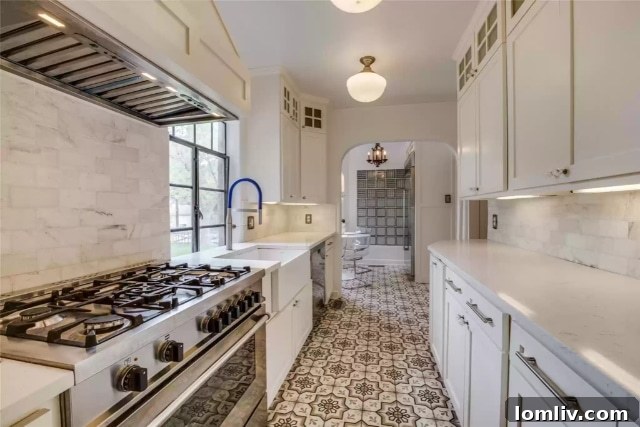
The enduring value and unique charm of homes like 6969 Lakewood Boulevard underscore the critical importance of preservation efforts within the community. Currently, a dedicated group of Lakewood residents is actively collaborating with the City of Dallas to expand the boundaries of the original Lakewood Conservation District, which was initially established in 1988. It may come as a surprise, but hundreds of the original, historically significant homes on Lakewood, Lakeshore, Avalon, Tokalon, and Westlake are not currently afforded the protections of a conservation district. The existing district’s boundaries, beginning at Abrams, do not extend east of Brendenwood or Copperfield, leaving a substantial number of irreplaceable properties vulnerable to redevelopment that could compromise the neighborhood’s historic fabric.
The goal of these tireless preservationists is clear: to ensure that any new construction or renovation projects within Lakewood seamlessly blend with and respect the original character of the neighborhood. By expanding the conservation district, they aim to safeguard the architectural integrity, historical importance, and long-term value of this cherished community for generations to come. This initiative is vital for maintaining the aesthetic harmony that Hutsell and his contemporaries so carefully crafted, protecting against the encroachment of incongruous designs that could dilute Lakewood’s unique identity. Owning a piece of Lakewood, especially a Hutsell masterpiece, is not just about acquiring property; it’s about becoming a steward of a rich historical and architectural legacy.
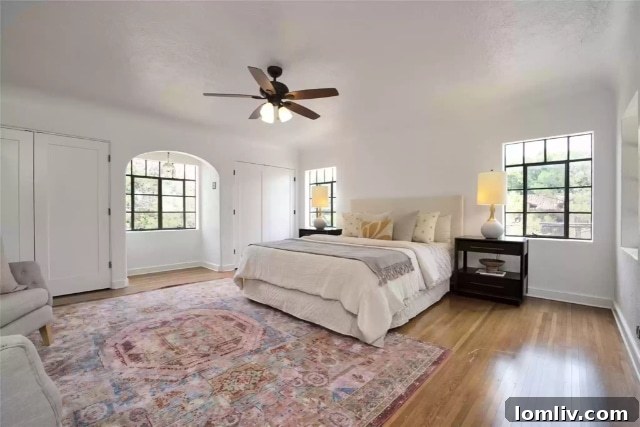
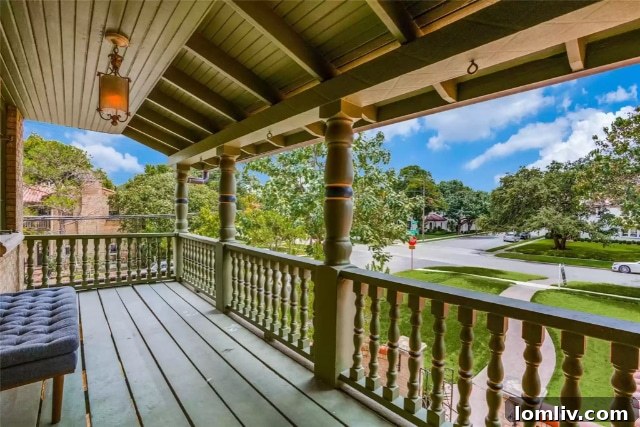
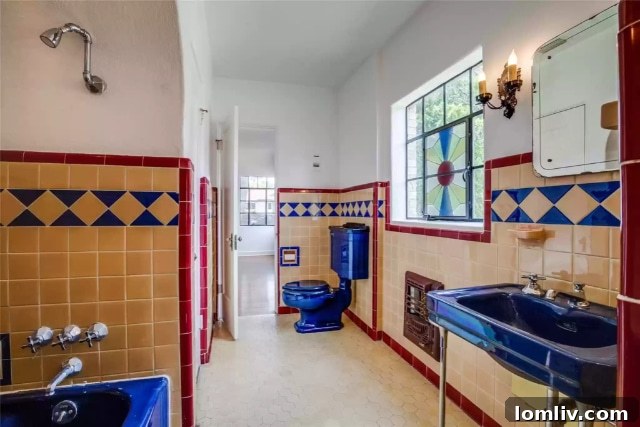
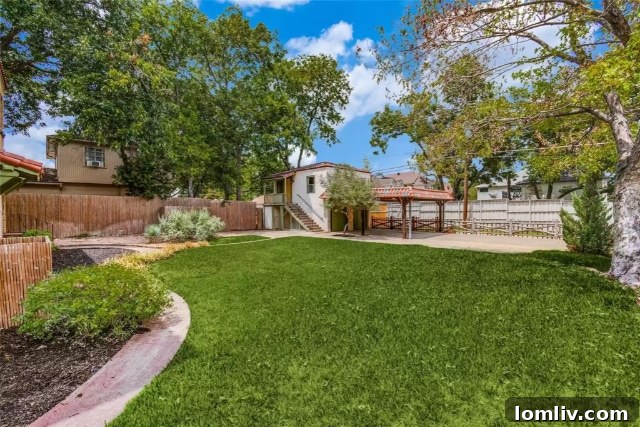
Beyond its significant architectural provenance, the 2,204-square-foot Lakewood Hutsell home at 6969 Lakewood Blvd. offers a luxurious and comfortable living experience. This exceptional property features three generously sized bedrooms and three full bathrooms, providing ample space for family living and entertaining. Adding to its versatility and appeal, a charming guest house is nestled in the meticulously landscaped backyard, offering privacy and convenience for visitors or serving as an ideal space for a home office, art studio, or personal retreat. This thoughtful addition enhances the property’s functionality without detracting from its historic charm.
The interior spaces have been carefully maintained and thoughtfully updated, showcasing a harmonious blend of original details and modern amenities. The updated kitchen, as highlighted in the imagery, serves as a prime example of how contemporary functionality can be seamlessly integrated into a historic setting while respecting its original design intent. Imagine preparing meals in a space that honors its past while providing all the conveniences of today. The principal bedroom boasts a private balcony, offering tranquil views of Lakewood Boulevard and providing a peaceful sanctuary to begin or end your day. Throughout the home, vibrant and eclectic tile colors, a defining characteristic of the Hutsell era, add splashes of character and authenticity, reminding residents of the home’s rich heritage.
This extraordinary opportunity to own a piece of Dallas history, a home that embodies the very essence of Lakewood’s architectural soul, is currently listed for $1.649 million. Prospective buyers are invited to explore this unparalleled property with Compass agent Nancy Johnson, who possesses deep expertise in the Dallas luxury real estate market and a profound appreciation for historically significant homes. This Hutsell masterpiece is more than just a house; it’s a legacy, a living monument to an architectural era that continues to define one of Dallas’s most cherished neighborhoods. It represents a rare chance to embrace a lifestyle rooted in historical elegance, community spirit, and enduring beauty.