Unveiling the Wild Side of Dallas: Bobcats Roaming Preston Hollow and Beyond
Dallas, a bustling metropolis known for its vibrant culture and economic prowess, often surprises residents with glimpses into its wilder side. Deep within the sophisticated urban landscape, particularly in its most affluent neighborhoods, a silent, natural world thrives. Preston Hollow, synonymous with luxury and home to luminaries like George W. and Laura Bush, Tom Hicks, Lisa Blue, Mark Cuban, T. Boone Pickens, and Tom Leppert, offers a prime example. Even expanding its traditional boundaries to include areas like Strait Lane, where Ross Perot and Mike Rawlings reside, one discovers an unexpected cohabitation: the rich tapestry of urban wildlife, right in your backyard. This phenomenon is becoming increasingly common, with wild creatures making their presence felt in local creeks, dense bamboo thickets, and even meticulously landscaped private properties.
A Close Encounter on Ricks Circle: The Preston Hollow Bobcat
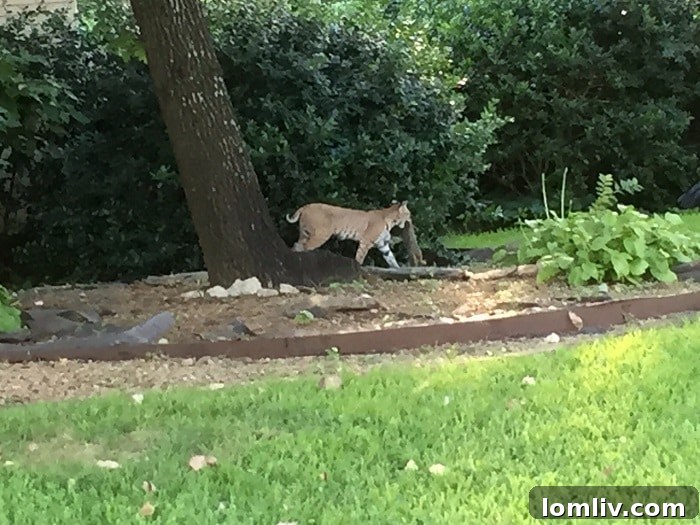
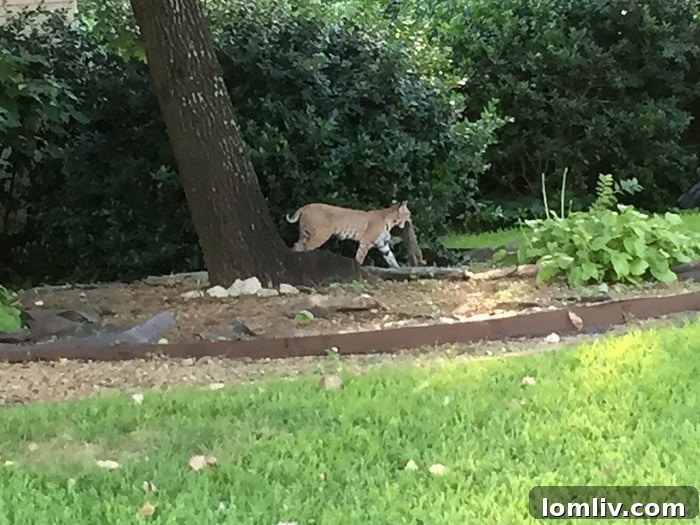
A recent incident brought this reality into sharp focus for residents of Ricks Circle. Just a few homes away from our own, a neighbor captured a remarkable sight on his phone camera: a majestic bobcat traversing the suburban landscape. This sighting ignited a mix of awe and concern, especially given recent losses in the community. In the preceding weeks, at least one 25-pound dog and several cats had fallen victim to a predator, widely assumed to be a coyote, as packs of them had been spotted across the street not long ago. The encounter with this new, formidable animal, however, quickly changed the prevailing assumption.
The sheer size and distinct appearance of the creature were unmistakable: “This is a big cat!” was the immediate reaction. Initially, it was thought the animal was carrying a rabbit, a common prey item. However, a keen observation by my son quickly debunked that theory, pointing out that rabbits do not possess tails of that particular shape. A closer look, and a swift online comparison, confirmed suspicions: the distinctive short, “bobbed” tail was the tell-tale sign of a bobcat. For visual confirmation and further details on these fascinating felines, you can refer to resources like National Geographic’s profile on bobcats.
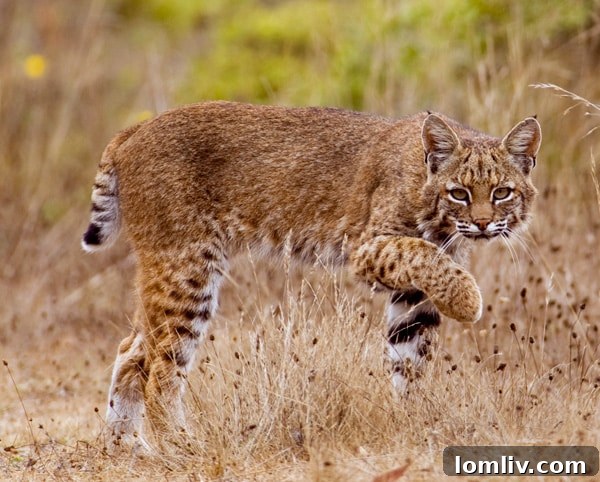
While bobcats typically prey on smaller animals such as rabbits, squirrels, and various rodents, the tragic loss of a 25-pound dog belonging to a neighbor, and reports of another dog on Kenny Lane being severely injured but surviving, underscore their opportunistic nature and the potential threat they pose to domestic pets. Despite acknowledging that these creatures inhabit their natural environment, the instinct to protect our beloved companions is paramount. Consequently, residents are now exercising extreme vigilance, carefully supervising their dogs whenever they venture outdoors, particularly after dusk.
Understanding Urban Bobcats: Biology and Behavior
The increasing presence of bobcats in urban and suburban areas like Preston Hollow prompts a deeper look into these elusive animals. Bobcats (Lynx rufus) are medium-sized wildcats native to North America, known for their adaptability and stealth. They are considerably larger than domestic cats but smaller than their northern cousin, the Canada lynx.
Physical Characteristics:
- Size and Weight: Adults typically weigh between 15 to 30 pounds, though larger individuals have been observed. They stand about 20-24 inches tall at the shoulder and can reach lengths of 25-40 inches, not including their signature tail.
- Appearance: Their fur varies from light gray to reddish-brown, often with distinctive dark spots or streaks, providing excellent camouflage. They have tufted ears (though less pronounced than a lynx) and relatively long legs.
- The Bobbed Tail: The most distinguishing feature is their short, “bobbed” tail, which is usually 4 to 7 inches long and tipped with black on the upper side.
Habitat and Diet:
Bobcats are incredibly versatile, thriving in a wide range of habitats, from forests and swamps to deserts and mountainous regions. Critically, they have shown a remarkable ability to adapt to human-modified landscapes, including suburban environments where greenbelts, creek systems, and even residential yards provide suitable cover and prey.
Their diet primarily consists of small mammals like rabbits, hares, rodents, and birds. However, they are opportunistic hunters and will readily take advantage of available food sources. In urban settings, this can unfortunately include domestic animals such as free-ranging chickens, outdoor cats, and small dogs. They are solitary creatures, primarily active during twilight hours (crepuscular) and nighttime (nocturnal), which is why sightings during the day can be less common but are not unheard of.
Why Are We Seeing Them More Often?
Several factors contribute to the increased frequency of bobcat sightings in urban areas:
- Habitat Encroachment: As cities expand, human development often pushes into natural habitats, forcing wildlife into closer contact with residential areas.
- Abundant Food Sources: Suburban environments often provide an ample supply of prey (rabbits, squirrels, rodents) and sometimes even attractants like pet food left outdoors or unsecured trash.
- Resilience and Adaptability: Bobcats are highly adaptable and can learn to navigate urban landscapes, utilizing drainage culverts, green corridors, and dense landscaping for movement and cover.
- Reduced Fear of Humans: Some bobcats, particularly those born and raised in urban fringe areas, may exhibit less fear of human presence.
Distinguishing Bobcats from Coyotes: Key Differences for Urban Residents
Given the initial confusion in Preston Hollow between bobcats and coyotes, understanding the differences between these two urban predators is crucial for residents to accurately identify and respond to wildlife encounters.
Appearance:
- Size and Build: Coyotes are generally larger and leaner than bobcats, with a more dog-like appearance. An adult coyote can weigh between 20-50 pounds and stand taller. Bobcats are more muscular and compact.
- Tail: This is the most distinct difference. Coyotes have long, bushy tails that typically hang down. Bobcats, as their name suggests, have a very short, “bobbed” tail.
- Ears: Coyotes have tall, pointed ears. Bobcats also have pointed ears, sometimes with small tufts, but they are generally less prominent than a coyote’s.
- Snout: Coyotes have a long, slender snout, whereas bobcats have a shorter, more cat-like face.
- Coat Color: While both can vary, coyotes are typically grayish-brown with reddish or buff highlights. Bobcats have a spotted or striped coat, often with a reddish hue, providing better camouflage in varied terrain.
Behavior:
- Social Structure: Coyotes are highly social animals, often seen in packs or family groups, especially during hunting or denning season. Bobcats are solitary and territorial, typically only coming together for mating.
- Hunting Style: Both are opportunistic predators. Coyotes often employ chase-and-takedown tactics, sometimes working together. Bobcats are ambush predators, relying on stealth and a powerful pounce.
- Vocalizations: Coyotes are known for their distinctive howls, yips, and barks. Bobcats are generally quiet but can produce growls, hisses, and snarls, especially when threatened.
Both animals are formidable predators that pose a risk to unsupervised small pets. Knowing which animal you’ve encountered can inform your response and understanding of the situation.
Protecting Your Pets and Family: Coexisting with Urban Wildlife
The presence of bobcats and other wildlife in Dallas neighborhoods necessitates proactive measures to ensure the safety of pets and people while fostering coexistence. Understanding that these animals are part of the local ecosystem is the first step.
Essential Pet Safety Measures:
- Supervise Outdoors: Never leave small pets unattended outdoors, even in a fenced yard. Predators can jump fences or find weaknesses. Always walk dogs on a leash, especially during dawn, dusk, and nighttime hours when bobcats and coyotes are most active.
- Secure Your Yard: Ensure fences are tall (at least 6 feet for many predators) and extend into the ground to prevent digging underneath. Clear dense brush or tall grasses where wildlife might hide.
- Remove Food Attractants: Do not leave pet food, water bowls, or unsecured garbage outdoors. These can attract not only bobcats and coyotes but also their prey, bringing predators closer to your home.
- Outdoor Enclosures: For cats, consider building a “catio” or secure outdoor enclosure that provides fresh air and stimulation without exposing them to predators. Keep free-roaming cats indoors, especially at night.
- Motion-Sensor Lighting: Installing motion-activated lights around your property can startle and deter nocturnal visitors.
- Educate Family: Teach children about local wildlife and instruct them never to approach or feed wild animals.
- What to Do in an Encounter: If you encounter a bobcat or coyote, do not run. Make yourself look as large as possible, make loud noises (yell, clap hands), and slowly back away. If a predator approaches your pet, try to create a barrier and make noise to scare it off.
Fostering Coexistence:
While protecting our families and pets is paramount, it’s also important to recognize the ecological role these predators play. They help control populations of rodents and other small animals, contributing to a balanced ecosystem. Contact local animal control or wildlife services for advice on managing persistent wildlife issues or for assistance with injured or aggressive animals. Understanding and respecting the boundaries of shared spaces allow us to coexist safely with Dallas’s wild inhabitants.
Wildlife Across Dallas: Beyond Preston Hollow
The bobcat sighting in Preston Hollow sparks a broader question: what other neighborhoods in Dallas are experiencing similar wildlife encounters? The truth is, Dallas, with its extensive park system, greenbelts, and numerous creek systems, serves as a surprising haven for diverse wildlife, far beyond just bobcats and coyotes. Each neighborhood’s unique geography contributes to its specific wildlife profile:
- Park Cities (Highland Park & University Park): Known for their manicured lawns and stately trees, these areas also boast beautiful parks and green spaces that connect to larger ecological corridors. Residents here often report sightings of foxes, raccoons, opossums, and a plethora of bird species. The presence of ample small prey (squirrels, rabbits) can occasionally draw in larger predators.
- The Design District: Nestled along the Trinity River, this urban and industrial area might seem unlikely for wildlife. However, the Trinity River corridor itself is a vital artery for many species. While “wild dogs” might indicate feral domestic animals, the river banks provide habitat for coyotes, raccoons, and various waterfowl. The blend of undeveloped riverfront and industrial spaces creates unique ecological niches.
- Preston Trails: Often associated with its prestigious golf courses and sprawling estates, this area features extensive green landscapes, water features, and pockets of natural habitat. These elements are ideal for deer, waterfowl, and smaller mammals, which in turn can attract predators like bobcats and coyotes moving along these green corridors.
- Lakewood: Positioned directly adjacent to White Rock Lake, Lakewood is perhaps one of Dallas’s most significant urban wildlife hotspots. White Rock Lake Park is a major hub for migratory birds, resident waterfowl, turtles, and fish. This abundance attracts a wide array of predators, including a well-documented population of coyotes, bobcats, red foxes, and various raptors. Deer are also common sight here, often venturing into residential areas.
- Oak Cliff: With its varied terrain, older neighborhoods, and proximity to large green spaces like Kiest Park and the Twelve Hills Nature Center, Oak Cliff supports a diverse ecosystem. The presence of numerous creeks and mature trees offers shelter and foraging grounds for opossums, raccoons, owls, and a healthy population of songbirds. Larger predators, including coyotes, are also known to traverse these areas.
- Lochwood and Lake Highlands: These neighborhoods, like Lakewood, benefit from their close proximity to White Rock Lake and an intricate network of creeks and greenbelts, such as the Flag Pole Hill and White Rock Creek Trail systems. This connectivity allows for a similar array of wildlife to thrive, including deer, bobcats, coyotes, and a rich diversity of birdlife. The blend of mature residential areas with natural drainage ways creates excellent habitat.
Indeed, Dallas, despite its rapid urbanization, is remarkably rich in biodiversity. Its numerous greenbelts, creek systems, large parks, and even undeveloped lots act as crucial wildlife corridors, allowing animals to move and thrive within the city limits. This evolving relationship between human inhabitants and their wild neighbors highlights the dynamic natural world that exists, often unseen, all around us.
Living in Harmony with Dallas’s Wild Residents
The recent bobcat sighting in Preston Hollow serves as a powerful reminder that our urban environments are increasingly shared spaces. As Dallas continues to grow and develop, the interface between human settlements and natural habitats becomes more pronounced, leading to more frequent encounters with wildlife. From the elusive bobcats and adaptable coyotes to the smaller mammals and diverse birdlife, these creatures are integral to the city’s ecological fabric.
Living harmoniously with Dallas’s wild residents requires a blend of awareness, respect, and responsible stewardship. By understanding the habits of local wildlife, implementing effective safety measures for our pets, and appreciating the delicate balance of the ecosystem, we can ensure that both humans and animals can thrive. This ongoing dialogue between urban development and natural preservation is not just a challenge but also an opportunity to foster a more integrated and ecologically conscious community in the heart of Texas.