Shaping Dallas’s Future by Honoring Its Past: An Interview with Architect Alicia Chandler Quintans
In our celebrated series, Interview with an Architect, we engage with some of the most influential figures in the North Texas architecture community. Our discussions delve into their innovative work, critically examine development challenges within our vibrant communities, and illuminate the foundational principles of exceptional design and responsible building practices. For those interested, our previous conversation can be found here, offering another valuable perspective on the region’s architectural landscape.

Meet Alicia Chandler Quintans: A Visionary in Dallas Architecture and Preservation
Today, we are honored to feature Alicia Chandler Quintans, AIA, a distinguished architect, interior designer, and passionate preservationist deeply rooted in the Oak Cliff community of Dallas. Alicia’s dedication to both modern design and historical integrity shines through her firm, JQAQ Atelier, which she established in 2012. Her firm is renowned for its thoughtful approach to contemporary design challenges, seamlessly blending innovation with respect for existing structures across a diverse portfolio of residential and commercial projects. JQAQ Atelier is committed to creating spaces that are not only aesthetically pleasing and highly functional but also deeply connected to their surroundings and historical context.
Alicia’s journey into architecture began at the UT Arlington School of Architecture, where she graduated in 1991. It was there she met her husband, Joel, who has since become a vital collaborative partner for JQAQ Atelier, leveraging his creative vision as the Creative Director for UTA. This partnership reflects a shared dedication to design excellence and a cohesive approach to their craft.
The summer following their graduation proved to be a pivotal moment for the couple. While staying at a professor friend’s home in Oak Cliff, they were captivated by the unique charm and vibrant community spirit of this southern borough of Dallas. This discovery led them to purchase a modest 1947 minimal traditional house nestled within the desirable Beckley Club Estates. This house was more than just a home; it became a living canvas for their architectural and design philosophies.
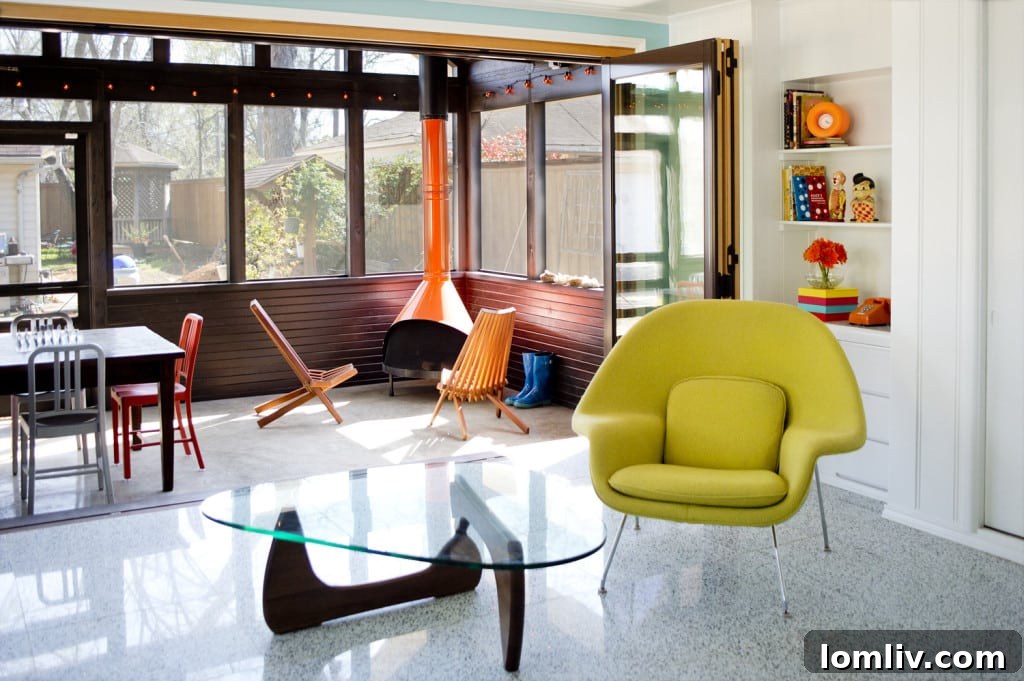
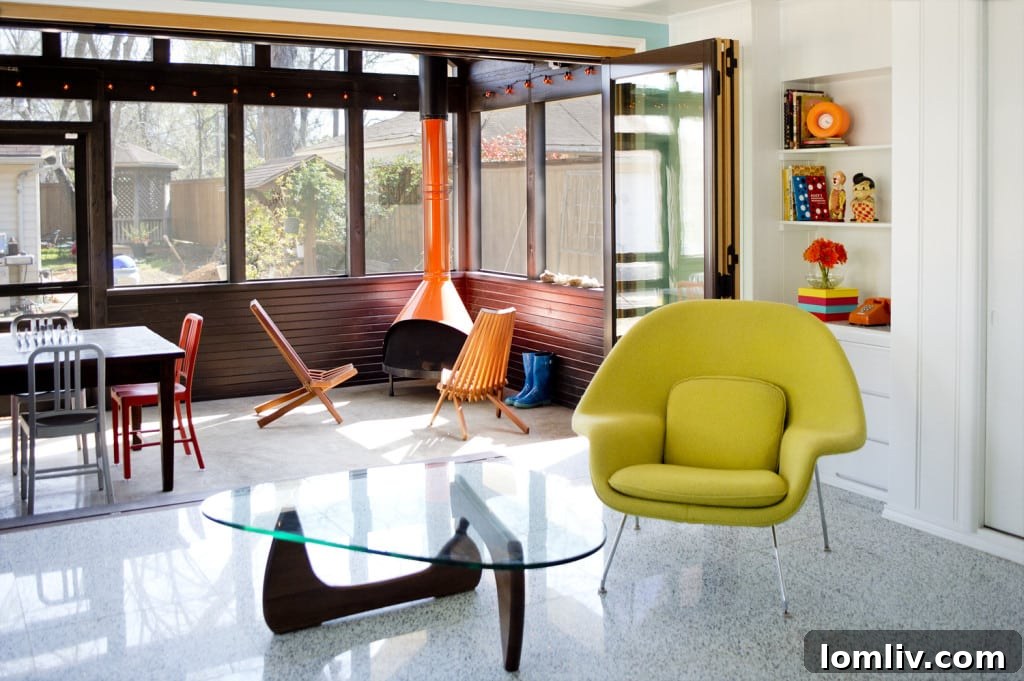
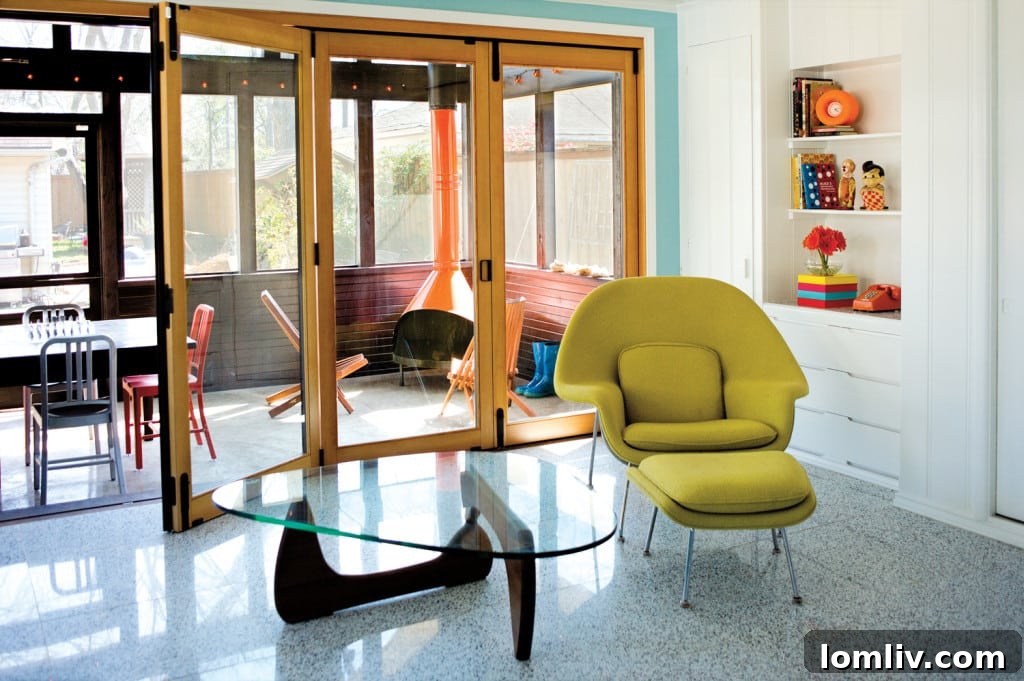
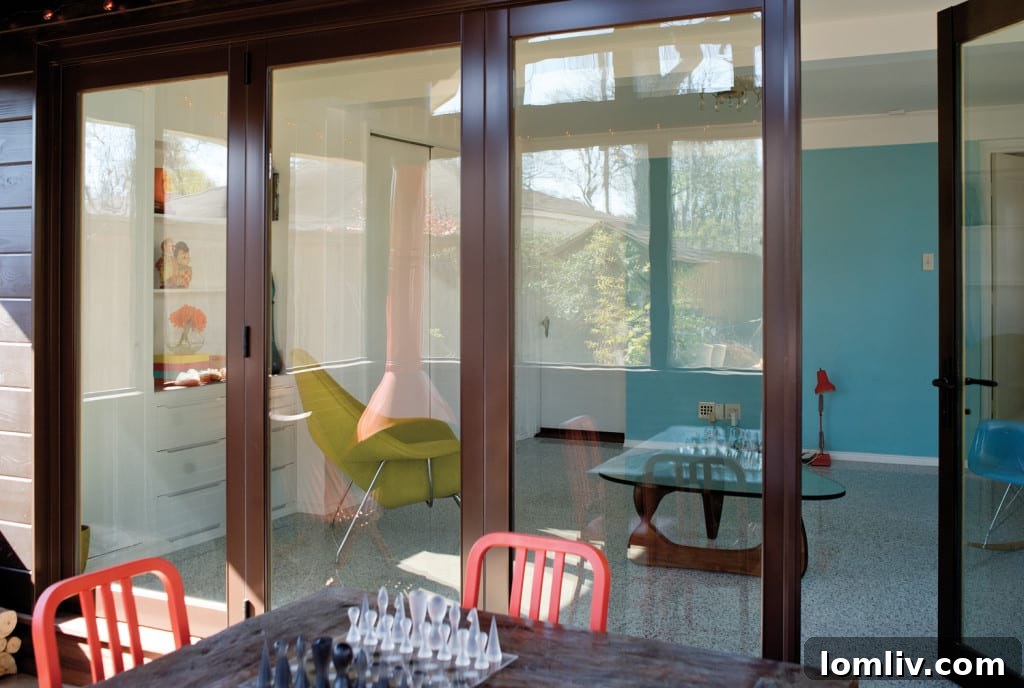
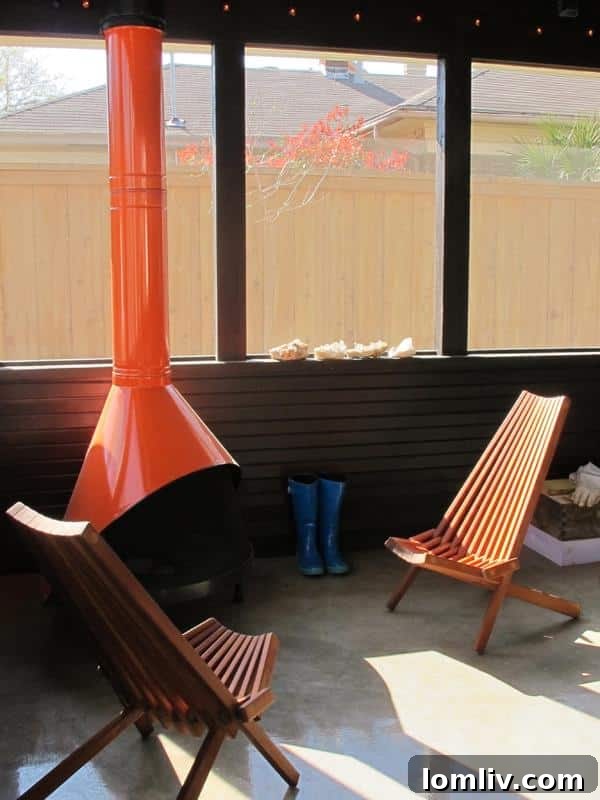
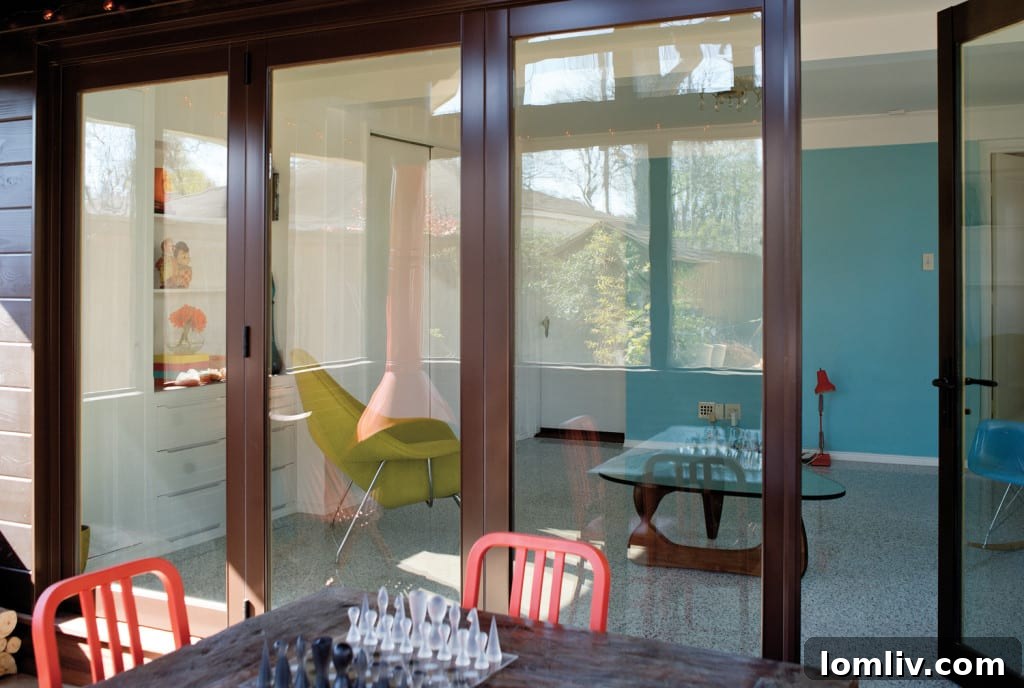
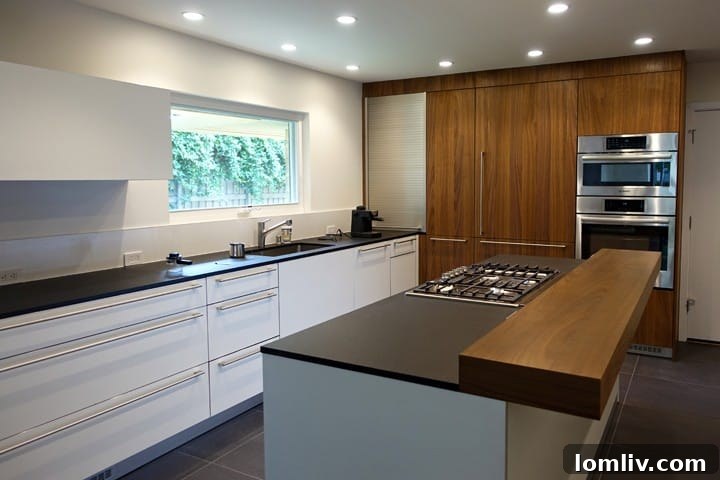
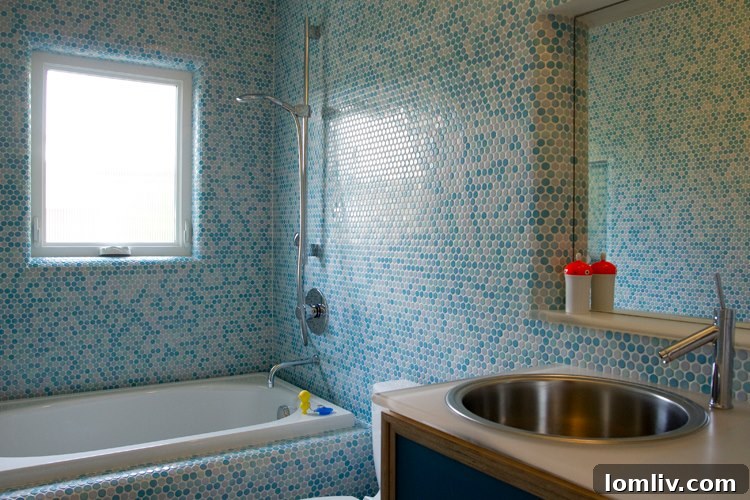
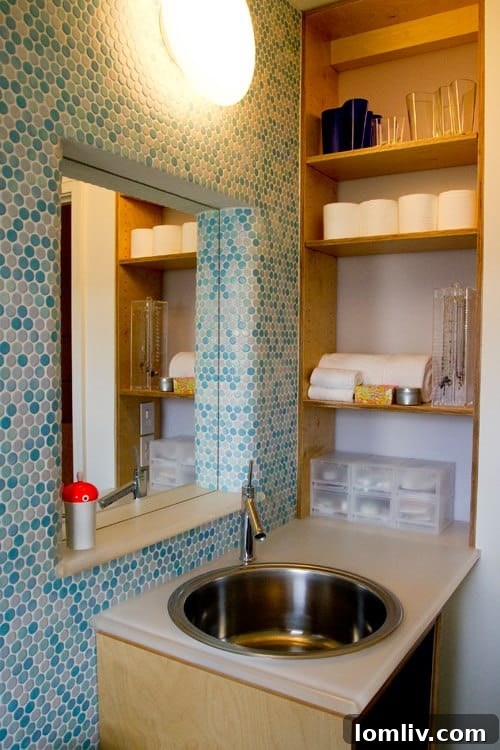
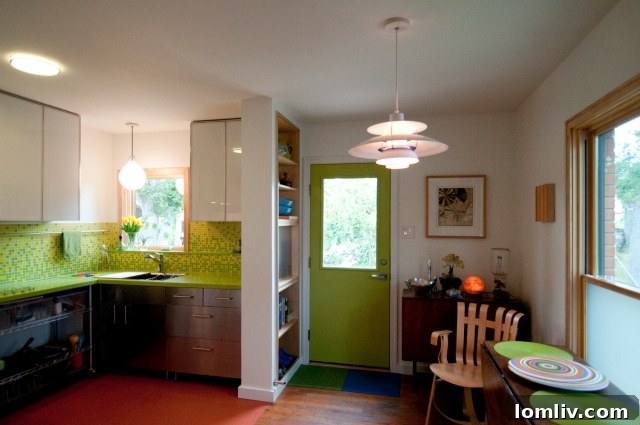
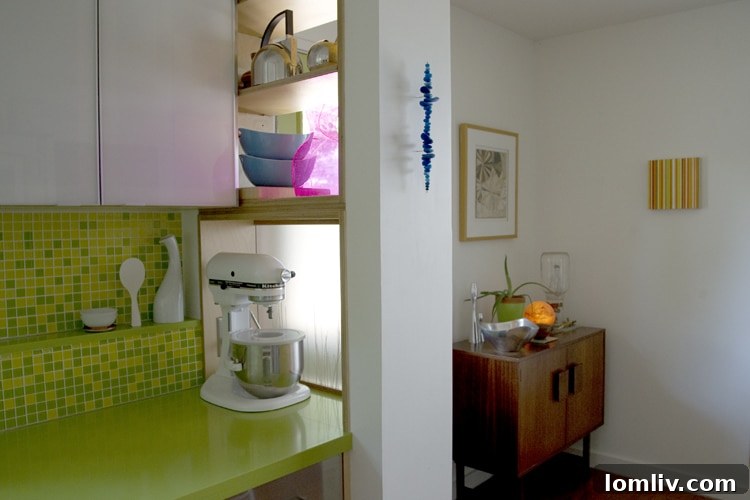
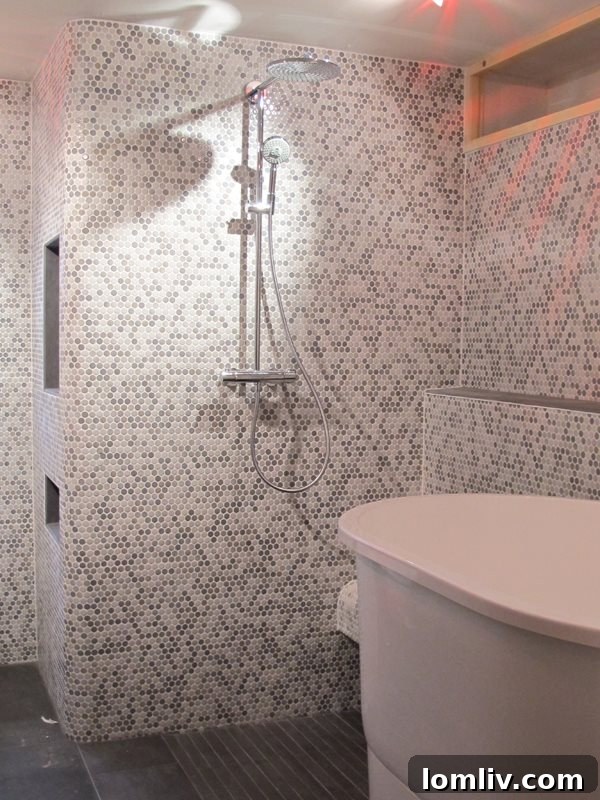
“After almost 25 years, our house has truly transformed into a laboratory for ideas,” Quintans shares enthusiastically. “We’ve meticulously updated the kitchen and bath, integrated cutting-edge energy-efficient features, and even added a dedicated studio on the property. This studio serves a dual purpose: a vibrant workshop where new concepts come to life and a welcoming guesthouse for visitors. Our property is a testament to our evolving needs and interests, continuously adapting and inspiring our professional work.” This ongoing renovation exemplifies her belief in adaptive reuse and the potential for existing structures to meet modern demands while retaining their inherent character.
Beyond her design practice, Alicia is a fervent advocate for historic preservation in Dallas. Her commitment is evident through her active board memberships with both the Old Oak Cliff Conservation League and Preservation Dallas. In these influential roles, she passionately works to educate the public and strengthen the crucial historic connections that bind local communities, diverse neighborhoods, and their built environments. Her efforts are instrumental in fostering a deeper understanding and appreciation for Dallas’s rich architectural heritage.
Reflecting on her preservation philosophy, Alicia states, “By immersing ourselves in history and sharing the compelling stories of our collective memory, we gain a profound understanding of the intrinsic sense of place within our community. This knowledge fosters an emotional connection, beautifully expressed and reinforced by the physical forms of our built environment.” Her words underscore the belief that preservation is not merely about maintaining old buildings, but about nurturing identity, cultural heritage, and community spirit.
An Architect’s Journey: Influences on Design and Preservation
CandysDirt: You hail from Graham, Texas, a charming town near Possum Kingdom Lake. How did your upbringing and the unique character of Graham influence your eventual path to architecture and preservation?
Alicia Chandler Quintans: Graham holds a special place in my heart, largely due to its remarkable downtown square – the largest in Texas – which majestically encircles an exquisite Art Deco courthouse. It was within the historical embrace of this square that my profound appreciation for old buildings first took root. I often spent my time at my mother’s office or at the Abstract Office, where I worked after school, diligently researching land ownership records at the courthouse. These early experiences provided me with an intimate connection to the town’s history and its architectural fabric. Even today, walking around the square remains one of my most cherished activities whenever I visit, and I invariably discover some subtle new detail that has likely been there my entire life, waiting to be noticed. This ongoing discovery instilled in me a deep sense of observation and an understanding of the layers of history embedded in our built environment.
My family and teachers were incredibly supportive, actively encouraging my artistic endeavors from a young age. By the age of 12, I had become quite a proficient landscape painter, with old barns and venerable trees as my favorite subjects. My initial thoughts of pursuing a career as a fine artist, however, were dramatically altered by an insightful English teacher. She assigned me the topic of architecture for a term paper, a turning point that ignited a lifelong passion. After countless hours spent in the Graham Public Library, poring over books and資料, I emerged with a basic, yet foundational, understanding of the titans of modern architecture: Frank Lloyd Wright, Le Corbusier, and Mies van der Rohe. Their visionary works captivated me, and from that moment, I was eager to learn more, realizing that architecture offered a powerful means to blend art with function and history.
CandysDirt: Your family home, a farmhouse, also played a significant role in teaching you about regional architecture and sustainable living. Can you elaborate on that?
Alicia Chandler Quintans: Absolutely. We lived on a farm in a house that was, in its very essence, perfectly designed for the specific climate of Texas, long before ‘sustainable design’ became a popular term. It utilized well water, had no air conditioning, and featured a central hall and transom windows, which were ingeniously designed to facilitate natural air circulation throughout the home, creating a comfortable indoor environment even during hot Texas summers. The screened porch was another vital element, offering a cool, shaded space for relaxation and connection with the outdoors, free from insects. The lessons I absorbed from living in that farmhouse – understanding the importance of natural ventilation, passive cooling strategies, and a deep connection with nature – are fundamental principles that remain with me and inform my design philosophy to this day. It taught me the profound wisdom of designing with, rather than against, the natural environment.
CandysDirt: How do you integrate your profound passion for preservation into your daily architectural work at JQAQ Atelier?
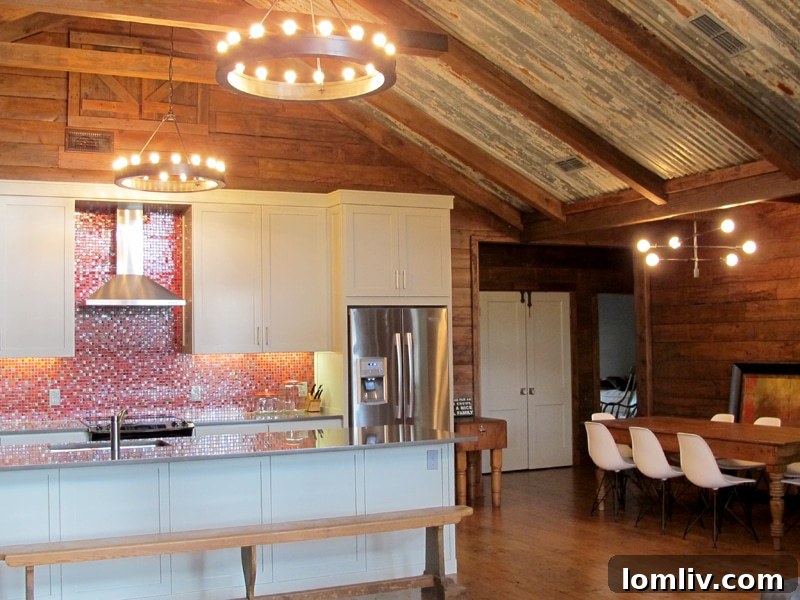
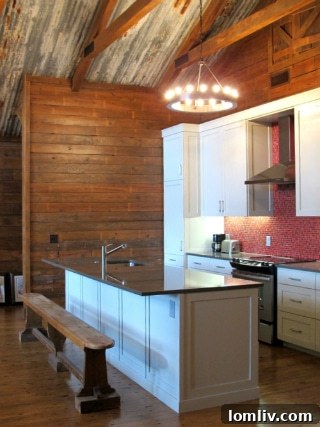
Alicia Chandler Quintans: For me, the most immensely rewarding aspect of my work as an architect is the opportunity to guide and assist others in truly understanding the vast potential and manifold benefits that come with preservation, thoughtful restoration, and innovative adaptive reuse. These powerful tools are not just about saving old buildings; they are critical drivers for enhancing economic development and breathing new life into existing communities, fostering vibrancy and unique character. Every single project, regardless of its scale, presents its own distinct set of goals and inherent challenges. My process always begins with developing a clear, comprehensive plan, meticulously exploring a wide array of options and creative ideas. Through this systematic approach, the most effective and often elegant solutions tend to emerge naturally.
When working with older buildings, my research phase is particularly rigorous. I delve deeply into their history – when they were constructed, who were the original builders or occupants, and what was their initial purpose and context. This historical detective work is invaluable. It frequently leads to critical design decisions that are directly informed by original construction techniques, guiding us in the introduction of new or intelligently repurposed materials, and ultimately, significantly contributing to the enhancement of the building’s historic value. This approach ensures that our modern interventions are respectful, informed, and truly elevate the enduring legacy of the structure.

The Future of Preservation in Dallas: A Positive Outlook
CandysDirt: From your expert perspective, what is your opinion on the current state of preservation work within the city of Dallas? Are we making progress?
Alicia Chandler Quintans: I am incredibly optimistic about the current state of preservation work in Dallas; the city has truly made grand strides this year within the preservation climate. There’s a tangible shift in momentum, indicating a growing recognition of our architectural heritage. Just recently, the Dallas City Council took a significant step by approving the extension of crucial tax incentives for the Historic Preservation Program. This extension is vital as it provides financial encouragement for property owners to invest in the preservation and rehabilitation of historic buildings, making these projects more economically viable and attractive. Furthermore, the recent approval of a Demolition Delay Ordinance is a monumental win. This ordinance provides a much-needed level of oversight for historic buildings, particularly in sensitive areas like Downtown and North Oak Cliff, giving preservation advocates and the city time to explore alternatives before a historic structure is lost forever.
In addition to these legislative achievements, there have been positive developments in resource allocation. Budget approvals for adding dedicated staff to the Historic Preservation Department mean more hands on deck to manage and facilitate preservation efforts. The establishment of a new Preservation Solutions Committee signals a proactive approach from city hall, demonstrating that leaders are indeed taking notice of how our rich history can, and should, help shape the future development and identity of our city. These combined efforts represent a robust framework for strengthening historic preservation in Dallas.
Historically, many leaders within our city have primarily viewed economic development through the lens of “new construction.” However, there’s a growing desire and a strong community voice advocating for a significant change in this thought process—one that emphatically includes adapting and revitalizing existing buildings as a powerful engine for stronger, more sustainable economic development. This isn’t just an anecdotal observation; compelling studies performed by the highly respected National Trust for Historic Preservation Green Lab have conclusively proven that neighborhoods characterized by a rich mix of older, smaller buildings of varying ages consistently support greater levels of positive economic and social activity than areas predominantly dominated by newer, larger, and often monolithic structures. This research underscores that preserving and adapting existing buildings fosters unique character, supports local businesses, encourages walkability, and cultivates a stronger sense of community, all of which are invaluable for Dallas’s long-term prosperity and cultural richness.
CandysDirt: What is your favorite building or collection of buildings in Dallas, whether residential or commercial, and what makes it stand out to you?
Alicia Chandler Quintans: My absolute favorite collection of buildings in Dallas is undoubtedly located along Bishop Avenue in North Oak Cliff. I’ve had the immense privilege of witnessing its remarkable transformation firsthand, evolving from a historical streetcar-era district into the vibrant, bustling destination it is today, teeming with unique shops, acclaimed restaurants, and a palpable sense of community. This area powerfully evokes the comforting atmosphere of a small-town square, where it’s common to encounter friends and neighbors strolling along the street, fostering genuine connection. The urban scale of these buildings is perfectly calibrated to encourage lively street activity, making it a pedestrian-friendly and engaging environment.
What makes this collection truly exceptional is that each building possesses its own distinctive character, a unique architectural fingerprint, yet together they contribute harmoniously to a cohesive and dynamic whole. You see a beautiful blend of early 20th-century commercial styles, often with intricate brickwork, large display windows, and sometimes original signage peeking through. This blend of individual historic integrity and collective synergy creates an authentic sense of place that is both charming and economically robust. It’s a living testament to the power of preservation and adaptive reuse, showcasing how older structures can be revitalized to serve contemporary needs while honoring their historical roots and enhancing community life.
If you know an architect (or are an architect yourself!) who embodies innovation and a passion for community, and who you believe should be featured in this recurring column, please reach out to Leah directly via email here. We are always eager to highlight the visionary talents shaping the architectural landscape of North Texas.