Ultimate Home Security Guide for Sellers: Protect Your Privacy and Property
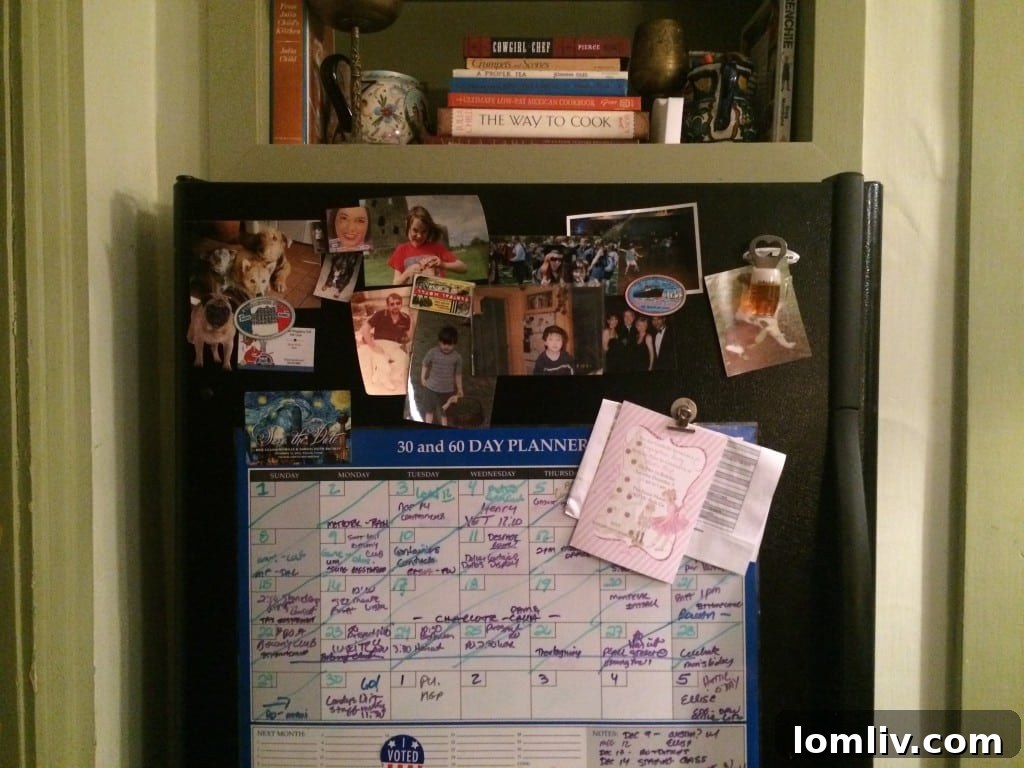
Selling your home is an exciting yet inherently vulnerable time. It involves inviting numerous potential buyers, often strangers, into your most personal space. While the vast majority of individuals entering your home are legitimate prospects focused on finding their next residence, it’s natural for curiosity to lead them to observe more than just the property’s layout. From peeking into medicine cabinets to glancing at invitations on your refrigerator, details that seem innocuous to you can inadvertently disclose a significant amount about your life, your family, and even your schedule. This open access can sometimes attract individuals with less-than-honorable intentions, making home security an paramount concern for every seller navigating the real estate market.
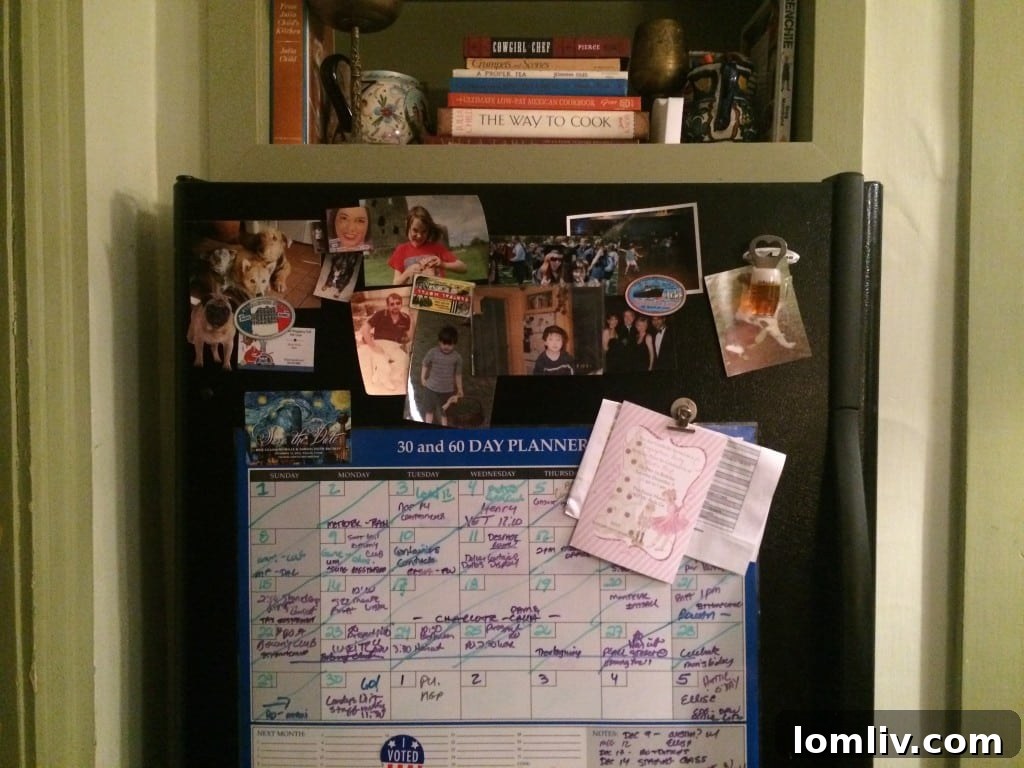
Imagine a scenario where a casual glance at your prominently displayed wall calendar reveals a two-week vacation to the Bahamas, leaving your home vacant and an easy target. Or perhaps during an open house, a real estate agent highlights a “hidden” wall safe as a unique selling feature, unknowingly turning it into a target for potential theft. These seemingly minor details, when pieced together, can paint a complete picture of your life for a complete stranger, potentially putting your privacy, identity, and valuables at risk. This comprehensive guide provides essential, proactive security tips designed to safeguard your home and ensure your peace of mind throughout the selling process, focusing on practical strategies for home security when selling.
Why Home Security is Crucial When Selling Your Home
When your home is on the market, it transforms from a private sanctuary into a public commodity. Each showing, private viewing, or open house presents an opportunity for dozens, if not hundreds, of people to walk through every room and inspect every corner. While realtors do their best to vet visitors and maintain a secure environment, it’s impossible to guarantee the intentions of every single person. Some might be genuinely interested in buying, others might be curious neighbors, and a small, but significant, minority might be looking for opportunities to exploit your personal information or steal valuables. Being proactive about security isn’t about being paranoid; it’s about being prepared and protecting what matters most during this transition period. Implementing effective real estate security tips can prevent potential incidents.
Protecting Your Identity and Your Family’s Privacy
One of the most critical aspects of selling your home safely is protecting your personal identity and that of your family. In today’s digital age, identity theft is a pervasive threat, and leaving personal documents lying around can make you an easy target. Always secure or remove sensitive items before any showing or open house to maintain your privacy.
- Sensitive Documents: Never leave financial statements, checkbooks, credit card bills, tax documents, social security cards, passports, or any other paperwork containing your name, address, account numbers, or other sensitive details visible. These should be locked away in a secure drawer, a home safe, or removed from the premises entirely. Even old mail can contain enough information for sophisticated thieves to compromise your identity.
- Children’s Information: Our children’s lives are often proudly displayed throughout our homes, from names on bedroom walls to school schedules on the fridge and artwork with their full names. While heartwarming, this information is a potential goldmine for those with malicious intent. Remove or obscure names and photos from walls, doors, and bulletin boards. Take down school schedules, sports timetables, and any other indicators of your children’s routines or identities. A criminal could use this information to track your child, gather personal details, or even impersonate them.
- Medical Information: Prescription bottles, medical bills, or doctor’s notes often contain highly sensitive personal health information. Ensure these are securely stored or removed. This includes any items in your medicine cabinet that could reveal private health details.
- Digital Footprint & Smart Home Devices: Be mindful of smart home devices that might display personal data or be easily accessed. Ensure your Wi-Fi network is secure and consider changing the password or creating a guest network for visitors if you use smart locks, thermostats, or security cameras that can be accessed remotely. Disconnect or reset devices that store personal data if possible.
The overarching goal is to create an anonymous environment where no visitor can piece together enough information to compromise your identity or target your family. This diligent approach significantly reduces your risk of privacy breaches and ensures effective home security for sellers.
Securing Your Electronics and Valuable Possessions
Electronic devices and valuable personal items are particularly attractive targets for opportunistic theft during showings. Their small size, high value, and ease of concealment make them prime candidates for quick theft and resale.

- Portable Electronics: Laptops, tablets (iPads), smartphones, iPods, e-readers, smartwatches, gaming consoles, and even expensive graphing calculators for teenagers are incredibly easy to slip into a bag or under a jacket. The safest option is to take these devices with you when you leave for a showing or lock them in a secure, inconspicuous location such as a bolted-down safe. If you must leave a desktop computer, ensure it’s password-protected, turned off, or securely locked to prevent unauthorized access to your data.
- Jewelry and Heirloom Items: Items of significant monetary or sentimental value, such as engagement rings, heirloom pieces, valuable watches, or loose gemstones, should never be left out or in easily accessible drawers or jewelry boxes. It’s highly recommended to transfer all valuable jewelry to a safety deposit box at your bank or a trusted off-site location while your home is on the market. If off-site storage isn’t feasible, a hidden, bolted-down safe is a secondary option, but off-site storage is always superior for maximum security.
- Prescription Medications: The medicine cabinet is a common target for theft. Prescription drugs, especially certain pain relievers, anxiety medications, or even common medications like Viagra, can be highly sought after for illicit purposes or personal misuse. Remove all prescription medications, or store them in a locked container that is not easily discoverable. It’s also a good practice to safely dispose of any expired or unused medications.
- Other Valuables: Beyond electronics and jewelry, consider other high-value items like small antiques, collectible coins, valuable artwork, firearms (which should always be secured according to legal requirements and preferably off-site), or even spare keys to vehicles or other properties. These should all be secured or removed from the home.
Managing Mail and Deliveries for Enhanced Security
An overflowing mailbox is a universally recognized sign that a home is vacant, making it an inviting target for burglars and identity thieves. Proper mail management is essential for maintaining your home’s security and privacy, especially when selling your home.
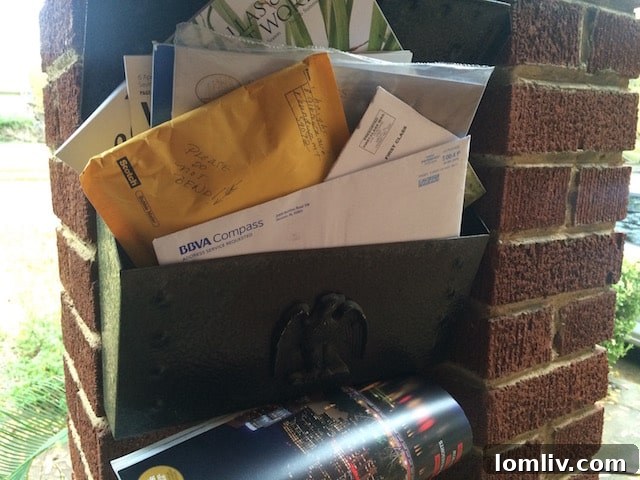
- Incoming Mail: If you’re going to be away from home, even for just a weekend, arrange for a trusted friend or neighbor to collect your mail daily, or put a hold on deliveries at the post office. Mail forwarding to a temporary address is another excellent option for longer absences. Never let mail pile up in your mailbox, as this broadcasts your absence.
- Package Deliveries: If you regularly receive package deliveries, consider using a smart package locker service, having them delivered to your workplace, or to a trusted neighbor’s house. Packages left unattended on your porch are not only susceptible to “porch piracy” but also signal extended absences to observant individuals.
- Newspaper and Periodicals: Cancel newspaper subscriptions or arrange for them to be collected regularly. Piles of uncollected newspapers or flyers are another clear visual sign of an unoccupied property, which can attract unwanted attention.
Enhancing Exterior Security and Curb Appeal
The exterior of your home plays a significant role in both deterring potential intruders and attracting buyers. A well-maintained exterior suggests occupancy and care, making it less appealing for criminal activity and boosting your home’s marketability.
Strategic Lighting as a Deterrent
Effective lighting is one of the simplest yet most powerful deterrents against burglaries. It also significantly enhances your home’s curb appeal, especially for evening showings, making it feel welcoming and safe.
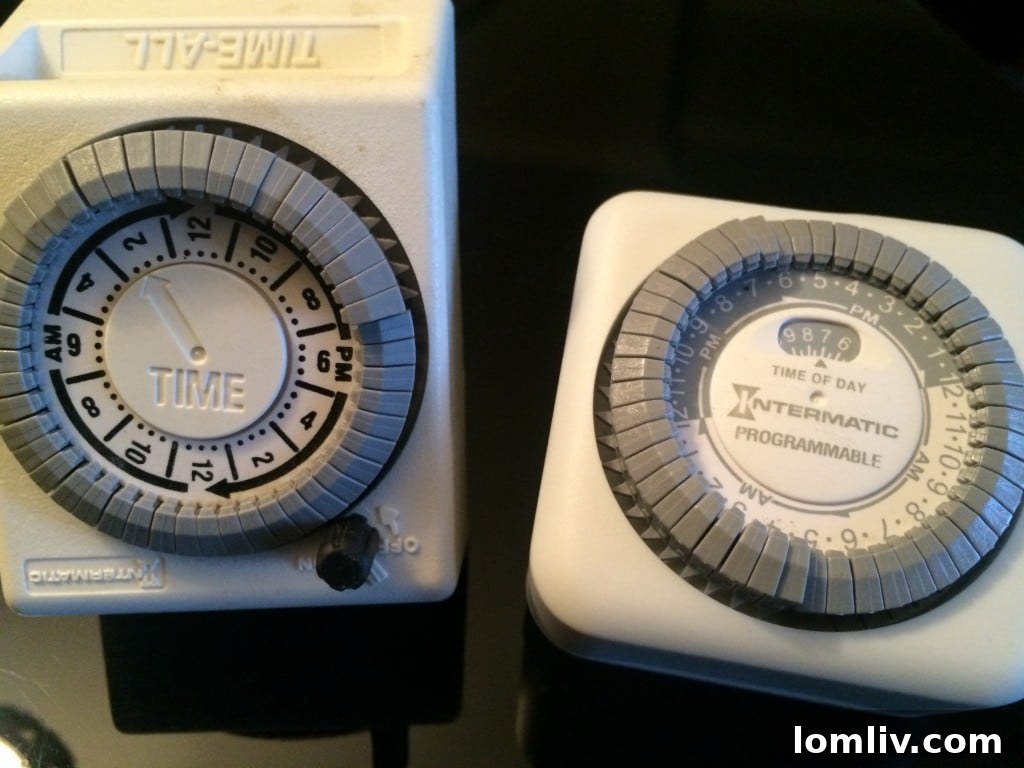
- Interior Light Timers: Utilize automatic light timers for interior lights, especially in key rooms. Set them to turn on and off at varying times in different rooms, mimicking a lived-in presence. Avoid having all lights come on and go off simultaneously, as this can be predictable. Smart lighting systems offer even greater flexibility, allowing you to control lights remotely and randomize schedules, providing an intelligent layer of home security.
- Exterior Illumination: Ensure all exterior lights are in excellent working order. This includes porch lights, garage lights, and pathway lighting. Consider adding motion-sensor lights around vulnerable areas like side doors, backyards, and windows. Good exterior illumination removes potential hiding spots for intruders and makes your property less attractive for criminal activity.
Landscaping for Enhanced Security
Your landscaping should not inadvertently provide cover for criminals. Strategic trimming and maintenance can significantly improve visibility around your home and reduce potential hiding places, forming a critical part of your home security for sellers strategy.
- Trim Hedges and Shrubs: Keep hedges, bushes, and trees meticulously trimmed, especially those near windows and doors. Overgrown foliage can provide excellent concealment for someone attempting to break in unnoticed. Aim for shrubs that are no taller than waist-high and tree canopies that are high enough to not obscure views of your property.
- Clear Pathways: Ensure pathways and entrance areas are clear and well-lit. Gravel pathways can be particularly effective as they create noise when walked upon, alerting you or neighbors to approaching individuals. Avoid dense foliage right next to your house.
- Maintain General Appearance: A well-kept yard, freshly mowed lawn, and clear gutters signal that the home is actively maintained and occupied. This neat appearance makes it less attractive to those looking for easy targets, contributing to overall property security.
Leveraging Security Systems and Professional Advice
If you have an existing security system, maximize its potential during the selling process. If not, consider a temporary or basic system for added peace of mind and enhanced home security.
- Dedicated Codes for Realtors: If your security system allows, create a unique, temporary code specifically for your real estate agent and other authorized personnel (e.g., appraisers, inspectors). This allows you to track who enters and exits your home and can be easily deactivated once the home is sold, adding a layer of control.
- Inform Monitoring Company: Notify your security system monitoring company that your home is on the market. Provide them with the real estate agent’s code and instructions on who to contact in case of an alarm during a showing. This ensures a prompt and appropriate response to any potential breach.
- Smart Security Devices: Consider installing smart doorbell cameras or other discreet exterior cameras. These can provide real-time alerts and recordings of activity around your home, offering an extra layer of surveillance without being overly intrusive to buyers. Just be transparent about their presence, especially if they record audio.
- Always Lock Up: Always ensure all windows and doors are securely locked after every showing. Your real estate agent should be diligent about this, but a quick check from you (if possible) provides added assurance. Consider upgrading to deadbolt locks for exterior doors for maximum security.
Special Considerations for Holidays and Travel Plans
Holidays can bring an increased risk during home showings due to the presence of tempting valuables and potential changes in routine.
- Holiday Decorations and Gifts: While festive, an abundance of holiday decorations, especially gifts displayed prominently under a tree, can attract unwanted attention. Small, easily portable gifts are particularly vulnerable. It’s safer to keep gifts hidden, stored away, or to delay decorating until the home is under contract. Consider moving any valuable seasonal decor to a secure location during showings.
- Travel Plans: Be extremely cautious about discussing holiday or vacation travel plans with anyone, even casually. As mentioned earlier, publicly available calendars or loose conversations about upcoming vacations can signal a vacant home to opportunistic individuals, making your home a more appealing target. Avoid posting about travel on social media until after you’ve returned.

Final Thoughts: Prioritize Your Peace of Mind When Selling Your Home
Selling your home can be a demanding process, and the added layer of security concerns might seem daunting. However, taking these proactive steps is an essential investment in your peace of mind and the safety of your family and property. Work closely with your real estate agent to implement these security measures; a good agent will understand and support your efforts to protect your home and privacy throughout the selling journey.
Remember, the goal isn’t to create an impenetrable fortress, but to make your home a less appealing target for individuals seeking easy opportunities. By being mindful of what you display, meticulously securing your valuables, and maintaining a vigilant stance on privacy, you can navigate the selling process smoothly and safely, ensuring your focus remains on finding the right buyer for your beloved home. Protecting your home when selling is about smart choices and proactive measures that pay off.