Unlocking the Hidden Value of Dallas’s “Pink Wall”: An Unexpected Real Estate Opportunity
For those perpetually scouting the Multiple Listing Service (MLS), the thrill of discovering an overlooked gem is unparalleled. Imagine that surprise when such an opportunity emerges not in some far-flung locale, but right in one’s own backyard. This precisely describes the awakening to the “Pink Wall” – an intriguing, often misunderstood real estate pocket nestled within North Dallas.
My work covering the Preston Center Task Force for daltxrealestate.com has long acquainted me with the vibrant real estate dynamics surrounding my neighborhood. Yet, it took an objective comparison to the soaring property values in areas like Oak Lawn, where I once resided, for the full picture to click into place. The trajectory of Dallas’s real estate market has been nothing short of meteoric, particularly in its urban core and surrounding trendy districts. Condos and homes in prime locations such as Oak Lawn, West Village, and Uptown, which were once priced at a modest sub-$100 per square foot a few years ago, have now comfortably doubled, if not tripled, in value.
These are often aging structures, strategically positioned between the Dallas North Tollway and Maple Avenue, or stretching from north Oak Lawn to Turtle Creek and McKinney. Many find themselves dwarfed by new “McDevelopment” projects, some even teetering on the edge of demolition to make way for the next wave of often flimsy, fast-built apartment complexes. The reasons for this exponential growth are manifold, extending beyond mere development potential: proximity to the bustling city core, convenient access to the DART light rail, and the significant expansion of UT Southwestern, which even prompted the renaming of Motor Street to Medical District Drive. These factors have converged to create an insatiable demand for urban living.
However, amidst this city-wide real estate frenzy, one area stands out for its curious divergence: the “Pink Wall.”
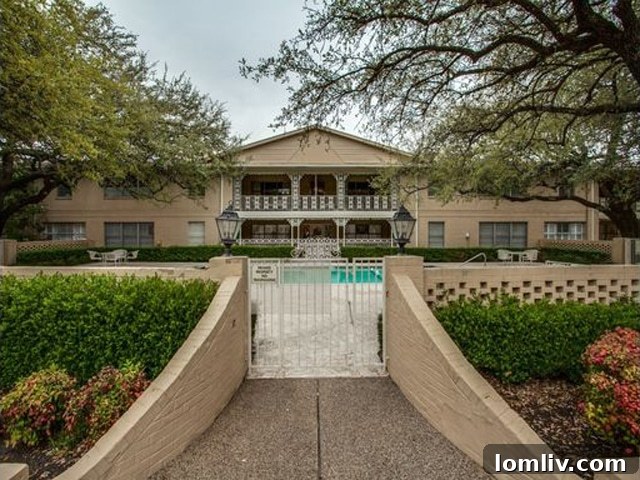
The Pink Wall: Dallas’s Best Kept Real Estate Secret?
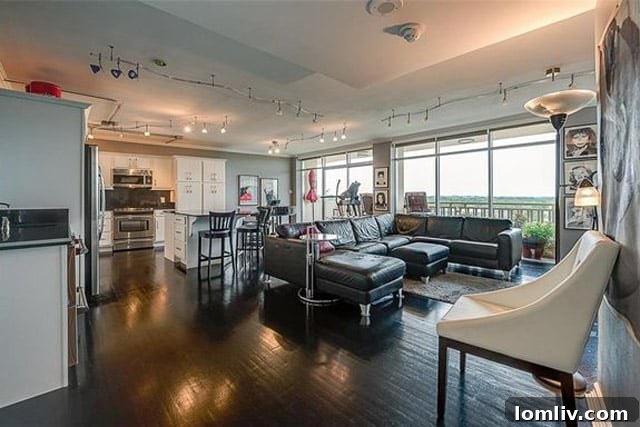
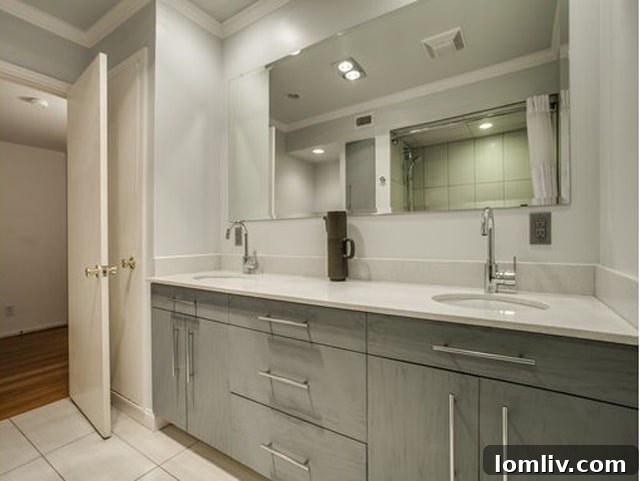
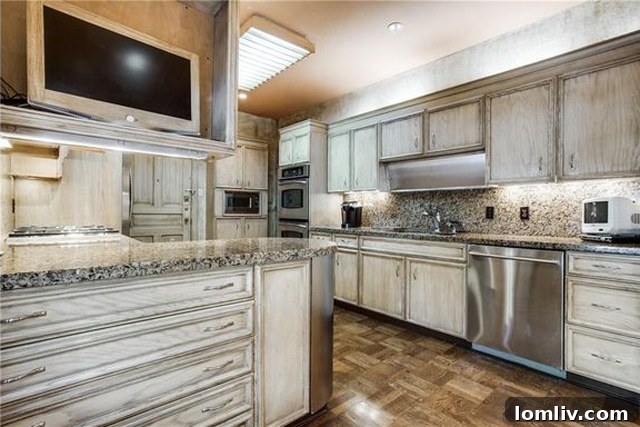
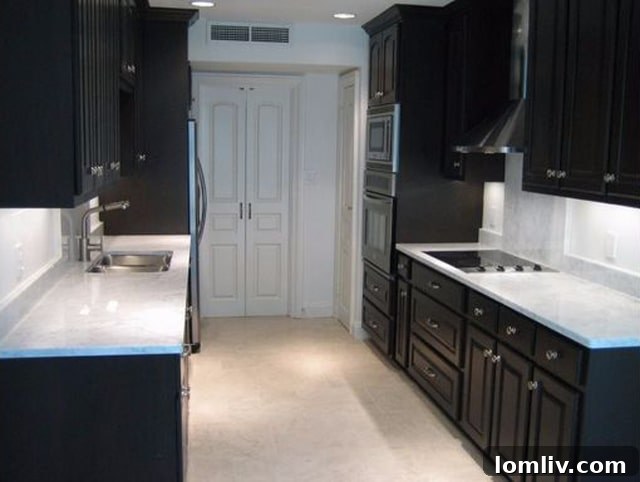
Several years into one of the most aggressive real estate markets Dallas has ever seen, the residences within the “Pink Wall” district remain a relative bargain. These properties, often charming palaces of yesteryear, are almost exclusively priced below $200 per square foot for fully renovated units. For those with a vision and a desire to customize, unrenovated “granny flats” or original condition condos can be acquired for significantly less, often hovering closer to $100 per square foot. Even the iconic high-rises in the area, such as The Athena and Preston Tower, fall within a similar pricing spectrum. While exceptional, meticulously updated units can push past the $200 per foot mark, the overall value proposition is undeniable.
Adding to their appeal, the Homeowners Association (HOA) dues in the Pink Wall area, though varied, nearly universally include utilities. This provides a welcome predictability for monthly expenses, a rare perk in today’s market. Where else in Dallas can one find such an accessible and well-located neighborhood, strategically positioned between the highly exclusive and ultra-luxury enclaves of Park Cities and Preston Hollow, with such competitive pricing? From personal experience, I can confidently say, none that I know of.
Deciphering the Discrepancy: Why the Pink Wall Lags Behind
The curious case of the Pink Wall’s relative undervaluation, especially when compared to its high-flying neighbors, can be attributed to several intertwined factors. Unlike the rapid modernization seen across Dallas, the Pink Wall has struggled to keep pace with its immediate surroundings. Many complex exteriors are distinctly dated, showing signs of wear and tear, and are in desperate need of refreshing, or in some cases, significant maintenance. What was once considered a prestigious and pricey location decades ago now reflects a visual disconnect with the contemporary luxury that defines Park Cities and Preston Hollow. Conversations with newer residents often reveal their pleasant surprise at how easily they could afford to live in an area they once perceived as far more glamorous and expensive.
The Impact of Unit Size: More Bang for Your Buck, But at What Total Cost?
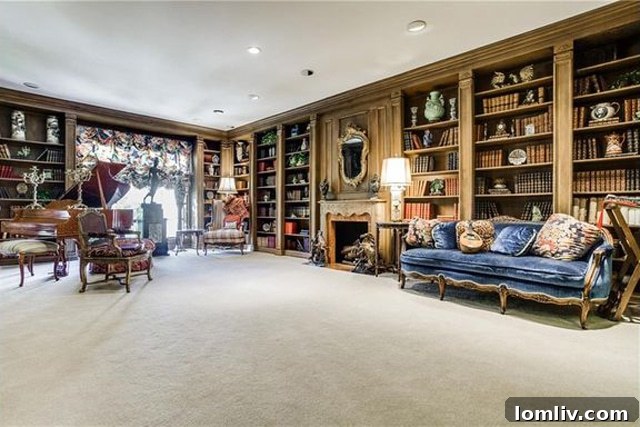
Another significant factor contributing to the unique pricing dynamics is the sheer size of many Pink Wall condos. They are, by most modern standards, expansive. While the cost per square foot remains remarkably low, the total purchase price can still be substantial due to the generous square footage. For instance, finding a unit at the Imperial House under 2,000 square feet is a rarity, and even condos ranging from 1,300 to 1,400 square feet are often considered “small” within this district. This contrasts sharply with one-bedroom units in Oak Lawn, which are typically half the size but can command a similar total price, offering significantly less living space for the same investment.
The Broken Equation: Shifting Demographics and Economic Disparity
These two characteristics – dated aesthetics and large unit sizes – are intrinsically linked to the area’s original vision. The Pink Wall was initially conceived to attract empty-nesters and downsizers from the sprawling mansions of Park Cities and Preston Hollow, individuals who desired to shed the responsibilities of lawn maintenance without sacrificing proximity or prestige. In its formative years, Pink Wall condos were financially aligned with the expectations of these affluent neighbors, representing a natural progression for those seeking a more manageable yet upscale lifestyle.
However, this original equation has fractured. As Park Cities and Preston Hollow evolved from diverse, multi-income areas into bastions of exclusive luxury, the Pink Wall failed, or perhaps was unable, to keep pace. The resulting economic gulf between the ultra-wealthy adjacent neighborhoods and the Pink Wall became too wide to bridge. Today, residents of nearby multi-million dollar estates are not typically looking to downsize into a $200,000 to $400,000 condo. Their downsizing trajectory now points towards premium high-rises in Turtle Creek or Uptown, if they opt to move at all.
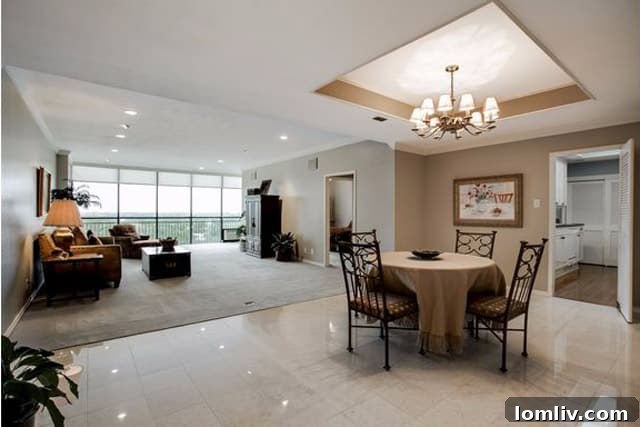
Consequently, many long-term residents of the Pink Wall are those who purchased decades ago when the original economic model worked. The new blood entering the neighborhood primarily hails from parts of Dallas where the economics of Pink Wall pricing make a logical and attractive investment. This favorable price point also draws a significant amount of investor and rental activity, creating a diverse ownership and occupancy landscape.
The Undeniable Appeal: Why the Pink Wall is a Smart Move
This discussion of challenges might sound like a buyer’s lament, but it is, in fact, the opposite. In the realm of real estate, when have the terms “location,” “spacious,” and “affordable” ever been detrimental? These three attributes collectively represent the coveted real estate trifecta, a powerful combination that signals immense potential. The Pink Wall embodies this trifecta, making it a compelling prospect for a specific type of buyer.
A Blueprint for Renaissance: Learning from Dallas’s Success Stories
Other Dallas neighborhoods, such as Oak Lawn, Oak Cliff, and the M-Streets, have experienced profound renaissances by leveraging a similar confluence of criteria. A crucial component of their revitalization was their ability to attract budget-conscious, often childless, buyers who were not primarily concerned with school districts. These pioneering residents, driven by a vision for renovation and a desire for urban living, channeled their resources into transforming properties. The enduring popularity of the Design District today, for example, has nothing to do with its schools; it thrives on its unique character and strategic location. The long-term success of these neighborhoods is a testament to the dedication of these early residents. Through their hard work and shared experience of “bootstrapping” their communities, they forged a strong sense of belonging and collective ownership. This “sweat equity” acts as a powerful adhesive, fostering a tight-knit community spirit that transcends mere property lines. It’s no surprise that I find the most engaging conversations with neighbors are often those who have personally undertaken renovations of their own homes, establishing a common ground of investment and pride.
The Preston Center Effect: A Catalyst for Future Growth
Beyond its intrinsic appeal, another significant reason to consider becoming a “Pink Waller” is the imminent transformation of Preston Center. Despite my personal skepticism regarding some of the methodologies and potential cronyism within the Preston Center Task Force, the reality is that substantial development is rapidly approaching. Plans envisioning the submergence of the Preston Center garage to create a vibrant town square, as part of a larger expansion, promise to profoundly benefit the entire area. Depending on the precise path of this development, Pink Wall residents stand to gain significantly from increased access to nearby amenities, a broader selection of restaurants, and crucially, competing residential developments that will undoubtedly elevate property values across the board. The adage “a rising tide lifts all boats” rings particularly true here.
However, the Pink Wall cannot simply rely on external forces to drive its revival. It requires proactive, high-profile redevelopment and a concerted effort to refresh its curb appeal. Imagine a residential transformation akin to a “Carlo’s Bakery” phenomenon, where buyers line up, drawn by the allure of modern design and desirable features, only to be frustrated by crowds before finding their ideal home. Unfortunately, existing deed restrictions present a significant hurdle for large-scale, near-term redevelopment in much of the area. Removing these restrictions would require a collective vote from residents, a process often fraught with complexities. Yet, this doesn’t preclude individual complexes from undertaking the kind of comprehensive exterior facelifts that many residents have already successfully implemented within their own units.
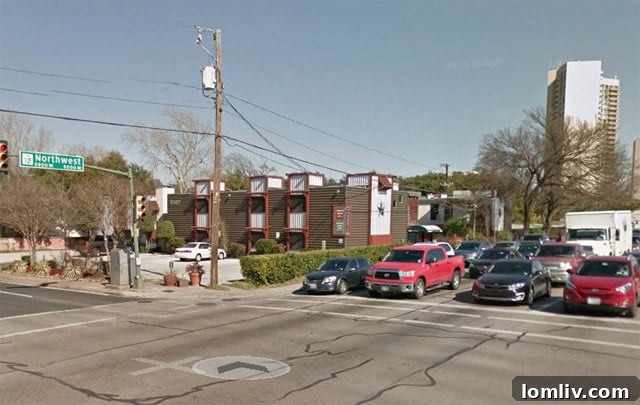
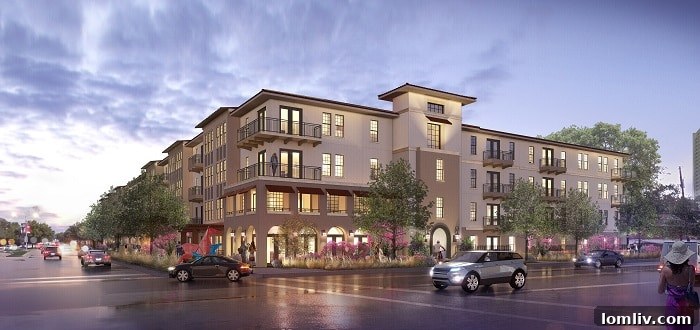
A shining example of such positive change is the currently under-construction Laurel apartments, strategically located at the corner of Northwest Highway and Preston Road. Thankfully, this project was not encumbered by the area’s pervasive deed restrictions. Despite initial contention, this development will undoubtedly present a far more inviting and modern “front door” to the Pink Wall than the dilapidated, corrugated steel-clad structure that previously occupied the corner – a location once more associated with illicit activities than residential living. The Laurel apartments represent a tangible step towards the aesthetic uplift the Pink Wall profoundly needs.
Navigating the Pink Wall: Essential Guidance for Buyers and Investors
Understanding the unique dynamics of the Pink Wall requires careful consideration. Here are some key guidelines for anyone contemplating a move or an investment in this promising, yet complex, Dallas neighborhood:
- AVOID the Pink Wall if you are a developer seeking rapid, large-scale profits, unless you possess the substantial financial resources required to acquire multiple complexes and extinguish the existing deed restrictions. Such an endeavor demands significant capital and a long-term vision.
- EMBRACE the Pink Wall if you are a real estate flipper. There is a robust market of “move-in-ready” buyers who prefer updated homes over renovation projects. Flippers play a crucial role in introducing fresh, modernized product to the market, thereby attracting new residents and invigorating the area.
- AVOID the Pink Wall if you are an individual investor hoping for a quick, “get-rich-quick” buyout. The path to significant appreciation here is typically longer and more nuanced than in other rapidly gentrifying areas.
- CONSIDER the Pink Wall if you are searching for a charming, established neighborhood that boasts an exceptional location. Its proximity to luxury districts offers unparalleled convenience without the exorbitant price tag.
- CHOOSE the Pink Wall if ample living space is a top priority. The generous unit sizes offer incredible value per square foot, providing more room for less money than comparable areas.
- OPT FOR the Pink Wall if you are a renovator or an aspiring homeowner looking for a rewarding project at a reasonable entry price. The potential for sweat equity is immense, allowing you to tailor a home to your exact specifications while potentially building significant value.
- AVOID the Pink Wall if you are easily frustrated by slow-moving change or bureaucratic processes. Community-wide shifts in attitude and policy, particularly concerning deed restrictions and large-scale development, can be gradual.
- EMBRACE the Pink Wall because a proactive, youthful attitude is paramount to fostering positive change and enhancing the area’s appeal. Investing with a long-term perspective, supported by favorable actuarial tables, can yield significant rewards as the neighborhood continues its evolution.
Crucial Due Diligence: Don’t Skip Your Homework
Regardless of your motivation, whether buying in the Pink Wall or any other community, NEVER proceed without exhaustive due diligence. Several complexes within this area are facing severe financial distress, often the result of years of deferred maintenance and escalating operational costs. In a smaller complex with only a dozen or two units, hundreds of thousands of dollars in necessary repairs can translate into a single, crippling special assessment for each homeowner. Larger complexes, while benefiting from more units over which to spread costs, are by no means immune to these financial pressures.
Beyond meticulously scrutinizing a complex’s financial statements and reserve funds, it is absolutely essential to have a qualified home inspector assess not just your individual unit, but the overall building structure. This comprehensive approach may incur a slightly higher upfront cost, but the peace of mind and protection from unforeseen liabilities it provides are invaluable. A thorough understanding of the HOA’s health, including its budget, history of assessments, and future capital improvement plans, is critical to making a sound investment.
Conclusion: A Smart Investment for the Savvy Buyer
Ultimately, while the path to large-scale, transformative development behind the “Pink Wall” may present an uphill battle, this does not diminish its inherent value as an exceptional place to live or a promising opportunity for a strategic flipper. The enduring appeal of “spacious and affordable in a prime location” remains the very fabric from which real estate dreams are woven. The Pink Wall, with its unique blend of challenges and unparalleled potential, stands ready for those discerning buyers and investors who recognize its true, understated worth in the dynamic Dallas market.
Engage with Us: Do you have a compelling HOA story to share? Perhaps a piece of high-rise history from Dallas? Realtors, we invite you to feature a listing – whether it’s a renovation project in waiting or a property that shines with recent updates. Consider hosting a Candy’s Dirt Staff Meeting with us! Feel free to send Jon an email – even marriage proposals are accepted (they’re legal!). Reach out at [email protected].