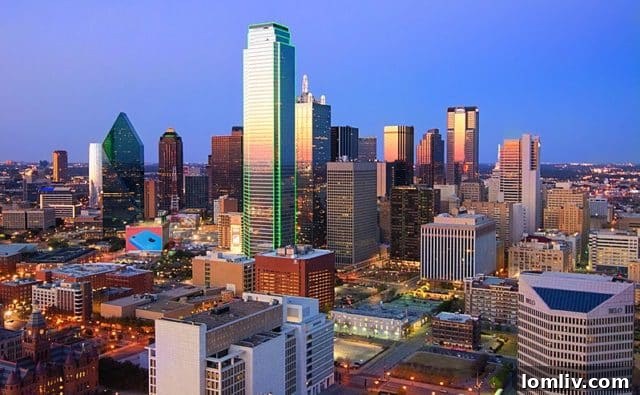
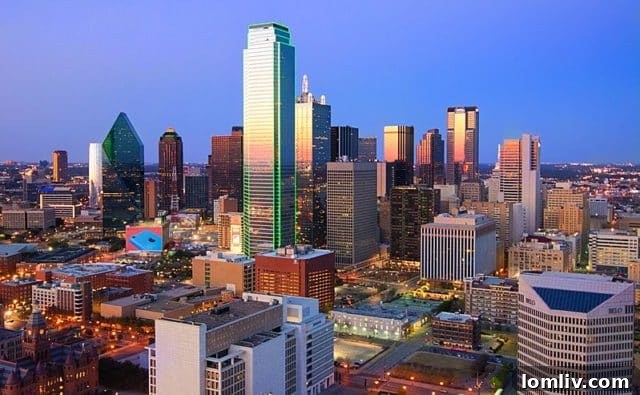
Dallas Real Estate: Unpacking the Dynamics of a Powerhouse Market
The Dallas real estate market has consistently been a focal point for investors, homebuyers, and industry experts alike. Known for its robust economy, dynamic job growth, and appealing lifestyle, the metroplex often finds itself at the forefront of real estate discussions. But how exactly did Dallas navigate the complex landscape of market predictions, often being crowned a top market to watch while simultaneously experiencing shifts in home value appreciation? This comprehensive analysis delves into key reports from a significant period, dissecting the forces that shaped Dallas’s real estate narrative and offering invaluable insights into its enduring appeal.
Dallas Earns Top Spot as Market to Watch for 2019
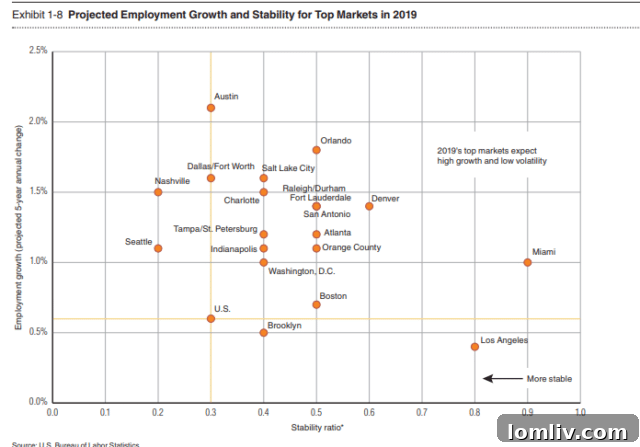
In a significant resurgence, the Dallas market reclaimed its prime position, being named the number one city for overall real estate prospects in 2019. This prestigious ranking, detailed in the PricewaterhouseCoopers and Urban Land Institute’s Emerging Trends in Real Estate report, underscored Dallas’s exceptional resilience and growth potential. After a temporary dip to fifth place the previous year, this climb back to the top spot was a clear indicator of the market’s underlying strengths.
The report, which evaluates 79 cities across the United States, highlighted several pivotal factors contributing to Dallas’s leadership. A vibrant and growing young workforce was identified as a primary catalyst, fueling demand across various real estate sectors from residential to commercial. This demographic trend is often coupled with high business startup activity, creating a dynamic ecosystem ripe for innovation and economic expansion. Dallas’s ability to attract and retain both talent and entrepreneurial ventures has solidified its reputation as a leading economic hub.
Why Dallas Shines: Key Drivers of Growth
Dallas’s consistent presence in top-tier rankings is no accident. The city’s business-friendly environment has been a cornerstone of its success. Over the past decade, Dallas has shrewdly capitalized on emerging trends through disciplined development strategies. This approach has not only focused on expanding infrastructure but also on creating integrated communities where residents can seamlessly live, work, and engage in recreational activities. The emphasis on modern infrastructure, ranging from transportation networks to cutting-edge digital connectivity, ensures that Dallas remains competitive and appealing to both corporations and individuals.
Furthermore, strategic investments in urban planning and revitalization projects have transformed various districts, enhancing the quality of life and fostering a strong sense of community. This holistic development philosophy attracts a diverse population, from young professionals seeking career opportunities to families looking for a high quality of life. The synergy between a supportive business climate, continuous infrastructure improvements, and attractive lifestyle options creates a powerful magnet for growth and sustained real estate interest.
A Look at Other Top Markets
While Dallas led the pack, the report also recognized other formidable markets making waves in the real estate landscape. The top 10 included Brooklyn, New York (2); Raleigh-Durham, North Carolina (3); Orlando, Florida (4); Nashville, Tennessee (5); Austin, Texas (6); Boston, Massachusetts (7); Denver, Colorado (8); Charlotte, North Carolina (9); and Tampa, Florida (10). Notably, San Antonio, another prominent Texas city, also secured a spot within the top 20, further emphasizing the strength of the Lone Star State’s real estate markets.
The insights presented in the Emerging Trends report are derived from a comprehensive data compilation process. This includes a broad survey of 2,400 corporate executives and a series of in-depth personal interviews with industry leaders. This rigorous methodology ensures that the findings offer a robust and reliable forecast of future real estate trends and market performance across the nation.
Navigating Home Value Trends: A Closer Look at Dallas
Despite being heralded as a top market for overall prospects, Dallas simultaneously presented a nuanced picture regarding home value appreciation. Reports indicated a moderation in the pace of growth, prompting a deeper examination of the factors at play within the housing sector.
Veros VeroFORECAST: Signs of Moderation
The Veros Real Estate Solution’s VeroFORECAST for the third quarter of 2018 revealed that while the Southern region generally maintained healthy markets, Dallas was showing distinct signs of slowing home value growth over the subsequent year. This forecast, which meticulously predicts property value behavior across Metropolitan Statistical Areas (MSAs) from September 1, 2018, to September 1, 2019, identified a shift in Dallas’s trajectory compared to the previous quarter. In contrast, other Texas cities like Midland and Odessa demonstrated significant strengthening, highlighting the diverse conditions within the state.
Eric Fox, VP of Statistical and Economic Modeling at Veros, provided a broader context: “Our latest VeroFORECAST indicates that on average, for the top 100 most populated metro areas, we expect 4.5 percent appreciation over the next 12 months.” He noted that this marked the 25th consecutive quarter forecasting overall appreciation, with approximately 97 percent of metros nationwide expected to appreciate, and only three percent anticipated to depreciate. The consistency of these averages, quarter over quarter, suggested a stable, albeit moderating, national housing market.
The Broader US Context: Western Markets Lead Appreciation
Interestingly, the VeroFORECAST highlighted a strong performance from the Western region, which dominated the top 10 spots for property value appreciation. Seven of these leading MSAs were concentrated in Washington and Nevada, underscoring robust demand and unique market dynamics in these states. Fox observed, “This is a very strong showing, with the average appreciation of the Top 10 markets forecast to be a half-percentage point higher than in our last report.” This regional strength suggested that while national averages were consistent, specific areas experienced accelerated growth.
Furthermore, Fox pointed out the subtle yet significant impact of interest rates. For many markets analyzed, forecasts in that quarter softened by one to two percent compared to what they might have been had the flat interest rate environment of preceding years persisted. This indicates the sensitivity of housing values to broader monetary policy and financing costs, a critical factor for both buyers and sellers.
Supply and Demand: A Critical Factor
The fundamental principle of supply and demand continued to play a pivotal role in market performance. Fox emphasized, “Housing supply is a key discriminator between the forecasted top- and bottom-performing markets.” In regions where housing supply remained exceptionally low, such as in the top-performing Western markets, prices were expected to increase significantly. This illustrates that while demand may be high in Dallas, an increase in inventory or a shift in buyer behavior due to affordability concerns could lead to a more balanced market, thereby moderating the pace of appreciation. This moderation does not necessarily signify a weakening market but rather a transition towards more sustainable growth, which can be beneficial for long-term market health and accessibility for a wider range of homebuyers.
The Resilient Texas Housing Market
Beyond Dallas’s specific trends, the broader Texas housing market demonstrated remarkable strength, with notable increases in both sales and prices during this period. The state’s robust economy and continuous population growth provided a solid foundation for its real estate sector.
Statewide Growth and DFW’s Performance
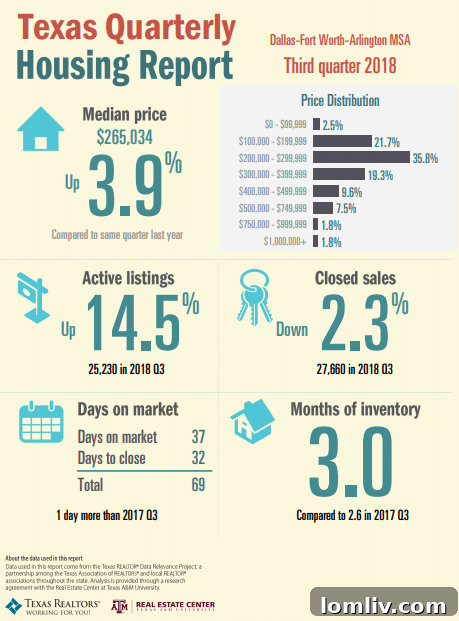
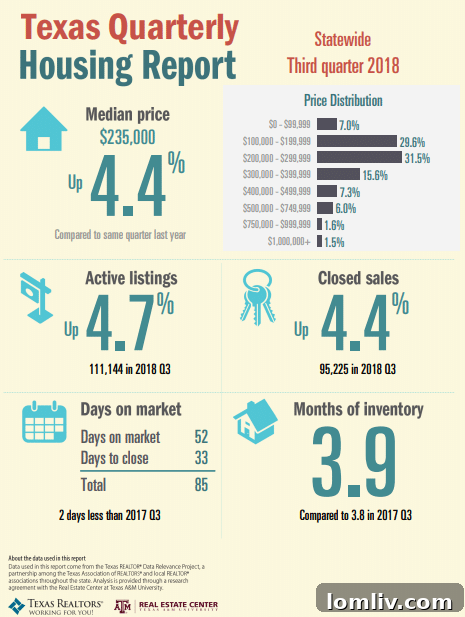
According to the Texas Association of REALTORS® quarterly housing report, the third quarter of 2018 saw a strong performance across the state. A total of 95,225 homes were sold, representing a 4.4 percent year-over-year increase. The statewide median price also rose by 4.4 percent, reaching $235,000. These figures underscore the consistent demand and appreciation within the Texas market.
Specifically, the Dallas-Fort Worth-Arlington Metropolitan Statistical Area (MSA) showcased healthy growth. The median price in the DFW MSA experienced a 3.9 percent increase, reaching $265,034. Active listings within the area saw a substantial rise of 14.5 percent, which is a positive indicator for market balance, offering more choices for prospective buyers. The months of inventory, a key metric indicating how long it would take to sell all active listings at the current sales pace, increased to three months, up from 2.6 months during the same period the previous year. While still indicating a seller’s market, this slight increase in inventory contributes to a healthier, less frenzied environment.
Market Normalization and Builder Response
Kaki Lybbert, then chairman of the Texas Association of REALTORS®, articulated the sentiment, stating, “The record-breaking home-sales activity this summer in Texas is an example of the strong economy, job growth and quality of life in our great state that keeps driving demand for home ownership.” She projected continued robust performance, noting, “At the current rate that home sales and active listings are increasing, we are trending towards another record-breaking year in Texas real estate.”
Echoing this positive outlook with a note of realism, Jim Gaines, chief economist with the Real Estate Center at Texas A&M University, remarked, “Our market remains extremely strong but is still slowly moving toward normalization.” Gaines’s observation of a slowing rate of increase in median home prices and sales statewide, compared to prior years, aligns with the concept of a maturing market. This normalization often translates into a more sustainable growth trajectory, reducing the risk of overheating.
A significant challenge highlighted by Gaines was the persistent low inventory levels for homes priced under $150,000. This scarcity particularly impacts entry-level homebuyers. In response, homebuilders were making a “concerted effort” to construct more lower-cost housing options. This strategic shift by builders is crucial for addressing affordability concerns and ensuring that the market remains accessible to a broader demographic, thereby maintaining long-term vitality and balancing supply with diverse demand across all price points.
Conclusion: What Does This Mean for Buyers, Sellers, and Investors?
The Dallas real estate market, as illuminated by these reports, presented a compelling and dynamic picture for 2019. It was a market celebrated for its overall economic prospects and robust growth drivers, yet simultaneously navigating a nuanced moderation in home value appreciation. For potential homebuyers, the slight increase in inventory and the normalizing pace of appreciation could have offered a welcome reprieve from intensely competitive bidding wars, potentially creating more opportunities to find suitable properties without the pressure of rapidly escalating prices. However, affordability for entry-level homes remained a challenge, prompting critical responses from the building sector.
For sellers, while the frenzied appreciation might have softened, the underlying strength of the Dallas and broader Texas economies ensured a healthy environment for transactions. The continued demand, driven by job growth and an attractive quality of life, meant that well-priced and well-maintained properties were still likely to attract strong interest. Investors, on the other hand, likely viewed Dallas as a market with enduring potential, particularly in sectors fueled by its young workforce and business-friendly policies. The long-term outlook, supported by strategic development and infrastructure investment, promised sustained growth, albeit with a more measured pace in residential value increases.
Ultimately, Dallas’s story for 2019 was one of a powerful market evolving. It showcased a transition from rapid, perhaps unsustainable, growth to a more normalized and balanced state. This evolution, far from signaling weakness, underscored the market’s maturity and resilience, positioning Dallas not just as a fleeting hotspot, but as a stable and attractive real estate investment destination for the foreseeable future.