The landscape of educational funding is constantly evolving, and a recent development within the Dallas Independent School District (Dallas ISD) has brought the critical role of crowdfunding into sharp focus. Initially, a memo circulated among Dallas ISD principals caused considerable confusion and concern, suggesting a potential ban on certain online crowdfunding platforms for district-related fundraising. This news sent ripples through the teaching community, especially given the widespread reliance on such platforms to bridge funding gaps.
Crowdfunding sites like Kickstarter, GoFundMe, and particularly DonorsChoose, have become indispensable tools for educators across the nation. They provide a vital lifeline for teachers and schools seeking to secure funds for essential resources—be it for enriching field trips, innovative classroom projects, much-needed new books, or advanced technological equipment. For many, these platforms represent the difference between an aspirational educational experience and a bare-bones curriculum. The initial interpretation of the memo, therefore, threatened to severely curtail teachers’ abilities to enhance their students’ learning environments, naturally sparking significant anxiety among dedicated educators.
The memo in question, titled “Online Donation Websites,” aimed to clarify the district’s position on external fundraising. It opened by stating, “While these type of websites can be good fundraisers for individuals, it is important to remember that the Dallas ISD is a governmental entity, not an individual or private sector entity. There are different laws that govern our district in regards to this issue.” This distinction is crucial; as a governmental entity, Dallas ISD is bound by a unique set of legal and policy frameworks that do not apply to private individuals or organizations. The district elaborated on its reservations regarding third-party online fundraisers, citing several key concerns. These included the potential for the platforms’ terms and conditions to violate state law or local district policies, the collection of fees by platforms which only the district’s finance department is authorized to deem appropriate for payment, and the requirement by some sites for information that the district is legally prohibited from providing. These points highlighted the complex legal and administrative challenges that arise when public entities engage with private fundraising platforms.
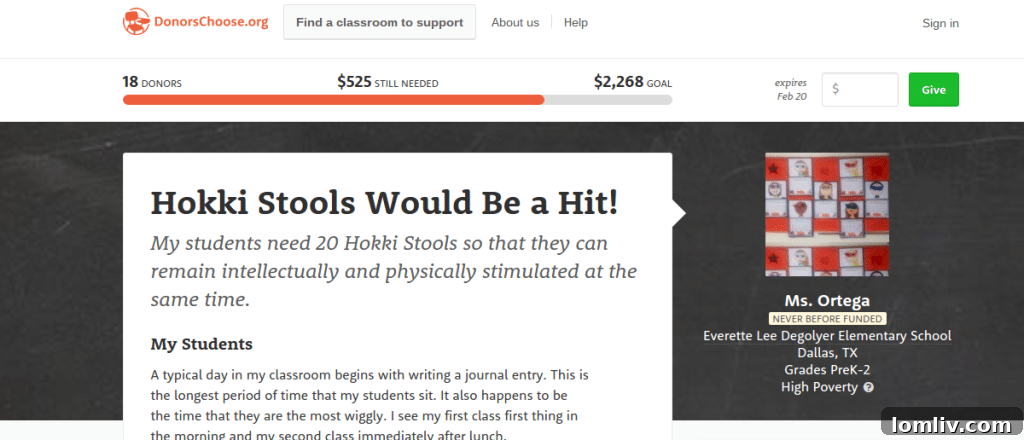
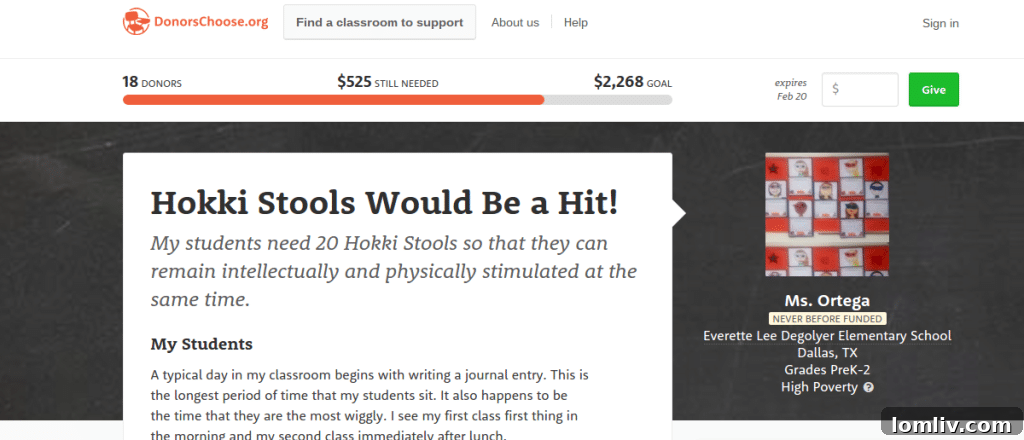
On its face, the language of the memo appeared to signal a comprehensive prohibition on all crowdfunding efforts. This perception led to immediate outreach for clarification. André Riley, the Dallas ISD news and information director, quickly addressed the widespread misinterpretation, stating unequivocally, “Our staff may still use DonorsChoose. We’ll plan to clarify that with them soon.” This clarification brought a collective sigh of relief, confirming that DonorsChoose, a platform widely favored and trusted by educators for its focus on classroom projects, remained an approved avenue for fundraising within the district. The distinction between DonorsChoose and other platforms, while not fully detailed, likely stems from DonorsChoose’s established history, its direct integration with educational institutions, and perhaps its more compliant operational model with public school district regulations.
Dallas ISD’s Strategic Move: A District-Controlled Crowdfunding Pilot Program
Beyond the immediate clarification, the memo unveiled a significant strategic initiative from Dallas ISD: the imminent launch of its own pilot program for online donations. The memo stated, “The Financial Services Department is aware of the desire to have an online donation option. As a result, the Financial Services Department has indicated that a pilot program for online donations that is maintained and controlled by the District will begin in approximately two months with select schools. Interested schools should prepare to use the District’s program when available districtwide.” This announcement signals a proactive approach by Dallas ISD to address the growing need for online fundraising while maintaining strict oversight and compliance. The move suggests a desire to centralize, standardize, and streamline the fundraising process, ensuring that all efforts align with district policies and legal requirements.
While specific details about Dallas ISD’s forthcoming platform remain sparse, the district’s rationale for developing an internal solution is likely multifaceted. A district-controlled platform could offer several advantages: it would allow the district to dictate terms and conditions, eliminating conflicts with state law or local policies; it could manage transaction fees more transparently and efficiently, ensuring maximum benefit for schools; and it would guarantee the protection of sensitive information in accordance with privacy regulations. Furthermore, an internal system could facilitate more targeted fundraising campaigns aligned with district-wide educational goals or specific school improvement plans, allowing for a more equitable distribution of resources and opportunities across all schools within the district. This initiative underscores a forward-thinking approach to modern school funding, acknowledging the power of digital fundraising while asserting necessary institutional control.
Learning from Precedents: San Francisco’s Spark*Learning Platform
Dallas ISD is not charting entirely new territory with its plan. The San Francisco Unified School District (SFUSD) pioneered a similar approach, launching its own crowdfunding platform, Spark*Learning, in partnership with online fundraising platform Tilt during the previous school year. SFUSD became one of the first districts to create such an internal system, providing a valuable case study for others like Dallas ISD. In a press release, SFUSD articulated its vision for Spark*Learning, highlighting how it would empower schools to raise funds through a centralized, district-managed platform. The district emphasized that with this system, “principals will not have to navigate purchasing technology on their own. Through this system, SFUSD can centralize purchasing, which will lead to greater savings and maintain a standard for district loss and theft prevention.”
SFUSD’s experience offers crucial insights into the potential benefits and challenges that Dallas ISD might encounter. The San Francisco model primarily focuses on technology needs, indicating a strategic decision to address a specific, high-cost area of school resourcing. This centralized approach allows for bulk purchasing discounts, ensuring that schools get the best value for their money and that all technology acquired meets district standards for compatibility and security. Moreover, by standardizing the purchasing process, the district can implement robust loss and theft prevention measures, safeguarding valuable assets. Dallas ISD’s pilot program might similarly focus on specific areas of need or expand to encompass a broader range of projects, learning from SFUSD’s experience while tailoring the platform to its unique context and priorities.
The Enduring Need for Educational Crowdfunding
The reliance on crowdfunding platforms by teachers is not merely a preference but often a necessity, reflecting deeper systemic issues in educational funding. Nichole Dobo of the Hechinger Report eloquently captured this shift, explaining in a recent story, “Not that long ago, fundraising for school trips required paper checks, envelopes stuffed with cash and an army of parent volunteers.” The traditional methods, while valuable, were often labor-intensive, limited in reach, and highly dependent on local community engagement.
Dobo further articulated the transformative impact of online tools: “These days, a website can reach a wider audience more efficiently. These online tools for fund-raising have streamlined the process for soliciting private donations to pay for materials and activities that are not supported by many public school budgets.” This statement underscores the profound efficiency and expanded reach that digital platforms offer. Teachers can now connect with potential donors far beyond their immediate community, tapping into a global network of philanthropists and individuals passionate about education. This accessibility is critical, as public school budgets often struggle to cover anything beyond the most basic operational expenses, leaving little room for enrichment activities, innovative projects, or even adequate classroom supplies.
The sheer impact of platforms like DonorsChoose is staggering. According to DonorsChoose (the primary platform approved by Dallas ISD), since its inception in 2000, it has facilitated the funding of 639,000 projects, raising nearly $368 million for 257,170 teachers nationwide. These figures are not just statistics; they represent countless classroom transformations, enriched learning experiences, and direct support for educators striving to provide the best for their students. In Dallas alone, there are currently 270 open campaigns, with the vast majority benefiting Dallas public schools, highlighting the city’s significant engagement with and reliance on this form of educational philanthropy.
The Unseen Burden: Teachers’ Out-of-Pocket Expenses
The need for crowdfunding is further underscored by the significant financial burden shouldered by teachers themselves. A 2013-2014 annual teacher’s survey conducted by the United Federation of Teachers revealed that educators reported spending an average of $500 of their own money each year on classroom supplies, above and beyond any district reimbursements. This personal investment speaks volumes about teachers’ dedication and their unwavering commitment to ensuring their students have the resources they need. When district budgets fall short, teachers often fill the gap with their own earnings, a testament to their passion but an unsustainable model in the long run.
Expanding on this, a 2013 study by the National School Supply and Equipment Association, cited by the Hechinger Report, provided an even broader perspective: teachers nationwide spent an astonishing $1.6 billion of their personal funds on classroom supplies during the 2012-2013 school year alone. This monumental sum illustrates the systemic underfunding of educational institutions and the extent to which teachers subsidize the public education system. Crowdfunding platforms, while not a complete solution to this issue, offer a vital alternative, allowing teachers to seek external support rather than consistently dipping into their own pockets. The Dallas ISD’s efforts to regulate and eventually provide its own online donation option are therefore a crucial step towards acknowledging and addressing this pervasive challenge, aiming to create a more supportive and sustainable fundraising ecosystem for its dedicated educators.