Watermark Community Church’s Ambitious South Dallas Development Project Deferred Amidst Community Scrutiny
A substantial urban development initiative proposed by Watermark Community Church, a prominent evangelical megachurch based in North Dallas, has encountered a procedural delay. Plans to transform the expansive former Pearl C. Anderson Middle School site in South Dallas into a dynamic community hub, featuring a youth development center, a modern healthcare clinic, and a robust commercial kitchen, have been deferred by the Dallas City Plan Commission. The decision pushes the deliberation date to April 20, signaling a crucial period for further review and extensive community engagement. This pause highlights the inherent complexities in balancing large-scale community-focused projects with city planning regulations and the vital feedback from local residents.
The Vision: Watermark Community Church’s Proposed South Dallas Transformation
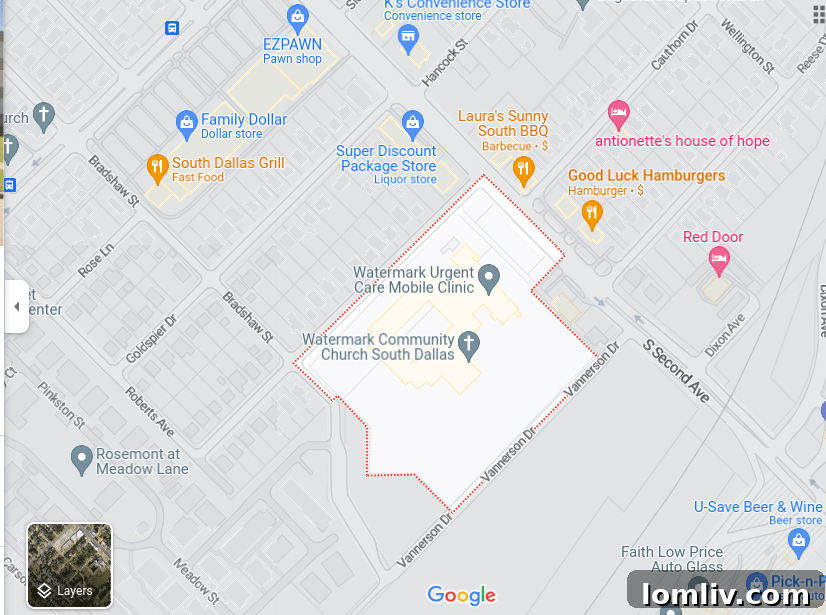
For roughly four years, Watermark Community Church has been the proprietor of the 190,000-square-foot Pearl C. Anderson Middle School building and its encompassing 9.8 acres. This significant land parcel, situated at 3400 Garden Lane within Dallas City Council District 7, represents a strategic acquisition aimed at fostering deep community impact in South Dallas. The proposed redevelopment seeks to convert the disused school facility into a vibrant, multi-functional center designed to address several pressing needs within what is often considered an underserved community.
Key Components of the Ambitious Project:
- Youth Development Center: This cornerstone of the project is envisioned as a critical resource for the area’s young population. It would likely provide a safe and nurturing environment offering a diverse range of educational programs, invaluable mentorship opportunities, structured recreational activities, and essential life skills training. Such a center is crucial for empowering youth, offering positive alternatives, and supporting their holistic development in a challenging urban landscape.
- Healthcare Clinic: Recognizing the disparities in access to quality medical services, the integration of a healthcare clinic underscores Watermark’s commitment to the physical well-being of local residents. This facility could deliver essential primary care services, preventative health initiatives, and possibly specialized medical support, thereby bridging critical gaps in healthcare provision within economically vulnerable neighborhoods.
- Commercial Kitchen: A state-of-the-art commercial kitchen offers multifaceted benefits. It could facilitate large-scale community meal programs, support food distribution efforts, and crucially, provide culinary training and entrepreneurial opportunities for residents seeking to develop marketable skills. Additionally, it holds the potential to cater events, generating sustainable revenue to support other charitable and community-focused initiatives within the hub.
These proposed facilities collectively illustrate a comprehensive strategy to create a supportive ecosystem in South Dallas, aligning with Watermark’s broader mission of spiritual and social outreach and reflecting a desire to contribute meaningfully to urban revitalization.
The Deferral Explained: Dallas City Plan Commission’s Decision and Rationale
The Dallas City Plan Commission’s decision to postpone the review of Watermark Church’s proposal until April 20 was conveyed through a spokesman for District 7 Dallas City Councilman Adam Bazaldua. The primary justification for this deferral centers on the need for more extensive time—both for the commission to thoroughly evaluate the church’s detailed plans and, critically, to solicit and integrate comprehensive feedback from the residents who live in the surrounding neighborhoods. This emphasis on public input is a cornerstone of responsible urban planning, ensuring that development projects truly serve the existing community.
Navigating Zoning and Land Use Hurdles:
The initial application filed by the developers outlined a “walkable mixed-use development.” This zoning category typically permits a harmonious blend of residential, commercial, and sometimes light industrial uses, often designed to promote pedestrian activity, reduce vehicular reliance, and foster vibrant urban centers. However, the application was subsequently modified to seek a “Special Use Permit” (SUP). An SUP is a specific authorization granted for a land use that is not ordinarily allowed in a particular zoning district but may be approved if it meets predefined conditions and is deemed compatible with the character and planning goals of the surrounding area.
District 7 CPC Commissioner Tabitha Wheeler-Reagan provided further clarification on the rationale behind the deferral. She stated, “Upon final review of the case, there were still issues pertaining to allowable uses in the staff-recommended zoning change. So, in the best interest of the applicant and the community, we will be holding the above zoning case until April 20. During that time, we will make the necessary adjustments to ensure that the allowable uses in the above zoning case are aligned with the area’s current and future vision.”
This statement illuminates a key sticking point: potential conflicts between Watermark Church’s proposed activities and the city’s existing zoning ordinances or the specific land use plan for the area. “Allowable uses” refers to the types of functions or structures legally permitted on a property according to its zoning designation. While a staff-recommended zoning change might have sought to accommodate the church’s vision, the commission identified persistent concerns about whether all aspects of the proposed development fully conformed to the revised framework or the community’s broader, long-term aspirations. The deferral therefore provides a vital window for resolving these intricate regulatory issues and ensuring the project seamlessly integrates with the established and future vision for South Dallas.
Historical Footprint: The Pearl C. Anderson Middle School Legacy
The 9.8-acre site at 3400 Garden Lane carries a significant historical weight, having formerly served as the location for the Pearl C. Anderson Middle School. The redevelopment of former public institutions, particularly schools, often generates considerable community interest and can ignite passionate debates about preservation, community legacy, and future utility. Watermark Community Church acquired this extensive property through an auction in 2019 for a reported sum of $211,000. The acquisition of such a large parcel, including a substantial building, at what appears to be a comparatively modest price, highlights the transformative potential and revitalization opportunities present in this specific sector of Dallas.
The transition of this property from a public middle school to a privately-owned community development hub operated by an evangelical church introduces a unique dynamic. While the school’s closure undoubtedly left a void in the community, Watermark’s initiative seeks to repurpose this existing infrastructure for new community services. This shift raises important questions about the continuity of public service, the evolving role of religious organizations in urban development, and how historical sites can best be reimagined to serve contemporary community needs.

Amplifying Community Voices: Councilman Bazaldua’s Advocacy
The input and concerns of the local community are paramount in the approval process for any large-scale development project. Councilman Adam Bazaldua, who represents District 7, has consistently championed the necessity of prioritizing residents’ concerns. In a recent press release, he underscored the critical importance of comprehensive community feedback before any final decision regarding the Watermark project is rendered.
“Watermark has shared their plans for the property, but we want to be certain that their proposals are able to be completed with the community’s interest at heart,” Bazaldua affirmed. His resolute stance ensures that the proposed development not only advances the church’s mission but also genuinely benefits and seamlessly integrates with the existing fabric of the South Dallas community. Common concerns that residents often raise in such situations include:
- Increased Traffic Congestion: A new large-scale facility can significantly elevate traffic volumes on surrounding residential streets, impacting daily commutes and neighborhood tranquility.
- Adequate Parking Availability: Insufficient on-site parking can lead to spillover onto residential streets, creating inconvenience and potential safety hazards for local homeowners.
- Noise and Activity Levels: Concerns may arise regarding increased noise from activities at the youth center, the commercial kitchen, or general facility operations, especially during evenings, weekends, or special events.
- Compatibility with Neighborhood Character: Residents often express apprehension about whether the scale, design, and nature of a new development align harmoniously with the predominantly residential or historical character of the surrounding area.
- Access, Equity, and Public Benefit: Questions about who will primarily benefit from the services offered, how accessible these services will be to all residents regardless of religious affiliation, and whether the project truly serves a broad public good.
- Impact on Property Values: The potential for both positive and negative impacts on residential property values in the immediate vicinity is a frequent concern, influencing residents’ long-term financial stability.
Bazaldua further emphasized that delaying the hearing “will allow residents more time to gain critical awareness of what is going on with the development and how it will affect their neighborhoods.” This extended period for deliberation, information dissemination, and dialogue is crucial for fostering transparency and ensuring that all community members are well-informed and have ample opportunity to articulate their perspectives. Genuine public engagement is not merely a bureaucratic formality; it is a fundamental pillar of sustainable and equitable urban development, guaranteeing that projects authentically serve the public interest.
The Political Undercurrent: An Election Year Context
The deferral of Watermark Church’s ambitious development project unfolds against the significant backdrop of a local election year. Councilman Adam Bazaldua is actively campaigning for re-election to his District 7 seat in the upcoming May 6 election. Large-scale development projects, particularly those with a profound impact on local communities, frequently become central issues in municipal political campaigns. A council member’s approach to navigating such a complex and often contentious issue can heavily influence voter perception, trust, and ultimate support.
Bazaldua’s consistent emphasis on prioritizing resident feedback and ensuring the project genuinely serves the community’s best interests aligns strategically with his re-election campaign, positioning him as a vigilant advocate for his constituents. His challengers in the fiercely contested election include Okema Thomas, Tracy Dotie Hill, and Marvin Crenshaw. The ongoing discussions and ultimate resolution surrounding Watermark’s development could very well emerge as a pivotal talking point in the electoral debate, with each candidate potentially offering distinct perspectives on the project’s suitability, its anticipated benefits, and its potential drawbacks for the vibrant communities within District 7.
Looking Ahead: The Road to April 20 and Beyond for South Dallas
The deferral of Watermark Community Church’s proposed development until April 20 marks a critical juncture for both the church and the residents of South Dallas. This extended timeframe provides a vital opportunity for city planners, the church, and the community to engage in further dialogue, refine the existing proposal, address any lingering concerns, and ultimately ensure that the project aligns seamlessly with the comprehensive vision and long-term planning goals for District 7.
This evolving situation vividly underscores the intricate, and often challenging, process of urban redevelopment. It highlights the indispensable need for meticulous consideration of zoning regulations, thorough assessments of environmental and social impacts, and robust, authentic community engagement. For South Dallas, a community characterized by its unique needs and rich history, the ultimate outcome of this decision will carry profound and lasting implications. While the promise of a state-of-the-art youth center, an accessible healthcare clinic, and a dynamic commercial kitchen offers significant potential benefits, these can only be fully realized if the project is executed in a manner that genuinely reflects the best interests, preserves the character, and supports the future aspirations of the people it aims to serve. All eyes will undoubtedly be on the Dallas City Plan Commission’s pivotal meeting in April as this significant development project seeks to chart its path forward.