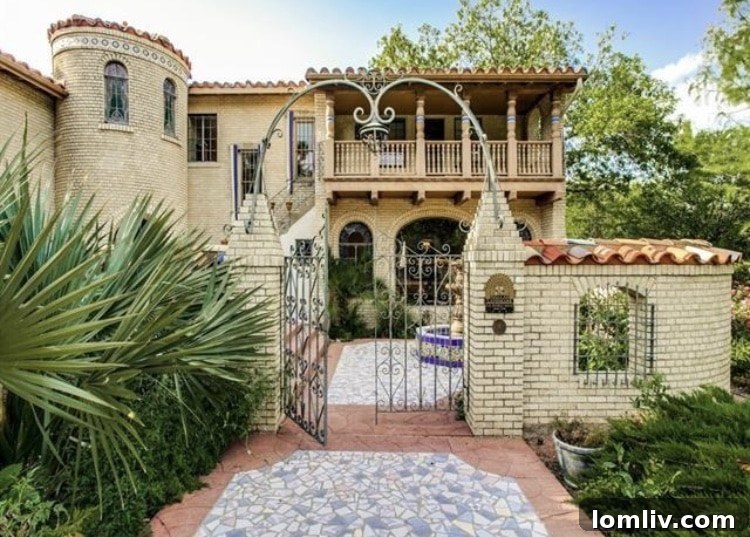
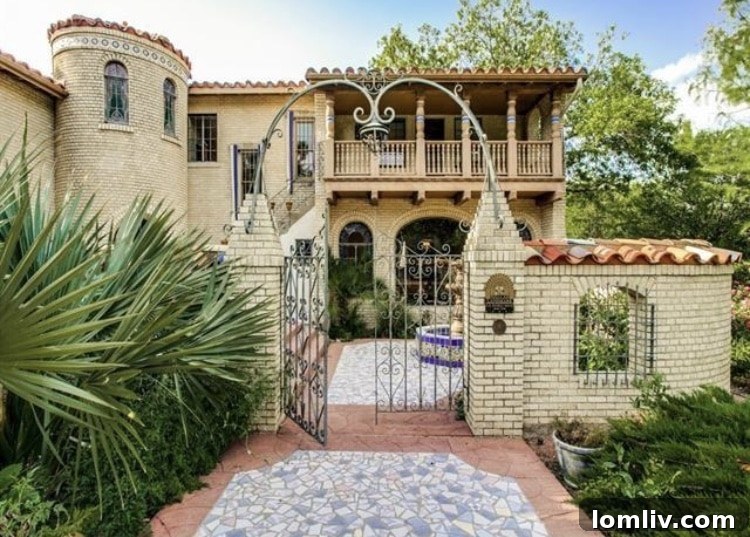
Lakewood Conservation District: Charting the Future of Preservation in Dallas’s Historic Neighborhoods
The beloved Lakewood community in Dallas stands at a pivotal juncture, as residents and city officials engage in crucial discussions surrounding the proposed Lakewood Conservation District. This initiative, designed to safeguard the unique architectural charm and character of the Monticello and Westlake neighborhoods, has ignited a passionate debate. A series of public hearings, commencing on August 31st, offers homeowners an invaluable opportunity to voice their perspectives and understand the profound implications this measure could have on their properties and the wider community.
The momentum behind the conservation district proposal is undeniable. Signatures gathered from a substantial majority – far exceeding the required 58 percent of the 275 homeowners within the designated area – clearly indicate widespread support. Yet, beneath this surface of consensus lies a nuanced discussion, with not every resident fully endorsing the concept. The question at hand is how to strike a delicate balance between preserving historical integrity and upholding individual property rights, a challenge that lies at the heart of Dallas’s ongoing urban development.
The local real estate landscape has closely followed this unfolding narrative. Daltxrealestate.com previously covered the dedicated efforts of Lakewood residents advocating for the preservation of their neighborhood’s distinctive character. However, as with any significant community-wide proposal, dissenting voices have emerged, presenting valid concerns about potential restrictions and their impact on property ownership and future marketability. These diverse viewpoints are essential to a comprehensive understanding of the proposed district’s multifaceted nature.

The Heart of the Debate: Protecting Lakewood’s Unique Architectural Heritage
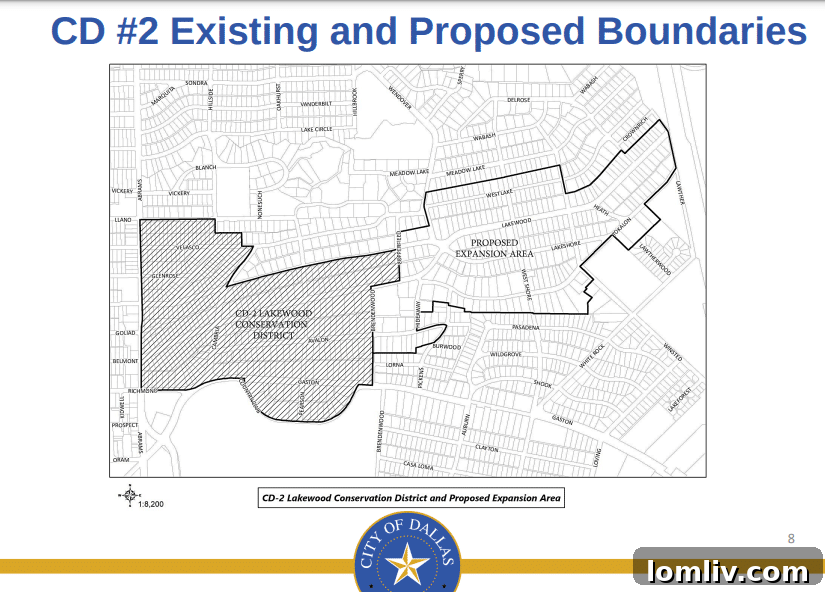
One of the primary drivers behind the proposed Lakewood Conservation District is the escalating concern over the rapid increase in teardowns within the area. As the neighborhood continues to evolve, many residents fear that new constructions, often larger and architecturally disparate, are eroding the very essence of what makes Lakewood so special. This sentiment is not new to the community; Lakewood already boasts a conservation district, established in 1988, encompassing 323 homes in Country Club Estates, providing a precedent for the current initiative.
The current proposal was spearheaded by a dedicated committee of ten residents, notably led by Summer Loveland. Residing in a historic Clifford Hutsell home situated within the area targeted for the conservation district, Loveland articulates a profound desire to protect the architectural fabric of her community. She highlights that hundreds of original homes along iconic streets like Lakewood, Lakeshore, Avalon, Tokalon, and Westlake currently fall outside the existing conservation boundaries. The present district, she explains, begins at Abrams and does not extend eastward beyond Brendenwood or Copperfield, leaving a significant portion of historic properties vulnerable to unchecked development.
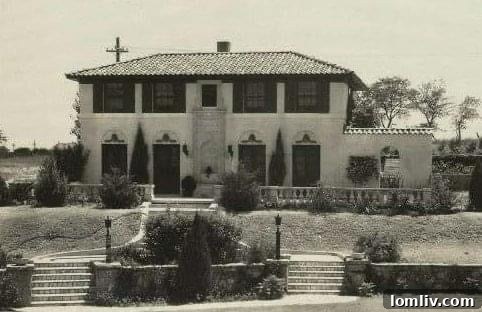
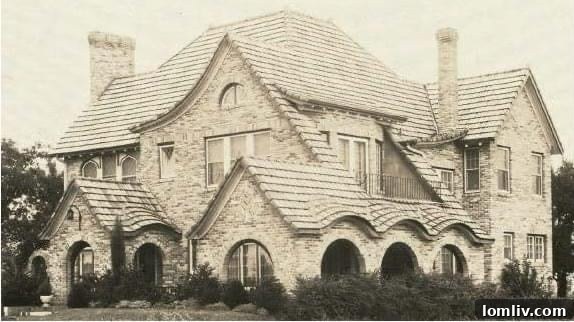
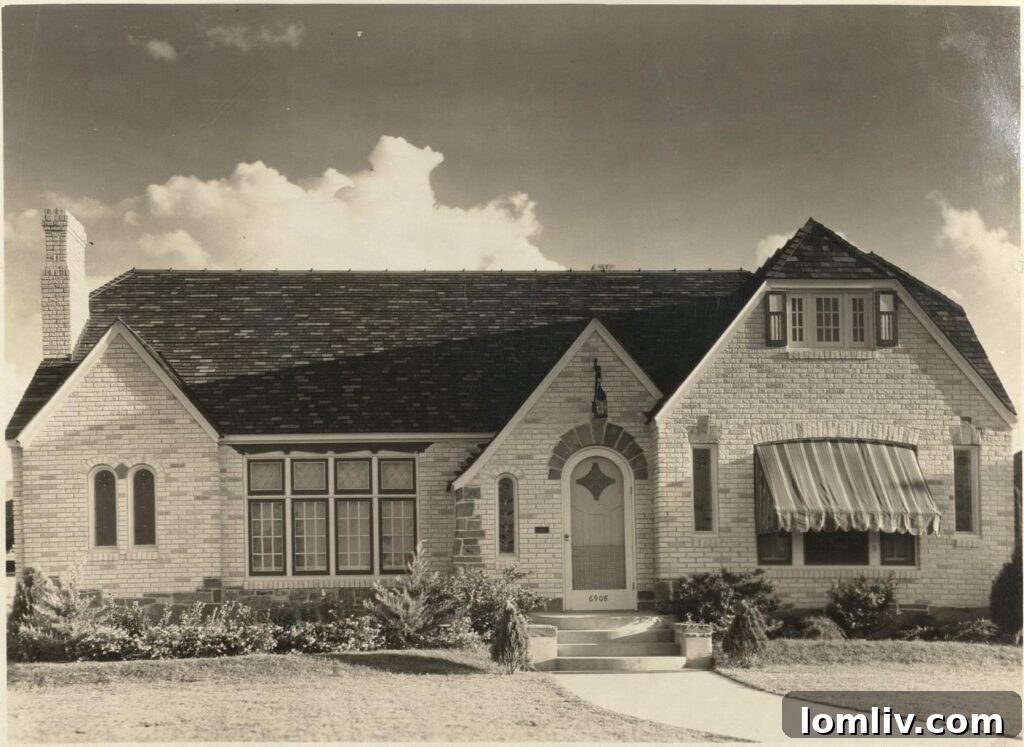
The rationale behind the proposal is clear: “We want to protect against the ramp-up of teardowns that have happened over the past year and a half, and we have a desire to keep the historic character of the neighborhood — that’s what people fall in love with when they move to Lakewood,” Loveland passionately states. This concern is amplified by statistics; within what Loveland refers to as the “unprotected” area, proposed for inclusion in the conservation district, there are approximately 50 invaluable Hutsell-designed homes. Tragically, in less than two years, five historic homes in Lakewood have already been demolished, fueling residents’ anxieties about the potential loss of architectural heritage and the integrity of their community.
The impact of non-conforming new builds is a significant point of contention. Realtor Nancy Wilson highlights the practical implications, explaining how a charming one-story ranch home can suffer a functional obsolescence and devaluation when dwarfed by towering, twice-as-large residences built on adjacent lots. This disparity in scale and style disrupts the aesthetic continuity of the streetscape, affecting not only the immediate neighbors but also the overall desirability and character of the area. David Preziosi, Executive Director of Preservation Dallas, strongly advocates for the measure, describing conservation district status as “one of the best tools to help preserve neighborhood character while allowing changes to take place to historic structures in an appropriate manner to suit modern needs.” This perspective underscores the idea that conservation districts are not about stifling progress, but rather guiding it thoughtfully to respect existing heritage.
Navigating the Tensions: Property Rights vs. Neighborhood Harmony
While the goal of preserving Lakewood’s unique ambiance resonates deeply with many, the concept of a conservation district also raises significant concerns, particularly regarding individual property rights and potential financial implications. Opponents argue that such restrictions, while well-intentioned, can inadvertently limit homeowner autonomy and impact property values.
Rita Randolph, a concerned resident, articulated these reservations to Daltxrealestate.com, highlighting specific limitations that could arise. “If the new district keeps with the framework of the existing ordinance, the architectural style of your home will impact what you can or cannot do,” she wrote. Randolph points out that the existing district specifies acceptable architectural styles such as Colonial Georgian Revival, French Eclectic, Spanish Eclectic, and Tudor. Homes that do not conform to these specific styles risk being classified as “non-conforming structures.” Her core objection lies in “restricting this neighborhood to these four styles of homes,” fearing that “putting additional restrictions on any property will reduce the market who will be willing to [purchase] within a restricted area.” This perspective emphasizes the importance of design flexibility and the potential for a narrower buyer pool, which could affect property liquidity and value.
The debate further extends to the fundamental principle of homeownership. Mike Starcher, another resident, voiced a strong opinion on Daltxrealestate.com, questioning the premise of external control over private property. “Houses in Lakewood are expensive,” Starcher observed. “Do we not trust those capable of buying one are NOT capable of maintaining or enhancing their very own investment? Or should we let a board of 10 make those decisions for the ‘not-so-smart homeowner’?” This reflects a common sentiment among those who believe that property owners, having made a significant investment, should retain the ultimate say in how they develop or modify their homes, free from what they perceive as excessive community oversight.
The essence of this tension lies in finding a suitable equilibrium. Supporters of the conservation district often argue that while individual property rights are crucial, they exist within the context of a larger community. Unfettered development, they contend, can lead to a ‘tragedy of the commons’ where individual actions, while seemingly benign in isolation, collectively degrade the overall character and long-term value of the entire neighborhood. This degradation, they argue, ultimately harms everyone’s investment, including those who oppose the restrictions. The challenge for the Lakewood community, and for Dallas as a whole, is to navigate these complex arguments and forge a path that respects both individual freedoms and collective well-being.
Community Engagement: Shaping Lakewood’s Future Through Public Hearings
To ensure a transparent and democratic process, the city of Dallas has organized a comprehensive series of neighborhood meetings designed to discuss the proposed conservation district standards. These crucial gatherings will be held from 6 to 7:30 p.m. at the Samuell Grand Recreation Center, kicking off on Wednesday, August 31st. These forums represent a vital opportunity for every homeowner and concerned resident to actively participate in shaping the future of their neighborhood.
The extensive schedule of future meetings underscores the commitment to thorough deliberation and community input. Additional sessions are slated for September 14, September 26, October 12, October 26, November 9, November 15, November 30, December 7, December 14, January 4, and January 18. While a total of twelve meetings have been scheduled, the necessity of utilizing all of them will depend on the pace of discussions and the extent of community feedback received. Residents are strongly encouraged to attend as many sessions as possible to stay informed and contribute to the dialogue.
In a proactive move to gauge local sentiment, neighborhood leaders previously distributed a comprehensive survey to homeowners, inviting them to share their concerns and opinions on the proposal. With surveys due to the committee by Friday, August 26th, a significant response of 55 completed surveys was recorded by press time, indicating a high level of community interest and engagement. Furthermore, the city recently dispatched mailers to all residents within the affected area. These official notices provided explicit details about the initial August 31st public meeting and, crucially, outlined the proposed criteria and potential restrictions that would be imposed on homeowners should the conservation district receive approval. This direct communication ensures that all stakeholders are aware of the specifics under consideration.
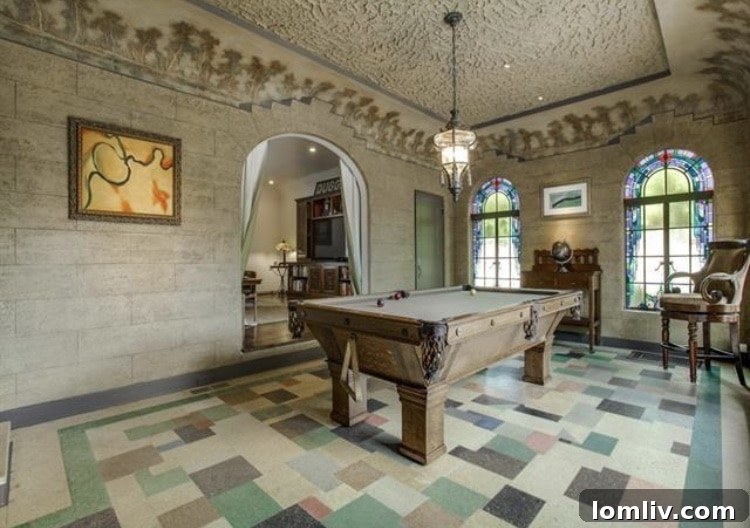
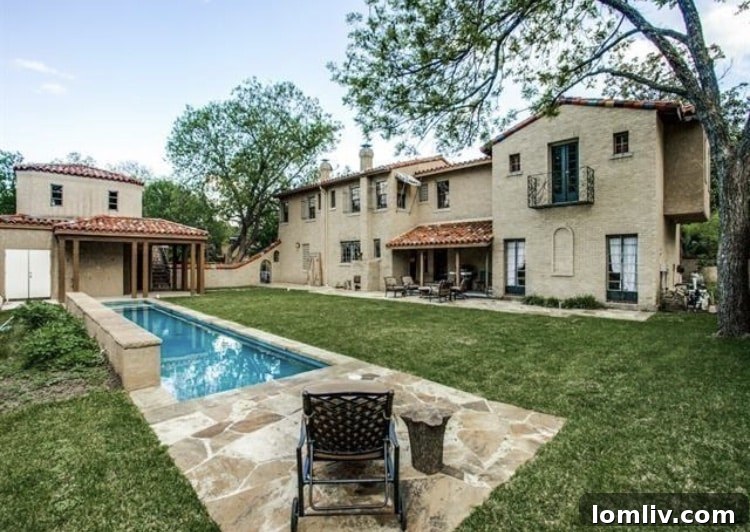
Following this extensive period of public consultation and feedback, city staff will meticulously review all input gathered. Their next critical step will be to meticulously craft a detailed ordinance. This draft ordinance will then be presented to the City Plan Commission for further review and deliberation. The entire process, which included a pre-application meeting held in May to review the mechanics of creating a conservation district, is designed to be thorough and inclusive. As articulated on the love-lakewood.org website, the overarching goal is not to halt new construction or remodels entirely, but rather “to ensure that projects blend in with the original neighborhood character and to prevent the furthering of architecture which diminishes the historic importance and value of our neighborhood.” The urgency is palpable, with the statement emphasizing: “We have all seen this starting close by, and the construction has ramped up in recent months. If we are going to preserve the character of our area of Lakewood, we must do something now, as many of our wonderful homes approach their Centennial. Let’s save the charming vintage feel of our blocks for generations to come.”
Dallas’s Conservation Districts: A Framework for Preserving Urban Identity
To fully grasp the implications of the Lakewood proposal, it’s helpful to understand the broader context of conservation districts within Dallas. The city officially defines a conservation district as a crucial zoning tool specifically designed to assist communities in protecting and maintaining particular characteristics that define their neighborhood’s identity. These districts serve as a middle ground between standard zoning regulations and stricter historic landmark designations, offering a tailored approach to preservation.
Dallas has a well-established history with conservation districts, dating back to 1988 when the 323 homes within the Country Club Estates subdivision of Lakewood itself received this designation. This historical precedent highlights the city’s long-standing commitment to empowering communities to manage their development in a way that respects their unique heritage. Currently, the city boasts a network of 20 distinct conservation districts spread across its limits, each with its own tailored set of guidelines reflecting the specific character and preservation needs of its community. These districts typically prevent homeowners from making certain exterior changes to their properties that would be deemed incongruous with the established architectural or aesthetic standards of the area, ensuring visual consistency and protecting the collective charm.
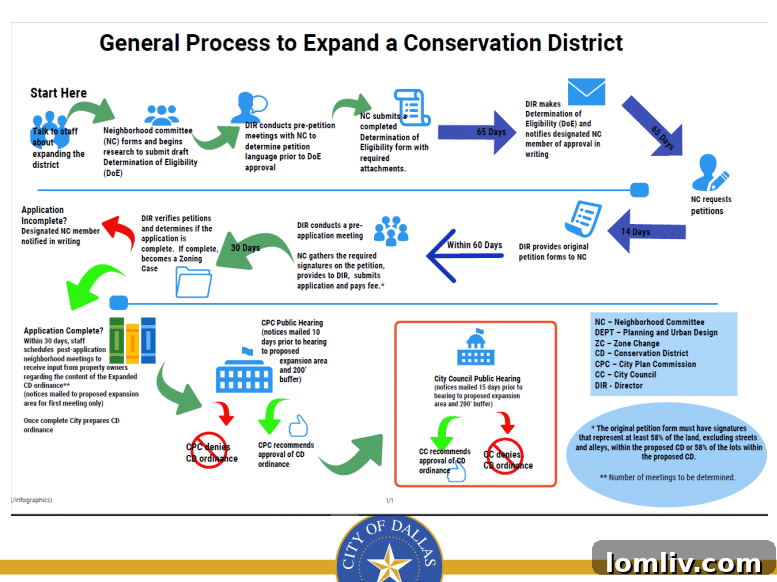
However, as illuminated by the ongoing discussions in Lakewood, this framework is not without its critics. While proponents emphasize the long-term benefits of stable property values, enhanced community identity, and controlled development, opponents often underscore the infringement on individual property rights. The argument frequently made by those on the opposing side is that once a property is purchased, the owner should have the inherent right to modify or develop it as they see fit, provided it adheres to general safety and building codes. This clash between the individual’s right to property and the collective desire for neighborhood preservation forms the bedrock of the debate, compelling the Lakewood community to weigh the immediate implications of restrictions against the enduring value of a preserved heritage. The outcome of these public hearings and subsequent city processes will ultimately determine the architectural and community landscape of Lakewood for generations to come, setting an important precedent for how Dallas balances growth with its rich historical tapestry.