By Brenda Masse
Special Contributor
As the mercury rises and the warmth of the seasons transitions, our air conditioning systems become indispensable, moving from mere convenience to essential home comfort. While the peak intensity of summer’s triple-digit temperatures may still be on the horizon, the consistent warmth of the 90s already places your AC unit at the forefront of your home’s operational needs. Understanding your air conditioning system is not just about comfort; it’s about efficiency, longevity, and ensuring a healthy indoor environment. This comprehensive guide delves into critical AC-related home inspection issues, offering insights that empower homeowners to better understand, maintain, and troubleshoot their cooling systems.
From deciphering the secrets hidden on your outdoor compressor label to tackling the notorious condensate line and verifying professional servicing, we will cover vital aspects that every homeowner should know. Whether you’re preparing for a home inspection, looking to enhance your system’s efficiency, or simply want to gain a deeper understanding of your home’s cooling heart, these expert tips and explanations are designed to provide clarity and actionable advice. We’ll explore key indicators of your system’s health and performance, guiding you through the often-overlooked details that can make a significant difference in your home’s comfort and your energy bills.
Decoding Your Outdoor AC Compressor Label: A Homeowner’s Guide
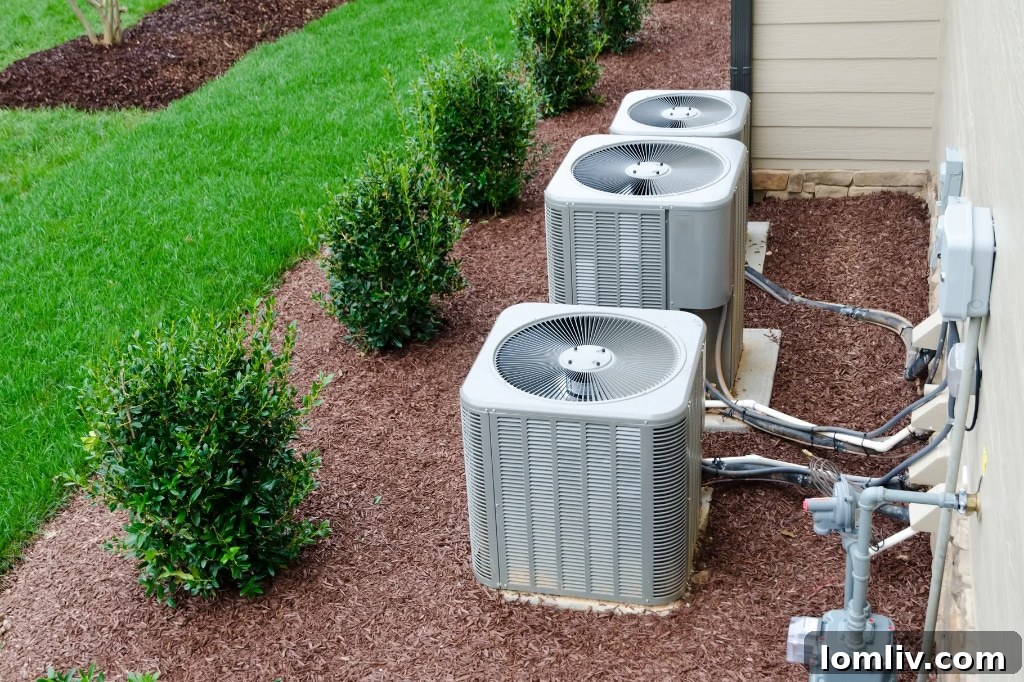
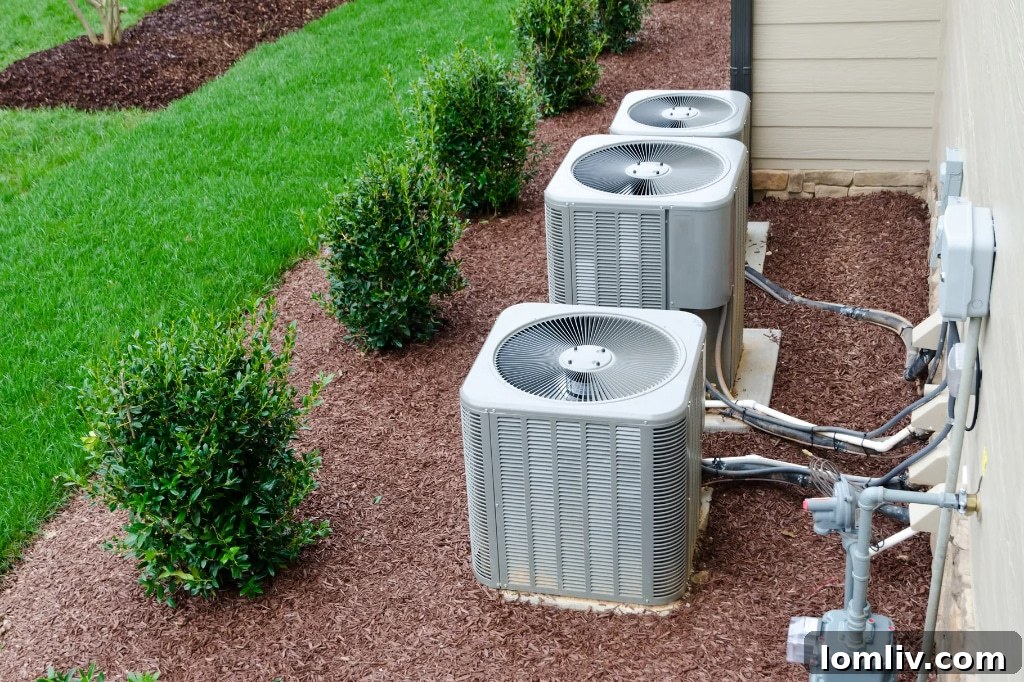
The outdoor compressor unit of your air conditioning system holds a wealth of information, often overlooked, yet crucial for understanding its performance and history. A simple glance at the manufacturer’s label can reveal essential details that are invaluable for maintenance, repair, and even potential replacement decisions. This section will walk you through the key elements found on a typical AC compressor label, empowering you to perform a basic inspection yourself and gain critical insights into your system.
One of the first pieces of information you’ll encounter is the **brand** of the unit. Brands like Trane, Carrier, Lennox, Goodman, and Rheem are common, each known for specific characteristics and technological advancements. Recognizing your brand can help you find appropriate manuals, parts, and certified technicians.
Next, and perhaps most critically, is the **tonnage** of the unit. Tonnage is a fundamental measure of an air conditioning system’s cooling capacity, indicating how much heat it can remove from your home in an hour. It’s not about the physical weight of the unit but rather its cooling power. One ton of cooling capacity is equivalent to removing 12,000 BTUs (British Thermal Units) of heat per hour. On the label, tonnage is often encoded within the model number. For example, a number like “60” typically indicates a 5-ton unit (60 divided by 12 equals 5). Matching the correct tonnage to your home’s size and insulation levels is paramount; an undersized unit will struggle to cool adequately, while an oversized unit will cycle on and off too frequently, leading to higher energy costs, increased wear and tear, and poor dehumidification.
The **manufacturing date** is another vital piece of information. While every brand uses a slightly different encoding method within the serial number, knowing your unit’s age helps you assess its expected lifespan and potential for future issues. Most AC units are designed to last between 10 to 15 years with proper maintenance. An older unit might be less efficient and more prone to breakdowns, making it a candidate for replacement, especially if repairs become frequent or costly.
The **SEER rating** (Seasonal Energy Efficiency Ratio) is a critical indicator of your unit’s energy efficiency. SEER measures the cooling output over a typical cooling season divided by the total electric energy input during the same period. Higher SEER ratings mean greater energy efficiency and lower operating costs. The example unit’s SEER 10 indicates an older model, as current regulatory standards require a minimum SEER of 13-14, and modern units often boast ratings of 15 to 20 or even higher. Upgrading to a higher SEER unit, while a significant initial investment, can lead to substantial savings on your electricity bills over its lifespan and a reduced environmental footprint.
Finally, the label will specify the **refrigerant type** used by your system. The example mentions R-22 refrigerant, an older type that is being phased out globally due to its ozone-depleting properties. The production and import of R-22 have been largely banned, making it increasingly difficult and expensive to find for servicing older units. Most modern systems use R-410A, a more environmentally friendly alternative. If your unit still uses R-22, be aware that future repairs involving refrigerant may be costly, and replacement with a new R-410A system might be a more economical long-term solution.
Understanding these details from your AC compressor label provides a foundational knowledge for homeowners, enabling informed decisions about maintenance, repairs, and when it might be time for an upgrade.
The Importance of a Functional Condensate Line: Preventing Water Damage
One of the less glamorous, but critically important, components of your air conditioning system is the condensate drain line. Its primary function is to safely remove the moisture (condensation) that your AC unit extracts from the air as it cools your home. This process is essential not only for cooling but also for dehumidifying your indoor environment. When functioning correctly, the condensate line channels this water away from your unit, typically into your home’s plumbing system or an exterior drain. However, when this line becomes problematic, it can lead to significant issues, including water damage and potential mold growth.
The condensate line is susceptible to clogging from various sources, including algae, mold, dust, and other debris that can accumulate within the pipe. When a clog occurs in the primary condensate line, the collected moisture has nowhere to go. Modern AC systems are designed with a failsafe: a secondary condensate line or an overflow pan with a safety switch. This secondary line is typically routed to drain outdoors, often in a visible location where dripping water signals a problem with the primary line. While this prevents immediate overflow inside your home, the appearance of water draining from the secondary line is a clear indication that maintenance is required.
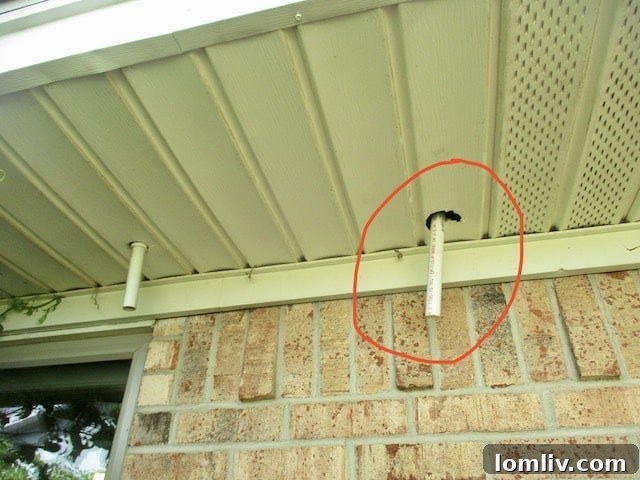
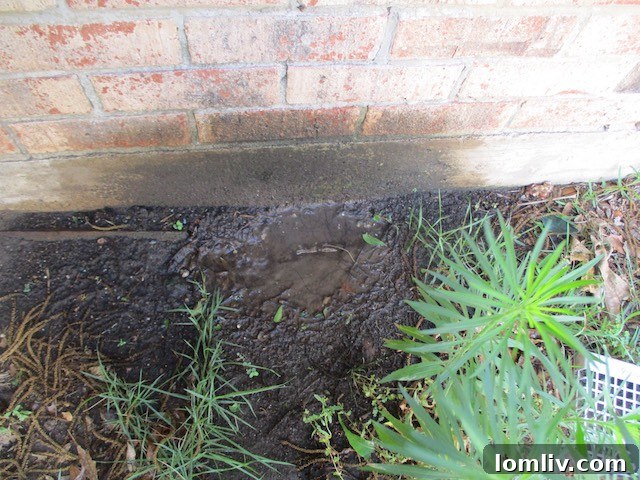
The problem is compounded if this secondary condensate line drains improperly, for instance, directly against your home’s foundation. As observed in many home inspections, persistent water accumulation near the foundation can lead to a cascade of costly issues. Foundations, especially those made of concrete, are vulnerable to moisture. Continuous saturation can cause soil expansion and contraction, leading to foundation cracks, structural instability, and costly repairs. Beyond structural damage, excessive moisture around the foundation creates an ideal breeding ground for mold and mildew, which can compromise indoor air quality and pose health risks. It can also attract pests such as termites and rodents, who thrive in damp environments.
Regular maintenance of your condensate line is crucial for preventing these issues. Homeowners can proactively prevent clogs by regularly pouring a cup of distilled vinegar or a bleach-and-water solution down the primary condensate drain access point every few months. This helps to kill algae and mold growth. Additionally, ensuring that the outdoor termination of the secondary drain line is directed away from the foundation is essential. If you notice consistent dripping from the secondary line, or if the primary drain pan overflows, it’s a clear signal to call an HVAC professional to clear the clog and inspect the system. Addressing these issues promptly can save you from significant repair expenses and maintain the integrity of your home.
Verifying AC Servicing: Beyond the Seller’s Word
In real estate transactions, sellers often claim that their AC unit has been “recently inspected and serviced.” While this assurance can be comforting, it’s crucial for buyers and homeowners alike to look beyond mere statements and seek tangible evidence of professional maintenance. An unserviced or poorly maintained AC unit can be a ticking time bomb, leading to costly repairs and inefficiency down the line. As an inspector can reveal, what’s claimed verbally doesn’t always align with the system’s actual condition.
Regular AC maintenance is not just about fixing problems when they arise; it’s a proactive measure that ensures optimal performance, extends the lifespan of the unit, and maintains healthy indoor air quality. A comprehensive AC service typically includes a series of vital checks and procedures: cleaning the condenser and evaporator coils, checking refrigerant levels and for leaks, inspecting electrical components and connections, lubricating moving parts, checking thermostat calibration, and clearing the condensate drain line. These steps are critical for efficiency and preventing future breakdowns.
The importance of verifying servicing becomes apparent when an inspector encounters an AC unit that, despite claims of recent maintenance, appears neglected. Signs of neglect can include dirty coils, clogged filters, visible leaks, unusual noises during operation, or simply a unit that is struggling to cool effectively. A unit that looks and sounds like it’s “running on diesel” – heavy, labored, and inefficient – strongly contradicts any claims of recent professional care.
For homeowners, verifying servicing means requesting and reviewing maintenance records, invoices, or service stickers from qualified HVAC technicians. These documents should detail the date of service, the work performed, and the name of the servicing company. Without such documentation, any claim of recent service remains unsubstantiated. Furthermore, a visual inspection by a qualified home inspector will often reveal discrepancies, such as accumulated dirt and debris that would typically be addressed during a proper service call. Investing in a thorough home inspection, especially when purchasing a property, provides an objective assessment of the AC unit’s condition and can save you from unexpected expenses and discomfort.
@greenscenehome They said the AC had recently been inspected and serviced. #Nope #AskAHomeInspector #acproblems #homeinspector #realestate #dallasrealestate
♬ original sound – Green Scene Home Inspections
Cooling Your Garage Right: Smart Solutions for Extra Space
Many homeowners envision their garage as more than just a parking space – perhaps a workshop, a home gym, an additional living area, or simply a place to escape the summer heat. The desire to air condition a garage is common, but achieving comfortable temperatures efficiently and safely requires a thoughtful approach. While some attempts at garage cooling can lead to inefficiencies or even code violations, a savvy homeowner, as spotted by an observant inspector, can get it right.
The main challenge in cooling a garage stems from its typical construction: often poorly insulated, unsealed, and frequently opened to the outdoors. Simply extending your home’s central AC ducts into the garage is usually not an effective or advisable solution, as it can overwork your main system, lead to uneven cooling, and potentially draw harmful fumes from the garage into your home’s ventilation. The right approach involves dedicated cooling solutions tailored to the garage environment.
One of the most effective and popular methods for cooling a garage is the installation of a **mini-split system**. These ductless units consist of an outdoor compressor/condenser and one or more indoor air-handling units, connected by a conduit rather than extensive ductwork. Mini-splits are highly energy-efficient, offer precise temperature control for individual zones, and do not interfere with your home’s existing HVAC system. They are ideal for garages because they can be sized specifically for the space, require minimal installation impact, and are designed for environments that may not be fully integrated into the main house envelope.
Other viable options include **portable AC units** (though less efficient for long-term use) or specialized **garage AC units** designed to withstand the unique conditions of a garage, such as dust and temperature fluctuations. Crucial to the success of any garage cooling strategy is proper **insulation and sealing**. Before installing an AC unit, consider insulating garage doors, walls, and ceilings, and sealing any gaps or cracks to prevent conditioned air from escaping and hot air from entering. Good ventilation is also important, especially if the garage is used for projects that produce fumes.
By implementing appropriate insulation and selecting a dedicated, properly sized cooling system like a mini-split, homeowners can transform their garages into comfortable, functional extensions of their living space. This intelligent approach not only enhances comfort but also protects the integrity of the main home’s HVAC system, ensuring efficient cooling without compromise.
Understanding your home’s air conditioning system is more than a technicality; it’s a vital part of maintaining comfort, efficiency, and the overall health of your property. From deciphering the critical information on your outdoor compressor’s label to ensuring your condensate line functions flawlessly and verifying professional maintenance, each aspect plays a significant role in your AC unit’s performance and longevity. Proactive engagement with these elements can help prevent costly breakdowns, reduce energy consumption, and ensure your home remains a cool sanctuary, even as temperatures soar. Remember, an informed homeowner is an empowered homeowner, capable of making the best decisions for their comfort and their investment.