A Transformative Vision for Dallas: Mehrdad Moayedi’s Plan for Dawson State Jail
In a world often preoccupied with the latest real estate trends and market fluctuations, it’s easy to overlook pressing social challenges that demand innovative solutions. Yet, amidst the daily hustle and bustle, a truly remarkable proposition has emerged in North Texas, promising not just development, but profound social impact. While current events, such as the heartbreaking news of tragic events, often cast a somber shadow, a visionary developer has unveiled a potential “Valentine” for Dallas – a gift of immense significance that could redefine how our city addresses one of its most critical social issues: homelessness.
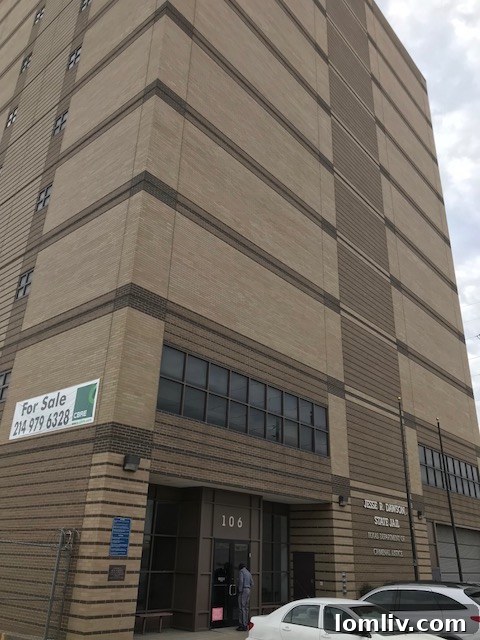
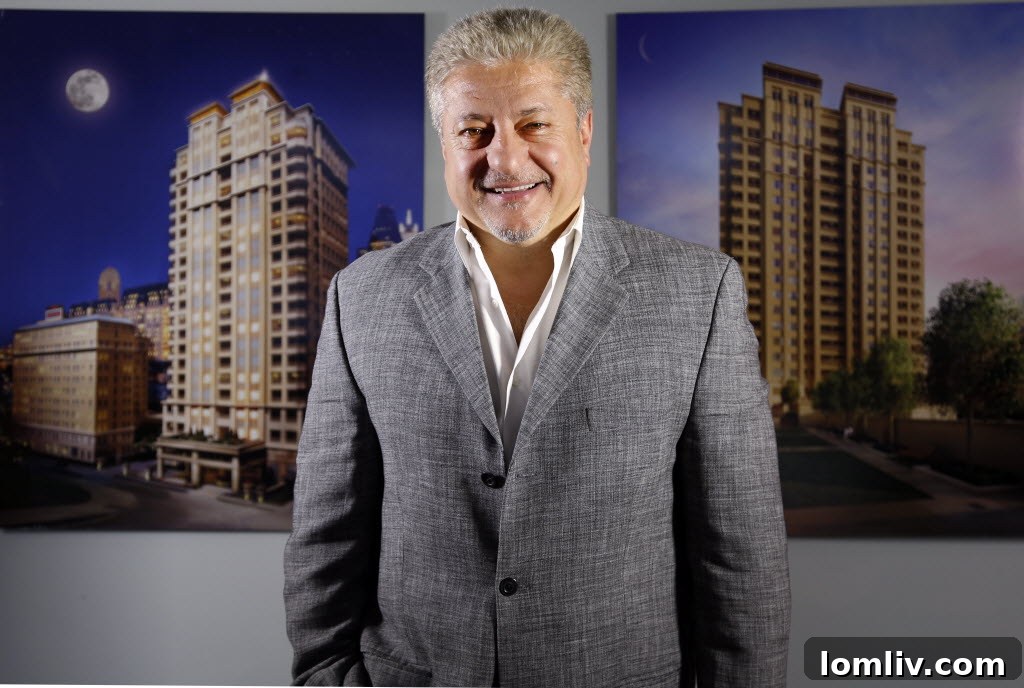
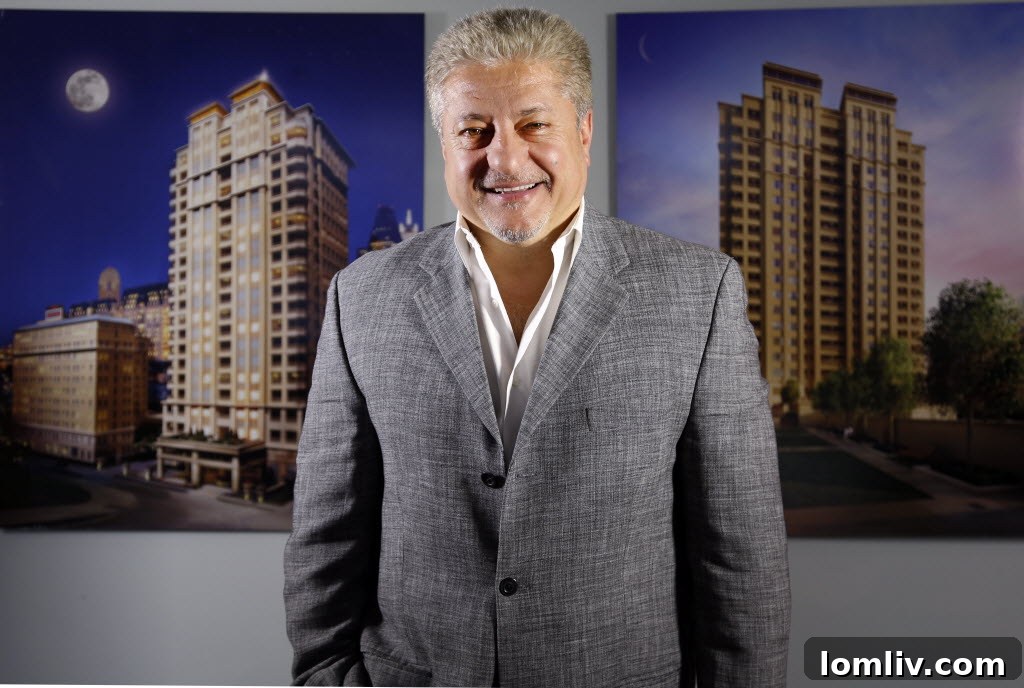
Mehrdad Moayedi, one of Texas’s most influential and prolific developers, has put forth an ambitious and deeply compassionate offer. Known for his monumental work in successfully restoring the iconic Statler Hotel and committing to a similar revitalization of The Cabana Hotel, Moayedi is now focused on a humanitarian endeavor. His proposal: to acquire the vacant Dawson State Jail, an imposing 10-story structure nestled downtown on the banks of the Trinity River, and transform it into a state-of-the-art housing and services center for the city’s vulnerable homeless population.
This forward-thinking concept isn’t just another development project; it’s a testament to Moayedi’s commitment to community and an answer to a long-standing urban challenge. For years, the idea of repurposing such a facility for the homeless has resonated with many, including this author, who recalls advocating for it with local councilman Lee Kleinman. Now, Moayedi is poised to turn this long-held dream into a tangible reality, offering a beacon of hope for thousands struggling on the streets of Dallas.
“This is an opportunity to do something for these people, but not in the traditional way where you have a warehouse and you put a lot of beds in there,” Moayedi emphasized. “There has to be a situation where people are treated with respect. Our goal is to create a dignified environment that fosters recovery, reintegration, and personal growth for every individual who walks through its doors.”
Mehrdad Moayedi: A Legacy of Transformative Development in North Texas
If anyone possesses the expertise, vision, and determination to execute such an ambitious project, it is Mehrdad Moayedi. His Centurion American Development Group, based in Farmers Branch, stands as a titan in the North Texas real estate landscape, having shaped countless communities and revitalized numerous landmarks. Moayedi’s reputation as a “king of real estate makeovers” is well-earned, built on a foundation of successful, often challenging, transformations that blend historic preservation with modern functionality.
Consider the Statler Hotel and Residences, a true Dallas icon. After years of dormancy, Moayedi’s firm undertook a monumental $230 million renovation, breathing new life into the mid-century modern masterpiece. Today, the Statler stands as a vibrant mixed-use hub, its apartments and hotel rooms quickly becoming some of the most sought-after in downtown Dallas. This project alone showcased his unparalleled ability to blend historic preservation with contemporary needs, creating significant economic value while honoring the city’s rich heritage.
His impressive portfolio extends far beyond the Statler, demonstrating a consistent pattern of taking on complex, high-profile properties and turning them into thriving assets. Centurion American Development Group also owns and is actively revitalizing the historic Cabana Motor Hotel, another significant piece of Dallas history, famously hosting The Beatles. The acquisition of the Crespi Estate, also known as Walnut Place, for a remarkable $36.2 million, further underscores his vision for exclusive and challenging properties. Even the venerable Mesquite Rodeo, a cultural landmark in its own right, is undergoing a significant makeover under his guidance, promising to reinvigorate a beloved community institution. These projects are not merely transactions; they are meticulous undertakings that require immense capital, intricate planning, and a deep understanding of design, architecture, and community needs, solidifying Moayedi’s standing as a leader in innovative urban development.
The Dawson State Jail: A Canvas for Compassion and Renewal
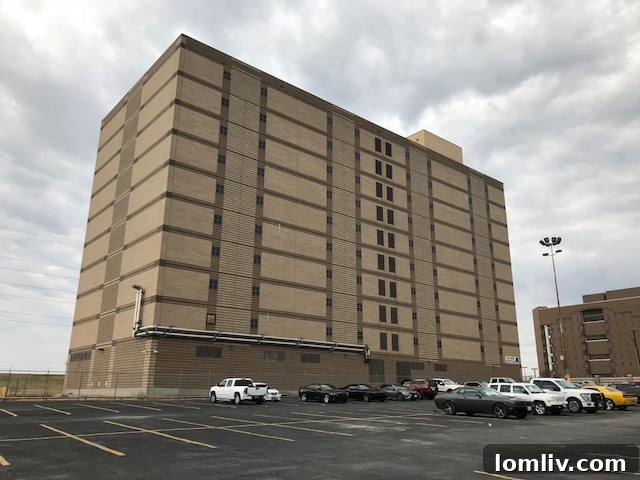
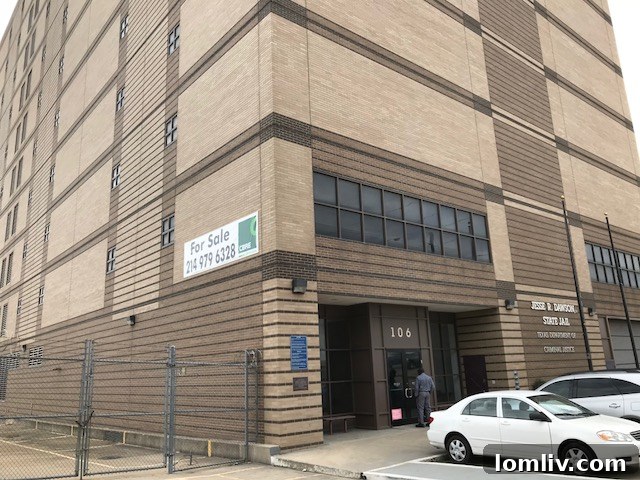
The Dawson State Jail, a 10-story facility located near West Commerce Street and Riverfront Boulevard, has stood vacant and underutilized for years. While not a mid-century relic like some of Moayedi’s other projects, this 23-year-old building presents a unique set of challenges and, more importantly, immense opportunities. The state has been actively seeking a buyer, and while other developers have shown interest, the inherent limitations of the property — particularly its lack of conventional parking — make it unsuitable for traditional apartment, condo, or office conversions that typically drive urban redevelopment.
This perceived limitation, however, is precisely what makes it a perfect candidate for Moayedi’s unconventional and socially conscious approach. For a homeless services center, the existing infrastructure offers a surprisingly solid foundation. The building already boasts extensive plumbing for bathrooms, numerous individual rooms (cells, originally), and structured hallways. The proposed transformation would involve removing the oppressive bars and locks, infusing the space with warm, inviting colors, comfortable furnishings (like Nectar or Casper beds), and creating an environment that feels less like an institution and more like a home. This thoughtful design approach is crucial for fostering a sense of dignity and belonging among residents.
Moayedi sees the tower as providing “a perfect scenario” for addressing Dallas’ homeless community while concurrently finding a viable new use for a neglected urban structure. “The building is essentially useless for anything else in a conventional sense,” he noted, underscoring the innovative nature of his proposal and its perfect alignment with a critical social need. This unique suitability makes the Dawson State Jail an ideal canvas for an ambitious social welfare project.
A Holistic and Comprehensive Approach to Homelessness Solutions
Mehrdad Moayedi’s vision for the Dawson State Jail is not merely about providing temporary shelter; it’s about offering a holistic ecosystem of support designed to break the cycle of homelessness. His plan includes dedicated facilities for essential medical services, critical mental health counseling, and crucial job counseling programs. This comprehensive approach aligns with a growing understanding that homelessness is a multi-faceted issue requiring integrated solutions that address physical health, mental well-being, and economic stability.
He has reportedly offered the state over $3 million for the property, with negotiations ongoing. Beyond the acquisition, Moayedi estimates a substantial $10 million remodel, which he intends to fund entirely through private donations. Once operational, the center could potentially house up to 1,000 individuals, offering not just shelter, but a genuine pathway to stability and self-sufficiency. This private funding model highlights a powerful example of corporate social responsibility and community leadership, demonstrating how private enterprise can partner with public good to achieve significant social impact.
The debate on how best to tackle homelessness continues within expert circles. Figures like Larry James, CEO of Dallas’ CitySquare, advocate strongly for “housing for all” as the ultimate solution, emphasizing the need for long-term housing over temporary shelters and calling for a comprehensive city-wide housing policy. While some might differ on the exact philosophical approach, there is broad agreement on the dire need for dignified solutions that empower individuals. This author, for instance, believes in the critical role of “housemothers” or in-house counseling services – a nurturing support system to guide individuals through life’s challenges, which Moayedi’s plan thoughtfully incorporates, aiming to provide stability and personalized care.
From Jail to Haven: A Call to Action for Dallas’s Design Community
Larry James readily admits that Mehrdad Moayedi has done “impressive stuff, and is capable of delivering.” Indeed, Moayedi is not just capable; he is exceptionally qualified to undertake this monumental task. The success of this project hinges not only on financing and logistics but also on creative vision – transforming a place of confinement into a haven of hope and opportunity.
This endeavor presents an incredible opportunity for Dallas’s entire design community. Imagine the profound challenge and immense reward of taking a former jail and making it truly “PRETTY, WARM and INVITING.” It requires more than just functional design; it demands empathetic architecture and interior design that actively promotes healing, fosters human dignity, and builds a sense of community among its residents. This is an invitation to innovate, to redefine, and to make a lasting difference through design.
History is replete with inspiring examples of former penal institutions reimagined: some now serve as captivating museums, others as vibrant restaurants, and even trendy bars, demonstrating the versatility of adaptive reuse. The Dawson State Jail offers a chance to join this lineage, but with a profoundly greater social purpose. Removing the psychological weight of its past, installing welcoming common areas, creating private, comfortable spaces, and designing therapeutic environments – these are the tasks that await the brightest minds in architecture, interior design, and urban planning. This project calls for creativity that transcends aesthetics, focusing on human well-being.
Dallas has an unparalleled opportunity to set a national precedent with this project. This isn’t just about providing housing; it’s about restoring human dignity, fostering mental and physical well-being, and providing clear paths to employment and stable living. It’s about demonstrating how a city can effectively leverage private innovation for profound public good, turning an urban eyesore into a landmark of compassion and progressive action.
Now is the time for all Dallas residents, especially those with expertise in design, urban planning, and social services, to put on their thinking caps. Let’s rally behind this extraordinary proposal, lend our creative energies, and, most importantly, engage our City Council members to support Mehrdad Moayedi in making this transformative project a reality. This isn’t just a Valentine’s gift; it’s a legacy project for Dallas, a true testament to civic love, innovative problem-solving, and a deep commitment to our community’s most vulnerable members.