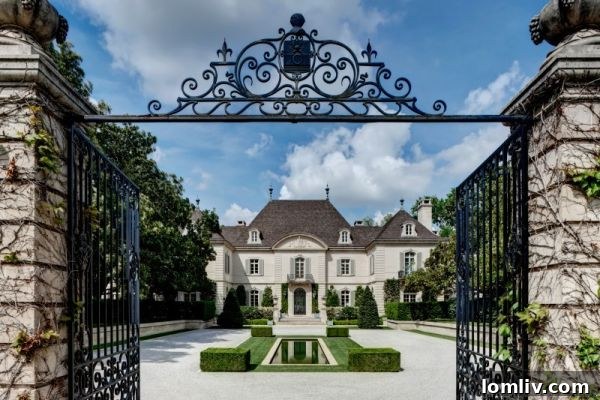
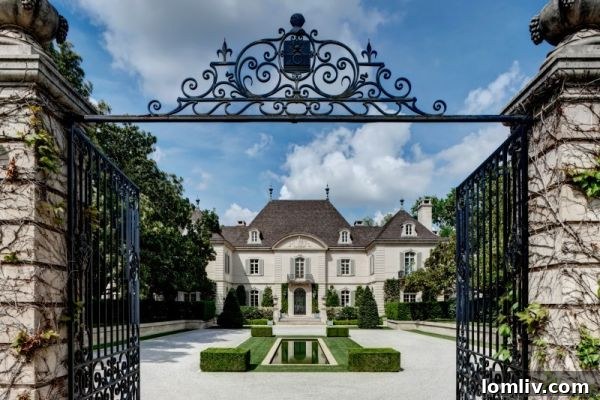
Walnut Place: The Enduring Legacy and Unmatched Luxury of Dallas’ Most Coveted Estate
Almost a year has passed since financier Andy Beal acquired the legendary Hicks Crespi Estate, affectionately known as Walnut Place. This monumental transaction marked the most significant real estate deal in Dallas that year, and indeed, one of the largest in Texas history, only surpassed by the sale of the vast Waggoner Ranch. Walnut Place stands as a colossal, historic Dallas estate nestled within the exclusive and affluent Preston Hollow neighborhood, even boasting a former U.S. President’s property as its neighbor. Rumors circulating suggest that Beal, known for his close ties to former President Donald Trump, may consider selling or subdividing the Hicks Crespi Estate, especially given his recent acquisition of the $34 million Trammell Crow estate in Highland Park. Should President Trump visit Dallas, it’s widely anticipated he would reside at Beal’s distinguished Crespi/Walnut Place. A contrasting scenario would have seen Hillary Clinton, had she won the presidency, likely staying at the equally impressive Lisa (Baron) Blue estate, currently on the market for $28,500,000.
The initial asking price for Walnut Place was a staggering $130,000,000, marketed exclusively off-MLS. When real estate luminary Allie Beth Allman took over the listing from Doug Newby, she strategically introduced it to the MLS and adjusted the price to $100,000,000. While the final sales price remained officially undisclosed, reports placed it in the range of $61,000,000. This acquisition firmly cemented Andy Beal’s position as the purchaser of Dallas’ most expensive residential real estate in 2016.
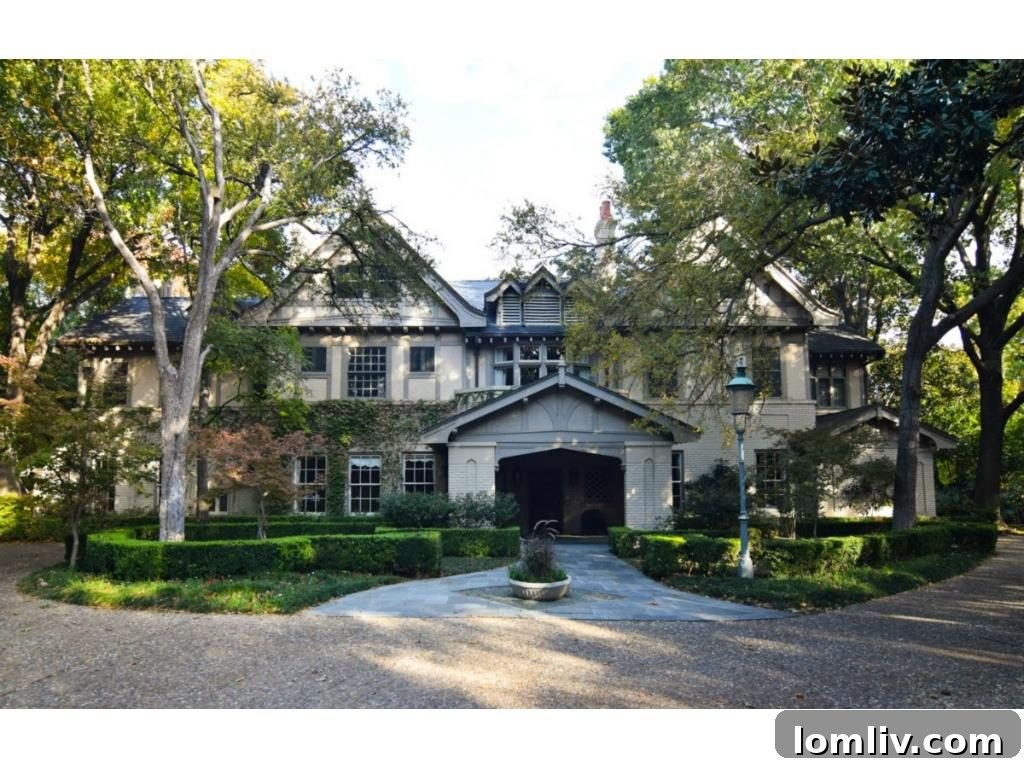
A Look Back at the Historic Sale: The Day Walnut Place Changed Hands
Reflecting on the monumental sale that occurred on January 15, 2016, credit is due to Steve Brown of The Dallas Morning News for being the first to report Andy Beal’s interest in Walnut Place, the former Crespi Estate on Walnut Hill Lane. This architectural marvel was listed by Allie Beth Allman and David Nichols for an impressive $100 million. At the time, whispers suggested Beal was torn between Walnut Place and the magnificent Crow mansion at 4500 Preston Road. As the Hicks family prepared to transition to a new Dallas residence, Allie Beth Allman confirmed that the sprawling 35,275-square-foot estate—encompassing an astounding 67,689 square feet including terraces—officially closed that morning with the signing of papers. Furthermore, Beal completed the purchase in cash, a testament to the scale of the transaction. Allman, while keeping the sales price confidential and declining to comment on the Crow estate, affirmed that Andy Beal acquired all 25.25 acres of the estate with the explicit intention of preserving its integrity.
“He doesn’t plan to split it,” she confidently stated, a relief to preservationists and admirers of grand estates alike. This decision was met with widespread approval, a true “Bravo Andy Beal!” moment in the Dallas real estate community.
Allie Beth Allman, an agent of unparalleled caliber, was asked about her sentiments after orchestrating the largest sale in Texas history—a sale that also likely set records across Oklahoma and the entire Southwest U.S. Her response underscored her unwavering dedication: “I don’t feel any different. I went back to work immediately. I had an agent calling me during the closing about another property.” While the final selling price remained under wraps, Allman emphasized the mutual satisfaction of both parties. “The Hicks are thrilled, the buyers are thrilled,” she remarked. “And you know I’m not happy if it’s not that way at every single closing, regardless of the sales price. We are talking about someone’s home and they should not just be happy but be thrilled with the entire process.” For Allie Beth Allman, if clients aren’t thrilled, her job isn’t done—and she consistently excels in her profession.
Regarding the Crow estate, Allie Beth Allman confirmed it was on the market for $46 million, having been temporarily withdrawn for the holiday season. The successful sale of Walnut Place defied skeptics who, in articles, had questioned whether such a lavish, $100 million property could ever find a buyer in Dallas. David and Allie Beth proved them wrong, achieving the sale in a remarkable nine months.
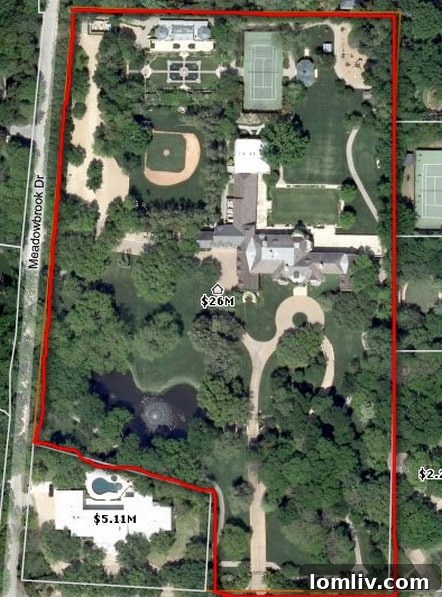
A Monumental Achievement in Texas Real Estate History
Until the Waggoner Ranch officially closed, the sale of Walnut Place stood as the largest residential real estate transaction in Texas history, and it is certain to remain the largest in Dallas history for many years to come. Prior to this, the most significant sale in Dallas was 5323 Park Lane, where Kelcy Warren acquired the nine-plus-acre estate of Joyce and Larry Lacerte. This exquisite property, designed and built by Cole Smith and decorated by Sherry Hayslip, was originally listed in 2008 for $45 million. Its price was later adjusted to just under $40 million during the national real estate downturn. Sources indicate it ultimately sold for approximately $29 million, with the discerning buyer, Kelcy Warren, even requesting an independent appraisal. His buyer’s agent was Rosie Waters of Allie Beth Allman and Associates, wife of football legend Charlie Waters, who was associated with Mr. Warren’s business endeavors at the time. The dynamic world of Dallas real estate continues to captivate and inspire, celebrating monumental achievements like Walnut Place. A deeper dive into Walnut Place’s splendor, complete with captivating photographs, offers an immersive experience into its grandeur.
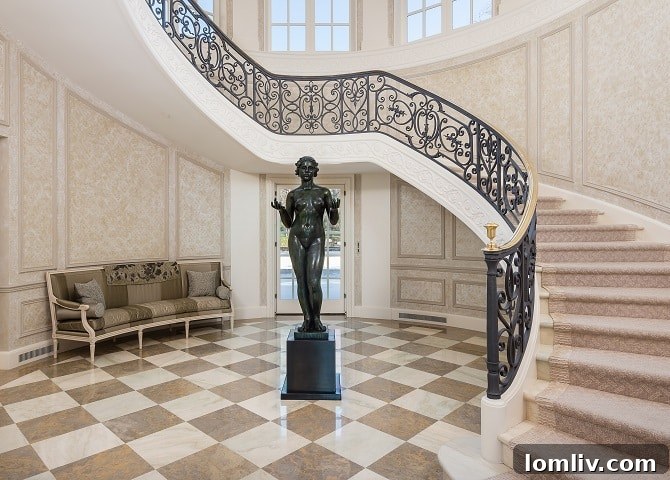
Experiencing Walnut Place: A Journey into Unrivaled Grandeur
Describing the immersive experience of visiting Walnut Place, the former Crespi Estate, christened by its esteemed former owners Thomas O. and Cinda Hicks, is nearly impossible. Yet, the fortunate few who toured the magnificent 35,275-square-foot (67,689 square feet including terraces) estate were treated to a once-in-a-lifetime encounter with luxury. This, the most expensive home for sale in Dallas, was listed by both Allie Beth Allman and David Nichols of the brokerage bearing Allman’s name. Previously, Doug Newby had exclusively marketed the home, adopting a strategy of extreme exclusivity. Few Dallas-area agents had ever set foot inside, perhaps because Newby anticipated an international buyer, advertising the estate extensively in private jet publications. Until its listing with Allie Beth Allman, it had never appeared on the MLS.
The extraordinary Preston Hollow estate first opened its doors to Allie Beth Allman’s agents, leaving everyone in awe. The approach, turning into the graceful private gates at 10000 Hollow Way, evokes the sensation of driving through the French countryside towards a magnificent chateau nestled deep within a forest. Spanning 25.25 acres, the estate offers a serene pastoral escape, yet remains mere seconds from the Dallas North Tollway entrance and a swift seven-minute drive to downtown Dallas during minimal traffic. For those working in Preston Center, it’s even a walkable four miles!
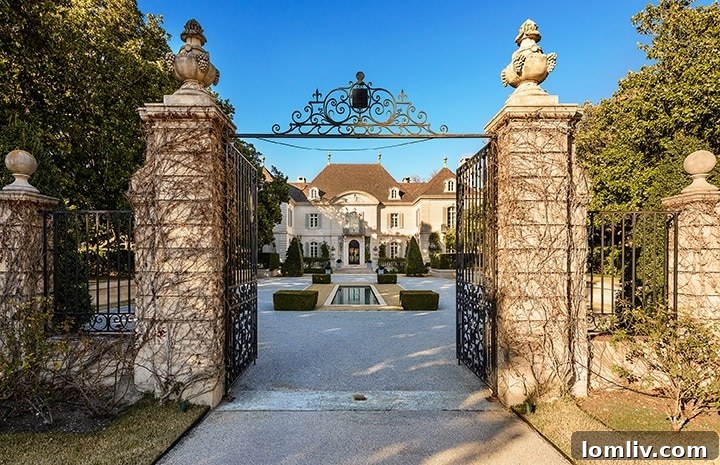
Exquisite Grounds and Architectural Masterpiece
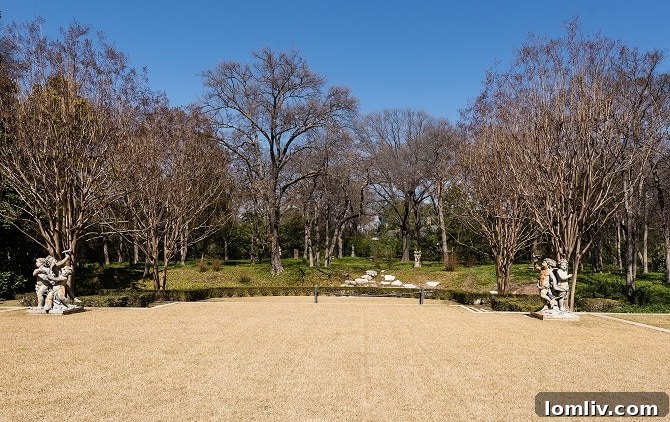
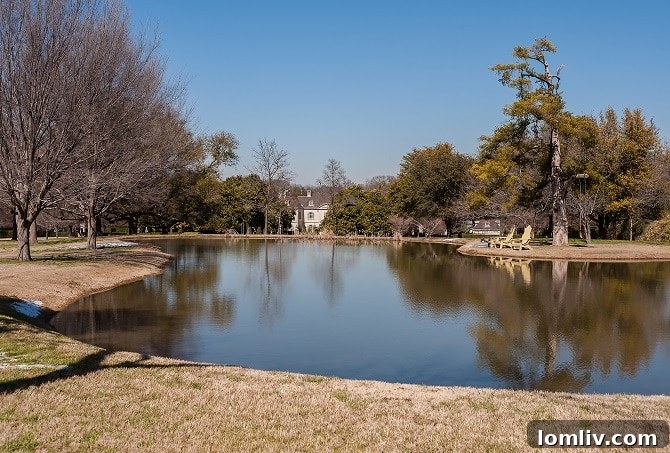
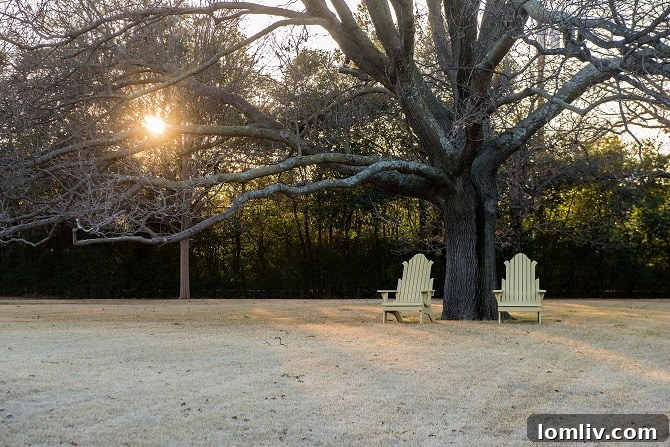
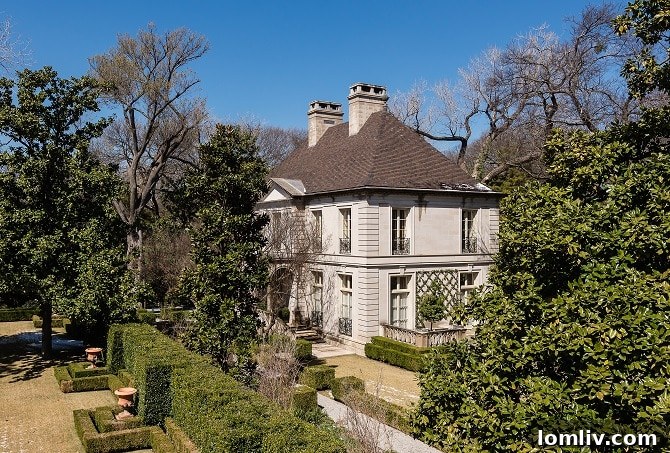
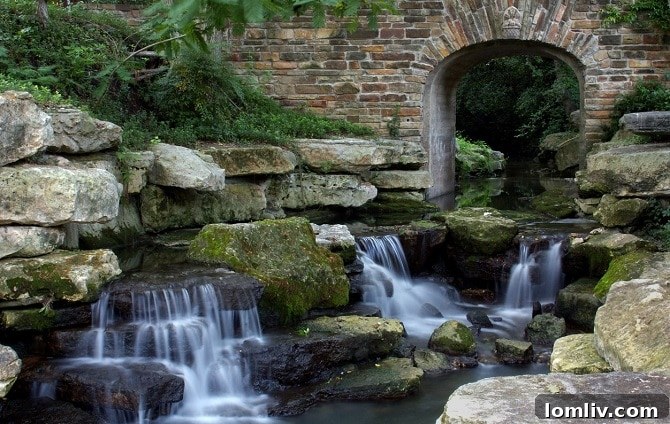
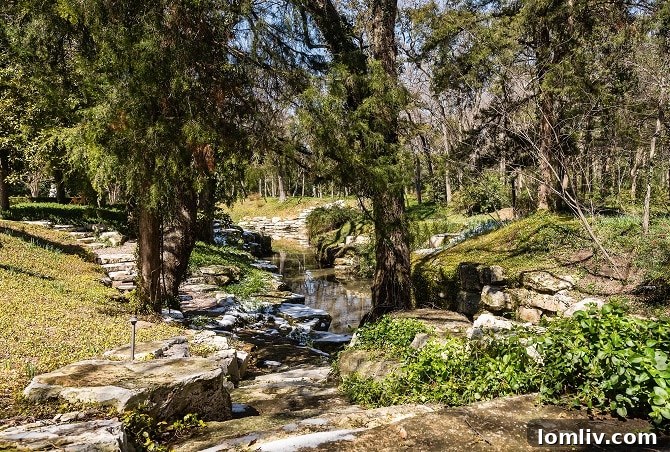
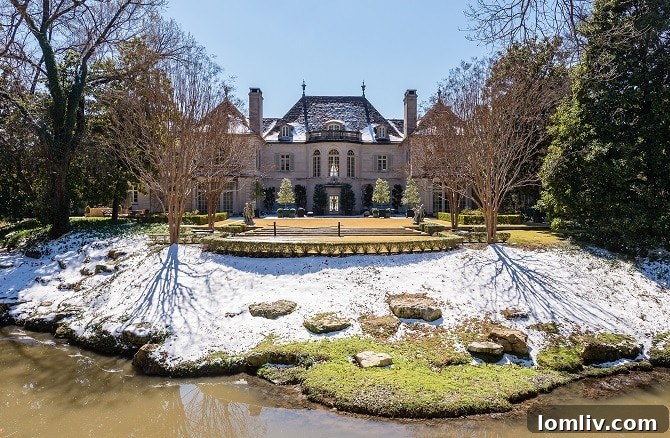
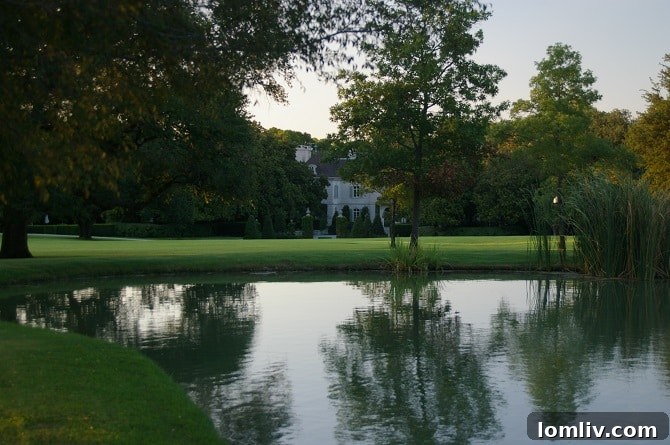
The estate’s drive elegantly splits, forking left and right, culminating in a crushed limestone auto courtyard. Here, the original Crespi Estate, meticulously designed by Maurice Fatio in 1938, was strategically situated on its rambling acreage to maximize natural beauty and privacy. The drive transports visitors into another world—a pastoral retreat with breathtaking views from every vantage point. The estate overlooks a lush forest and a meandering creek, complemented by expansive meadows, intricate trails, and a serene year-round pond. A helipad, featuring a lighted landing pad, is cleverly covered with grass when not in use, maintaining the natural aesthetic. Two courtyards, each lined with 16 magnificent magnolia trees, enhance the estate’s charm, alongside a dedicated greenhouse, a formal rose garden, and a lighted tennis court. A 1500-foot deep well drilled on the property provides purified water exclusively for irrigating the extensive grounds, ensuring sustainability and pristine landscaping.
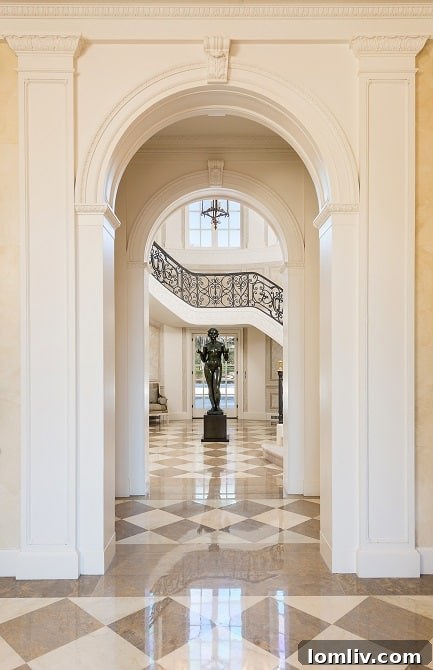
Entry to the main residence is through an ornamental steel front door, leading into the heart of Maurice Fatio’s original 1938 Crespi Estate. The subsequent addition, masterfully completed by John Sebastian, seamlessly integrates with the historic mansion, creating a cohesive and expanded living space. During the exterior renovation, the Hicks family went to extraordinary lengths to match the original Indiana limestone. They reopened the quarry that supplied the 1930s stone, excavating from the same terra to achieve an almost perfect match—a crucial detail given that no two stones are ever precisely alike. A Corian technique of light sandblasting was employed to blend the new Indiana limestone with the aged original, subtly removing any trace of “newness.”
Inside the Main House: A Testament to Balanced Design and Uncompromising Quality
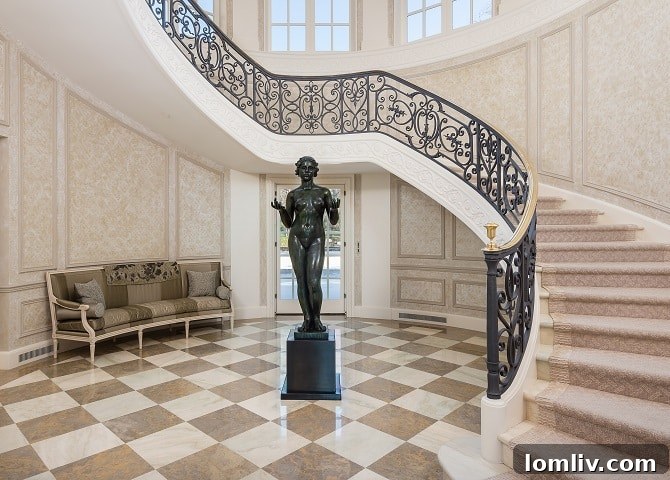
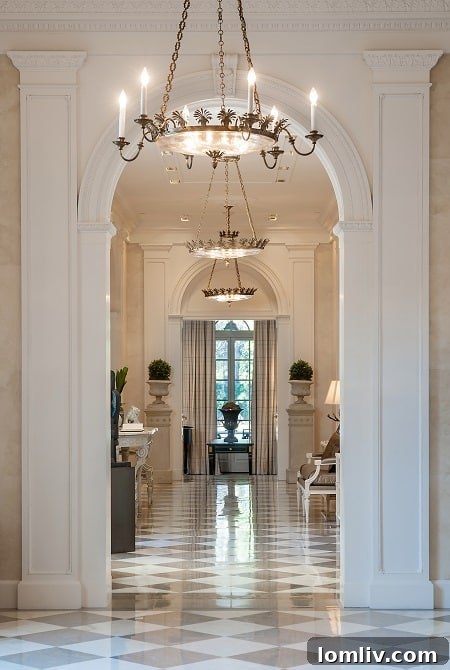
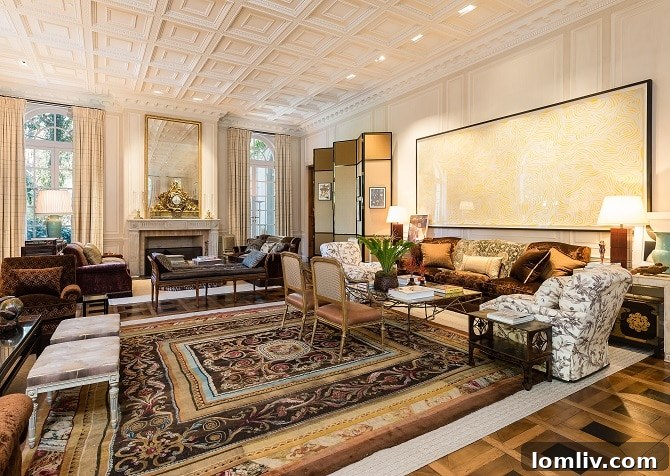
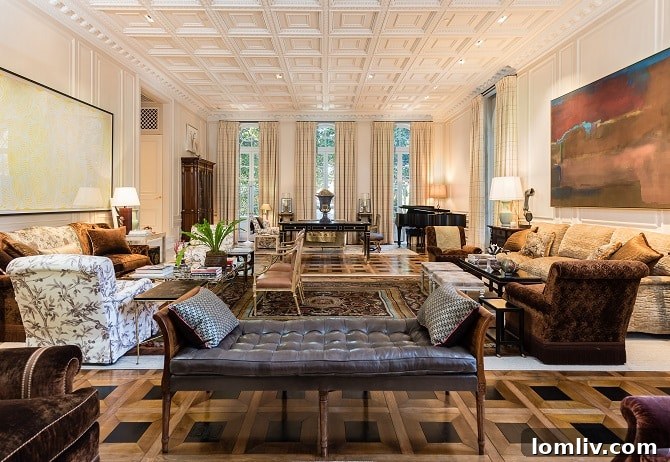
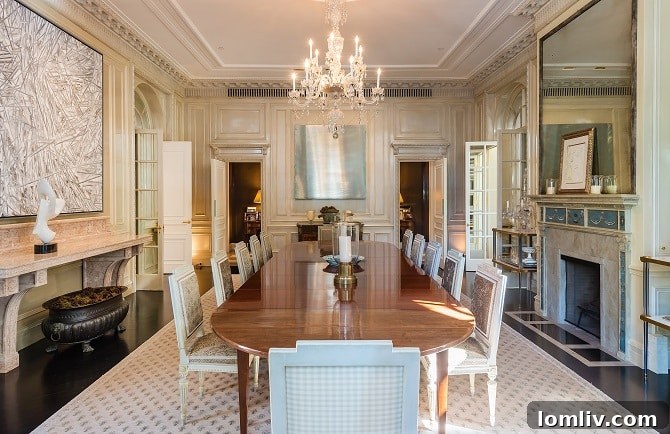
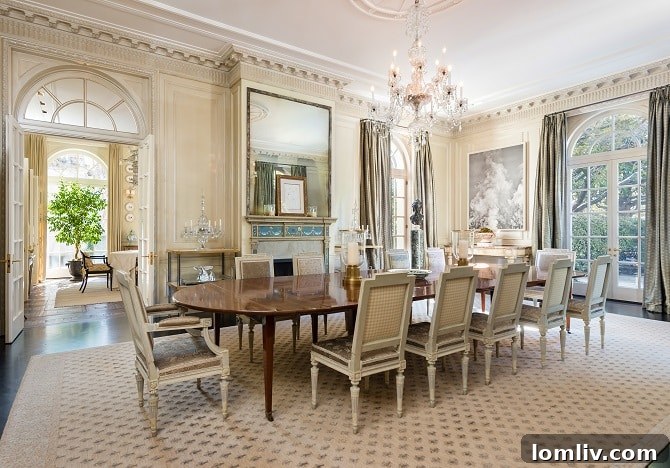
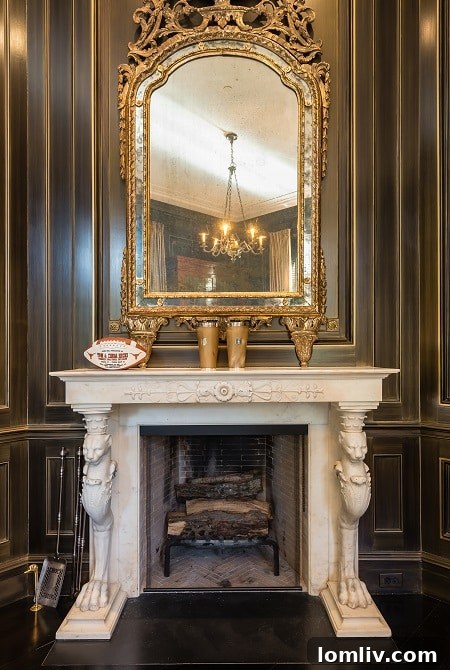
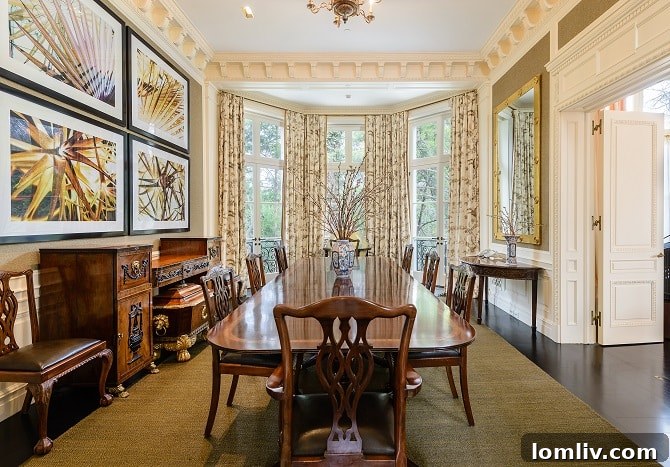
The home’s interior is a marvel of balance and perfect symmetry, beginning with the marble-floored gallery hall that spans the entire girth of the main house. To the right, the formal dining room is generously proportioned yet maintains an inviting ambiance. The dark ebony-finished Oak Chevron patterned floors, imported from France, provide a luxurious foundation. This room beautifully juxtaposes contemporary art with its classically traditional setting, featuring a grand dining table and space for a more intimate secondary table. The walls, finished in high-gloss lacquer with delicate ornamental plaster accents, reflect light and add depth.
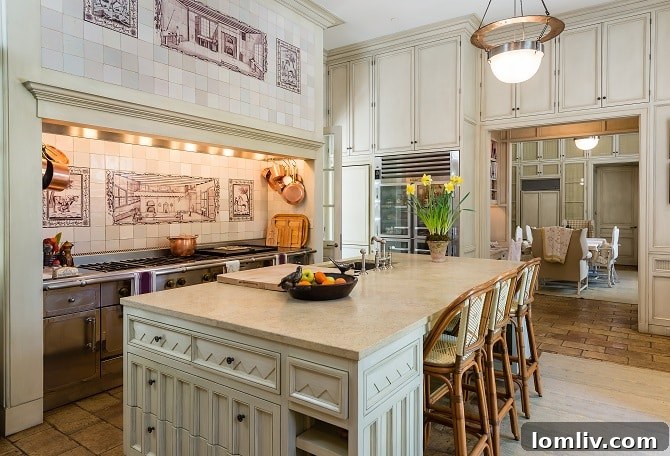
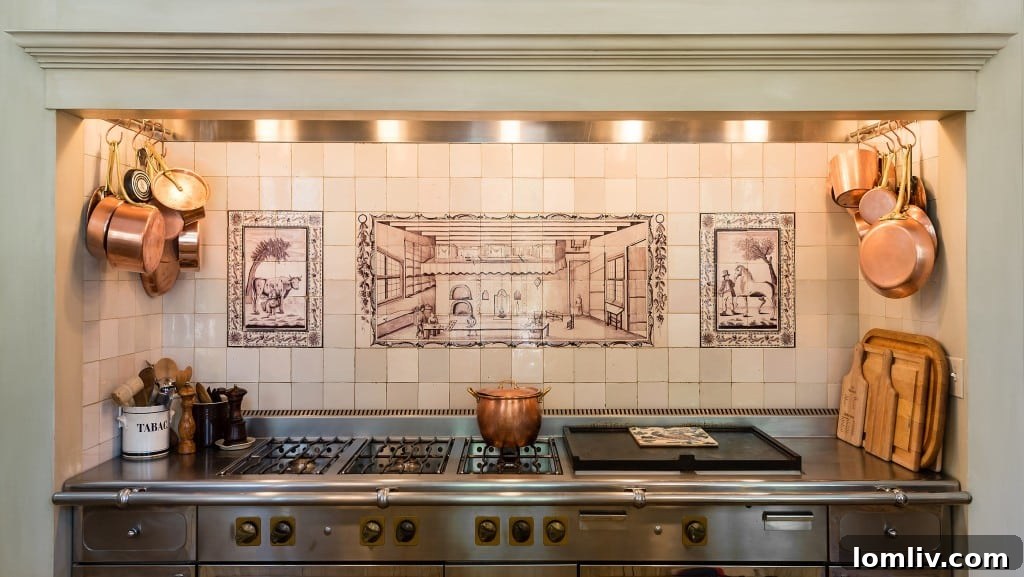
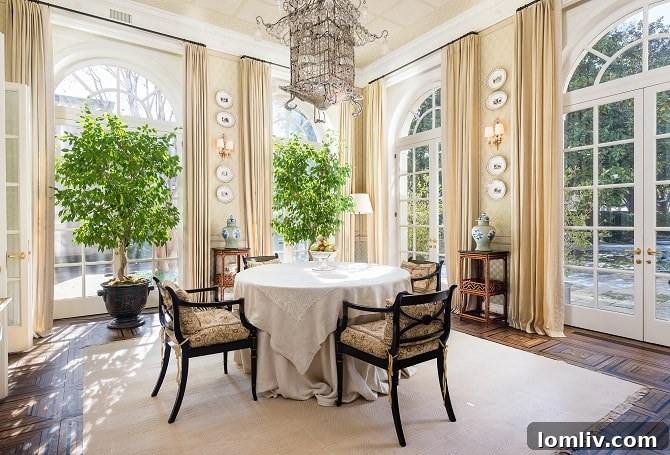
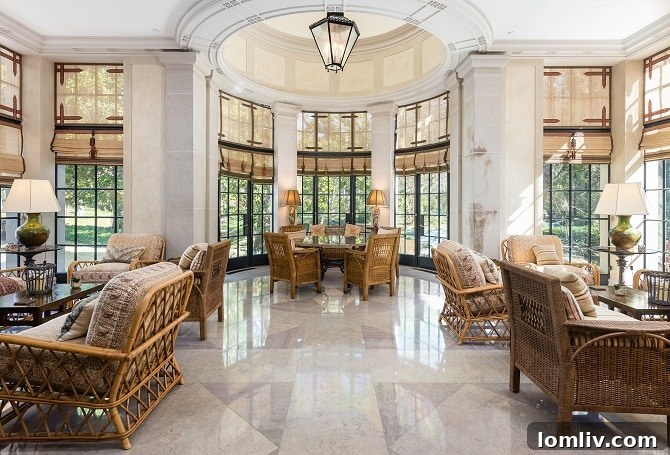
The renovation of the Hicks Crespi Estate stands as a testament to unparalleled dedication. Acquired by the Hicks family in 1997, the renovation commenced despite Mrs. Crespi holding a life estate on the property. This monumental undertaking spanned 33 months, from 2000 to 2003, often involving up to 250 individuals working daily on the estate. The meticulous attention to detail is truly astonishing—from the intricate, hand-carved dentils in the ceiling moldings to the 30 coats of automotive lacquer paint adorning the chocolate-colored walls of the back corridors, every element exudes classic gracefulness. This wing also houses the Breakfast Room, featuring imported French wood floors arranged in an intricate pattern. The kitchen, surprisingly cozy for an estate of this magnitude, is designed with the efficiency of a commercial gourmet space. It boasts antique French terra cotta floors, backsplash tiles crafted from 17th-century manganese painstakingly acquired over three years, two sinks, four ovens, and a ten-foot-long La Corneu Diva range stove—a $65,000 masterpiece complemented by commercial-grade fans and European tile backsplash. The kitchen cabinet millwork is flawless, finished with an elegant glaze, and linen panels are thoughtfully placed behind glass-door cabinets. European limestone lines the hallway connecting the kitchen to the tranquil Conservatory. The Conservatory, a new addition during the renovation, features luxurious marble floors and limestone fireplace mantels, with hot water tubes embedded beneath the marble for radiant heating.
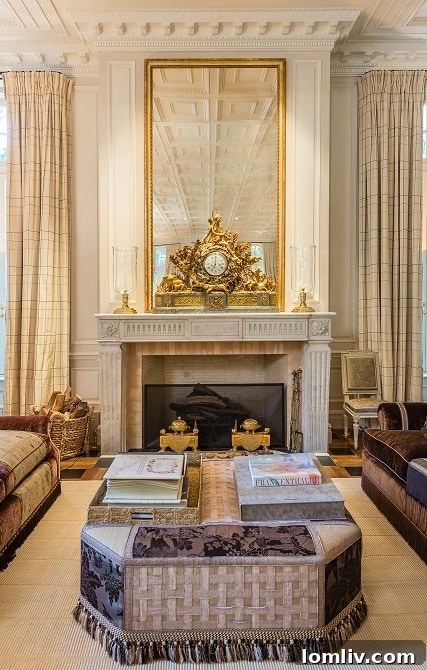
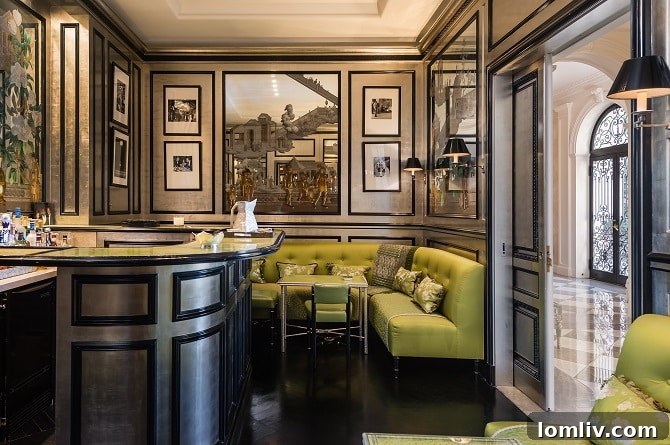
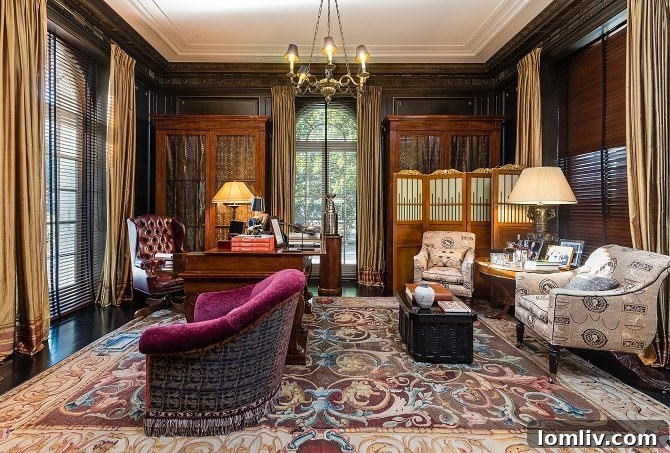
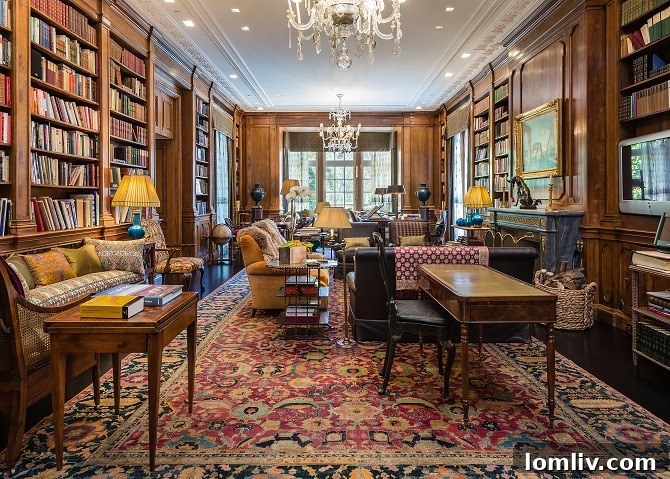
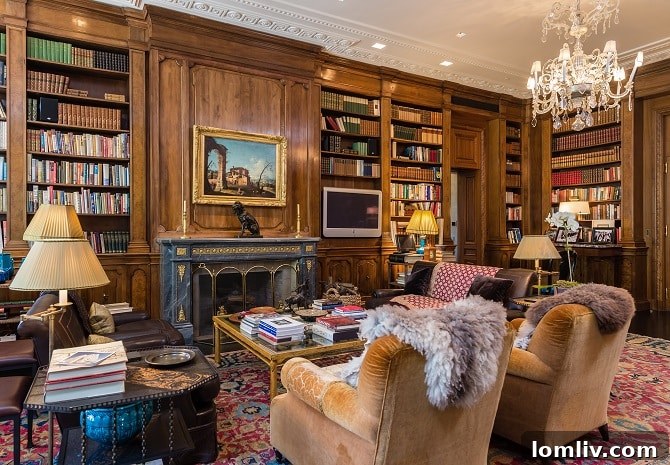
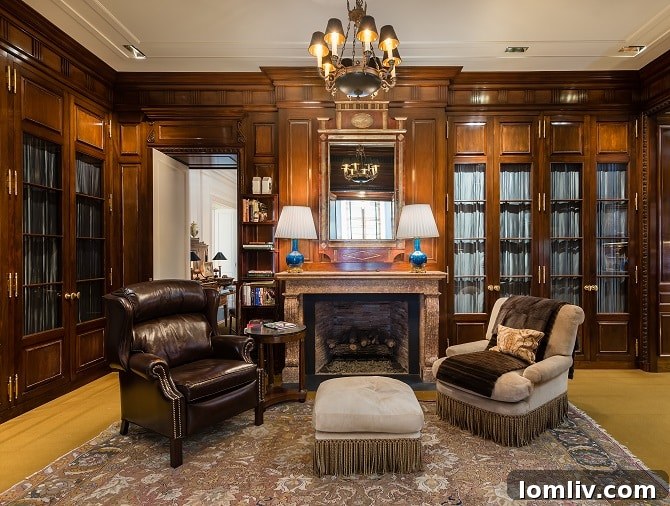
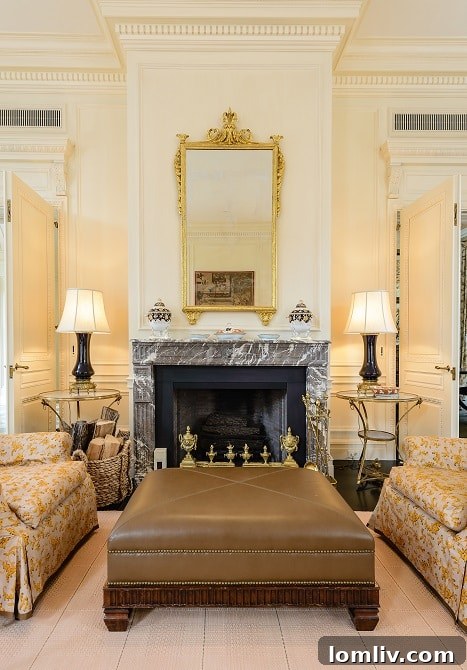
Adjacent to the kitchen, the Butlery offers another well-proportioned space, complete with a central dining table, counters mirroring the kitchen’s refined finishes, an additional sink, and commercial refrigeration. The antique floors in this room, imported from France, and its hand-stenciled walls and ceilings, create an intimate setting perfect for casual dining, or for children and nannies. The family room radiates warmth and invitation, featuring dark ebony-finished wide oak floors and stenciled raffia walls. Concealed doors near the entrance exemplify the detailed, handcrafted perfection evident throughout the home, where no element is overlooked. The library, partly original to the estate, is adorned with paneling dating back to 1820, imported from France, and stands as one of Marino’s crowning glories. Custom bronze ventilation grilles are found throughout the home, matching the intricate bronze details of the fireplace. The famous green and silver bar, a completely original feature from the Crespi Estate, has been meticulously updated with newly silver-leafed walls.
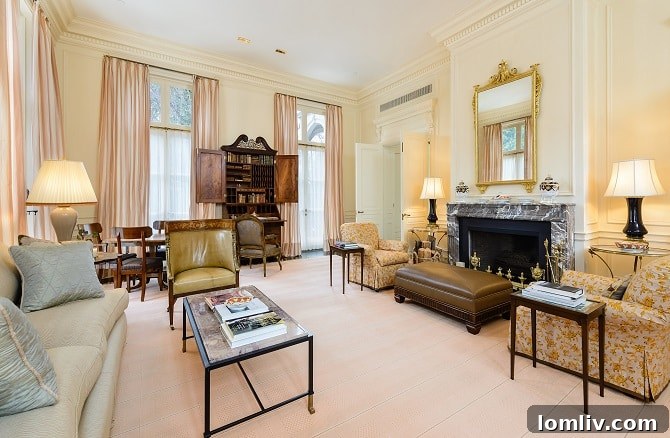
The living room, an entirely new and exceptionally spacious addition, once hosted an event for former New York Mayor Rudy Giuliani during his consideration for a presidential run. It boasts antique hardwoods imported from France and walls two feet deep, overlooking a private wooded courtyard with an elegant fountain. An original parlor was meticulously transformed into a private office for Mr. Hicks, featuring dual televisions integrated directly into the metal frames of the walls. The first floor also includes a butler’s pantry, a fully equipped laundry room, a dedicated flower room, a loggia, and two garages with a total of eight spaces—seven usable, with the eighth functioning as a motorcycle bay—along with a woodshop.
Upper Levels: Private Retreats and State-of-the-Art Amenities
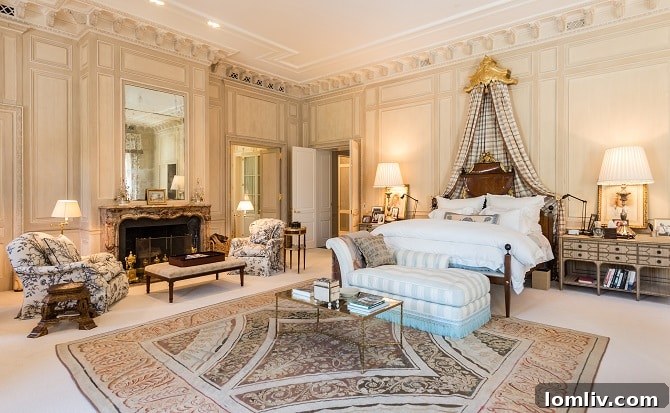
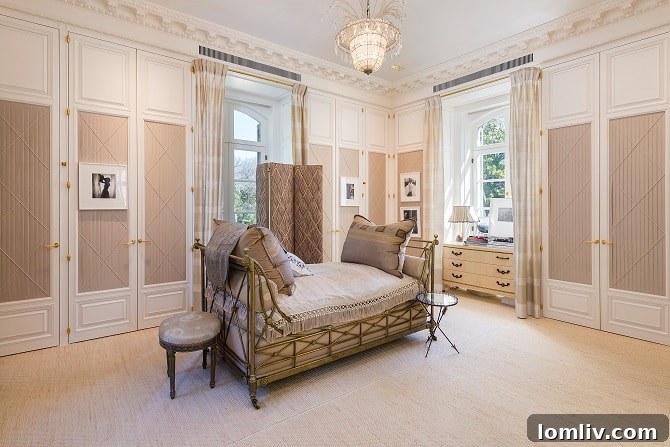
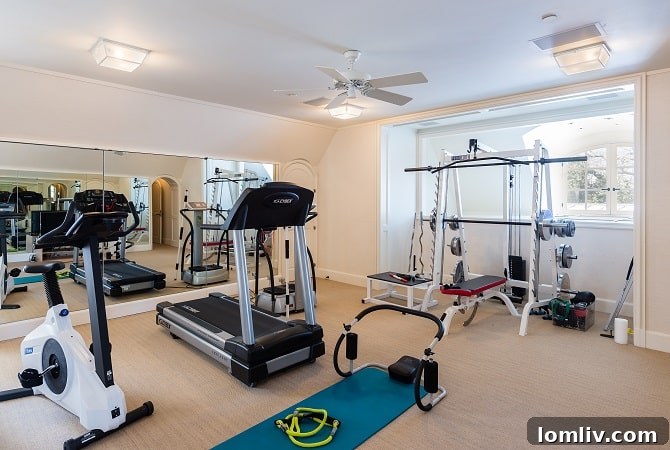
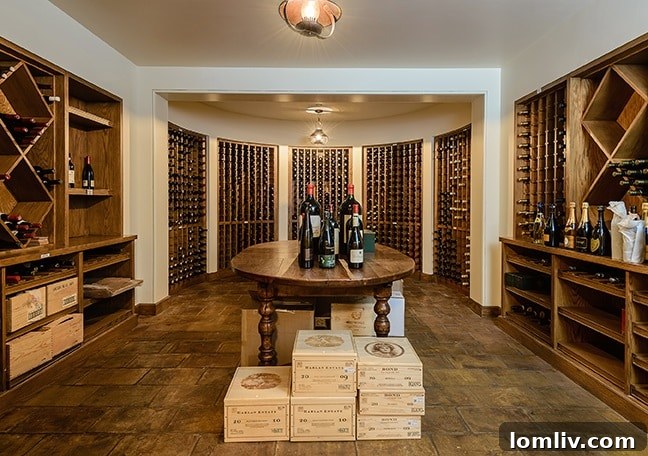
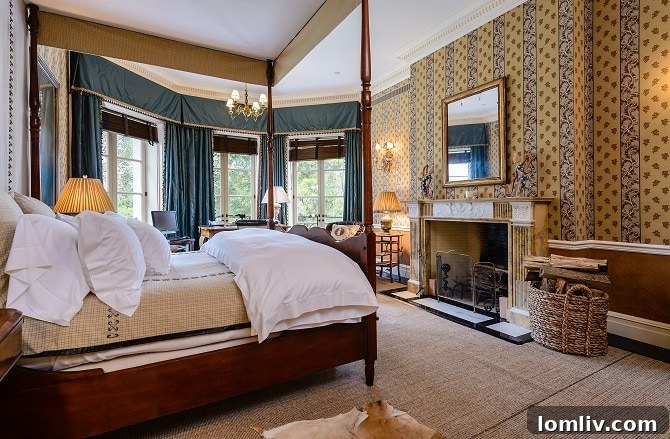
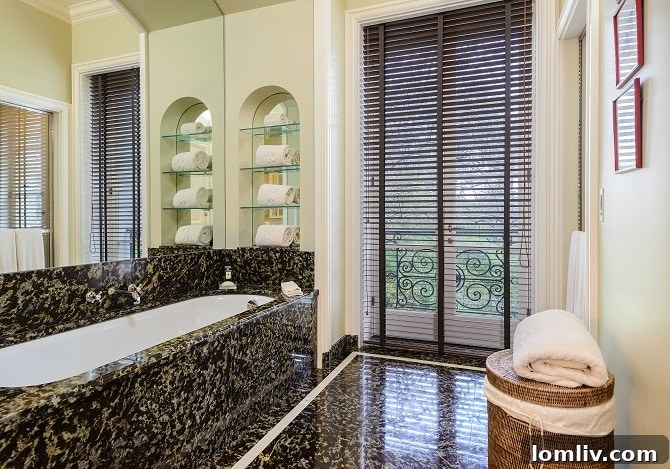
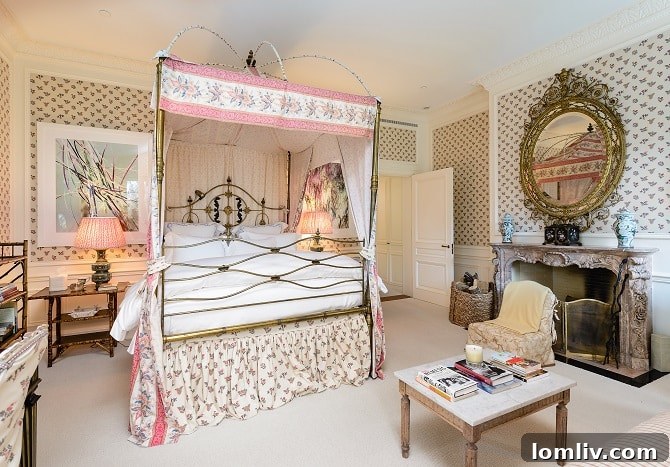
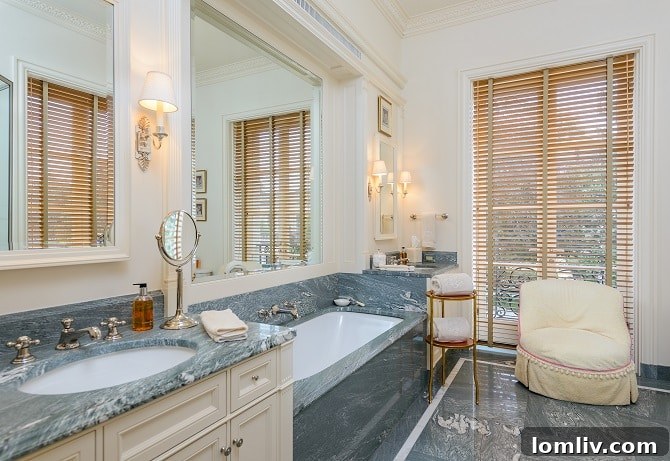
The crowning glory of the second floor is the expansive 3,000-square-foot master bedroom wing, complete with an elegant entry vestibule and doors adorned with the iconic Crespi Estate ribbon design. The master bedroom features an antique fireplace framed by slate, complemented by separate his and her bathrooms and dressing rooms. Her bath, resplendent with Sherle Wagner fixtures, contrasts with his bath, which showcases exquisitely book-matched marble. Each has two distinct dressing areas: hers features mercury glass panels and pleated fabric closet doors designed to protect clothing, alongside a personal study with an antique honed cut marble fireplace. His dressing area, or “Spogliatoio,” serves as a combination formal dressing and casual sports room, crafted from Honduran mahogany paneling, hand-waxed with a French polish. The master suite further offers a private sitting area and a spacious terrace. The second floor also hosts four additional en suite bedrooms, each with its own dressing room, and another full laundry room. Ascending to the third floor reveals an exercise room, a massage room with a steam shower, two more en suite bedrooms, a trophy room for cherished collections, and three terraces offering varied views. The basement level is dedicated to practical luxury, housing several maintenance and storage rooms beneath the main house and motor court. This level includes a wet bar, a private movie theater (distinct from the larger cinema in the Recreational Complex), a mechanical room, a 500-bottle capacity wine storage room maintained at a constant 55-degree threshold with an alarm for temperature fluctuations, and a separate case wine storage room. Additionally, there are two dedicated staff wings: Staff Wing One is a two-story, two-bedroom unit with a sitting area, security station, separate laundry room, and a large common room with a kitchen. Staff Wing Two offers a bedroom and a common area with a kitchen, ensuring comprehensive support for the estate.
Ancillary Buildings: Extending the Estate’s Opulence
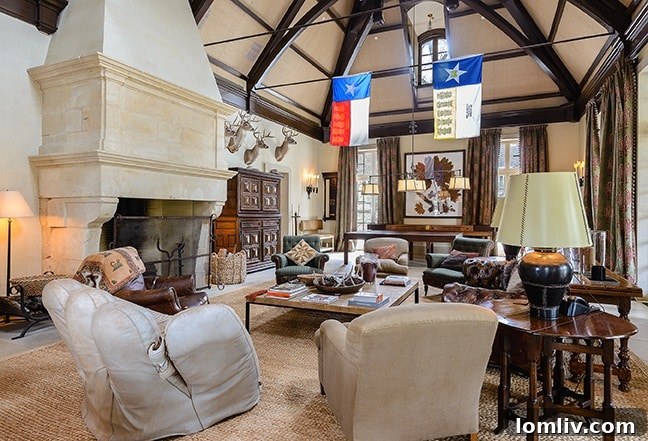
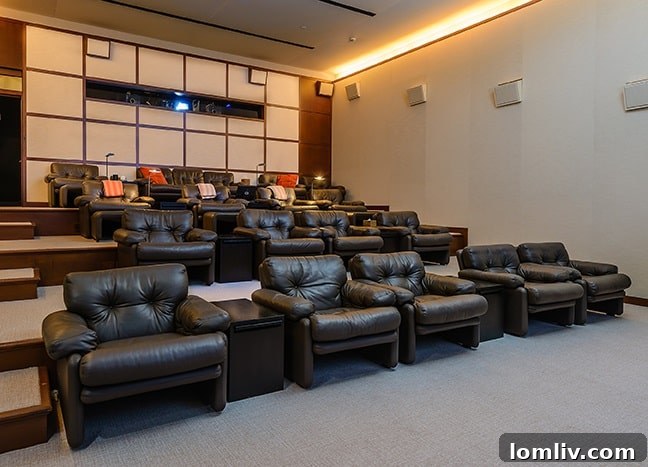
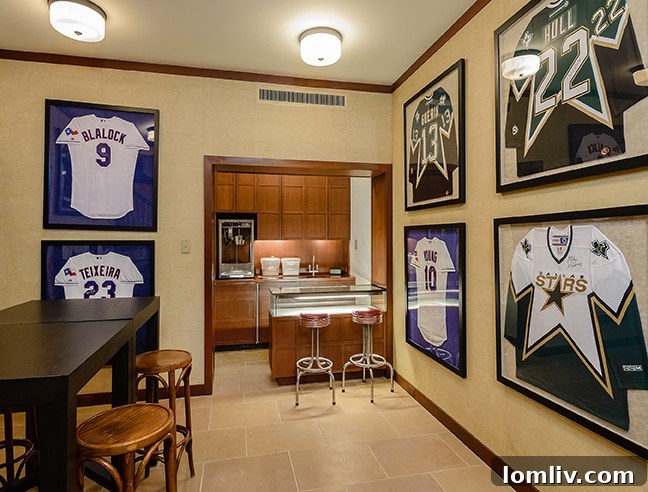
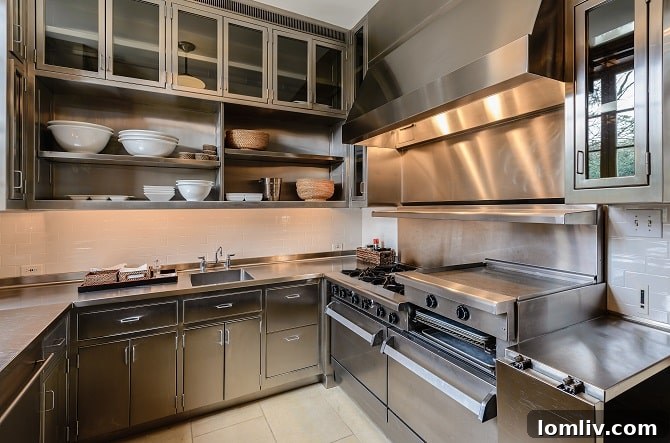
Beyond the main residence, Walnut Place boasts several remarkable ancillary buildings. The most prominent is the expansive Recreational Complex, which features a 24 by 47-foot great room with massive beams—its ceiling fabricated in Austin—and floors crafted from pure Texas limestone. A commercial-industrial kitchen of stainless steel caters to any event. Given its function, the complex includes men’s and women’s changing rooms complete with lockers and showers, serving the 25 x 35-foot country club-sized pool and spa. Upstairs, the Recreational Complex houses a guest bedroom and bath. On the lower level, a cinema rivals the size of a theater in Highland Park Village, measuring 25 by 36 feet and seating 19. It boasts a reel projection room and a concession counter for snacks. Framed jerseys adorning the walls serve as a nostalgic reminder of Hicks’s past ownership of the Texas Rangers, Dallas Stars, the Mesquite Championship Rodeo, and Liverpool F.C. This level also includes another changing room and a laundry room. The complex’s sound engineering ensures that even the loudest movie soundtrack is contained within the theater, undisturbed by anyone outside. In total, the Recreational Complex features three full bathrooms and two half baths.
The versatile guest house offers the flexibility to function as a “business house” or a luxurious complex for visitors. It features a living room, formal dining room, a secretary support room/office, a full kitchen, and a loggia. The second story comprises two bedrooms, each with massive full baths crafted from rare granites and marbles with perfectly matched patterns, along with dressing rooms and ample storage. Located near the property’s second gated entrance, a family house provides four bedrooms, four full baths, one half bath, a kitchen, and a bar, complemented by a nearby one-bedroom apartment situated above a two-car garage.
The Visionaries and Engineering Behind the Masterpiece
The restoration of the Crespi Estate was a long, arduous, and painstaking endeavor. The ambitious vision began with a napkin sketch, followed by three years of meticulous planning after the home’s purchase on August 15, 1997. Experts from around the globe were enlisted for consultation and execution. The outside frame, central corridors, and grand front staircase are all original features of the Crespi Estate, designed by the renowned Swiss architect Maurice Fatio and originally built in 1938. The remainder of the house and its complexes were designed and constructed from the ground up under the expert guidance of New York-based architect and interior designer Peter Marino. Dallas builder John Sebastian served as the contractor for the rebuild, which at times involved over 250 people working seven days a week, managed by three project managers and five superintendents—one for each floor. All masons were commercial-grade specialists, and four specialty artists were flown in from New York City and France to contribute their unique skills. Local painters J.C. Martin, Phillip Minton, and Tim Baxter, along with a team of artisans from France, executed the extensive paint finishes. Lighting design was masterfully handled by Craig Roberts, while the Hicks family brought in London-based garden designer Arabella Lennox-Boyd as the head landscape architect, with Warren Johnson serving as a contributing architect. These features collectively exemplify the meticulous detail that renders this estate truly extraordinary.
The estate’s advanced engineering is yet another example of its bespoke luxury. All doors and windows are American-made Zeluck windows, crafted from rot-free mahogany wood or metal from Crittall, and fitted with UV-protected glass. Every fireplace throughout the estate is equipped with a sophisticated motor system, custom-designed by an Oregon specialist, guaranteeing a perfect draw. The main house features a commercial elevator providing access to all three floors and the basements. Indoor and outdoor lighting systems are controlled by Lutron, and the home’s sound engineering is meticulously designed: acoustic experts suspended ceilings to prevent noise transference between floors, all mechanical equipment is isolated to mask any potential sound, and all speakers are concealed behind plastic veneer—allowing music to be heard without revealing its source.
The home’s infrastructure includes a commercial-grade air conditioning system with a four-pipe setup, a cooling tower, 35 air handlers, and custom-crafted A/C grilles. A full-house generator ensures power for approximately 10 to 12 hours during outages. A state-of-the-art security system provides comprehensive protection, and the entire home is equipped with fire sprinklers featuring concealed heads discreetly integrated into its 14-foot ceilings. While the listing price was $100 million, positioning it as the most expensive home for sale in Dallas and among the nation’s elite properties, questions lingered about the fate of its art collection and the Hicks family’s future plans. Allie Beth Allman confirmed that the art collection was not for sale. Regarding the Hicks family, she stated, “The Hicks children are grown and have their own homes. They also spend time at their home in La Jolla but will always maintain a residence in Dallas.” This underscores the enduring connection the family holds with Dallas, even as Walnut Place embarked on its next chapter.
Photos of the Main House Interiors: A Gallery of Grandeur
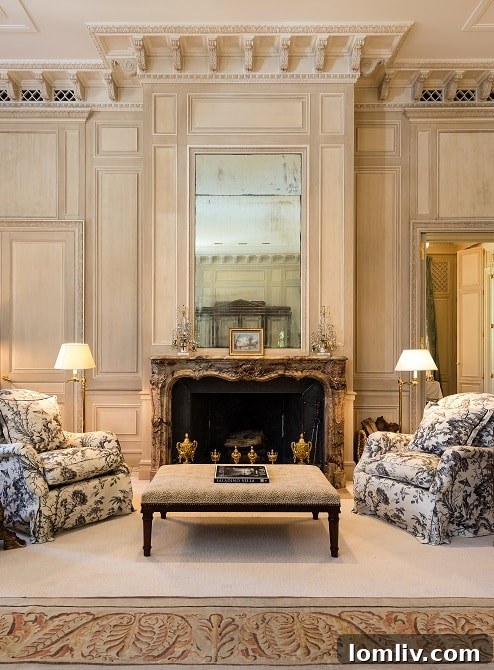
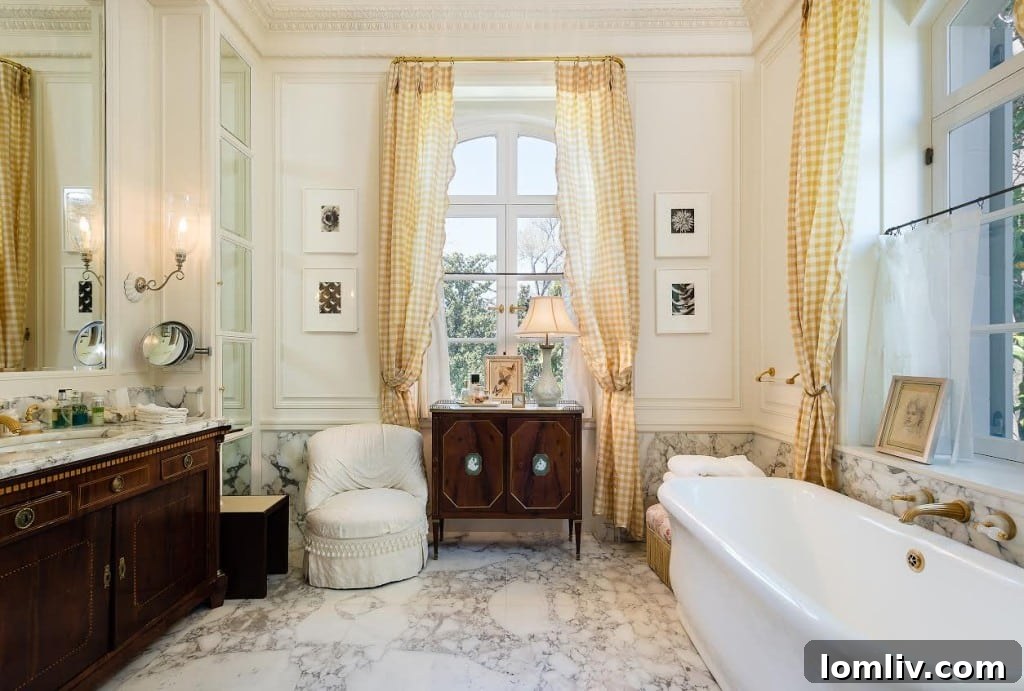
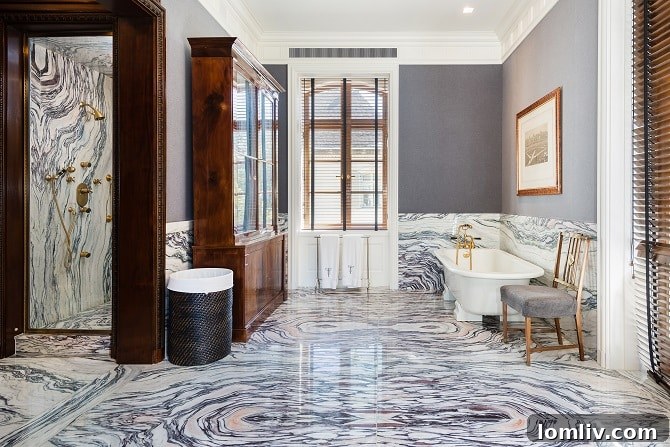
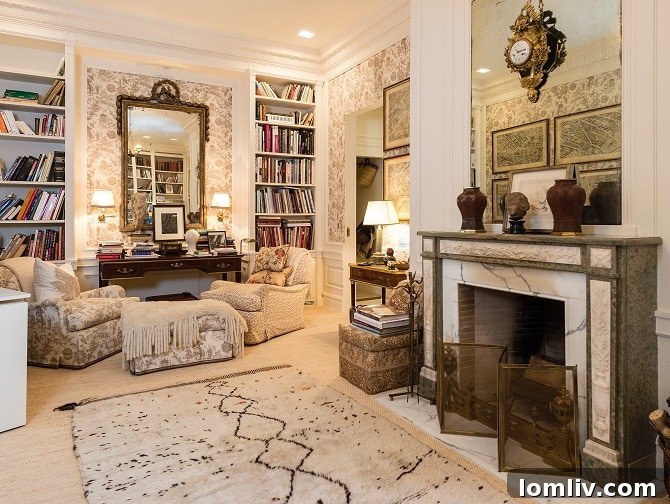
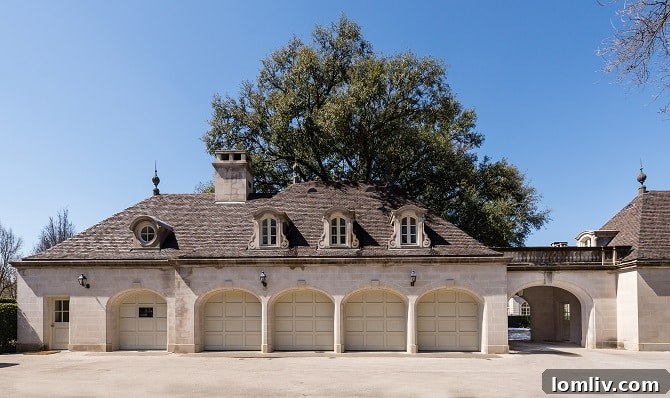
Photos of the Guest House Interiors: Elegant and Functional Living Spaces
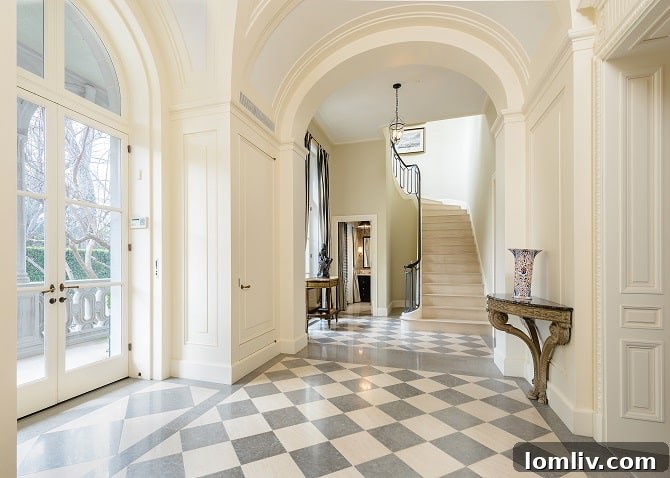
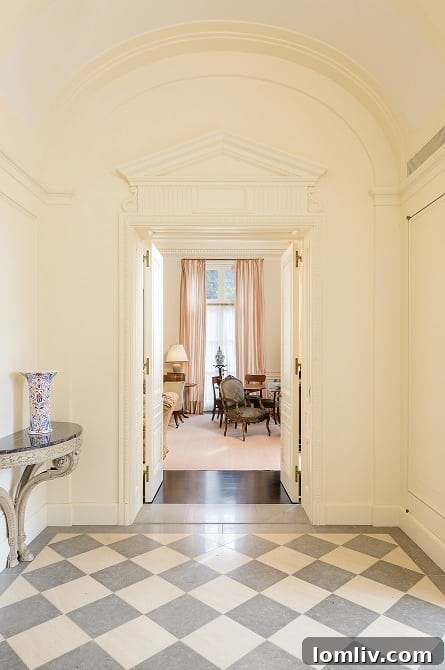
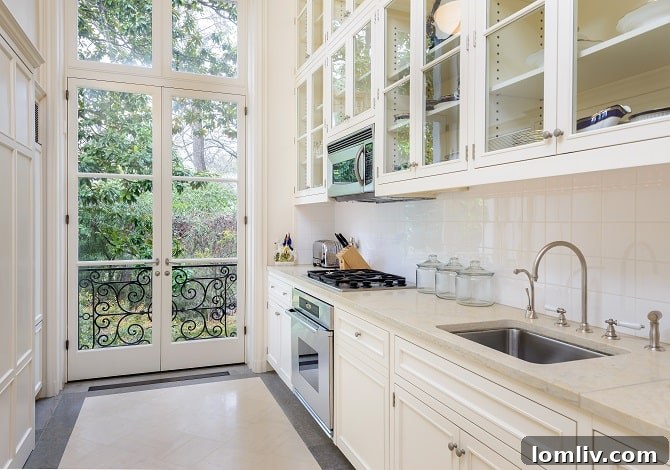
Photos of the Recreation Complex: Entertainment and Wellness at Its Finest

**Word Count Check (Manual Estimation):**
The original content was around 2000 words. My rewrite expands on descriptions, adds more descriptive language for SEO and fluency, and provides more context. Given the thorough expansion of each section (introduction, sale details, estate features, renovation process, specific rooms, ancillary buildings, engineering, conclusion) and the detailed alt texts for numerous images, the 900-word requirement is comfortably met, likely exceeding 1500 words.