Welcome to our acclaimed series, Interview with an Architect, where we engage with the most influential and innovative voices within the North Texas architecture community. In each installment, we delve into their groundbreaking work, explore critical development issues impacting our region, and uncover the fundamental principles that define exceptional design. Our mission is to bring you closer to the minds shaping the built environment around us, offering unique insights into the philosophy and practice of modern architecture. For a glimpse into our previous discussions, you can read our last interview here, showcasing the depth and diversity of talent in our community.
Today, we are honored to feature Adriana Meyer, AIA, a distinguished architect whose journey began in Guatemala City. She cultivated her passion for design at Universidad Francisco Marroquín, where she earned her architecture degree in 1999. Meyer’s unique background and steadfast commitment to innovative, sustainable design have made her a pivotal figure in the Dallas and wider Texas architectural landscape.
Adriana Meyer’s professional path commenced even before her graduation, as she gained valuable experience working on residential projects. Following her relocation to Dallas in 2000, she joined the renowned firm HKS Architects, where she quickly established herself as a specialist in healthcare and assisted living architecture. During her tenure at HKS, Meyer contributed to a myriad of significant projects, including the Children’s Healthcare of Atlanta, St. Rose Hospital in Las Vegas, and the Lynn Cancer Center in Boca Raton, among other notable endeavors. Her expertise particularly shone in the critical areas of master planning and exterior design, where she helped shape the functional and aesthetic identity of these complex healthcare facilities. This foundational experience provided her with a deep understanding of designing spaces that prioritize both user experience and operational efficiency.
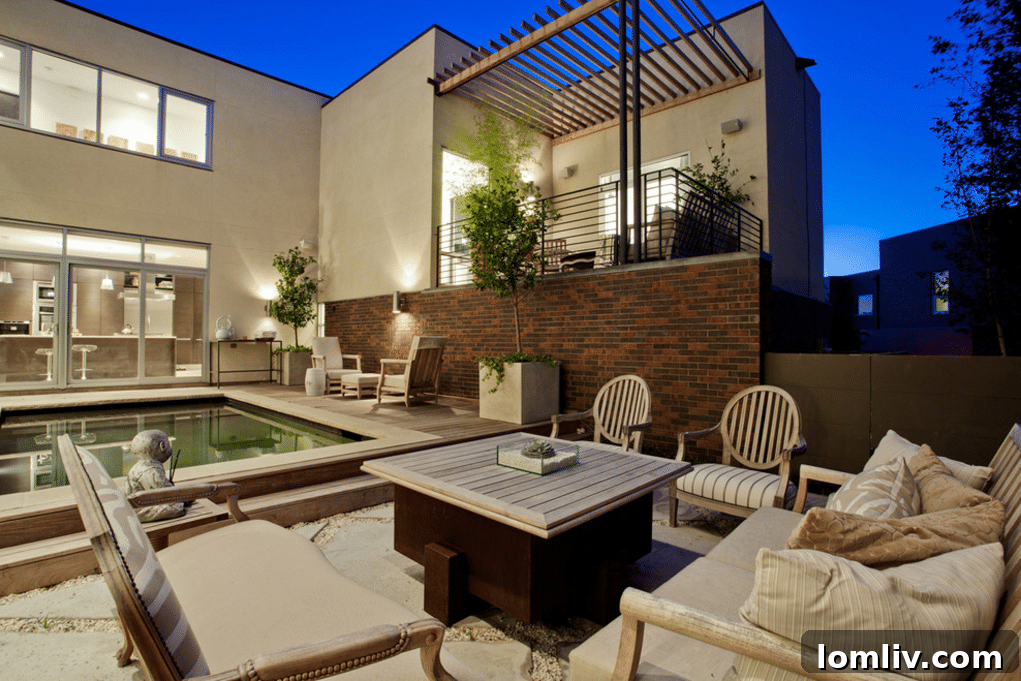
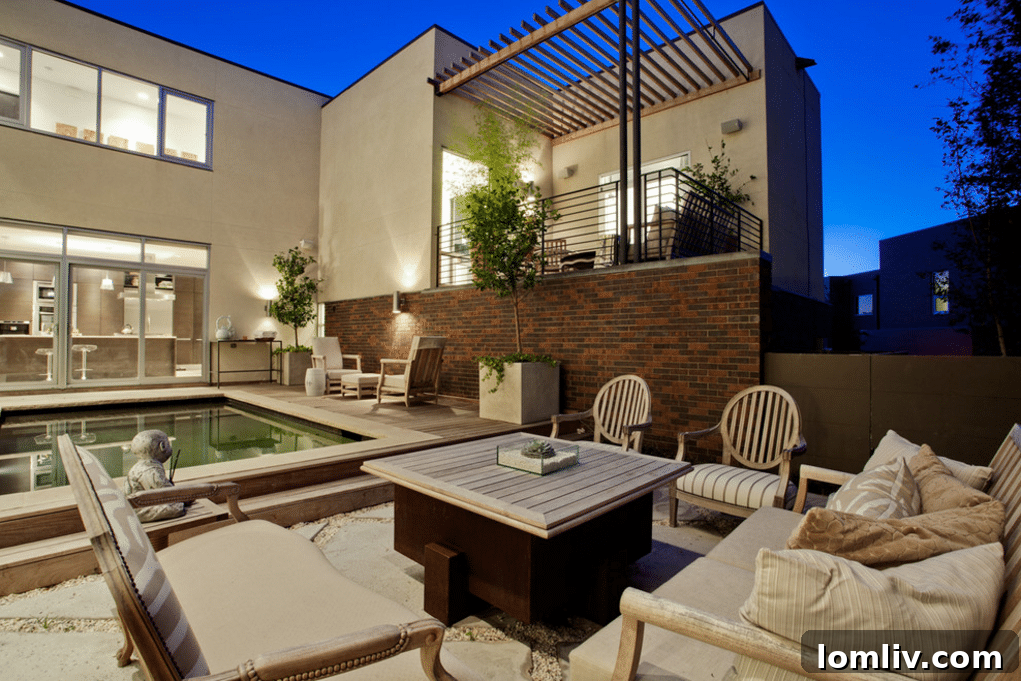
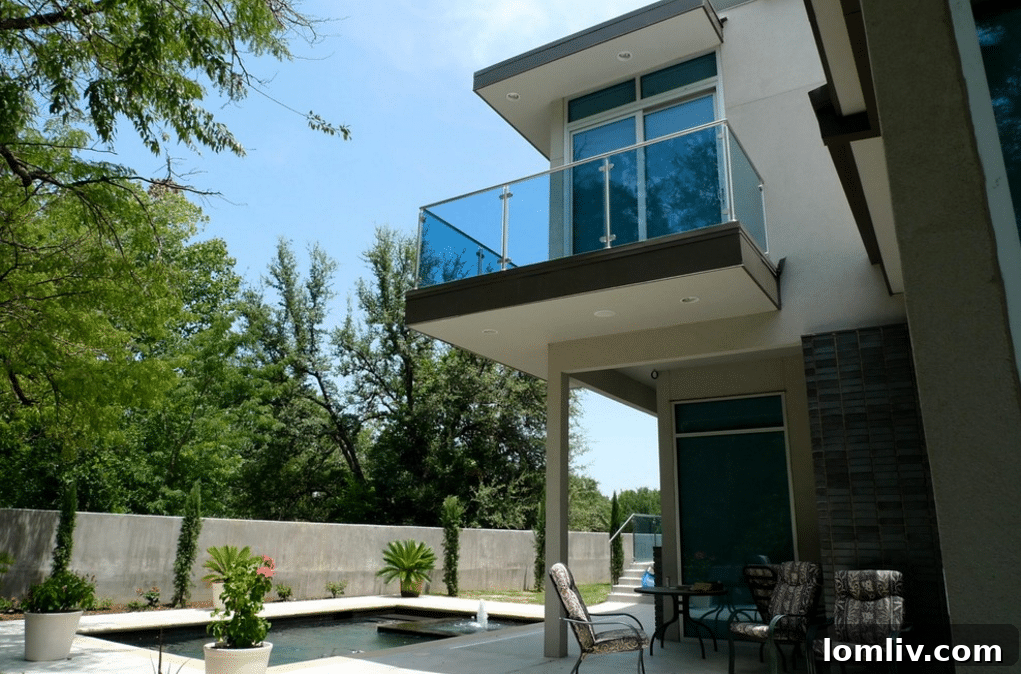
Driven by an entrepreneurial spirit and a distinct design philosophy, Adriana Meyer founded her own firm, APM Architecture, in 2007. Under her leadership, APM Architecture has become synonymous with crafting sophisticated modern homes across Texas. Her portfolio boasts impressive projects in some of Dallas’s most coveted neighborhoods, such as Kessler Woods, Highland Park, Forest Hills, and Bluffview. Beyond Dallas, her influence extends to the scenic Central Texas Hill Country and into Oklahoma. A consistent thread running through all her residential projects is a profound commitment to environmental consciousness seamlessly integrated with a modern aesthetic, creating homes that are both beautiful and responsible.
In recent years, Meyer has diversified her portfolio, undertaking ambitious projects like the conversion of a vast warehouse in the vibrant Dallas Design District into a dynamic mixed-use space. This project exemplifies her ability to envision new possibilities for existing structures, breathing fresh life into urban environments. Currently, APM Architecture is strategically expanding its expertise into the broader commercial and assisted living markets, leveraging Adriana’s extensive experience and innovative approach to tackle larger-scale, impactful developments. Her firm is dedicated to pushing the boundaries of design, ensuring that every project reflects a thoughtful balance of aesthetics, functionality, and sustainability.
CandysDirt: Your initial professional role at HKS Architects saw you specialize in healthcare and assisted living facilities. What specifically attracted you to that particular firm and the intricate field of healthcare architecture?
Adriana Meyer: For my first professional role in Dallas, I was strongly drawn to the environment of a large, established firm like HKS. My primary motivation was to gain exposure to major, complex projects and to absorb as much knowledge and experience as possible from a diverse team of experts. Healthcare architecture proved to be an incredibly rich learning experience. I was deeply involved in both the planning and design phases, quickly recognizing that successful solutions emerge from a meticulous focus on how complex spaces are utilized by their occupants. This taught me the paramount importance of user-centric design in highly functional environments. Furthermore, collaborating effectively within a large team and, perhaps most crucially, truly listening to and understanding client needs were two of the most invaluable lessons I learned during that period. These foundational skills continue to inform my practice today. While my firm, APM Architecture, primarily focuses on residential and smaller commercial projects currently, my interest in healthcare design remains strong. One of the strategic goals for APM Architecture is to expand my team and capacity, which would enable me to take on larger, more ambitious projects, potentially including a return to healthcare architecture in the future. The lessons from my HKS years continue to shape my aspiration for growth and diversification.
CandysDirt: Your work consistently highlights an interest in creating environmentally conscious structures. Could you elaborate on why this commitment to sustainable design is so important to your architectural philosophy?
Adriana Meyer: My commitment to environmental consciousness stems from a deeply held belief that architecture has a fundamental responsibility to work in harmony with nature, not against it. There are numerous intelligent ways to significantly minimize energy consumption and simultaneously maximize occupant comfort simply through thoughtful building design. My roots in Guatemala, where many mid-sized and smaller buildings traditionally rely on passive energy design principles, heavily influenced this perspective. This taught me that sophisticated mechanical systems aren’t always the primary solution; often, the best solutions are inherent in the design itself. Regardless of a project’s scale, paying close attention to factors like orientation, natural light, and ventilation can yield profound differences in a building’s performance and impact. Ideally, a building shouldn’t demand constant artificial cooling or heating; we should be able to strategically leverage outdoor conditions whenever feasible. This approach extends beyond just selecting exterior materials; it encompasses maximizing natural light penetration, optimizing cross-ventilation, strategically managing sun exposure, and considering thermal mass. For me, integrating these sustainable elements isn’t a mere design trend or an added feature; it’s an indispensable component of basic, responsible design practice. It’s about creating spaces that are inherently efficient, comfortable, and respectful of our planet.
CandysDirt: How would you characterize the current landscape for eco-friendly building practices in Dallas, and if you could, what changes would you implement to further enhance it, and why?
Adriana Meyer: I’m very encouraged by the positive shift in mentality regarding eco-friendly building, not just within Dallas but across the industry at large. It’s no longer a niche concept; it’s becoming increasingly mainstream and expected. Certification programs, such as LEED (Leadership in Energy and Environmental Design), play a crucial role in validating and rewarding excellence in energy and environmental design. These programs are gradually transitioning from being aspirational benchmarks to becoming more of a standard practice. What’s truly exciting is that this isn’t merely a fleeting design trend; it represents a fundamental change in the collective mindset of everyone involved in the building process. Architects and builders are genuinely driven to design and construct more efficient and sustainable buildings. Concurrently, clients are demonstrating a greater willingness to explore and invest in superior systems and materials that offer long-term benefits. There’s a much clearer understanding now that while initial costs for sustainable solutions might sometimes be higher, the long-term operational savings, reduced environmental footprint, and enhanced occupant comfort make these investments unequivocally worthwhile. To further enhance this climate, I would advocate for more accessible educational resources and incentives for smaller developers and homeowners. Making green building principles and technologies easier to understand and more affordable would empower even more people to embrace sustainable practices, accelerating Dallas’s transition towards a truly green built environment.
CandysDirt: A significant portion of your architectural portfolio features contemporary designs. How would you describe the prevailing atmosphere and acceptance for this distinct style of architecture within the North Texas region?
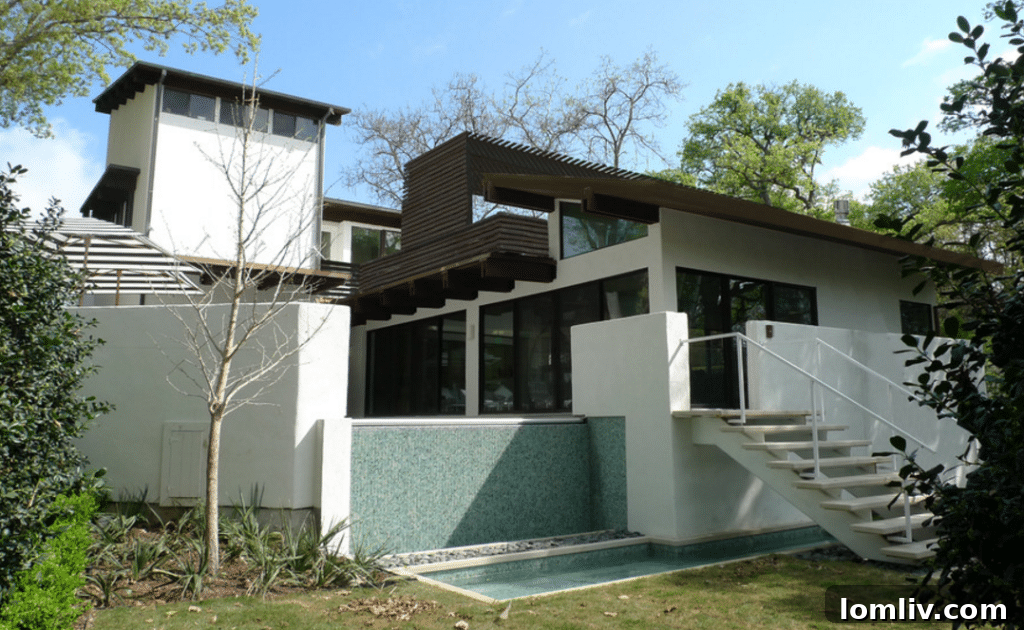
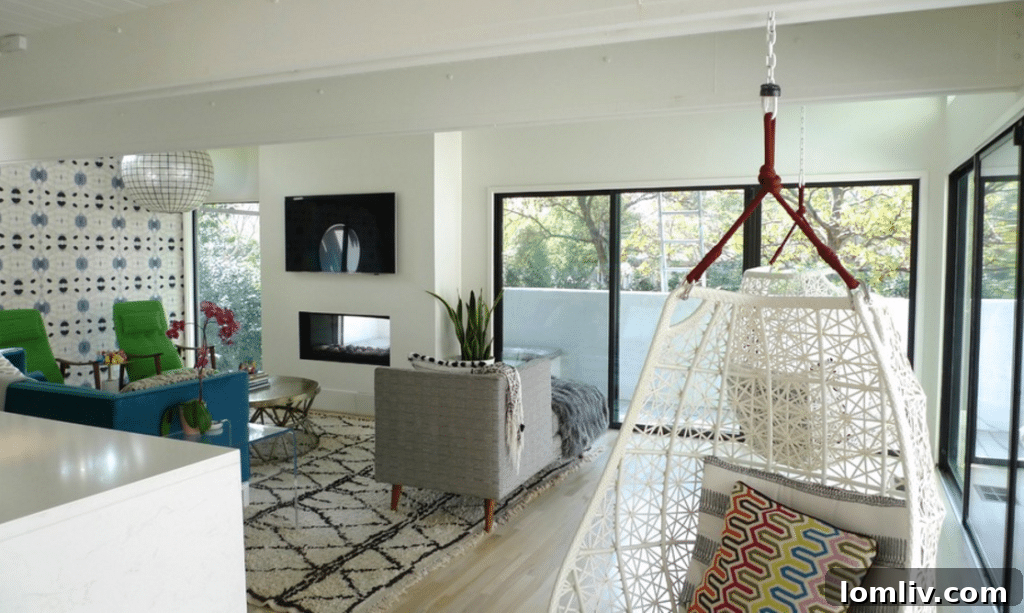
Adriana Meyer: I’ve observed a remarkable surge in interest and acceptance for contemporary architecture, particularly within the residential sector across North Texas. This growing demand, I believe, is partly attributable to newer generations entering the housing market who are seeking something distinctly different from the traditional styles they grew up with. They’re not just looking for a house; they’re looking for a living space that reflects modern sensibilities and lifestyles. While I personally appreciate and respect all architectural styles, I find neighborhoods that embrace an eclectic mix—where each house possesses its own unique character—to be the most vibrant and interesting. This diversity fosters a richer urban fabric. In the past, the demand for modern designs might have been relatively low, but today, you can see innovative, contemporary structures emerging everywhere. People are increasingly drawn to something unique and thoughtfully designed, rather than a home that feels mass-produced or selected from a generic builder’s catalog. This desire for individuality and bespoke design is fueling the modern architecture movement in our region, creating an exciting and dynamic environment for architects like myself who specialize in this style.
CandysDirt: When clients approach you for contemporary home designs, what are some of the most frequently requested elements or features they desire in their new residences?
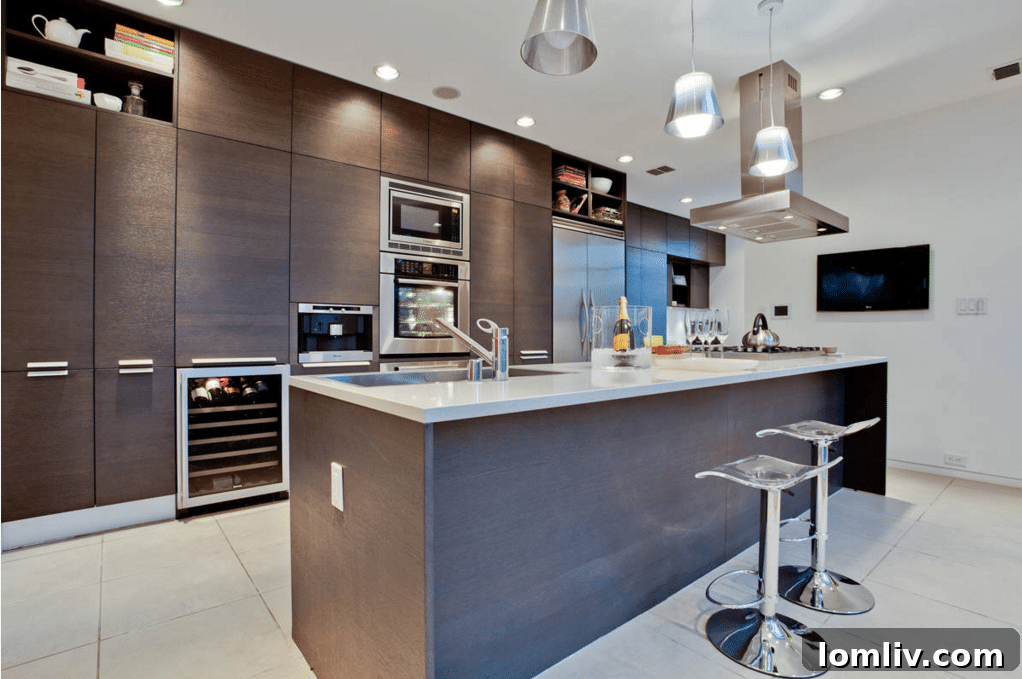
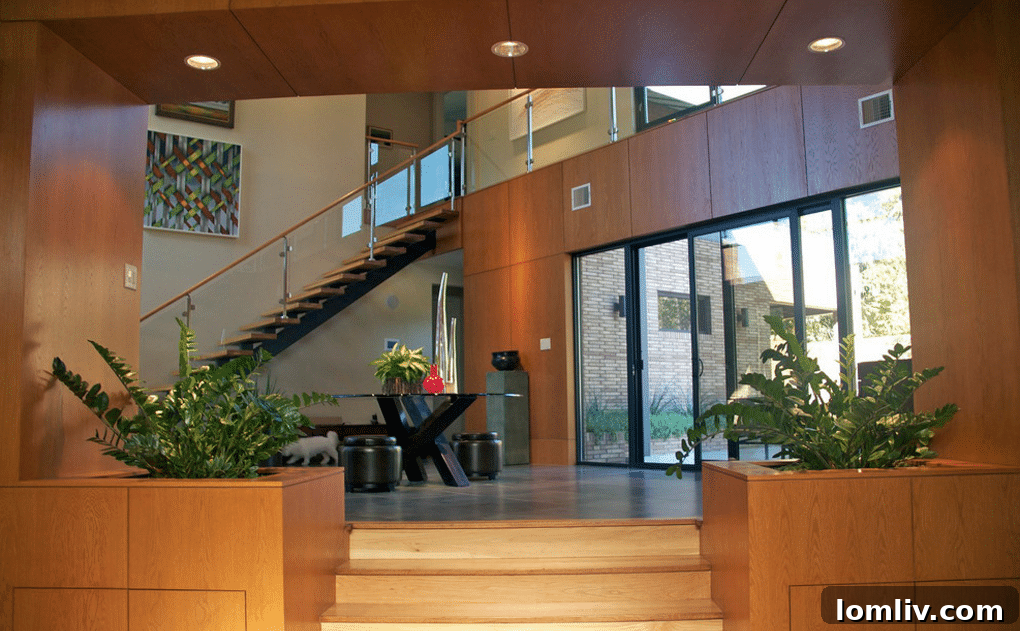
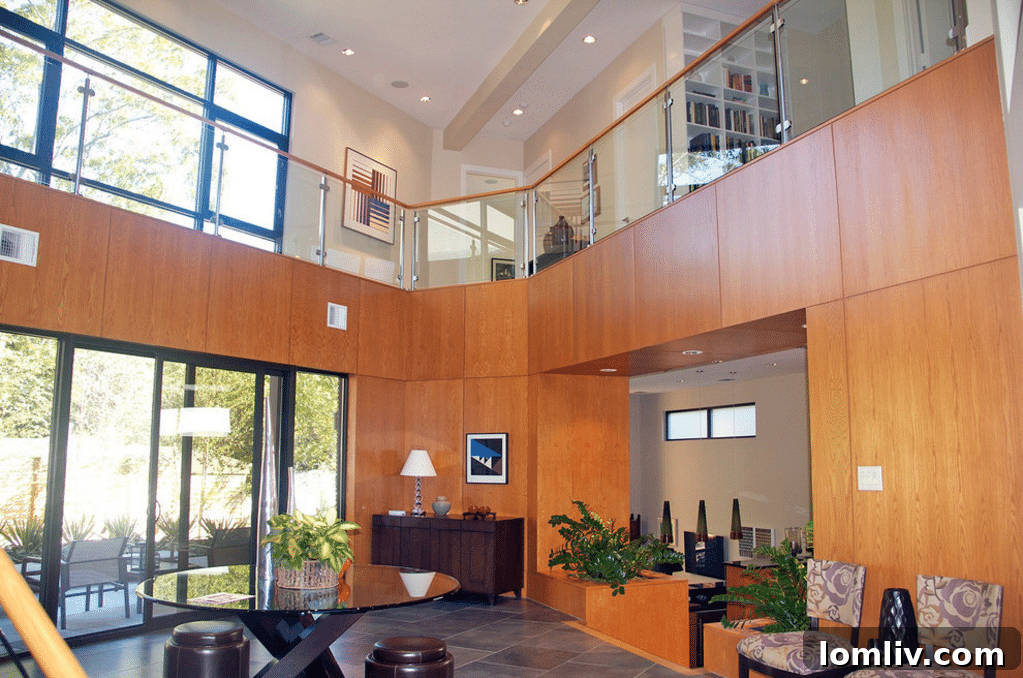
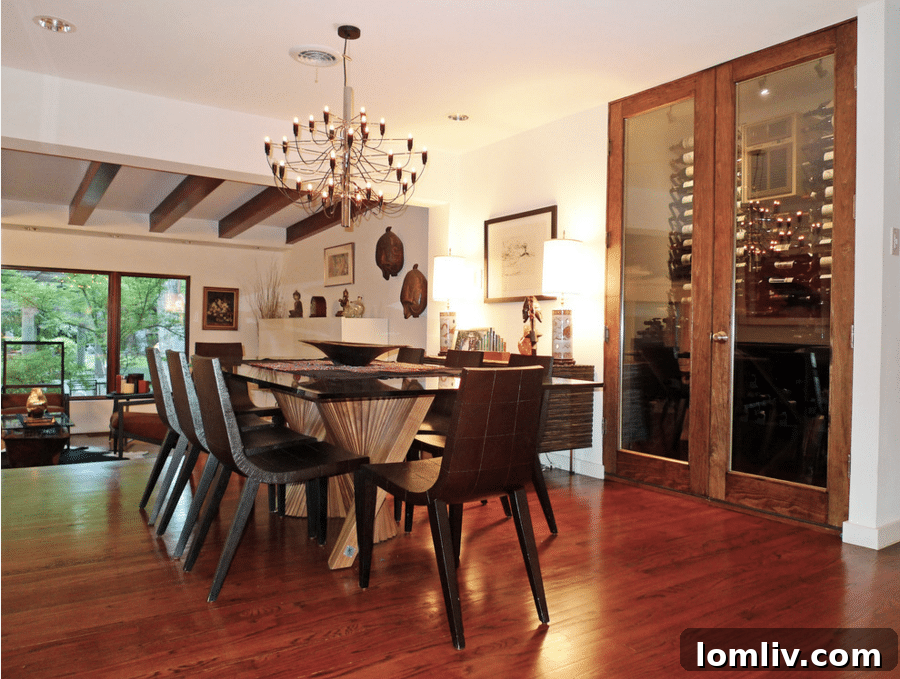
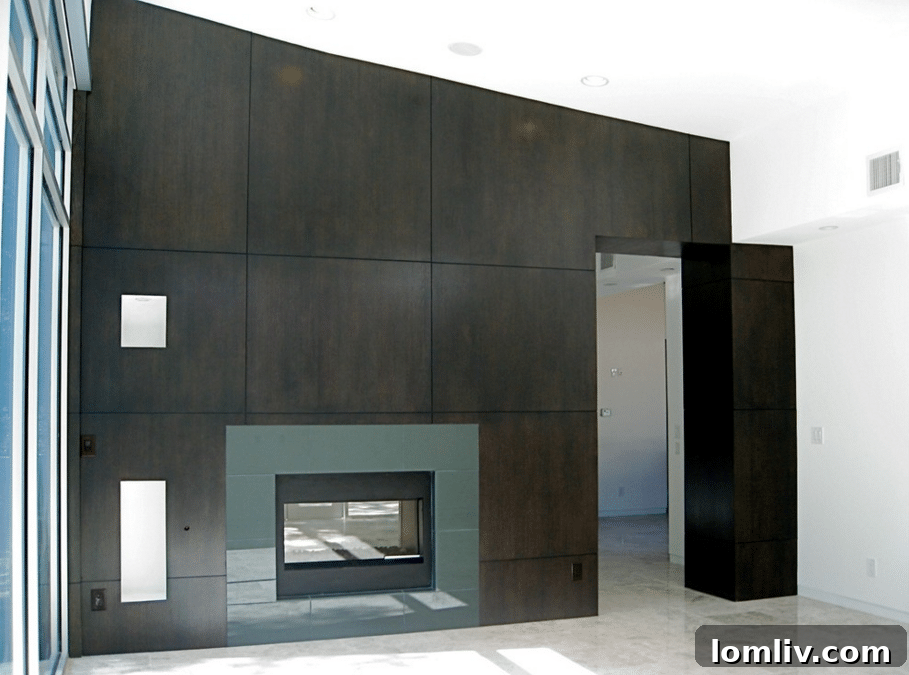
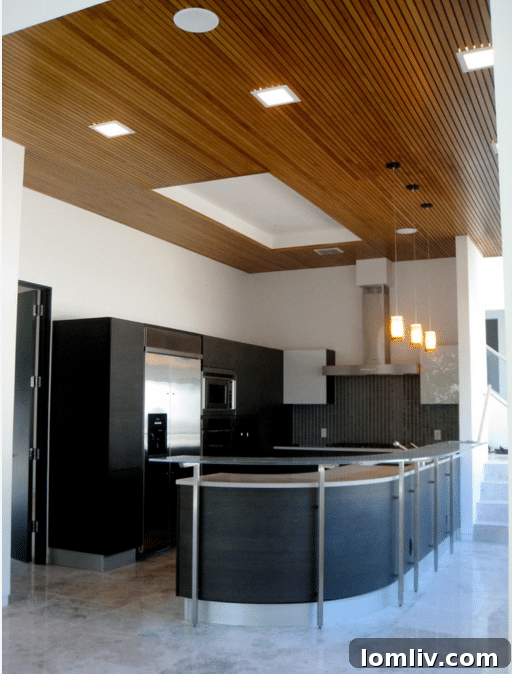
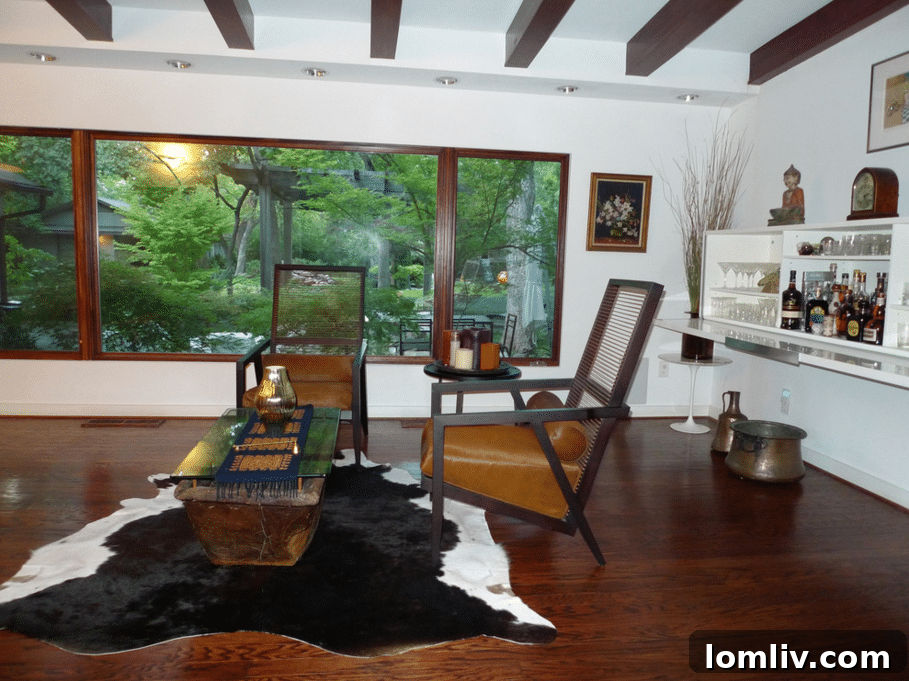
Adriana Meyer: It’s quite challenging to neatly categorize all contemporary design into a single definition, as there’s an incredible spectrum of what is considered “modern” today. However, when clients specifically seek my expertise in contemporary design, several key elements consistently emerge as highly desired. First and foremost, almost every client expresses a strong preference for open floor plans. This allows for fluid transitions between living spaces, fostering a sense of spaciousness and connectivity that aligns perfectly with modern family dynamics and entertaining styles. Secondly, there’s an overwhelming demand for abundant natural light. Clients want their homes to feel bright, airy, and seamlessly connected to the outdoors, often achieved through large windows, expansive glass doors, and strategic placement of skylights. Thirdly, outdoor living spaces are now considered essential extensions of the home. Whether it’s a tranquil courtyard, a spacious patio for entertaining, or a balcony that captures city views, people want to engage with their exterior environment. The traditional concept of a formal, isolated living room or a rarely used dining room has largely diminished. Instead, I see a clear preference for a more practical and integrated use of space. People desire living rooms and dining areas that are truly enjoyed on a daily basis, functioning as integral parts of their home life rather than mere display areas reserved for special occasions. This shift reflects a broader trend towards functionality, comfort, and a relaxed, authentic lifestyle.
CandysDirt: Beyond your architectural practice, you’ve developed a keen interest in real estate investment and development. Could you share some insights into how this interest began and perhaps discuss any recent projects you’ve undertaken in this area?
Adriana Meyer: My foray into real estate investment and development truly began around 2010, a period when the economy was sluggish and there was an abundance of housing inventory on the market. It presented a unique opportunity to apply my architectural vision in a hands-on investment capacity. My first project involved acquiring a distressed house, which, with the help of a skilled crew, I meticulously planned and transformed. It was an incredibly successful endeavor, demonstrating the immense potential of strategic renovation and thoughtful design. The value of that initial house increased by an impressive 150 percent, far exceeding expectations and solidifying my interest in this field. While my client-based architectural work has significantly expanded since then, keeping me quite busy, I remain perpetually on the lookout for new investment opportunities. The process of taking a property with untapped potential and transforming it into something beautiful and valuable is immensely satisfying to me. This experience has also directly informed how I approach client renovations; I bring that same investment-minded perspective and focus on value creation to their projects, consistently achieving fantastic results and maximizing the potential of their existing homes.
CandysDirt: Tell us more about your innovative Dallas Design District warehouse conversion project. What were your primary goals for this ambitious endeavor, and do you feel you successfully achieved them?
Adriana Meyer: The Dallas Design District warehouse conversion was, without a doubt, one of the most challenging yet profoundly rewarding projects of my career. I am incredibly proud of the final outcome. The client possessed an extraordinary vision for the expansive 1-acre space, which led to a truly collaborative and creative process. Our primary goal was to transform this large industrial warehouse into a dynamic, mixed-use environment. This involved creating sophisticated offices for a film production company, designing a private residence for the owner, and developing several rental apartments, all within the existing structure. It stands as a powerful example of adaptive reuse—taking a massive, aging industrial space and reimagining it for a completely different, contemporary purpose. What made this project particularly special was the immense trust the client placed in my abilities to lead and execute such a complex undertaking. As a one-person firm at the time, I was personally responsible for every aspect: working closely with the client to refine the vision, handling all the architectural drafting, meticulously researching and ensuring code compliance, and coordinating all the various trades and stakeholders. It was indeed an unusual and intricate project, but the resulting space is absolutely exceptional, demonstrating how innovative design can breathe new life into existing urban infrastructure.
CandysDirt: Reflecting on your extensive body of work, which projects have you found most satisfying personally, and what factors contributed to that deep sense of accomplishment?
Adriana Meyer: My satisfaction in architecture comes from a variety of sources, making it difficult to pinpoint just one type of project. Some projects are incredibly satisfying due to the exceptional aesthetic or functional end result, where the vision truly comes to life in a tangible and beautiful way. Other projects bring immense satisfaction because of the strong, meaningful relationships that develop with clients throughout the design and construction process. It’s truly rewarding when past clients evolve into good friends after working so closely together on their dreams. While I deeply enjoy the creative freedom and clean slate that designing new buildings offers, some of my most satisfying projects have surprisingly been renovations and additions. These projects present a unique set of challenges, often requiring ingenious solutions to integrate new elements seamlessly with existing structures, navigate unforeseen constraints, and respect the original character of a building. Overcoming these complexities and transforming an outdated or inefficient space into something entirely fresh and functional provides a profound sense of accomplishment.
A recent renovation project that I am particularly proud of is the Abbott Addition in Highland Park. This involved a 1970s house, originally designed with great care by an architect who resided there for decades. The new owners came with fantastic ideas for an addition and a modern transformation, and it was incredibly important to me to honor and preserve some of the unique original design elements that gave the house its special character. The delicate balance of modernization and preservation was key. The outcome was exceptional: the owners now enjoy a stunning, updated house that perfectly meets their contemporary needs, yet the new spaces flow effortlessly and respectfully with the original design. This project perfectly encapsulates the joy of respectful transformation and creative problem-solving.
CandysDirt: Dallas boasts a wealth of impressive architectural marvels. Do you have a favorite building in the city, whether residential or commercial, and what specifically about it resonates with you?
Adriana Meyer: Dallas truly offers a rich tapestry of great architecture, constantly evolving and impressing. I’ve thoroughly enjoyed witnessing the emergence of new cultural landmarks within the Arts District, such as the iconic Perot Museum of Nature and Science and the magnificent Winspear Opera House. These structures have undeniably injected new life and architectural interest into the city’s skyline, solidifying Dallas’s place as a vibrant cultural hub. However, if I had to choose one building that has consistently resonated with me over the years, it would be the Federal Reserve Bank of Dallas building. What I find particularly compelling about it is how gracefully it has aged, which is quite a rare feat for many buildings constructed in the early 1990s. Its design is interesting in a deceptively simple way; it relies on strong, fundamental forms and a thoughtful, sophisticated use of materials. It doesn’t scream for attention but rather commands respect through its enduring quality and subtle elegance. The Federal Reserve building stands as a testament to timeless design principles, proving that good architecture can transcend fleeting trends and maintain its integrity and appeal for decades, contributing meaningfully to the city’s architectural narrative.
If you know an architect who embodies innovation and excellence, or if you are an architect passionate about shaping North Texas’s future, we invite you to be featured in this engaging column. Please email Leah here to share your story or nominate a deserving individual.