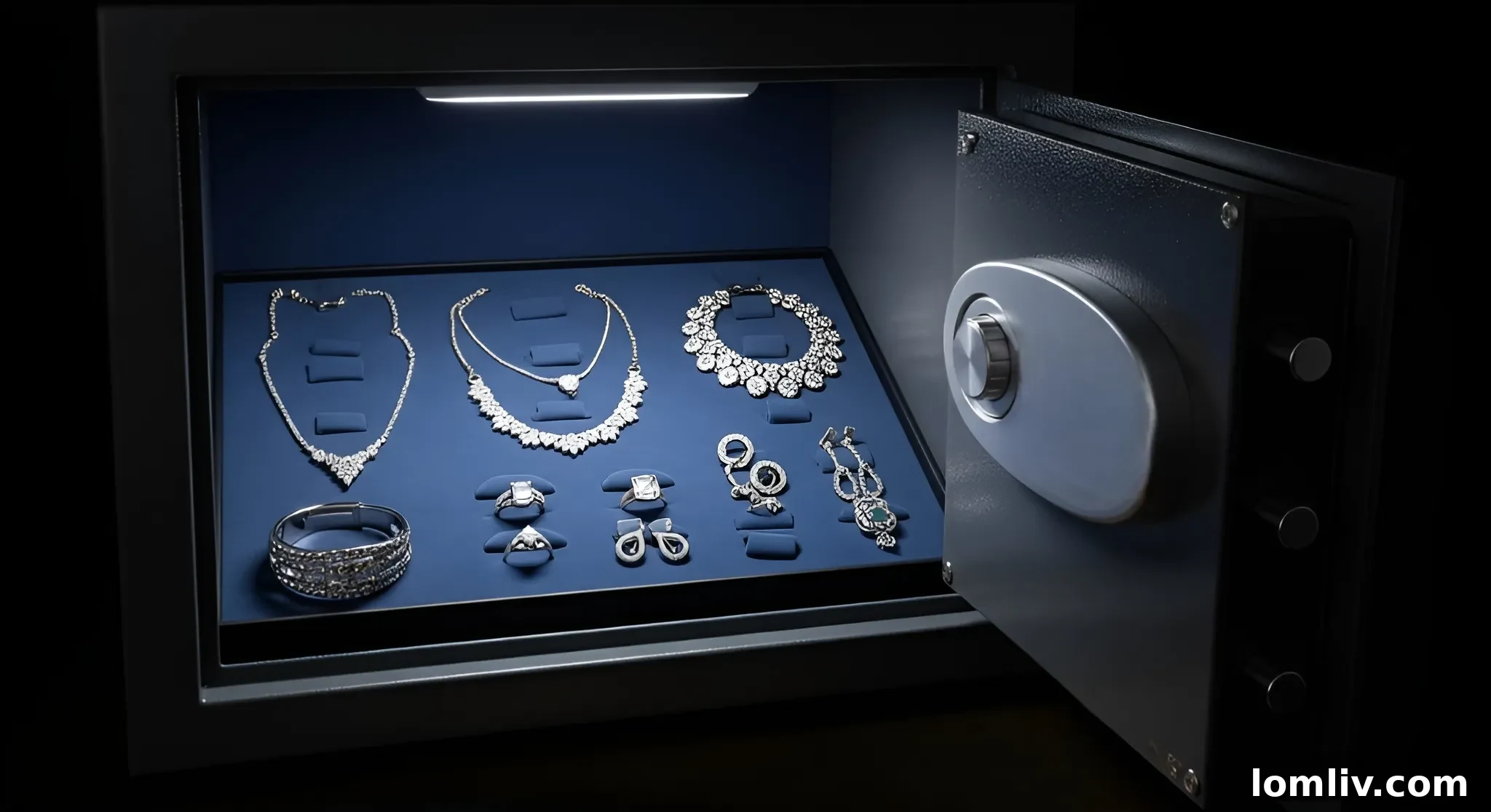
In an increasingly unpredictable world, safeguarding your most precious possessions and vital documents has become a top priority for homeowners. The concept of investing in a home safe might initially conjure images of elaborate vaults belonging to collectors of rare artifacts or high-value financiers. However, the reality is far more universal: a secure repository for your valuables is a prudent and often essential investment for almost any household. Modern home safes are not merely about deterring theft; they offer comprehensive protection against a multitude of threats, from accidental damage due to fire and flood to unauthorized access and the sheer disorganization that can lead to misplacing crucial items.
A well-chosen home safe provides unparalleled peace of mind, acting as a fortified stronghold for everything you deem irreplaceable. Whether your home is nestled in a quiet suburban cul-de-sac or bustling within a vibrant city center, the need for a dedicated, secure storage solution transcends geographical location and lifestyle. This guide delves into eight compelling indicators that suggest it’s time for you to seriously consider making space for a home safe, transforming it from a perceived luxury into an indispensable component of your home security strategy.
1. You Own Items That Are Irreplaceable or Extremely Valuable
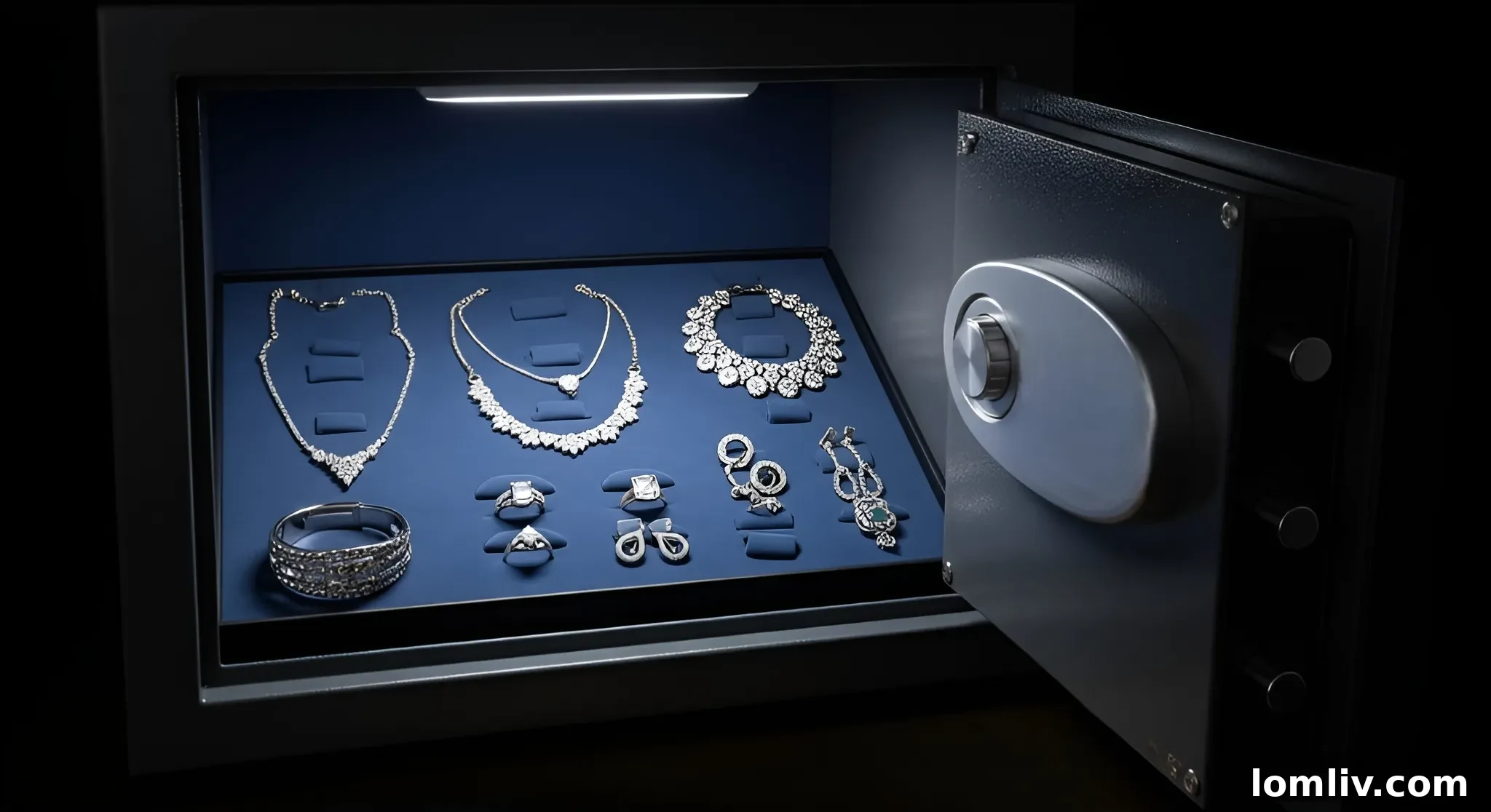
While seemingly obvious, this crucial point is frequently underestimated. Many homeowners possess items that carry immense monetary, sentimental, or historical value. We’re talking about heirlooms passed down through generations, unique pieces of jewelry like engagement or wedding rings, rare coin or stamp collections, signed memorabilia, or valuable art. The common thread among these items is their intrinsic worth, which often makes them difficult, impossible, or prohibitively expensive to replace should they be lost, stolen, or damaged. Leaving such treasures unsecured in a dresser drawer, a nightstand, or even a hidden spot beneath the bed is a significant gamble.
Statistics from the FBI reveal that the average dollar loss per home burglary can be substantial, often exceeding $2,700. This figure, however, does not quantify the profound emotional distress and irreplaceable sentiment attached to stolen items. Most burglaries are swift, opportunistic acts; thieves typically spend less than ten minutes inside a home, primarily targeting easily accessible valuables, particularly in the master bedroom. A robust home safe acts as a formidable deterrent, making it much harder for opportunistic thieves to make a quick grab. While a bank safe deposit box offers security, a home safe provides instant, 24/7 access to items you might need unexpectedly, such as passports for an urgent trip, spare house keys, or emergency cash funds, offering both security and convenience that a bank cannot match.
2. You Keep Important Documents at Home
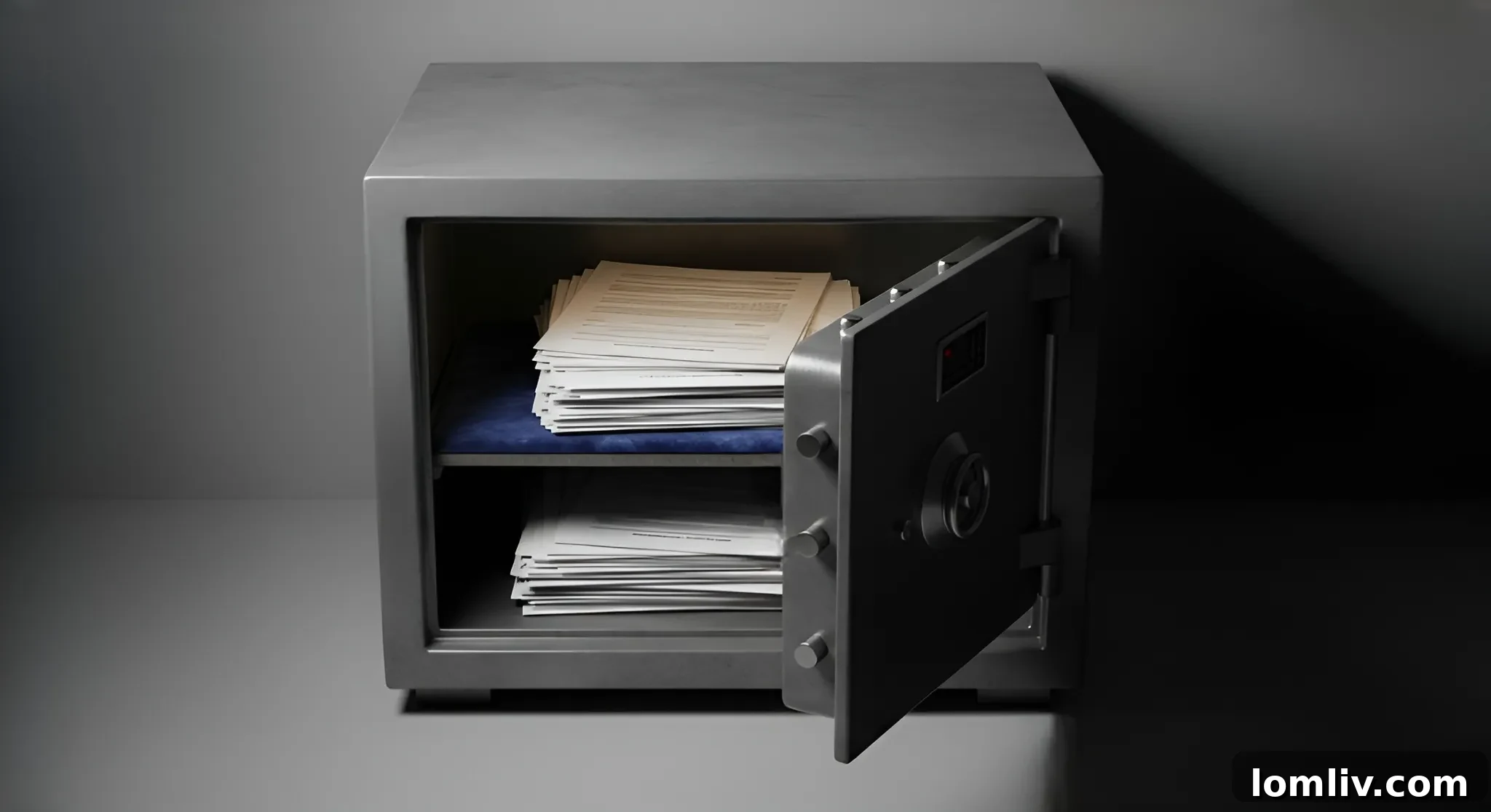
Consider the sheer volume of critical documents stored within your home, perhaps tucked away in a filing cabinet, a desk drawer, or even a less-than-ideal “junk drawer” in the kitchen. These invaluable papers form the bedrock of your personal and financial identity and future. Examples include:
- Original birth certificates and marriage licenses
- Social Security cards and other identification documents
- Life insurance policies and wills
- Property deeds, titles, and mortgage documents
- Medical directives and powers of attorney
- Tax records and investment statements
The loss or damage of any of these documents due to theft, fire, or flood can trigger an extensive, frustrating, and often costly bureaucratic ordeal to replace them. In some cases, certain historical or unique documents may even be impossible to fully restore, leading to significant legal or financial complications.
The superior solution is a certified fire-rated safe. When selecting one, look for a UL (Underwriters Laboratories) 1-hour fire rating, which signifies that the safe can protect paper contents at temperatures up to 350°F for at least 60 minutes. This critical window of protection is often sufficient during a typical house fire, which generally reaches its peak intensity within 10 to 20 minutes. Beyond fire, many safes also offer water resistance, which is vital for protecting documents against leaks, burst pipes, or floodwaters. Investing in such a safe ensures that your administrative life remains secure and accessible, even in the face of unforeseen disasters.
3. You Own Firearms
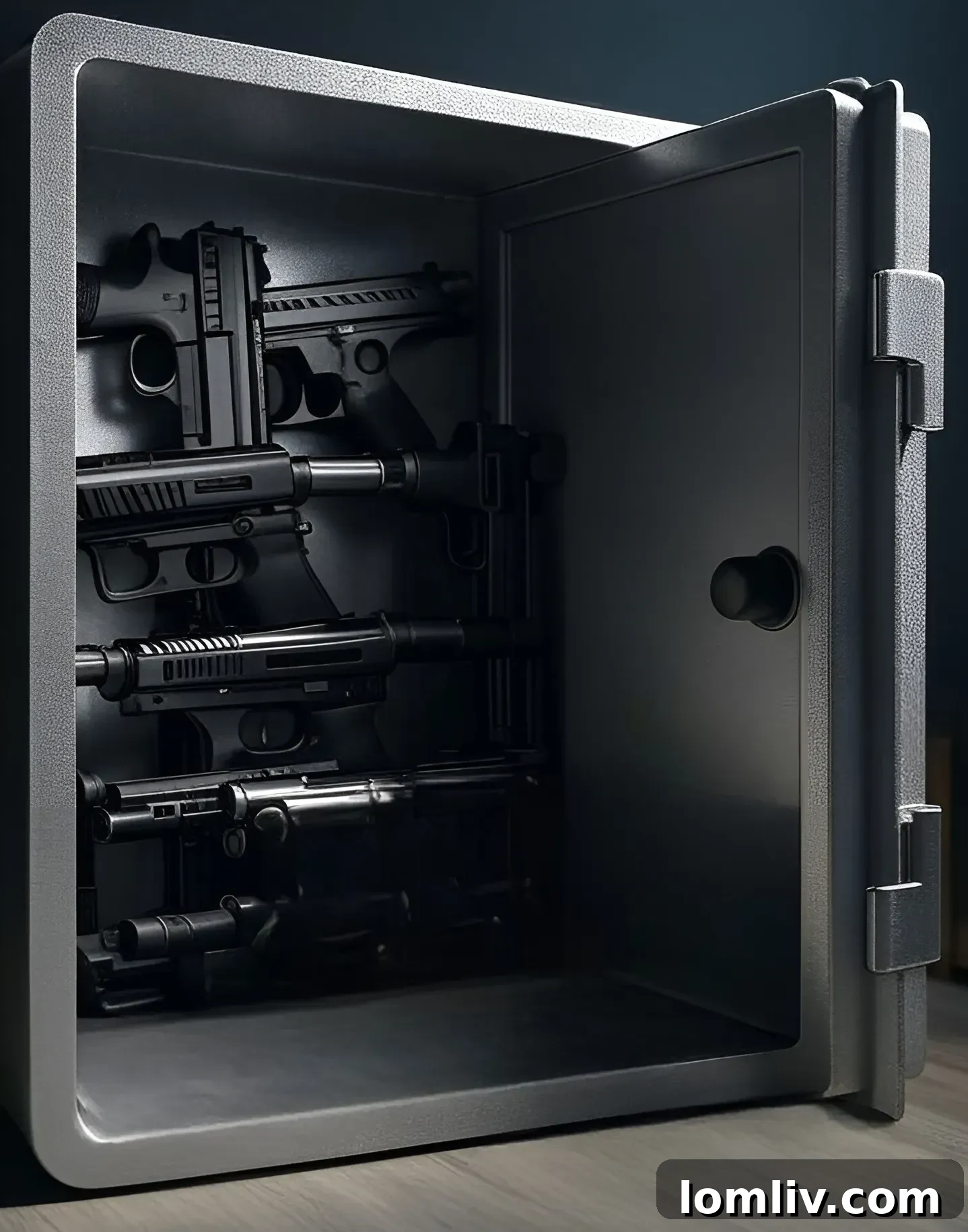
Responsible firearm ownership inherently includes secure storage. While specific laws regarding firearm storage vary significantly by state and locality, the universal principle is to prevent unauthorized access. This is particularly critical in homes with children, teenagers, or frequent visitors who may bring children. A secure, tamper-proof gun safe is not just a recommendation; it’s an essential safety measure. Beyond preventing tragic accidents, a proper gun safe offers robust protection against theft, safeguarding your firearms from falling into the wrong hands. It also mitigates potential liability issues that could arise from unsecured weapons.
Key features to prioritize when choosing a gun safe:
- Certifications: Look for approvals from relevant regulatory bodies, such as the California Department of Justice (CA DOJ) for locking mechanisms, which indicates a certain level of security and tamper resistance.
- Anchoring Capabilities: Ensure the safe has pre-drilled anchor points allowing it to be securely bolted to the floor or wall studs. This prevents burglars from simply carrying the safe away, even if they manage to locate it.
- Fire Resistance: Given the value and potential danger of firearms, fire resistance is a highly recommended feature. This protects the integrity of the weapons and any ammunition or related documents stored inside.
- Advanced Entry Systems: If your budget allows, biometric entry (fingerprint scanner) offers quick and secure access for authorized users while maintaining high security against others. Traditional dial or electronic keypad locks are also reliable options.
It is imperative to avoid using flimsy glass display cases or soft gun bags as your primary method of storage. These offer virtually no protection against theft, unauthorized access, or accidental discharge. A dedicated gun safe is an investment in safety, responsibility, and peace of mind.
4. You’re Away from Home Often
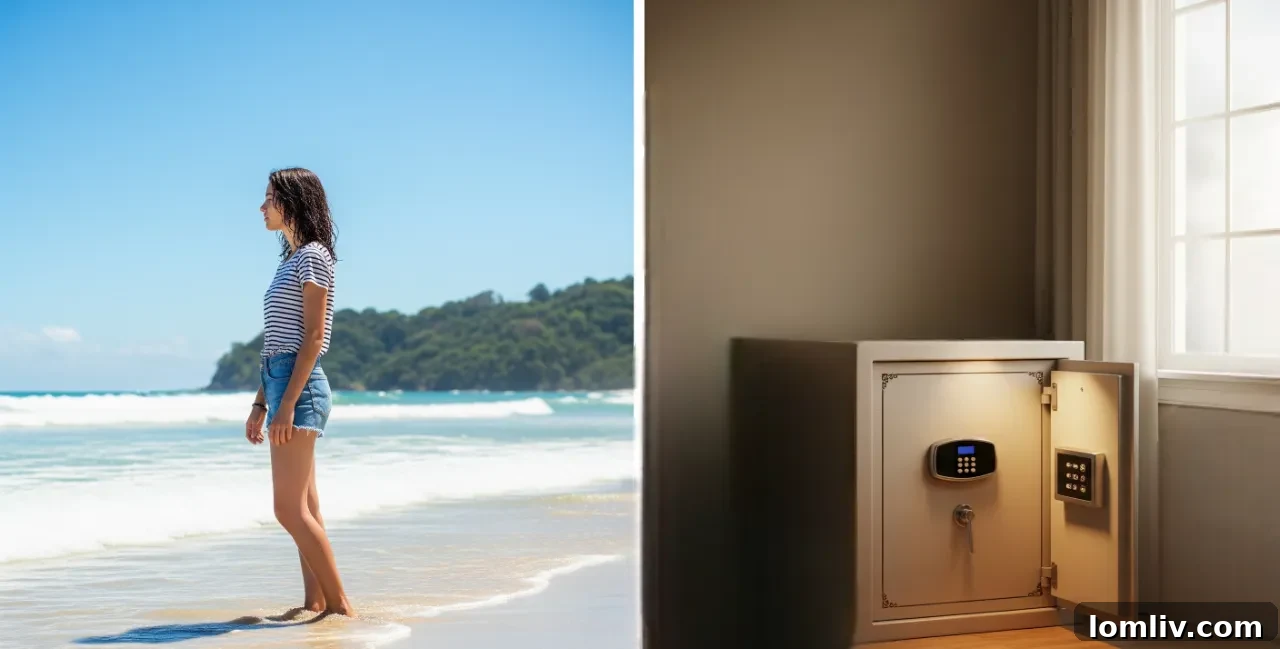
For individuals who travel frequently, work long hours away from home, or own multiple properties, the security risks amplify significantly. Any home left unoccupied for extended periods becomes a more attractive target for opportunistic burglars. Even with sophisticated home security systems, including cameras and monitored alarms, break-ins can still occur. While an audible alarm might deter a thief and prompt a quick exit, a robust, bolted-down safe is designed to prevent them from leaving with your most valuable possessions.
Recent data underscores this vulnerability: a 2024 report by Deep Sentinel highlighted a significant trend, noting that homes left vacant for more than four days experienced a 32% increase in targeted theft attempts, particularly in mid-range neighborhoods. This statistic serves as a stark reminder that physical security measures are indispensable, even when combined with electronic surveillance.
A home safe, especially one that is professionally installed and secured to the floor or a wall, adds a critical layer of physical deterrence. Burglars typically seek quick gains and will often abandon attempts to open a sturdy safe if it prolongs their time inside the property, increasing their risk of detection. This makes a home safe an invaluable asset for anyone whose lifestyle frequently takes them away from their primary residence, offering reassurance that their most cherished items are protected during their absence.
5. You Live in a High-Crime Area

This point isn’t intended to instill fear, but rather to encourage a realistic assessment of your home’s vulnerability. Neighborhood dynamics can evolve, with new construction bringing in transient populations, and crime rates shifting over time. If your local area has experienced an increase in burglaries, or if your home’s location makes it easily accessible from public thoroughfares, alleys, or secluded areas, then a home safe becomes an indispensable extra layer of security. It supplements your existing security measures, reinforcing your home’s defenses against external threats.
Factors that can classify a home as high-risk for burglary:
- Accessibility: Properties with minimal fencing, hedges that obscure visibility, or homes directly adjacent to main roads, parks, or undeveloped lots.
- Security Weaknesses: Unlocked garages or sheds that provide easy entry points or tools for forced entry.
- Visibility of Valuables: Homes where expensive electronics, jewelry, or other tempting items are easily visible from windows or doors.
- Lack of Community Vigilance: Neighborhoods with low resident engagement or where neighbors don’t actively look out for one another.
While a safe cannot prevent a break-in from occurring, its presence drastically minimizes potential losses. Knowing that your most valuable items are secured within a formidable barrier provides invaluable peace of mind, especially when your exterior security might have limitations or when you live in an area with elevated risk. It shifts the equation from potential total loss to one where the most cherished items are likely to remain intact.
6. You Struggle to Stay Organized

Beyond its primary function of security, a home safe serves as an excellent organizational tool, providing a single, secure repository for all your critical items. If you frequently find yourself scrambling to locate your birth certificate when renewing a driver’s license, searching for that elusive passport before an international trip, or trying to remember where you stashed your backup hard drive, a safe can bring order to the chaos. It consolidates all your important papers, small valuables, and essential digital backups into one designated, locked location, eliminating the stress of frantic searches.
Many homeowners discover that once they install a safe, they are far less likely to misplace essential documents or valuables. The very act of having a dedicated, highly secure spot encourages a habit of organized storage. This means less time wasted searching and more assurance that everything you need is exactly where you expect it to be.
To maximize the organizational benefits, consider using fireproof file folders or document bags inside your safe. Label them clearly for easy identification, perhaps by category (e.g., “Identification,” “Financial,” “Property,” “Heirlooms”). Furthermore, creating a laminated contents list and storing it inside the safe can serve as a quick reference, ensuring you never forget what precious items or vital documents are protected within its walls. This systematic approach transforms the safe into a central hub for your most critical assets.
7. Worried about fires, floods, or other disasters

While theft is a common concern, natural disasters and unforeseen accidents pose equally significant threats to your valuables and critical documents. House fires can obliterate paper records and melt electronics in minutes. Similarly, water leaks, burst pipes, and widespread natural disasters like floods can render documents illegible and destroy electronic devices. Many homeowners mistakenly believe that their insurance policy will fully cover such losses. However, the reality can be far more complex, especially when it comes to proving ownership or the value of items without original receipts, photographs, or official paperwork, which themselves might be destroyed in the disaster.
A purpose-built safe offers vital protection against these environmental hazards.
When considering a disaster-resistant safe, look for these crucial features:
- Superior Fire Rating: Prioritize a safe with a robust fire rating, ideally at least 1 hour at 1,700°F. This high threshold provides substantial protection for both paper documents and digital media from intense heat.
- Water Resistance: Seek out safes that are UL or ETL verified for water resistance. This certification typically involves tests where the safe is submerged or sprayed with water for 15-30 minutes, ensuring its contents remain dry even during flooding or when exposed to firefighter hoses.
- Strategic Location: The placement of your safe is critical. Install it above basement level to mitigate flood risk, off the floor using paver blocks or a bolted platform, and critically, never directly next to plumbing pipes that could burst. If a basement installation is unavoidable, elevating the safe significantly reduces potential water damage from sump pump failures or groundwater intrusion.
By taking these preventative measures, you can ensure that even in the wake of a devastating fire or flood, your most vital documents, sentimental items, and irreplaceable digital backups remain intact and accessible, significantly easing the recovery process.
8. Your Insurance Policy Rewards It
An often-overlooked benefit of owning a high-quality home safe is its positive impact on your home insurance policy. Many home insurance providers recognize the enhanced security offered by a UL-rated safe and are willing to reward homeowners for taking such proactive steps. This can manifest in several beneficial ways:
- Lower Premiums: Some insurers offer discounts on annual premiums for homeowners who install certified safes, viewing them as a significant reduction in risk.
- Higher Coverage Limits: For particularly valuable items like jewelry, art, or rare collections, standard policies often have sub-limits. Having these items secured in a verified safe might allow for higher coverage limits without needing to purchase separate riders or endorsements, or at least reduce the cost of such additional coverage.
- Waived Documentation Requirements: In the unfortunate event of a loss, some insurers may be more flexible or even waive stringent documentation requirements for items that were provably secured within a verified safe. This can simplify the claims process and ensure faster reimbursement.
It is always prudent to contact your current home insurance provider to inquire about their specific policies regarding home safes. You might discover that the savings on your premiums or the added security benefits could make the safe pay for itself within a few years, making it a sound financial investment.
To further bolster your insurance claims and personal records, meticulously document all valuables stored in your safe. This includes taking clear photographs, keeping original receipts, and recording serial numbers for electronics and firearms. Store this comprehensive inventory on an encrypted USB drive inside the safe for immediate access, and also back it up to a secure cloud service with robust two-factor authentication. This dual approach ensures your proof of ownership is safeguarded against various potential losses.
Final Thoughts: Should You Invest in a Home Safe?
While a home safe may not be a universal necessity for every single household, for a significant majority of homeowners, it represents a remarkably practical and cost-effective solution to a range of common security and organizational challenges. Far from being an extravagant luxury, a modern home safe quietly addresses several critical concerns:
- It effectively protects your most cherished and valuable possessions from opportunistic burglars and more determined thieves.
- It acts as a robust shield, safeguarding irreplaceable documents and sentimental items against the destructive forces of fire and flood.
- It provides a centralized, secure location, bringing order to critical paperwork and digital backups, eliminating the stress of misplacement.
- It assists in meeting legal obligations for secure storage, particularly for firearms, and can positively influence your home insurance benefits.
- Ultimately, it delivers an invaluable sense of security and peace of mind, whether you’re at home or away.
When you weigh the average cost of a quality mid-range home safe, typically ranging from $200 to $700, against the potential losses of irreplaceable valuables, vital documents, or the emotional distress associated with theft and disaster, it emerges as a relatively modest investment for long-term security. Installation is often straightforward, involving simply bolting it to the floor or securing it within a discreet spot in a closet, making it an accessible upgrade for most homes.
If you find that two or more of the eight signs detailed above resonate with your personal circumstances, it’s time to re-evaluate your perception of a home safe. It should no longer be viewed as an optional accessory but rather as an essential component of comprehensive home protection. Entrusting what matters most to chance, a flimsy drawer, or an unsecured hiding spot is a risk simply not worth taking when a robust, reliable safe offers such comprehensive and affordable security.