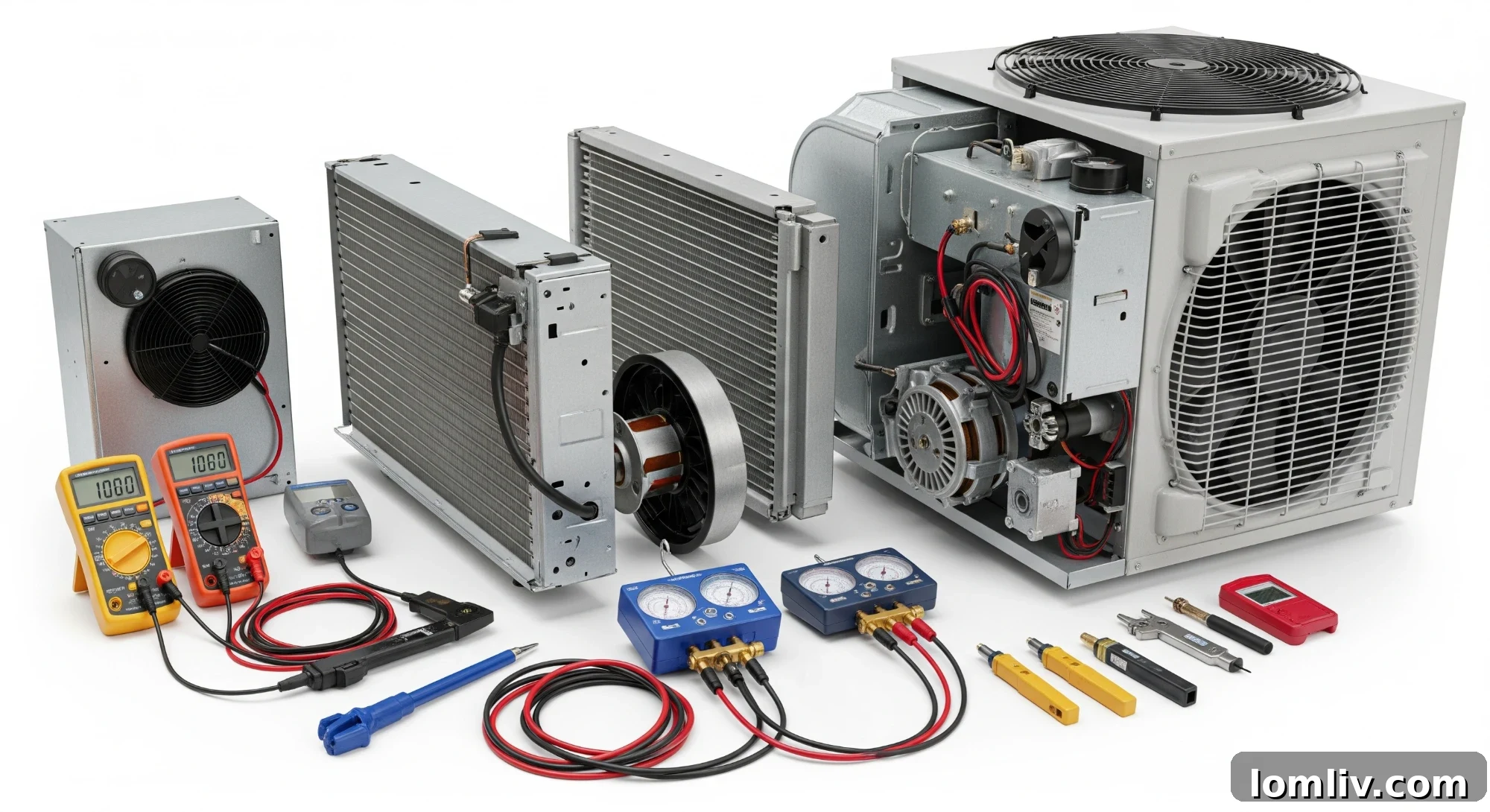

In the vast expanse of Texas, the heat isn’t just a season; it’s a relentless force that demands respect. It makes an early entrance, often well before summer officially begins, and tends to linger long after the leaves start to turn. The air thickens, windows remain tightly sealed, and while ceiling fans might offer a fleeting whisper of relief, they are rarely enough to conquer the pervasive warmth. This is precisely when a home’s HVAC system, often an unsung hero, silently steps up to the plate, transforming an oppressive environment into a comfortable sanctuary.
True comfort in a Texas home doesn’t begin with plush furniture or decorative accents; it starts with a reliable and efficient HVAC system. A house that can quickly cool down and maintain a consistent, comfortable temperature throughout the sweltering day becomes more than just a living space. It becomes truly functional, enabling peaceful sleep, boosting productivity for those working or studying from home, and supporting the myriad small routines that make a house feel like a cherished home. Without an effective cooling system, the very essence of daily life can be disrupted.
The significance of your HVAC system extends far beyond mere temperature control. It encompasses crucial aspects like routine inspections, understanding its energy efficiency, and managing rising utility costs. It’s about ensuring that one of the most vital and expensive components of your home is robust enough to perform flawlessly precisely when it’s needed most. For prospective homebuyers, this translates into asking insightful, specific questions about the HVAC unit. For sellers, it means being prepared with transparent, documented answers that demonstrate a diligent approach to maintaining this essential home system. Ignoring the HVAC system can lead to unexpected expenses, discomfort, and even diminished home value.
1. How Old Is the HVAC System and What’s Its Maintenance History?
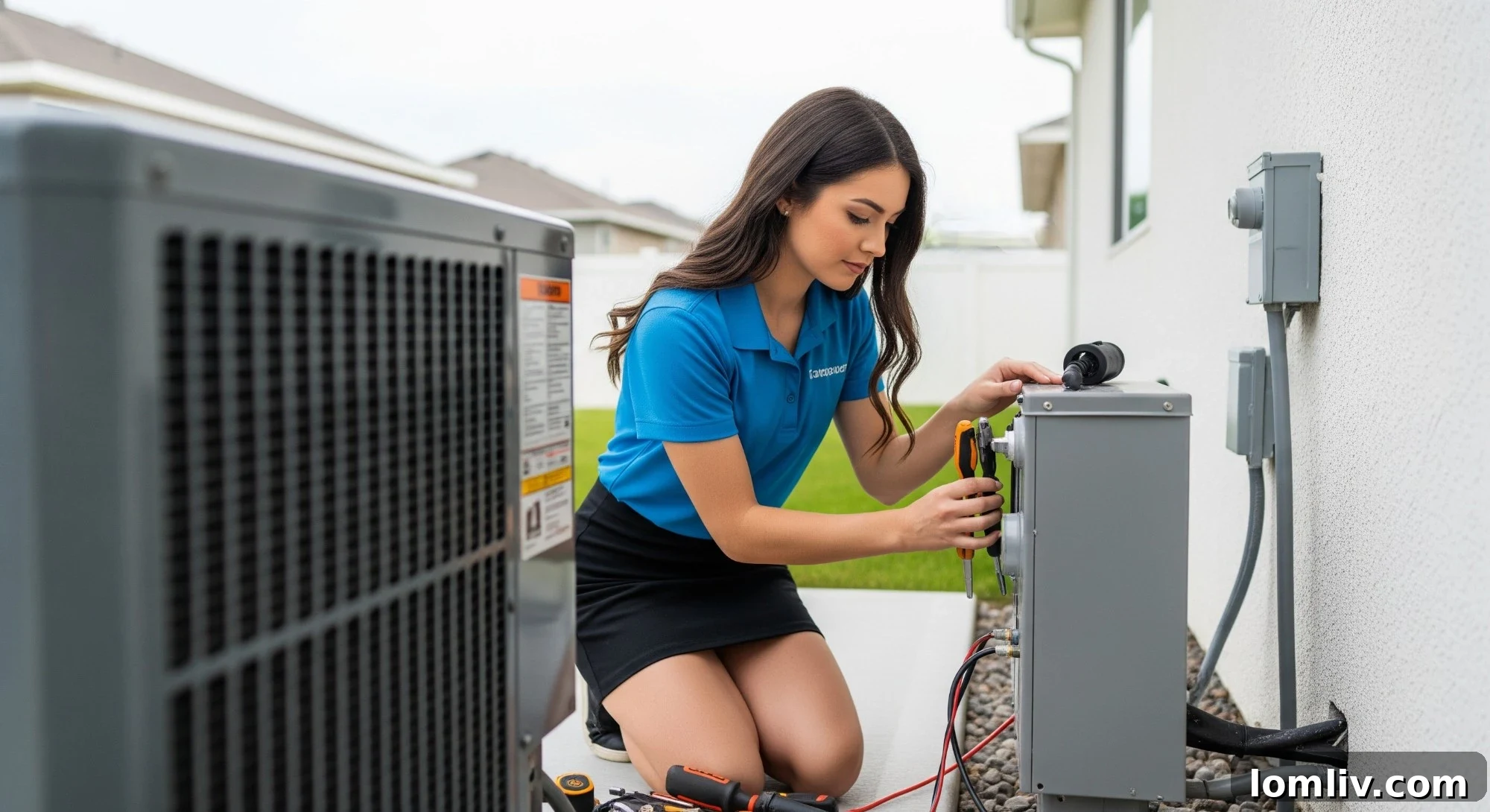
The age of an HVAC system is a critical indicator of its remaining lifespan and potential for future repairs. In the United States, the average lifespan for a central air conditioning unit or furnace typically ranges between 10 and 15 years. However, in climates like Texas, where systems are subjected to prolonged, intensive use for cooling, this window can often be shorter, especially if the unit hasn’t received consistent professional servicing. Understanding the system’s age provides a baseline, but its maintenance history tells the real story.
Detailed service records offer far more insight than a simple age estimate. A 12-year-old system that has undergone annual maintenance checks, regular filter replacements, and prompt repairs by licensed professionals can easily outperform a five-year-old unit that has been neglected. Such documentation from certified HVAC technicians provides crucial confidence and clarity, whether you are buying or selling a house. These records aren’t just for buyers’ peace of mind; they are also invaluable to home inspectors, appraisers, and lenders, who rely on them to assess the overall condition and value of the property. A well-maintained system suggests a responsible homeowner and can significantly streamline the transaction process, minimizing last-minute surprises.
2. How Efficient Is the System According to SEER, SEER2, AFUE, or HSPF Ratings?
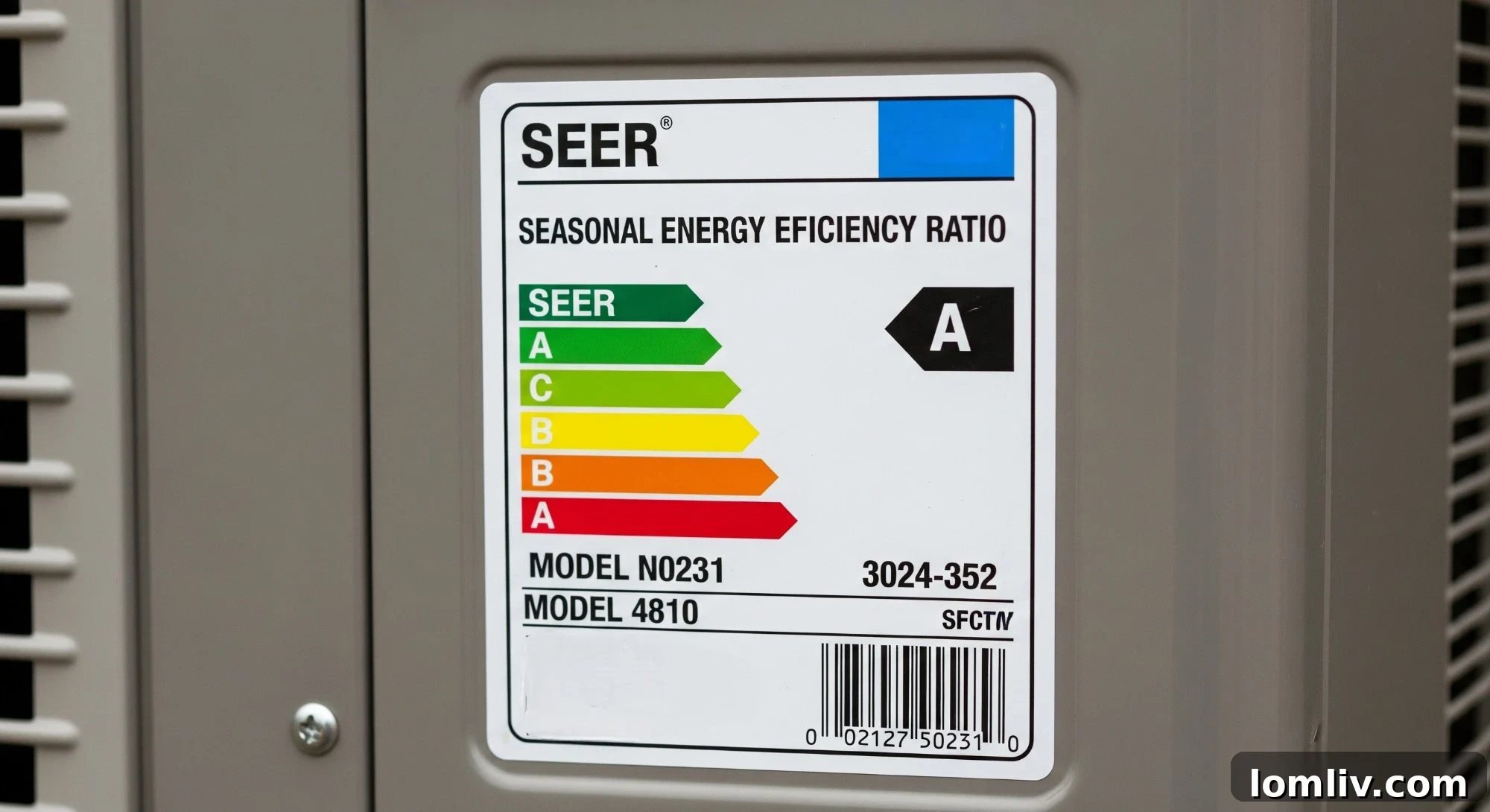
In an era of rising energy costs and increased environmental awareness, efficiency ratings are more crucial than ever for HVAC systems. These ratings directly impact your monthly utility bills and your home’s environmental footprint. Newer systems are typically designed with higher efficiency scores, translating into tangible savings over the lifetime of the unit. For instance, in 2023, federal minimum efficiency standards for air conditioners in the South region, including Texas, were updated, raising the minimum SEER (Seasonal Energy Efficiency Ratio) requirement to SEER2 14.3. This regulatory change makes it easier to identify older, less efficient systems that might be costing homeowners more than they realize.
Each rating serves a specific purpose for different types of HVAC equipment:
- SEER (Seasonal Energy Efficiency Ratio) is the standard measurement for air conditioners, indicating how efficiently a cooling system operates over an entire cooling season. A higher SEER rating signifies greater efficiency.
- SEER2 is an updated metric reflecting new testing procedures that provide a more accurate depiction of real-world energy consumption. When comparing systems, ensure you are comparing like-for-like (SEER to SEER, or SEER2 to SEER2).
- AFUE (Annual Fuel Utilization Efficiency) is used to measure the efficiency of furnaces, specifically how effectively they convert fuel into heat. A higher AFUE percentage means more of the fuel is used for heating and less is wasted.
- HSPF (Heating Seasonal Performance Factor) applies exclusively to heat pumps, measuring their heating efficiency. Similar to SEER, a higher HSPF rating indicates a more efficient heat pump, which is particularly relevant in areas with milder winters or where heat pumps are used for both heating and cooling.
Understanding these ratings allows buyers to estimate future energy costs and empowers sellers to highlight one of their home’s key selling points, especially if the system boasts superior efficiency.
3. Has the System Been Regularly Serviced?
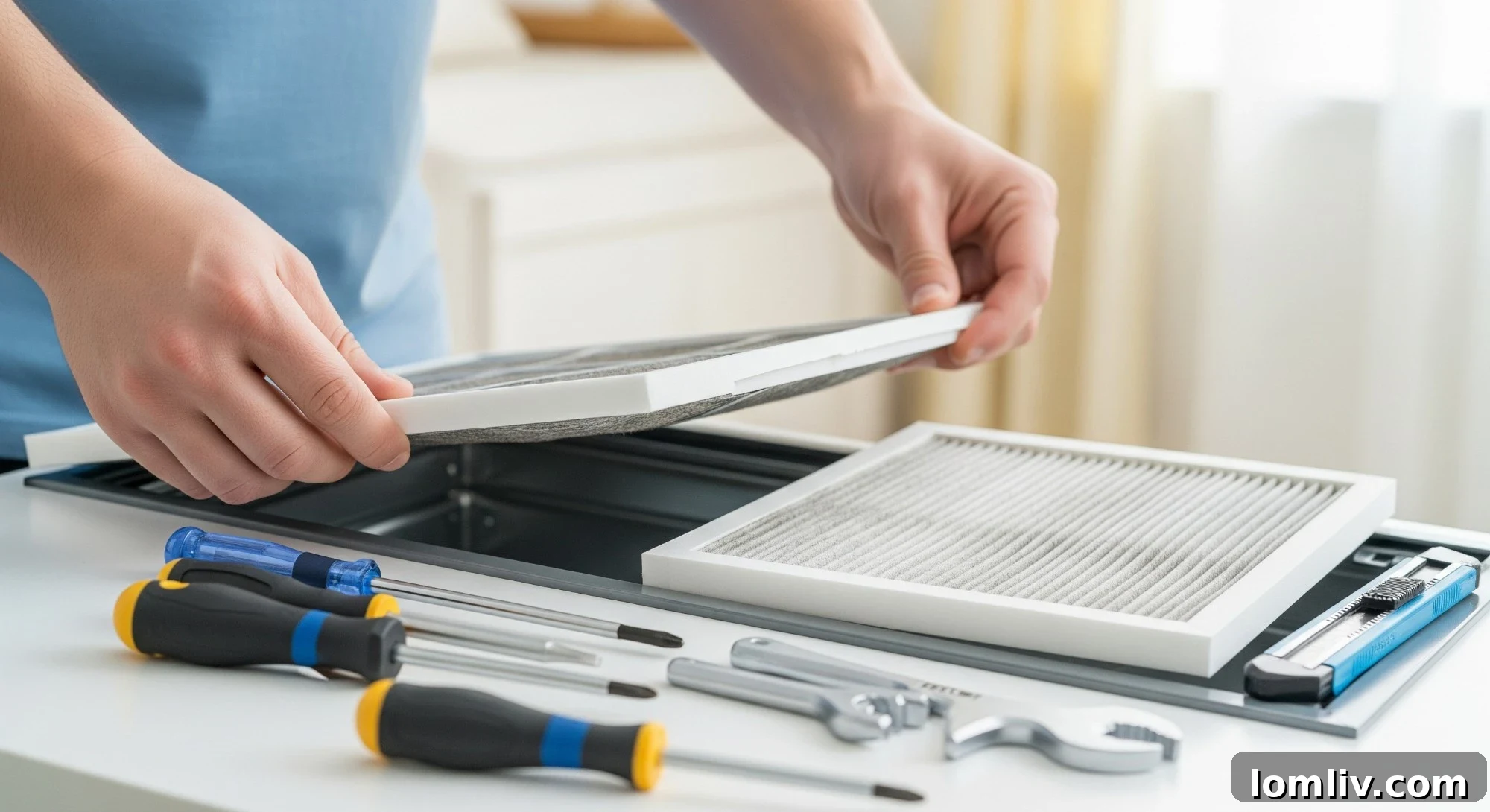
Consistent, professional maintenance is the backbone of an efficient and safe HVAC system. Just like a car needs regular oil changes and tune-ups, your home’s heating and cooling system requires periodic attention to perform optimally. Annual or bi-annual tune-ups typically involve a comprehensive checklist: filter replacements (which should ideally be done monthly by the homeowner), refrigerant level checks and adjustments, thermostat calibration to ensure accurate temperature readings, and thorough cleaning of critical internal components like evaporator and condenser coils, and blower motors. These preventative measures catch small issues before they escalate into costly breakdowns and ensure the system runs at peak efficiency.
Without this vital regular care, HVAC systems inevitably lose efficiency over time and are far more prone to premature failure. According to the Building Performance Institute, a neglected system can lose up to 15 percent of its efficiency annually. This isn’t just an abstract statistic; it translates directly into higher monthly energy bills for the homeowner, essentially leaving money on the table due to wasted energy. Moreover, a system working harder than it should will experience accelerated wear and tear, leading to more frequent and expensive repairs, and ultimately, a shorter operational lifespan. Investing in maintenance extends the life of the unit and reduces running costs.
Certified HVAC professionals log service details meticulously. This documentation serves as tangible proof that a system has been respected, cared for, and proactively maintained. Such records instill confidence in prospective buyers, demonstrating transparency and a commitment to home upkeep. Furthermore, home inspectors will recognize and appreciate this level of diligence, often reflecting positively on their assessment of the property’s overall condition.
4. Are There Any Known Issues Like Leaks, Compressor Failures, or Electrical Flaws?
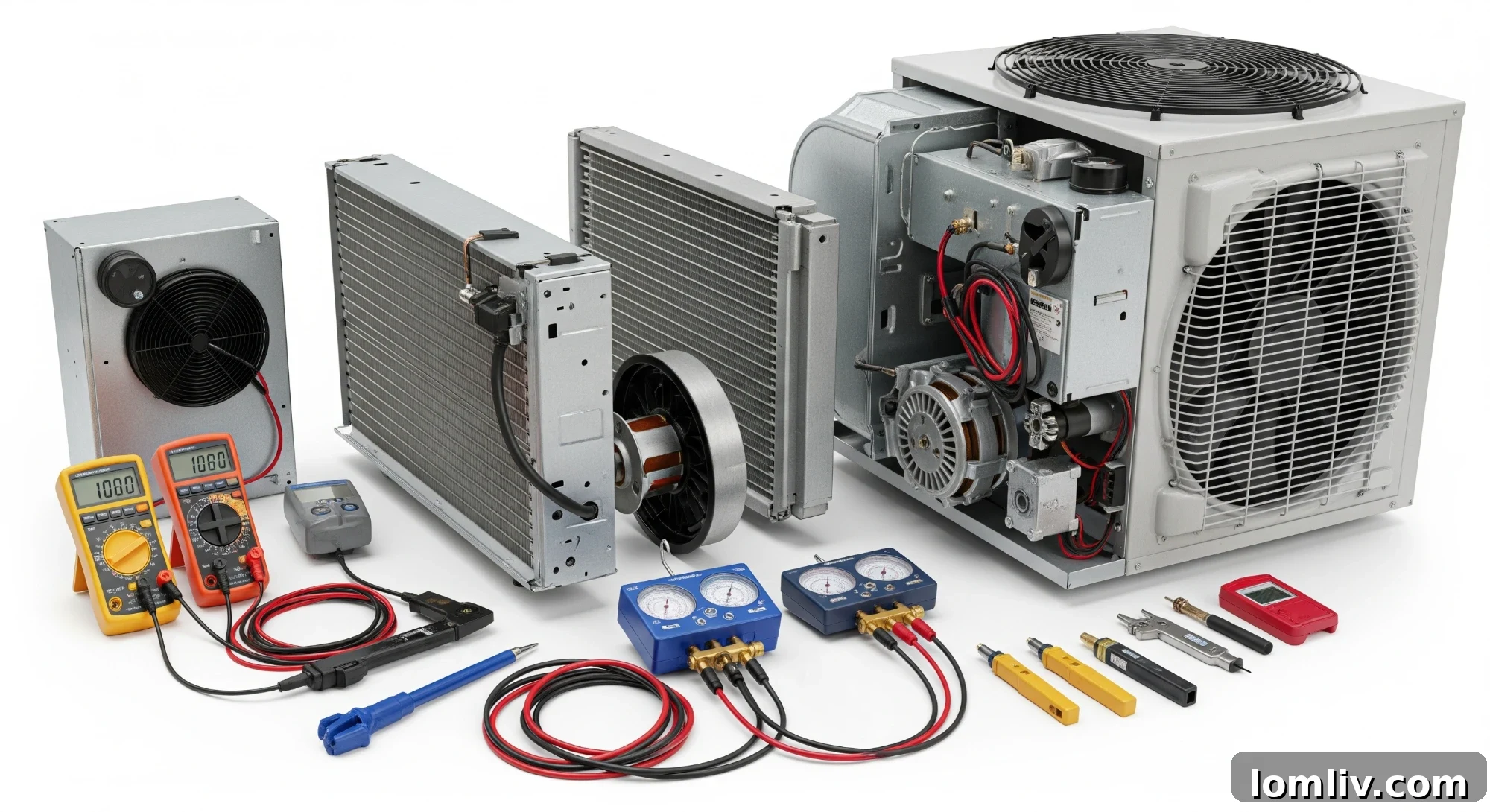
HVAC systems are intricate and contain numerous components that, if faulty, can lead to expensive repairs. It is absolutely crucial for prospective buyers to directly inquire with the seller about any past or current major issues. Key problems to ask about include refrigerant leaks, which can indicate serious underlying issues and are environmentally damaging; electrical problems, which pose safety hazards and can cause system malfunctions; and compressor failures, which are often the most expensive component to replace and can necessitate an entire system overhaul. A candid discussion about these potential issues provides vital transparency.
Such significant repairs are not only costly but often signal deeper, systemic problems within the unit. While a recent, isolated repair might not be a dealbreaker if properly documented and fixed, a history of recurring issues, particularly those involving major components, should prompt further investigation. Persistent problems could indicate a poorly installed system, an undersized unit struggling to meet demand, or an aging system on the verge of total failure. Requesting a comprehensive repair history allows buyers to identify systems that may appear functional during a brief walkthrough but could be concealing significant, lurking issues behind vent covers or inside the outdoor unit.
Even if no major issues are reported, it’s advisable to have an independent, licensed HVAC technician perform a thorough inspection. They can identify subtle signs of wear, potential future problems, or issues that might have been overlooked. This proactive step can save thousands of dollars in unexpected repair costs down the line and ensure peace of mind.
5. What’s the Condition and Layout of the Ductwork?
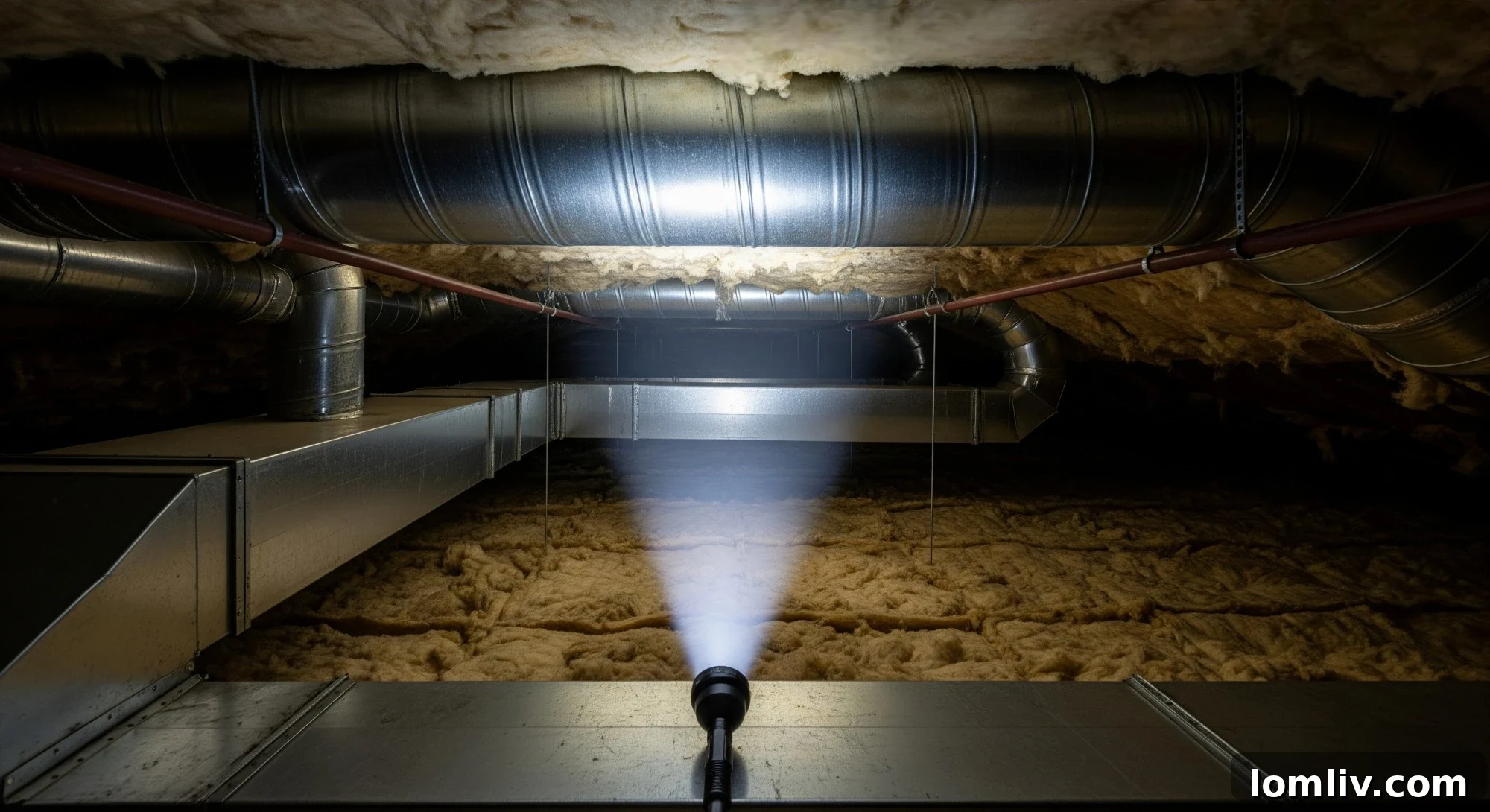
The ductwork functions as the circulatory system of your home’s HVAC unit, responsible for distributing conditioned air throughout the entire living space. Even the most efficient HVAC system cannot perform effectively if its delivery mechanism is compromised. Issues such as disconnected sections, kinks that restrict airflow, or inadequate insulation can lead to significant energy waste, inconsistent temperatures from room to room, and noticeably higher utility bills across the board. These problems are often invisible during a casual walkthrough but manifest as persistent discomfort and financial drain.
According to ENERGY STAR, a staggering amount of conditioned air—as much as 20 percent—can be lost due to leaks, holes, or poorly sealed connections within the duct system. This means that one-fifth of the air you pay to heat or cool never reaches its intended destination. The result is not just discomfort but also a system that has to work much harder and longer to achieve desired temperatures, accelerating wear and tear and increasing energy consumption. This inefficiency is a silent killer of comfort and a constant drain on your wallet.
Furthermore, the physical layout and design of the ductwork profoundly influence how air flows and is distributed throughout each floor of a home. In multi-story residences, a poorly designed or unbalanced duct system can create frustrating hot upstairs zones while downstairs rooms remain frigid, or vice-versa. Proper sizing, strategic placement, and meticulous sealing of ducts are crucial for achieving uniform temperatures and optimal airflow. A well-designed, balanced duct system can completely transform a home’s climate, ensuring even distribution of conditioned air and maximizing the efficiency of your HVAC unit. It’s a component often overlooked but critical for overall system performance and home comfort.
6. Is the Home Zoned or Are Multiple Units Installed?
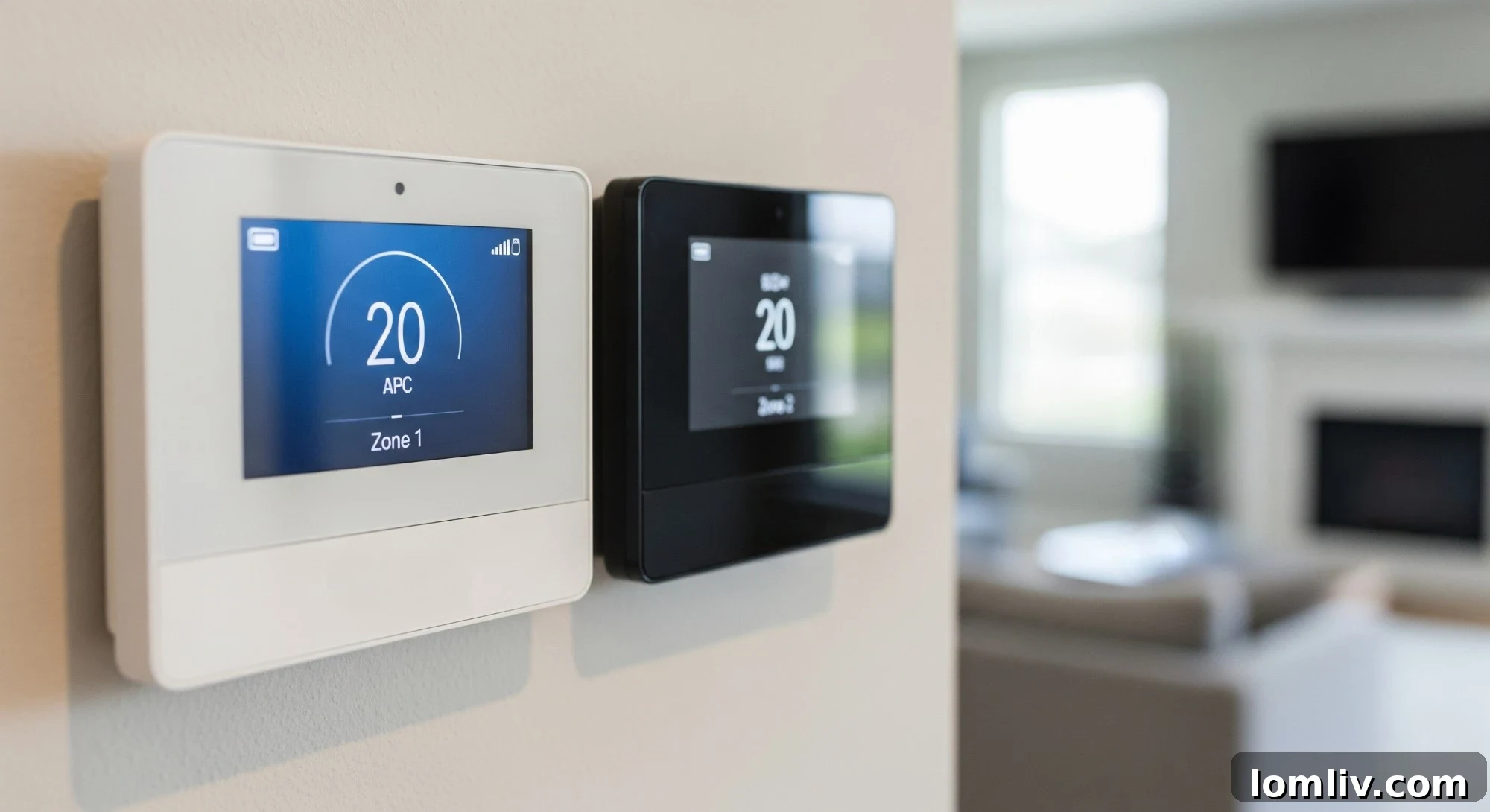
For larger homes or properties with multiple levels and distinct living areas, climate zoning or the installation of multiple HVAC units can dramatically enhance comfort and energy efficiency. Zoning systems divide a home into specific areas, or “zones,” each with its own thermostat. This allows for customized temperature control in different parts of the house based on occupancy, time of day, or individual preferences. This setup avoids overworking a single system to cool or heat unused rooms, leading to significant energy savings and prolonged equipment life.
In many newer construction homes, zoning systems are becoming increasingly common due to their inherent benefits. For example, one thermostat might control the upstairs bedrooms, allowing for cooler temperatures at night, while another manages the downstairs living areas, optimizing comfort during the day. Each space receives precisely the amount of heating or cooling attention it needs, improving overall comfort without driving up energy bills. This intelligent approach to climate control represents a significant upgrade from single-zone systems.
Older homes, however, frequently rely on a single, centralized system to condition the entire layout. While this doesn’t automatically imply poor performance, it certainly warrants extra evaluation. A single system in a large, multi-story home might struggle to maintain consistent temperatures throughout, especially if the ductwork is not perfectly balanced. Understanding whether a home employs zoning or multiple units is key to assessing its energy efficiency potential and the level of personalized comfort it can offer. This knowledge can also inform future upgrade decisions and budget planning for energy management.
7. Was the HVAC System Installed by a Licensed Professional and Properly Permitted?
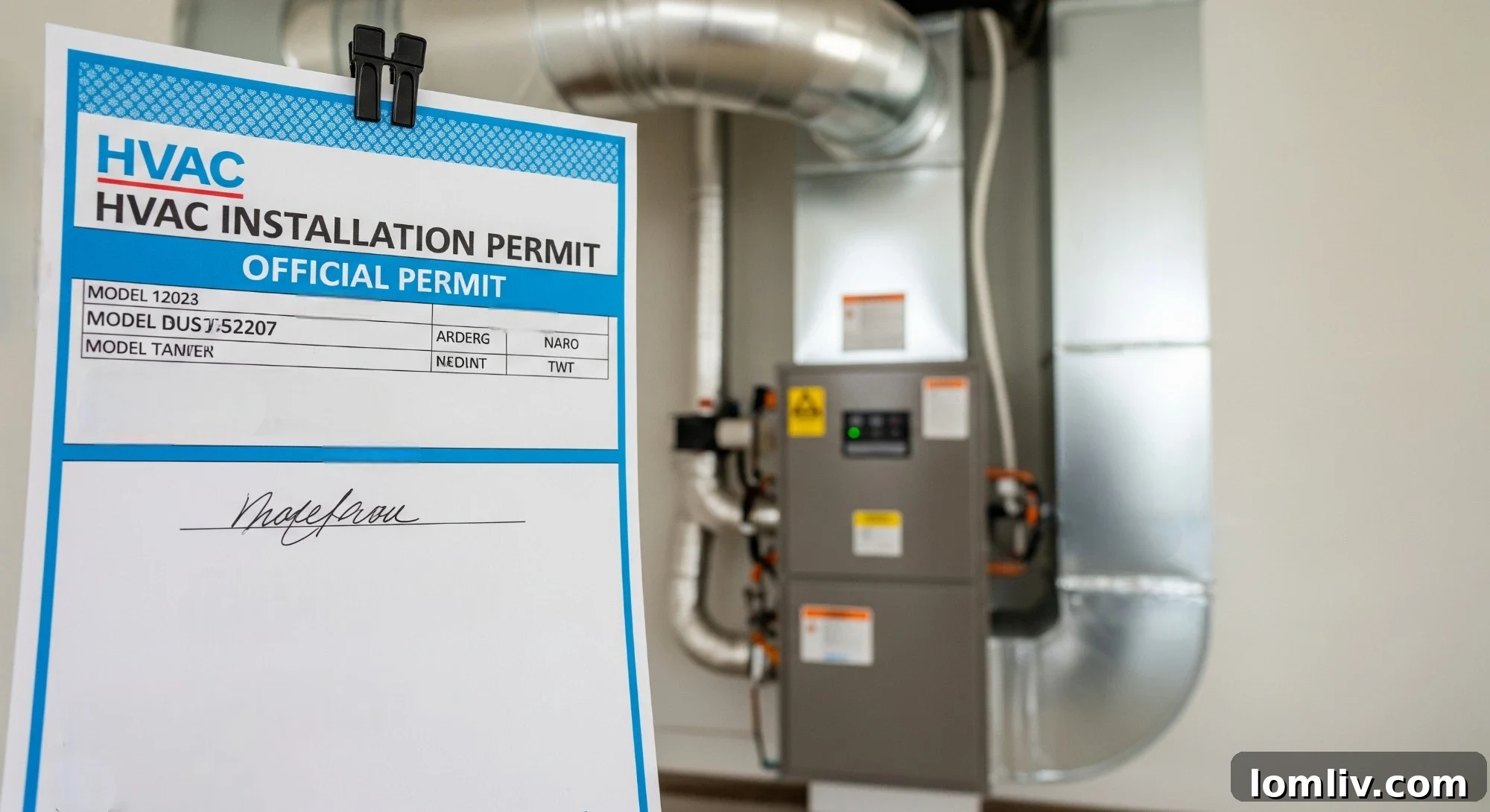
While a quick functional test during a home walkthrough might confirm the HVAC system blows air, it tells only a fraction of the story. To truly understand the integrity and compliance of an HVAC installation, a deeper, expert examination from a licensed HVAC technician is indispensable. These professionals possess the specialized knowledge and tools to evaluate critical aspects, including accurate airflow measurements, adherence to local building codes, electrical safety, and correct refrigerant pressure levels. They can identify improper installations that might not be immediately apparent but could lead to significant problems down the road, compromising both efficiency and safety.
Crucially, when a new HVAC system or major components are installed, proper permits should always be pulled from the local municipality. Following the installation, mandated inspections should have been conducted and passed. This permitting and inspection process is designed to confirm that the work meets all relevant state and municipal safety and building standards. It provides an official verification that the installation was performed correctly and safely, ensuring compliance with regulations and protecting the homeowner from potential liabilities.
Having this essential documentation—proof of professional installation, permits, and inspection records—readily available makes the entire home buying or selling process significantly smoother for everyone involved. From the lender assessing the property’s value to the buyer seeking assurance and the appraiser evaluating system integrity, verifiable documentation instills confidence and minimizes potential roadblocks. Without it, there’s always an element of doubt regarding the quality and legality of the installation, which can lead to delays, negotiations, or even necessitate costly re-inspections or remedial work.
Quick Tips for Buyers and Sellers
The HVAC system, though often out of sight and out of mind, is a foundational consideration when transacting a home, particularly in demanding climates like Texas. Neglecting its condition can lead to significant financial headaches and discomfort. Here are some actionable tips for both buyers and sellers to gain clarity and leverage regarding a home’s HVAC:
Buyers
Discovering an older HVAC system isn’t necessarily a dealbreaker, especially if it’s been well-maintained. However, when a professional home inspection uncovers outdated components, glaring inefficiencies, or a spotty maintenance history, this information transforms into a powerful negotiation tool. Leverage these findings to confidently request seller credits towards a new system, immediate repairs, or a justifiable adjustment to the asking price. Solid, informed insight into the HVAC system’s condition quickly translates into significant negotiating power, potentially saving you thousands of dollars and ensuring immediate comfort upon moving in.
Sellers
Proactivity is key. Before officially listing your home, schedule a professional HVAC tune-up and a thorough system check. Having up-to-date inspection paperwork, detailed service records from licensed technicians, and clear documentation of any recent repairs on hand can significantly build buyer confidence. Presenting a well-maintained system with transparent records shows responsibility and care, often making the transaction go more smoothly, reducing buyer apprehension, and potentially justifying a stronger asking price for your property. A well-vetted HVAC system is a significant asset in a competitive market.
Final Thoughts
The HVAC system stands as one of the most critical and expensive components of any home, a truth amplified exponentially in regions with extreme climates, such as the relentless heat of Texas. Its proper functioning is not merely a matter of comfort but also directly impacts a home’s energy efficiency, indoor air quality, and overall value. Therefore, taking the time to ask these seven essential questions and diligently gather all relevant documents is not just a recommendation; it’s a vital step in responsible home ownership and transaction.
This comprehensive due diligence helps to circumvent the stressful, last-minute panic that often creeps up just before closing, allowing for a more serene and confident purchase or sale. Moreover, a well-documented and efficiently operating HVAC system clearly communicates that the home has been cared for thoughtfully, responsibly, and intentionally by its previous owners. This level of stewardship can significantly enhance a home’s appeal and value in the eyes of prospective buyers and professionals alike.
Ultimately, having a clear understanding of how a home’s HVAC system runs and confirming its adherence to professional standards means fewer unexpected surprises after moving in, substantial long-term savings on energy bills and repairs, and, perhaps most importantly, an abundance of peace of mind. This peace of mind becomes invaluable, especially when those inevitable triple-digit days start rolling in, ensuring your home remains a cool, comfortable refuge against the Texas sun.