

The Millennial Homebuyer Revolution: How Tech & New Expectations Are Reshaping Real Estate
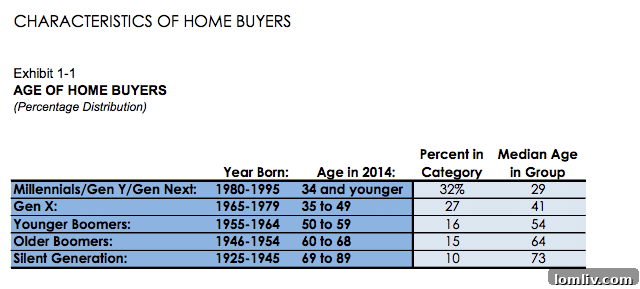
For many years, the real estate market largely perceived Millennials as a generation of renters, a demographic unlikely to significantly impact the homeownership landscape. However, this perception has dramatically shifted. Millennials, defined as those born from the early 1980s to the early 2000s, have emerged as the dominant force in the U.S. housing market. According to the influential 2015 National Association of Realtors (NAR) Home Buyer and Seller Generational Trends study, they now constitute 32 percent of all homebuyers, officially surpassing Generation X and redefining what it means to search for and purchase a home in the digital age.
This demographic shift is not merely a change in numbers; it signifies a profound transformation in how real estate transactions are conducted. Millennials, often dubbed digital natives, approach the homebuying process with an inherent reliance on technology, a stark contrast to the methods favored by previous generations. As David Maez, Broker and Co-Owner at VIVO Realty, aptly points out, “There’s lots of frustration among older agents in working with the Millennials, but they’re not going away and agents need to learn to adapt.” He emphasizes that this evolution is not just necessary but also exciting, given the abundance of technological tools now available to streamline the buying and selling of properties. Maez believes that the way people buy properties will continue its rapid technological evolution, pushing real estate professionals to embrace innovation.
For real estate agents, understanding and adapting to the Millennial homebuyer’s journey is no longer optional; it’s essential for relevance and success. This generation’s preferences, from communication styles to research methodologies, are fundamentally altering the traditional real estate playbook. Those who fail to evolve risk being left behind in an increasingly competitive and technologically driven market.
Understanding the Modern Millennial Homebuyer
At the core of the Millennial homebuying experience is their relationship with technology, particularly the smartphone. This device is not just a communication tool; it’s a portable research center, a virtual tour guide, and often, the primary interface for their entire home search. More than half of all Millennials utilize their mobile phones to search for homes, and a significant 26 percent of these individuals ultimately purchase a house they initially discovered through mobile browsing, according to NAR research. This statistic alone underscores the critical importance of a mobile-first approach in modern real estate marketing and communication.
The implications extend beyond just where they find listings. It influences how they expect to interact with their agent. Consider the telephone, once the undisputed king of client communication. Many traditional Realtors rely heavily on phone calls for discussions, updates, and negotiations. However, Millennials, by and large, favor asynchronous and quick communication methods. “With Millennials, you have to communicate how they want to—they are big on texting and many don’t even answer their phones,” Maez explains. He adds that some agents have even found success using platforms like Facebook Messenger, noting that Millennial clients might not even be checking their email regularly. This highlights a generational preference for immediate, less intrusive forms of digital interaction.

Adapting Your Business Model: Strategies for Modern Realtors
For seasoned real estate professionals, there’s a lingering concern that younger agents, being Millennials themselves, might have an inherent advantage in connecting with this demographic. However, a 2012 NAR survey revealed that the vast majority of agents were older: only 3 percent were under 30, 81 percent were over 45, and about 25 percent were over 65. This data suggests that the burden of adaptation largely falls on experienced agents, emphasizing the need for flexible and forward-thinking business models.
So, how can Realtors bridge the generational gap and effectively serve both Millennial and older buyers? Kenneth Walters, a Millennial Realtor at Ebby Halliday’s Little White House, offers valuable insight. “You adapt to the way your client likes to communicate—certain clients expect me to pick up the phone and have a conversation, but it’s not really a challenge to relate to my peers as far as using technology [either],” he explains. Walters highlights the importance of not just personal adaptation but also building a network of like-minded vendors. He works with mortgage, title, and insurance companies that are equally willing to communicate through text or email, ensuring a seamless digital experience for his Millennial clients.
This collaborative approach streamlines the entire transaction process. For instance, with one mortgage company Walters utilizes, clients can complete their application online, receive a follow-up email detailing required documents, and then directly upload those documents to a secure system – all without the need for a single phone call. Similarly, the adoption of specialized applications like the Zoccam app allows Realtors to digitally deposit earnest money directly from their smartphones to the title company. This demonstrates that technological adaptation is an industry-wide imperative, not just limited to individual agents.
6 Ways Millennials Are Redefining Real Estate Business
The distinct habits and expectations of Millennial homebuyers have fundamentally altered several aspects of the real estate industry. Here are six key areas where their influence is most pronounced:
1. They’ve Done Their Research
Unlike previous generations who might have relied solely on their agent for initial property discovery, Millennials arrive at the table with their homework already done. They expect their Realtor to be an expert, not a primary information source. This means clients often have targeted neighborhoods, downloaded comparative market analyses (comps), and a clear understanding of desired amenities. Their need isn’t for an agent to tell them what’s available, but rather to provide deep, localized expertise and insights not easily found online. As Maez states, “The Millennial will find the property, but you as the professional need to be able to interpret and verify the information. They are expecting their agents to be experts in their field—if you have the same information as them, you’re not offering them value. You should know everything about that neighborhood.” This calls for agents to transition from information gatekeepers to trusted advisors.
2. Texting Versus Calling
The phone call, once the cornerstone of client communication, is now often perceived as an inconvenience by many Millennials. They typically prefer text messages for quick updates, scheduling, and basic inquiries. Some even expect to be notified via text before a phone call, allowing them to prepare or determine if a call is truly necessary. Realtors who wholeheartedly embrace texting as an efficient and preferred communication channel for initial contact and routine updates will foster stronger relationships and move transactions forward more smoothly with this generation. This isn’t about eliminating calls entirely but understanding their strategic placement.
3. Socially Obsessed
Millennials are inherently social, digital citizens, and they expect their real estate agents to reflect this reality. Maintaining a robust social media presence is paramount. Maez suggests that Realtors should not only have a professional Facebook business page but also cultivate a personal page where they can connect with current and past clients. “Facebook is like a cocktail party and it can be used casually to meet people,” he notes. Social media platforms are also ideal for sharing “pre-MLS” listings, catering to the Millennial desire for instant news. Walters exemplifies this by leveraging platforms like BubbleLife, which aggregates news by specific neighborhoods, to share new listings before they officially hit the market. He writes a brief story on BubbleLife and then shares it across Twitter, Google+, and Facebook, generating significant traffic and buzz without an immediate MLS entry.
4. It’s All About Apps
Mobile applications like Trulia and Zillow are indispensable tools for Millennial homebuyers. These platforms allow them to meticulously narrow down neighborhoods and property listings long before their first meeting with a Realtor. Recognizing this trend, some innovative real estate firms have developed their own branded apps. For instance, Ebby Halliday created a mobile app that, when downloaded by a client, provides Walters with real-time updates on every property they are viewing. This creates a personalized and proactive agent-client interaction. (If you’re on a mobile device, you can see an example of his app here.) Such apps not only cater to client preferences but also provide agents with invaluable data on buyer behavior and interests.
5. Expert Agent On Demand
For a Millennial client, the ideal Realtor is someone who has firmly established themselves as a hyper-local neighborhood expert. One highly effective way to achieve this is through consistent blogging and the creation of in-depth articles that dissect various facets of specific communities. Maez advises, “If you consider yourself an expert in a location, you need to blog on it, and if you don’t have writing experience, you can hire somebody to do that for you.” Furthermore, given their immersion in the online world, Millennial clients will diligently research their prospective agents, scrutinizing online reviews and testimonials. “They expect a lot of the professionals they work with and they know a lot about the Realtors they are working with,” Maez emphasizes. “They are going to do the research before they get in your car.” This underscores the critical importance of a strong online professional presence and an impeccable digital reputation.
6. Fast Communication and Decisions
The Millennial buyer is characterized by their mobility and their ability to quickly gather and communicate information throughout the real estate transaction process. This makes them, generally, a more informed consumer. Consequently, they demand Realtors who can match their pace and decisiveness. Walters observes, “They’re pretty decisive on what they’re looking for—when I have an initial consultation with them, they’ve done a lot of research and know what neighborhoods they are interested in.” He adds that this wealth of information allows them to make quicker decisions, a significant advantage in fast-moving markets where inventory is limited. Agents who can provide prompt responses, streamline processes, and facilitate rapid decision-making will undoubtedly stand out to this efficiency-driven generation.
The Future of Real Estate: Beyond Millennials
The changes spurred by the Millennial generation are not isolated phenomena; they represent a fundamental shift in consumer behavior that will likely continue with subsequent generations like Gen Z. The expectation of seamless digital experiences, instant communication, and expert-level advice will only intensify. Real estate professionals who embrace these changes now are not just adapting to the current market; they are future-proofing their businesses for sustained success. The industry is moving towards a more transparent, technology-integrated, and client-centric model, where the agent’s role evolves from a gatekeeper of information to a highly skilled, tech-savvy consultant.
The Millennial homebuyer has ushered in an exciting era of transformation in the real estate industry. By understanding their unique preferences and embracing the technological tools that facilitate their homebuying journey, Realtors can not only meet but exceed the expectations of this influential demographic. The agents who thrive in this new landscape will be those who are agile, technologically proficient, and committed to providing unparalleled value and expertise in a rapidly evolving market.
What is your experience working with Millennials in real estate? Do you have any other insights to share? Leave us a comment!