

For decades, the standard approach to selling a house has involved engaging the services of a real estate agent. It’s the path most commonly chosen, seen by many as the only practical way to navigate the often-complex world of property transactions. However, beneath the surface of this seemingly conventional method lies a myriad of potential expenses and complications that frequently catch homeowners off guard. These aren’t always explicit fees; instead, they are ‘sneaky expenses’ that gradually chip away at your anticipated profit, transforming what you hoped would be a lucrative sale into a surprisingly costly ordeal.
The decision to sell a home is often rooted in significant life changes: a career relocation, the emotional and logistical demands of a divorce, increasing financial pressures, or simply the urgent desire for a swift, fresh start. In such time-sensitive or high-stress situations, every dollar saved and every day shaved off the selling timeline can have a profound impact. Understanding these often-overlooked costs is crucial, as is recognizing that there are alternative, more efficient, and often more cost-effective selling solutions available. Opting for a direct cash sale, for instance, can drastically simplify the entire process, saving you invaluable time, reducing stress, and ultimately preserving more of your home’s equity.
Before you embark on the traditional home selling journey, it’s vital to become fully aware of the hidden financial drains. Let’s take a comprehensive look at some of the costs that won’t ever be advertised on a prominent “For Sale” sign but will undeniably show up on your closing statement and significantly impact your financial bottom line.
1. Home Repairs and Renovations: The Pre-Listing Investment Trap
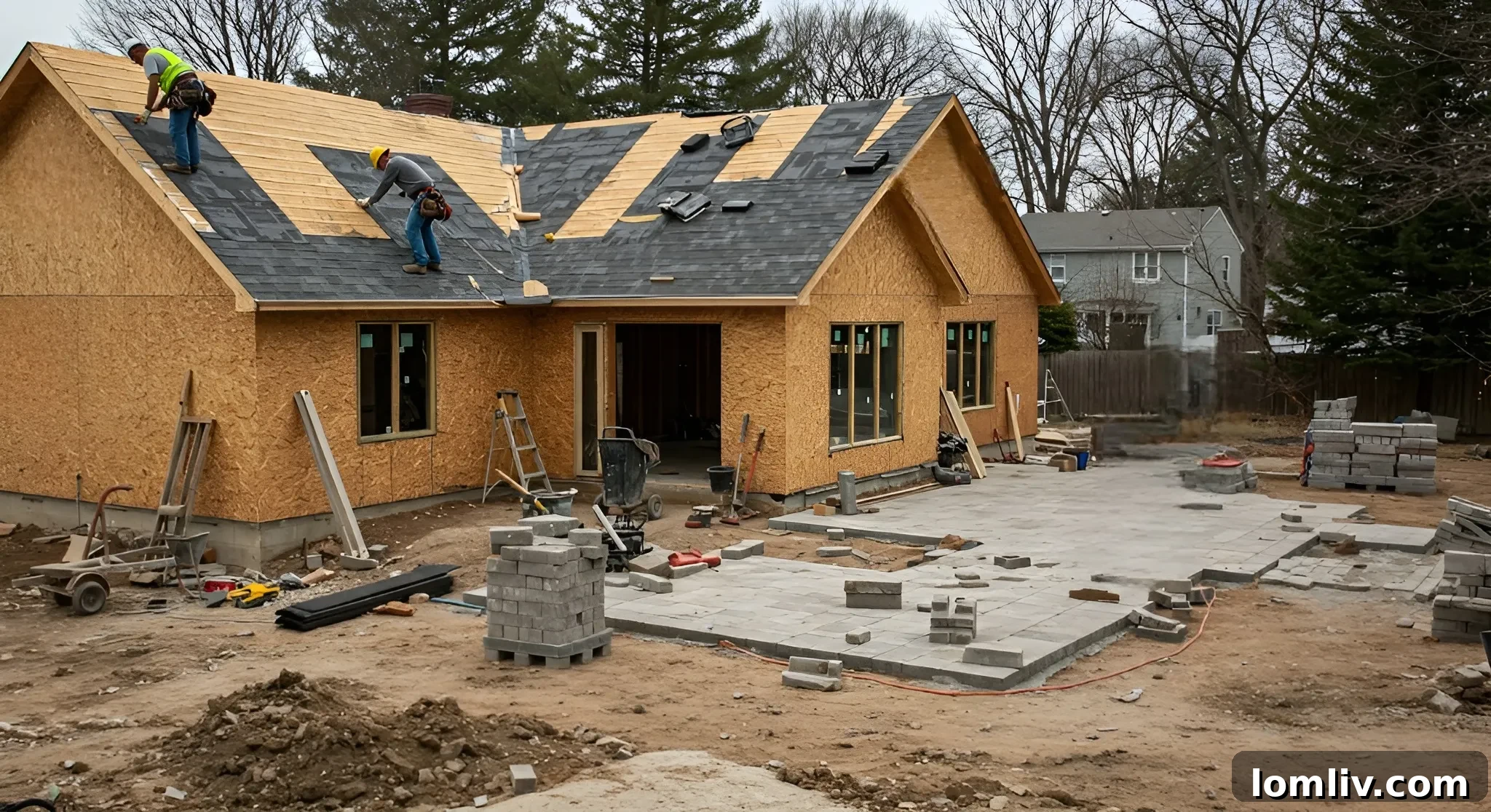
Once you decide to list your house with a real estate agent, one of the initial discussions will invariably center around preparing your property for market readiness. This often translates into a lengthy list of suggested repairs, upgrades, and cosmetic improvements, all designed to enhance your home’s appeal and attract top dollar from prospective buyers. From minor touch-ups like patching drywall and applying a fresh coat of paint, to more significant undertakings such as fixing a persistent leaky faucet, updating outdated light fixtures, or even replacing worn-out flooring or appliances, these suggestions can quickly accumulate into a substantial financial investment long before your property officially hits the market.
These are far from superficial adjustments; they represent concrete expenses that directly impact your wallet. Sellers frequently find themselves pouring thousands of dollars into various tasks: rectifying minor electrical quirks, addressing plumbing issues, servicing or even replacing HVAC systems, and in some cases, undertaking larger renovation projects like partial kitchen remodels or bathroom upgrades. The underlying goal is always to boost the home’s perceived value and elicit higher offers. However, the reality can often be disheartening. Many of these upgrades fail to generate a proportional return on investment (ROI), or, even more frustratingly, potential buyers still leverage these newly improved features as points of negotiation, ultimately eroding your net profit. Furthermore, the logistical nightmare of vetting and managing contractors, coordinating schedules, and grappling with unexpected project delays can be a significant source of stress and consume countless hours.
This is precisely where the simplicity and efficiency of an ‘as-is’ cash home sale become incredibly appealing. When you sell to a reputable cash buyer, they typically acquire your property in its current condition, regardless of its age, aesthetic, or state of repair. This means you can entirely bypass the last-minute panic to repair a faulty appliance, the financial outlay for refreshing paint, and the endless trips to Home Depot or other hardware stores for expensive materials. If your primary objective is to divest your property quickly, without the added financial burden, the logistical headaches, and the emotional toll of preparing your house for traditional showings, an immediate cash sale presents an undeniably smart and straightforward solution. It allows you to sidestep weeks or even months of costly and often frustrating preparation, moving you closer to your next chapter with significantly less fuss.
2. Staging and Professional Photography: Crafting the Perfect Impression (at Your Expense)

In today’s fiercely competitive and visually driven real estate landscape, the adage “first impressions are everything” holds more weight than ever. Real estate professionals almost universally recommend that sellers invest in professional home staging and high-quality photography, often supplemented by virtual tours and drone footage. The aim is to showcase your property in its absolute best light, cultivating an aspirational lifestyle image that resonates with potential buyers scrolling through myriad online listings. While undeniably effective in capturing initial interest, these sophisticated marketing strategies come with their own considerable financial burden.
Professional staging services can range from a few hundred dollars for a consultation to several thousands for furniture rental, decor arrangement, and expert placement over an extended period. If your current furniture and decor don’t align with the “modern charm” or broad appeal sought by agents, you might be strongly encouraged to rent temporary pieces that create a more neutral, inviting, and spacious aesthetic. Beyond staging, the expense for professional listing photos – encompassing wide-angle shots, detailed close-ups, aerial drone photography, and immersive 3D virtual tours – can easily total several hundreds, if not thousands, of dollars. These are all upfront expenditures that you, the homeowner, are expected to bear, with no guarantee that your investment will translate into a rapid or more profitable sale.
The financial commitment doesn’t end with the initial outlay. Maintaining a “show-ready” home demands constant vigilance: meticulous cleaning, diligent decluttering, and frequently vacating your property for scheduled showings and open houses – a significant disruption to your daily life and privacy. These advertising tactics are designed to ensure your house stands out in a crowded market, but they layer additional costs and considerable inconvenience that many sellers initially underestimate. In sharp contrast, selling directly to a cash buyer completely bypasses all these strenuous requirements. There’s no need for professional lighting setups, rented designer furniture, or perfectly manicured gardens. A simple, straightforward cash offer, often provided within 24-48 hours, cuts directly to the transaction, offering a transparent and immediate sale without the need for an elaborate, expensive, and time-consuming presentation.
3. Agent Commissions and Other Selling Fees: The Primary Profit Eater
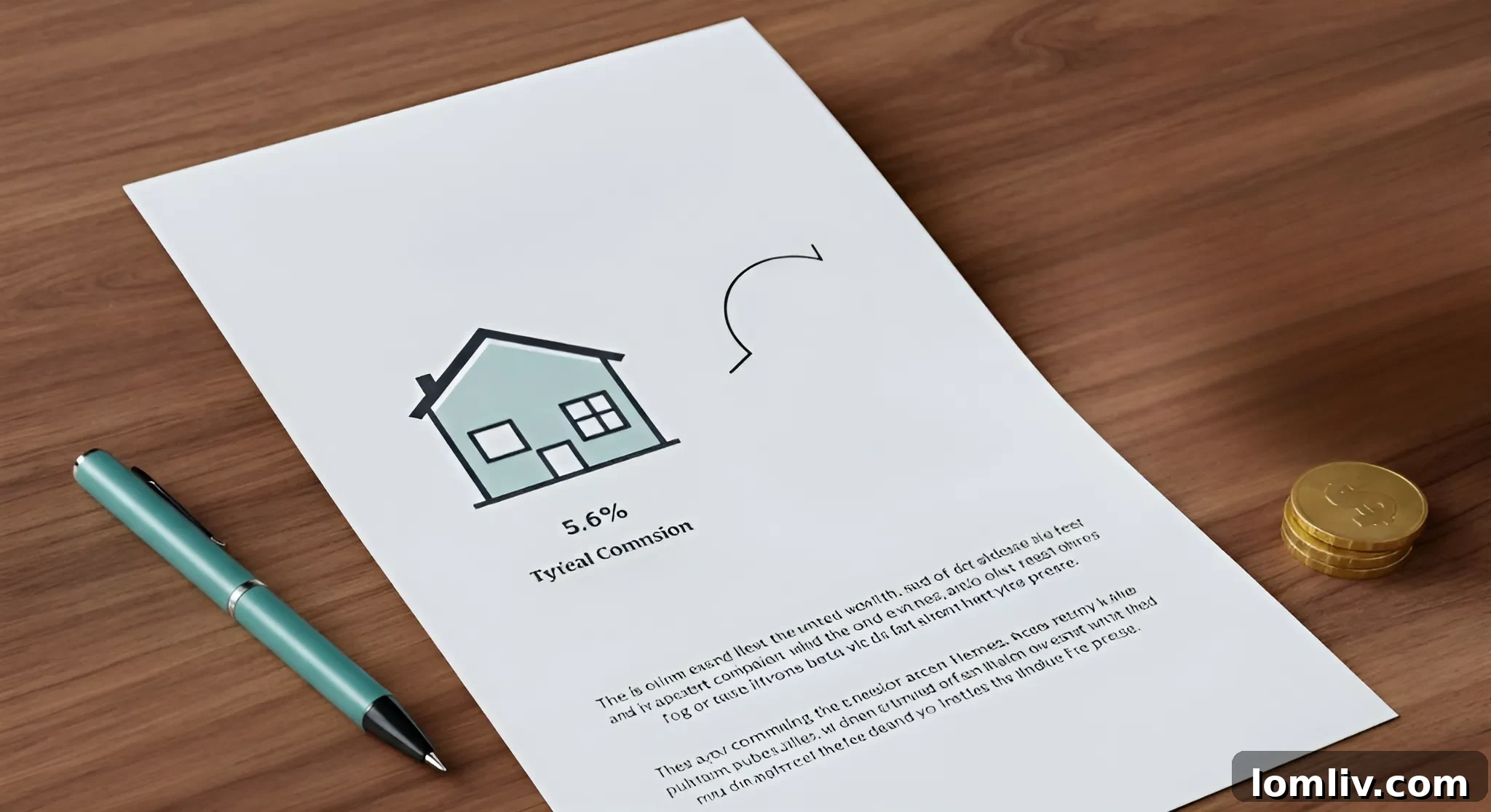
Among the various expenses associated with selling a home through traditional channels, real estate agent commissions stand out as the most widely recognized, yet often severely underestimated, cost. This fee represents a substantial percentage of your home’s final sale price, typically ranging from 5% to 6% of the total value. This commission is usually divided between your listing agent and the buyer’s agent, compensating them for their services. To illustrate the impact, consider a home sold for $300,000; you could easily be looking at a commission payment of $15,000 to $18,000 – a considerable sum that is directly deducted from your sale proceeds at the time of closing.
This significant financial outlay is often justified as the price for expert market knowledge, extensive marketing, skilled negotiation, and comprehensive legal guidance. However, these substantial fees do not automatically guarantee a quick or trouble-free sale. Many sellers find themselves enduring months on the market, experiencing the frustration of multiple price reductions, only to still be obligated to pay this hefty commission. Beyond the primary commission, sellers might encounter other, less obvious fees, such as administrative charges, transaction coordinator fees, or even charges for specific marketing materials like professional flyers or open house signage. These additional costs can further reduce your profit margin, leaving you with considerably less net proceeds than you initially anticipated.
The distinct advantage of selling directly to a professional home buying company, such as Fair Deal Home Buyers, is the complete elimination of these commission fees. When you receive a cash offer from a direct buyer, that figure is typically the precise net amount you will receive – free from hidden agent fees, unexpected administrative charges, or any last-minute deductions that can surprise you at closing. This unparalleled transparency and directness provide a crystal-clear financial picture from the outset, enabling you to accurately plan your next financial steps without the uncertainty of substantial commission payments eating into your hard-earned equity. It offers a straightforward financial path, ensuring the offer you accept is truly what you walk away with.
4. Holding Costs While You Wait: The Persistent Financial Bleed

The traditional home selling process is, by nature, often a protracted affair. Even in a buoyant seller’s market, the average home can remain listed for 30 days or more. This statistic, however, doesn’t even begin to encompass the preceding weeks spent preparing the house for listing, or the frequently lengthy period required for buyer loan approvals, mandatory appraisals, and various contingencies to clear. Each month your property lingers on the open market represents a continuous and often significant outflow of cash from your finances.
These are broadly categorized as ‘holding costs,’ encompassing a multitude of essential expenses that do not magically cease just because you’ve placed a “For Sale” sign in your front yard. You remain fully responsible for consistent mortgage payments, which include both interest and principal. Property taxes continue to accrue, homeowners insurance premiums remain due, and utility bills for electricity, water, gas, and even internet services persist. If your property is governed by a homeowners association (HOA), those fees will also continue without interruption. Beyond these, you might also incur costs for ongoing lawn care, maintaining a home security system, or general upkeep to ensure the property remains presentable for unexpected showings and open houses.
For sellers who have already transitioned into a new residence, these holding costs can evolve into an incredibly burdensome financial strain, effectively forcing them to manage and pay for two homes simultaneously. This dual financial responsibility can rapidly deplete savings, exacerbate existing financial pressures, and induce immense stress, particularly if the new home also brings its own set of expenses. With a cash buyer, this narrative shifts dramatically. The entire selling process is significantly expedited; the vast majority of cash sales are successfully finalized in under two weeks, and sometimes even faster. This rapid closing means you can cease paying for a property you no longer desire or need almost immediately, liberating your capital and providing much-needed financial relief and peace of mind.
5. Buyer Negotiations and Deal Fallout: Navigating the Minefield of Uncertainty

Even after successfully navigating the exhaustive process of countless showings, receiving multiple offers, and enduring often arduous rounds of negotiation, the sale of your home can still unexpectedly collapse. The traditional selling process is inherently vulnerable to numerous contingencies and potential roadblocks that can cause significant delays or even entirely derail a deal at the eleventh hour. One of the most frequent hurdles arises from home inspections. Buyers invariably commission detailed inspections that can uncover a plethora of new repair requirements, ranging from seemingly minor issues like a dripping faucet to major structural concerns such as roof damage, foundation cracks, or faulty electrical systems. These findings almost always trigger further negotiations, frequently compelling sellers to either reduce their asking price or undertake additional, often costly, repairs to satisfy the buyer’s demands.
Another significant point of contention often emerges during the appraisal process. If the bank’s appraisal values the property lower than the agreed-upon sale price, the buyer’s lender may decline to finance the full amount. This scenario typically forces a renegotiation of the sale price or requires the buyer to secure additional cash upfront to cover the difference. Both outcomes can critically jeopardize the entire deal. Furthermore, buyer financing itself is often a precarious element. Loan approvals can be inexplicably delayed, a buyer’s financial situation might change unexpectedly, or their loan application could be rejected outright by the underwriting department. It is far from unusual for deals to unravel just days before the scheduled closing, leaving sellers in a lurch, forcing them to restart the entire arduous process from scratch, losing valuable time, and incurring further holding costs.
This inherent uncertainty not only consumes an enormous amount of your precious time and emotional energy but can also inflict unanticipated financial losses, especially if you were heavily relying on the sale proceeds to fund the purchase of your next home, prevent foreclosure, or settle pressing legal matters. Cash buyers, conversely, offer a significantly more stable and predictable pathway. Since they are not dependent on traditional bank financing, and frequently bypass the need for time-consuming appraisals, the sales process is considerably more streamlined and far less susceptible to external delays or third-party interference. This enhanced stability means your sale is significantly more likely to proceed smoothly, conclude on time, and without the agonizing anxiety of last-minute demands or a deal collapsing, providing much-needed assurance during what is often a critical life transition.
A Simpler, More Predictable Way to Sell Your House Fast
Selling your home shouldn’t feel like a high-stakes gamble fraught with uncertainty, hidden fees, and agonizing delays. If your primary objective is to bypass the conventional real estate hurdles – the endless parade of showings, the burdensome repair demands, the emotional toll of staging, and the significant financial drain of agent commissions – then rest assured, there are indeed better, more efficient, and often more homeowner-centric options available to you.
Professional home buying companies, such as Fair Deal Home Buyers, specialize in offering homeowners a genuinely hassle-free and transparent selling experience. They are experts at purchasing properties quickly, directly, and most importantly, ‘as-is.’ This means you don’t have to concern yourself with a single repair, no need for extensive staging efforts, and absolutely no inconvenient showings disrupting your life. Their streamlined and efficient process ensures you receive a legitimate, no-obligation cash offer – often within a remarkable 24 hours of your initial inquiry – allowing you the flexibility to close on a timeframe that perfectly aligns with your specific needs, whether that’s in a single week or a month down the line. For many individuals navigating high-stress circumstances like job relocations, inherited properties, difficult divorces, or the imminent threat of foreclosure, the unparalleled convenience, speed, and transparent nature of a direct cash sale prove to be the ultimate game-changer. It’s about empowering you to regain control and execute a sale entirely on your own terms, free from external pressures.
Whether you’re contending with the complexities of an unwanted inherited property, struggling with overwhelming mortgage payments, navigating the challenges of a divorce, or simply need to liquidate your assets and relocate quickly, thoroughly exploring all your available selling options is an absolutely crucial step. Understanding the full spectrum of choices beyond the traditional agent-led sale can save you a significant amount of money, spare you considerable frustration, and ultimately lead to a far smoother, more predictable, and genuinely satisfying outcome. A reputable cash buyer provides a reliable and expedited exit strategy precisely when time, certainty, and minimal hassle are of paramount importance, transforming what could otherwise be a prolonged and stressful ordeal into a swift, clean, and financially clear transaction.
Final Thoughts: Re-evaluating Your Home Selling Strategy for Optimal Outcomes
While the traditional real estate route certainly has its place and works effectively for a segment of homeowners, it is unequivocally not the only available path – nor is it frequently the most economical or stress-free option. The cumulative weight of hefty agent commissions, often unexpected repair costs, ongoing holding expenses, and the ever-present threat of deals falling apart can introduce far more headaches, anxieties, and financial drains than most sellers initially anticipate. What often begins as an exciting prospect of a profitable sale can quickly devolve into a drawn-out, costly, and emotionally exhausting endeavor.
Before you make the significant commitment to list your property on the open market, take a thoughtful and deliberate moment to carefully examine the comprehensive financial implications. Itemize not just the readily apparent costs, but also diligently factor in the numerous hidden expenses, the very real potential for protracted delays, and the inevitable emotional toll that such a process can exact. Then, critically ask yourself: “Is this traditional route truly worth the considerable investment of my valuable time, hard-earned money, and emotional energy, given my current circumstances and goals?”
While a direct cash offer might not always align with the absolute highest possible market valuation, it offers immense and often overlooked value in other critical areas. If it provides you with the undeniable advantage of reaching the finish line considerably faster, with significantly less stress, allows you to bypass all the traditional selling hurdles, and ensures you walk away with a guaranteed amount of cash directly in your pocket, then it very well might be the smartest and most beneficial decision you can make for your specific situation. It’s about prioritizing efficiency, certainty, and invaluable peace of mind over the pursuit of a potentially higher, but often elusive and conditional, maximum profit, especially when life demands a quick, clear, and unburdened resolution.