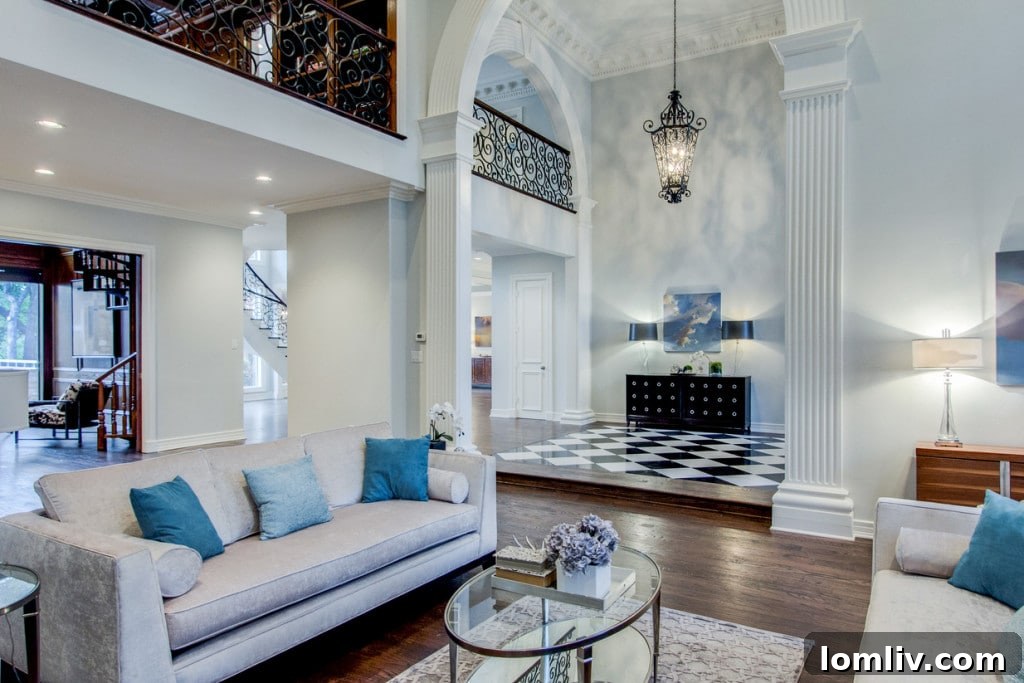
In today’s competitive real estate landscape, home staging has emerged as an indispensable strategy for sellers aiming to maximize their property’s value and expedite the sales process. Recent features in prominent publications, such as The New York Times, which highlighted the art and necessity of staging to achieve top dollar, underscore its growing recognition. This raises a crucial question for many homeowners: Is a significant investment, perhaps replacing all furniture or spending tens of thousands of dollars, truly required to meet that ambitious listing price?
The straightforward answer is often no, though there are specific instances where extensive staging becomes a strategic imperative. While home staging is a well-established practice on the West Coast, and a standard expectation within the luxury real estate markets of the East Coast, its adoption across the rest of the country varies. Many sellers grapple with whether staging is an absolute must or merely an optional enhancement. This indecision largely stems from a fundamental misunderstanding: What exactly does “home staging” entail?
The definition of home staging is far from simple, as its application is highly nuanced and tailored to individual property needs.
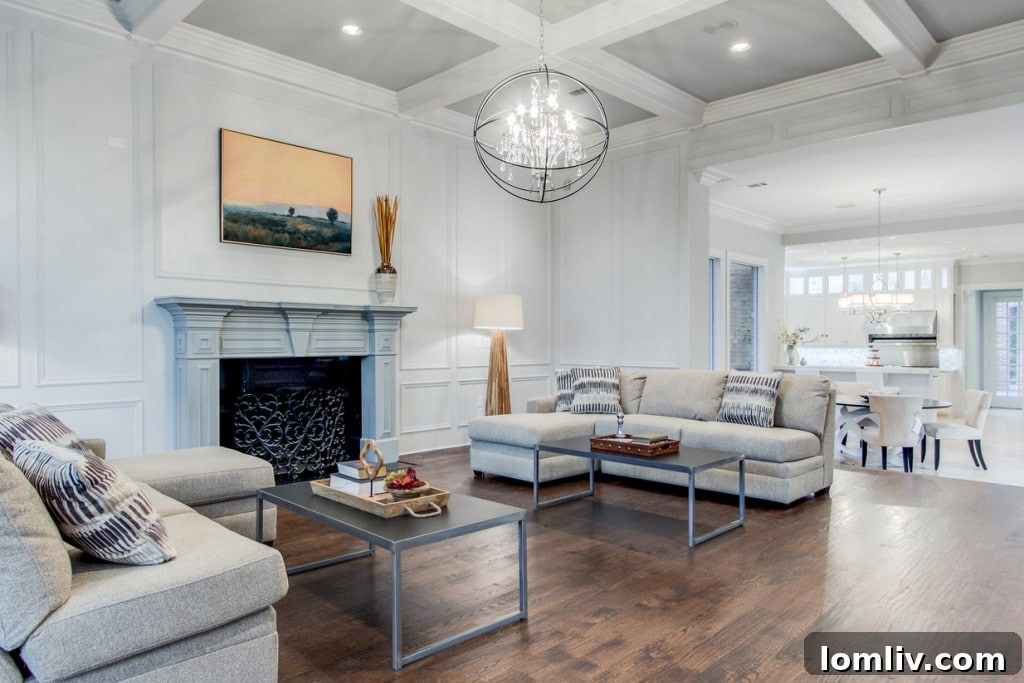
Home staging is inherently site-specific, meaning the level of intervention required can differ dramatically from one property to another. For some residences, a professional consultation, followed by the seller diligently implementing the recommended tasks, is all that’s needed. A verbal consultation with a seasoned stager in a metropolitan area might cost around $200, with a more detailed, written report adding an additional $50 to $75. These initial steps often involve decluttering, minor repairs, and strategic furniture arrangement, all aimed at creating a welcoming and neutral environment.
Conversely, many properties demand a far more extensive transformation, aligning with the “reinvention” approach described in The New York Timespiece titled “The Art of Home Staging.” This is particularly true for homes with outdated interiors, unique architectural styles, or those that simply don’t align with the evolving desires of today’s homebuyers. Even in a robust seller’s market characterized by low inventory, the importance of presenting a property in its best possible light cannot be overstated. Buyers today are more sophisticated than ever, thanks to online listings, high-quality photography, and virtual tours, setting a high bar for visual appeal.
It’s crucial to acknowledge that staging works in conjunction with foundational real estate principles: a home must be priced correctly, and its location must be desirable. Without these two non-negotiable elements in place, no amount of staging, regardless of its quality, will guarantee a successful sale. However, once pricing is optimized and location is deemed a strong asset, the visual impression and the overall “feel” of a home become paramount. Buyers are not just purchasing property; they are investing in a potential lifestyle, and the home’s presentation must resonate with that aspiration. Staging bridges the gap between a house and a dream home, making it easier for potential buyers to envision their future within its walls.
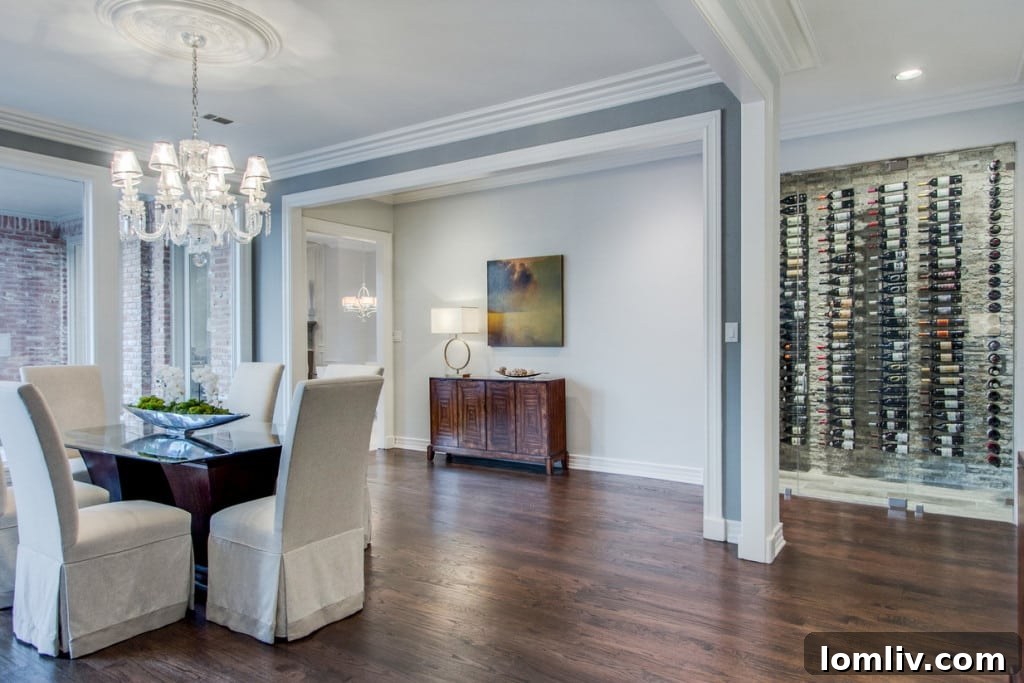
The true genius of effective home staging lies in its ability to present a desirable lifestyle, not just an empty space. This concept mirrors the meticulous work of photography stylists for high-end retailers like Neiman Marcus. Imagine flipping through a luxury linen catalog; you’re not just seeing sheets, you’re envisioning a serene, comfortable, and elegant existence. You look at that perfectly styled bed and instinctively desire every pillow, every thread, because it promises a sense of tranquility and luxury. Logic often takes a backseat to emotion in such scenarios; we buy into the image, the aspiration, every single time. This powerful psychological phenomenon is precisely what home staging leverages.
Selling a home is, at its core, no different from marketing any other product, whether it’s a premium car, a designer outfit, or even a simple can of soda. You are branding and promoting a tangible item, and the effectiveness of your marketing strategy is directly reflected in your return on investment (ROI). A professionally staged home is a well-marketed product, designed to appeal to the broadest possible range of potential buyers, creating an emotional connection that transcends mere square footage and accelerates the path to a lucrative sale.
Home Staging Tips for a Successful Sale
To help you navigate the home staging process, here are essential tips designed to transform your property into an irresistible offering for potential buyers:
Kick Phony to the Curb: Embrace Authenticity
The days of overtly staged, artificial-looking interiors are long gone. Modern buyers are discerning and can easily spot contrived setups, such as a tray of untouched croissants on the bed or a meticulously set dining table for an imaginary dinner party. This “old school” approach often feels disingenuous and disconnected from how people actually live, as noted by The New York Times. The goal is to create an inviting, authentic atmosphere that allows buyers to envision their own life unfolding in the space, not to showcase a stiff, unrealistic tableau.
Edit Relentlessly: Less is More
“Edit” is a polite but firm word for decluttering and depersonalizing. Potential buyers want to see the home, not your accumulated possessions. Your cherished collections, no matter how valuable or interesting to you, can distract buyers and make a space feel cramped and less versatile. Remove excess furniture, personal knick-knacks, and anything that isn’t essential to the room’s function or aesthetic. The aim is to create an open, airy environment that feels spacious and allows buyers to project their own style onto the property.
Personal Photos with Purpose: Crafting a Universal Narrative
While depersonalization is key, a completely sterile environment can feel cold. The trick is to replace highly personal family photos (e.g., you with a former president, candid shots of your children, or pictures from the “Margarita Ball”) with aspirational, yet generic, lifestyle imagery. Think of a beautiful, unidentifiable figure skiing down a pristine slope, or a serene beach landscape. These photos evoke a sense of desirable living without introducing personal connections that might make buyers feel like intruders. Photos of well-behaved pets can also work if they contribute to a warm, inviting, and lifestyle-friendly vibe, but exercise restraint to avoid overdoing it.
It’s Curtains for Drapes: Unveiling Natural Light
Heavy, custom draperies, while potentially a significant investment, often obstruct natural light and obscure the very windows you are trying to sell. Natural light is a powerful asset, making rooms feel larger, brighter, and more inviting. Removing elaborate drapes allows sunlight to flood the space, enhancing its perceived size and warmth. If window coverings are necessary for privacy or softness, opt for simple, light-colored sheers or blinds that can be easily opened to maximize light.
Paint to Sell: The Power of a Neutral Palette
The concept of “neutral” extends beyond just white. While white remains a popular and effective choice, modern neutral palettes encompass a spectrum of soft grays, warm beiges, and subtle off-whites that create a sophisticated, versatile backdrop. What “neutral” absolutely does not mean, however, is keeping your vibrant red dining room or the cozy burnt orange den. These strong personal color choices can be polarizing and deter a wide range of buyers. Don’t hesitate to paint over boldly colored walls or even update dated wood cabinetry with a fresh coat of paint. Consider getting a professional color consultation alongside your staging consultation to select the most appealing hues for your specific property.
Odor Eaters: The Invisible Scent of Cleanliness
The sense of smell is incredibly powerful and can instantly form a buyer’s impression. Nothing leaves a more positive mark than the scent of genuine cleanliness. This means avoiding harsh chemical smells, strong air fresheners, or the clichéd aroma of freshly baked cookies, which can often signal an attempt to mask underlying odors. Instead, focus on deep cleaning every surface, addressing pet odors, smoke, or stale air. A truly clean home has a fresh, neutral, and imperceptible scent that conveys meticulous maintenance and a healthy living environment.
Show Towels: Details That Speak Volumes
Small details make a big difference in creating a luxurious and well-maintained impression. In bathrooms, fresh, crisp white towels are always the right choice. They evoke a sense of spa-like cleanliness and elegance that colored or mismatched towels cannot. Invest in a set of high-quality white towels specifically for staging purposes, ensuring they are impeccably folded and displayed. This simple touch elevates the bathroom’s appeal and suggests a thoughtful attention to detail throughout the home.
What’s in Your Closet?: Maximizing Perceived Storage
Closets are a critical selling point, as storage space is consistently high on buyers’ wish lists. An overflowing, disorganized closet implies a lack of adequate storage, regardless of its actual size. To maximize the perceived storage capacity, aim to reduce the contents of your closets by at least one-third. Everything remaining should be neatly organized, ideally off the floor, and perhaps color-coded. This creates a visually expansive and tidy impression, reassuring buyers that the home offers ample space for their belongings.
Remove and Rent: Strategic Furniture Placement
Deciding when to remove existing furniture and rent new pieces depends heavily on your target market and the condition of your current furnishings. If your furniture is dated, oversized for the space, or doesn’t align with the aspirational lifestyle you’re trying to sell, consider temporary furniture rental. When renting, light-colored, modern, and appropriately scaled pieces, particularly those in neutral tones like white or light gray, are often your best friend. They create a clean, contemporary aesthetic that appeals to a broad demographic and makes rooms appear larger and brighter. Professional stagers are adept at selecting furniture that enhances the home’s features and optimizes spatial flow.
In conclusion, home staging is not merely an optional decor service; it is a vital marketing investment that directly impacts a property’s marketability and final sale price. By strategically enhancing visual appeal, creating emotional connections, and minimizing distractions, staging helps your home stand out in a crowded market. These expert tips, when thoughtfully implemented, can significantly reduce your home’s time on the market and ensure you achieve the maximum possible return on your valuable investment.