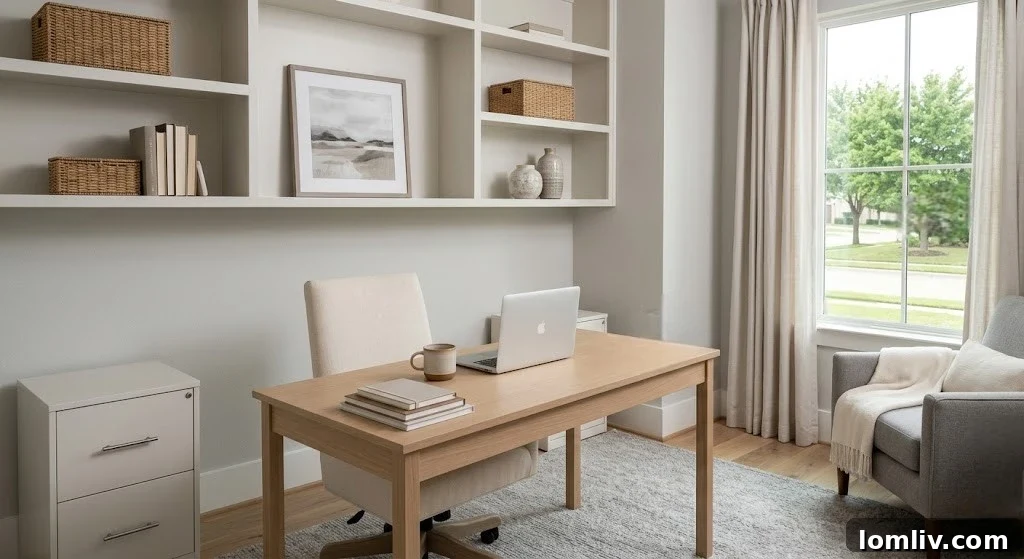
In recent years, the concept of home has profoundly shifted, particularly in dynamic markets like Dallas. What was once considered a luxury or a temporary arrangement, a dedicated home office, has now become a fundamental expectation. Countless homes across the region have witnessed spare bedrooms, cozy nooks, and even converted dining areas permanently transform into highly functional and aesthetically pleasing professional workspaces. These spaces are meticulously designed to be professional enough for demanding video calls yet inherently comfortable for extended daily use.
The statistical evidence underscores this transformation. According to data from the Bureau of Labor Statistics, the first quarter of 2024 saw a remarkable 35.5 million people engaged in telework or working from home for pay. This represents a significant increase of 5.1 million individuals over the past year, highlighting a persistent and growing trend in how we approach employment. Consequently, optimizing these dedicated work-from-home areas is no longer just about personal comfort and productivity. It’s a strategic move to ensure they remain conducive to eight-hour shifts, foster well-being, and critically, enhance the appeal and value of the property for future real estate buyers. A thoughtfully designed home office can significantly elevate a home’s marketability and overall perceived value in today’s landscape.
1. Elevate the Aesthetics and Functionality of Your Desk Setup
Your desk is undeniably the nerve center of your entire home office, serving multiple crucial roles. It’s the backdrop for all your virtual meetings and acts as the primary visual anchor that buyers and visitors will use to gauge the room’s utility and overall appeal. Even seemingly minor adjustments to this central surface can create a surprisingly profound and positive impression on the entire workspace environment, directly influencing productivity and perceived professionalism.
Begin your optimization efforts by tackling the ubiquitous issue of exposed cables. A chaotic tangle of wires snaking across your desk immediately conveys an image of disorganization, chaos, and an unfinished workspace. This visual clutter can be a significant distraction and detract from a professional image. The solution is remarkably simple and cost-effective: invest in basic cable clips, under-desk management trays, or elegant fabric cable sleeves. Implementing these tools instantly cleans up the visual noise, creating a streamlined and far more professional appearance that will impress both colleagues on video calls and potential home buyers.
Once your cables are neatly managed, shift your focus to lighting. Introducing a dedicated LED task lamp or a small, well-positioned ring light can work wonders. These tools effectively eliminate harsh shadows that often plague home office setups, especially during video conferences. Bright, even, and well-diffused lighting not only makes compact spaces feel significantly larger and more intentional, but it also dramatically improves visibility for your daily tasks. Crucially, optimal lighting ensures that you appear well-lit and professional on camera, an essential aspect of modern remote work. Consider the color temperature of your lighting; cool white light can enhance alertness, while warmer tones might create a cozier, more inviting atmosphere for creative tasks.
Finally, address the desk surface itself with a commitment to minimalism and strategic organization. Ruthlessly remove any excess paperwork, stray pens, or non-essential items, ensuring that only daily essentials remain within comfortable arm’s reach. This decluttering instantly creates a sense of calm and order. To further enhance cohesion, consider adding a unified base layer underneath your keyboard and monitor. A high-quality customized desk mat from Custom Envy serves this purpose perfectly. Beyond its aesthetic appeal, a desk mat protects the underlying surface from daily wear and tear, scratches, and accidental spills, preserving your furniture. It also introduces a personalized design touch that reads as highly polished and thoughtful during video calls, instantly transforming even a potentially disorganized desk into a cohesive and deliberately styled workspace without the need for a costly furniture overhaul. This simple addition can significantly elevate the perceived quality and functionality of your entire home office setup.
2. Intelligent Technology Upgrades for Peak Performance Without Overspending
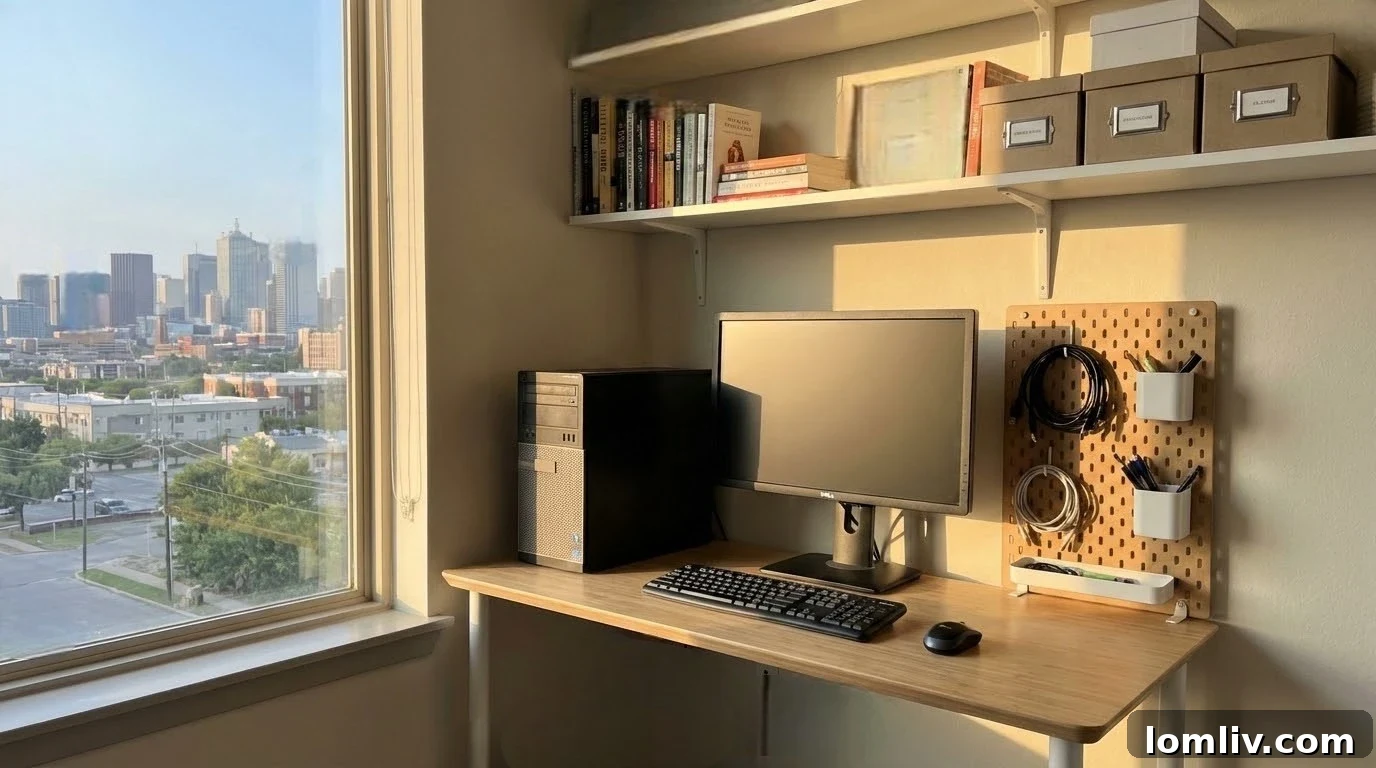
While an aesthetically pleasing and organized desk setup is a fantastic start, its impact is limited if the underlying hardware struggles to support a modern, fast-paced workflow. For dedicated home offices, secondary workstations, or shared family computer spaces, the cornerstone of reliability and productivity lies in thoughtful technology choices that balance performance, storage capabilities, and overall value. Interestingly, demographic shifts in remote work highlight evolving needs: data from the Census Bureau in 2021 indicated that women constituted the majority of home-based workers, even though men comprised the larger segment of the overall workforce, underscoring the diverse user base of home office technology.
Regardless of who utilizes the space, standard remote workloads demand dependable and robust specifications from a computer. These typically encompass a range of resource-intensive tasks, including frequent video conferencing, intensive document editing, managing multiple browser tabs simultaneously, and often running various applications in parallel. To handle these demands smoothly and efficiently, a computer should ideally feature 8 to 16 GB of RAM, ensuring adequate memory for multitasking without slowdowns. This should be paired with a modern, multicore processor (such as an Intel Core i5/i7 or AMD Ryzen 5/7 equivalent) capable of handling complex computations quickly. These core components are vital for a responsive and frustration-free experience.
Equally, if not more, important for a snappier user experience is the inclusion of a solid-state drive (SSD) as the primary storage device. Unlike older hard disk drives (HDDs), SSDs allow the computer to boot up in mere seconds rather than minutes, and applications launch almost instantaneously. This dramatic improvement in speed significantly boosts productivity and reduces waiting times. While brand-new desktop computers boasting these professional-grade specifications typically range from $700 to $1,200, a smart strategy involves looking at slightly older equipment. A machine that is two or three years old, but originally featured high-end components, can perform identically for most standard remote work tasks, often at a fraction of the cost of a brand-new unit.
A particularly intelligent and sustainable approach for homeowners is sourcing certified refurbished desktops from reputable vendors like PCLiquidations. This option provides access to high-quality, pre-owned technology from trusted brands at a significantly reduced price point. Choosing refurbished equipment represents a highly sustainable workspace upgrade, as it extends a machine’s useful life and minimizes its environmental footprint. By diverting functional electronics from the growing electronic waste stream, you contribute to a greener planet while still enjoying excellent performance for all your remote work needs. Always ensure refurbished products come with a warranty and are certified to have undergone thorough testing and restoration processes for peace of mind.
3. Strategic Office Staging: Transforming Your Workspace into a Desirable Feature
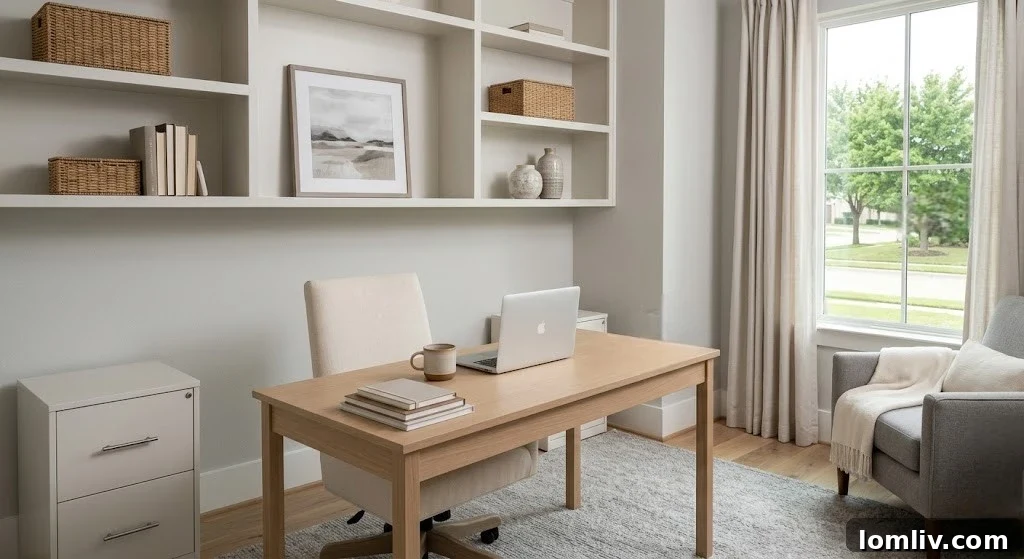
Even if selling your home isn’t an immediate priority, adopting professional home staging principles for your office space can dramatically enhance its appeal, functionality, and overall perceived value for daily use. Staging is not merely about decorating; it’s about strategically presenting a space to highlight its best features and allow others to envision themselves living and working within it.
A meticulously well-staged room has the remarkable power to meaningfully shift how people perceive the overall value and potential of your property. Implementing even a few fundamental staging techniques can make a significant difference, particularly in these increasingly vital real estate-ready spaces. The core principle for an office is depersonalization and neutrality. This means removing highly specific personal paperwork, family photos, and overly distinct artwork. By doing so, you create a blank canvas, allowing any visitor or potential buyer to seamlessly picture themselves working productively and comfortably at that very desk, fostering a sense of immediate connection and possibility.
Remember that consistency and a thoughtful approach are key to making a room look truly styled and intentionally designed, rather than merely cluttered or sparse. Here are several actionable strategies for staging your home office effectively:
- Minimalist and Neutral Decor: Keep decorative elements sparse and select a neutral color palette. This strategy ensures the space appeals to the widest possible audience, avoiding polarizing tastes and allowing the room’s inherent functionality to shine. Think calming greys, whites, and muted earth tones.
- Cohesive Organization: Choose a unified set of matching organizers, baskets, or bins. Whether they’re fabric, woven, or a sleek metal, consistency in color and style helps corral supplies neatly, presenting a tidy and intentional appearance that is both practical and aesthetically pleasing.
- Purposeful Desk Arrangement: Set the desk as if it’s ready for immediate use. Pull the office chair neatly into position, ensure the monitor is at an ergonomic eye level, and arrange a few essential items (like a stylish pen holder or a small plant) with care. This communicates functionality and readiness.
- Maximize Lighting: Leverage lighting to your advantage. In addition to any natural light, incorporate a bright, well-designed task lamp. Strategic lighting can significantly brighten compact offices, making them appear more spacious, inviting, and vibrant. Consider adding an attractive floor lamp if space permits to create layers of light.
- Cleanliness and Freshness: Beyond decluttering, ensure the office is impeccably clean. Dust surfaces, vacuum carpets, and wipe down windows. A fresh, clean scent (subtly achieved with a diffuser or open window) can also contribute to a positive impression, making the space feel well-maintained and cared for.
The ultimate goal is to create a space that looks genuinely ready to support professional work without feeling overly “staged” to the point of being hollow or impersonal. Your home office should be presented as a genuine selling feature, not merely a repurposed corner of the house. A room that shows beautifully, functions perfectly, and demonstrates clear utility undeniably earns its square footage in the eyes of potential buyers, contributing significantly to your property’s overall allure.
The Bottom Line: Transforming Your Home Office into a Premium Asset
The home office has undeniably transcended its former status as a mere “bonus room” to become a fundamental baseline expectation for modern daily life and, increasingly, a crucial factor in overall property valuation. In today’s dynamic real estate market, a well-appointed home office is no longer a luxury but a compelling necessity. Bringing a personal workspace up to a professional standard doesn’t necessarily demand a massive renovation budget; instead, it requires a strategic and thoughtful approach focused on maximizing efficiency, comfort, and aesthetic appeal.
By implementing practical yet impactful upgrades such as diligently hiding unsightly cables, optimizing lighting for both task efficiency and video conferencing clarity, and securing reliable, cost-effective refurbished technology, you establish a highly functional and sustainable work environment. These foundational improvements lay the groundwork for a productive and enjoyable remote work experience, minimizing distractions and maximizing output.
Furthermore, pairing these essential functional enhancements with minimalist and neutral staging techniques is where true transformation occurs. This thoughtful combination elevates the area from an often-overlooked afterthought into a deliberate, highly appealing, and invaluable room within your home. Staging ensures that the office not only meets your daily career demands but also resonates strongly with potential buyers, showcasing the property’s adaptability and modern relevance.
Ultimately, treating your home office not just as a place to work, but as a true selling feature, yields dual benefits. It serves as a daily quality-of-life upgrade, fostering a more productive, comfortable, and professional environment for your career. Simultaneously, it strategically secures the home office’s status as a premium asset, enhancing your property’s marketability and long-term value in a rapidly evolving world where remote work is here to stay.