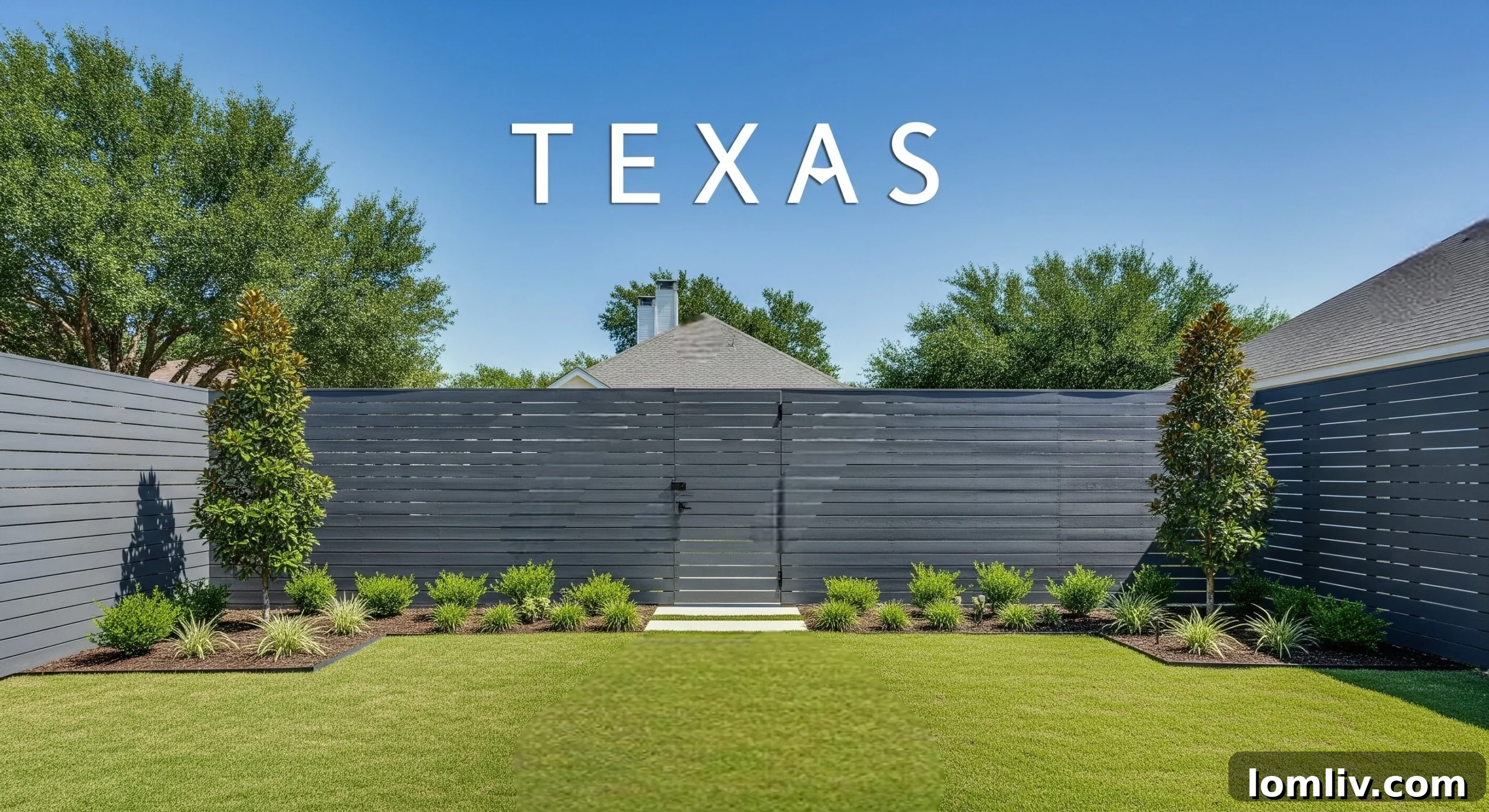
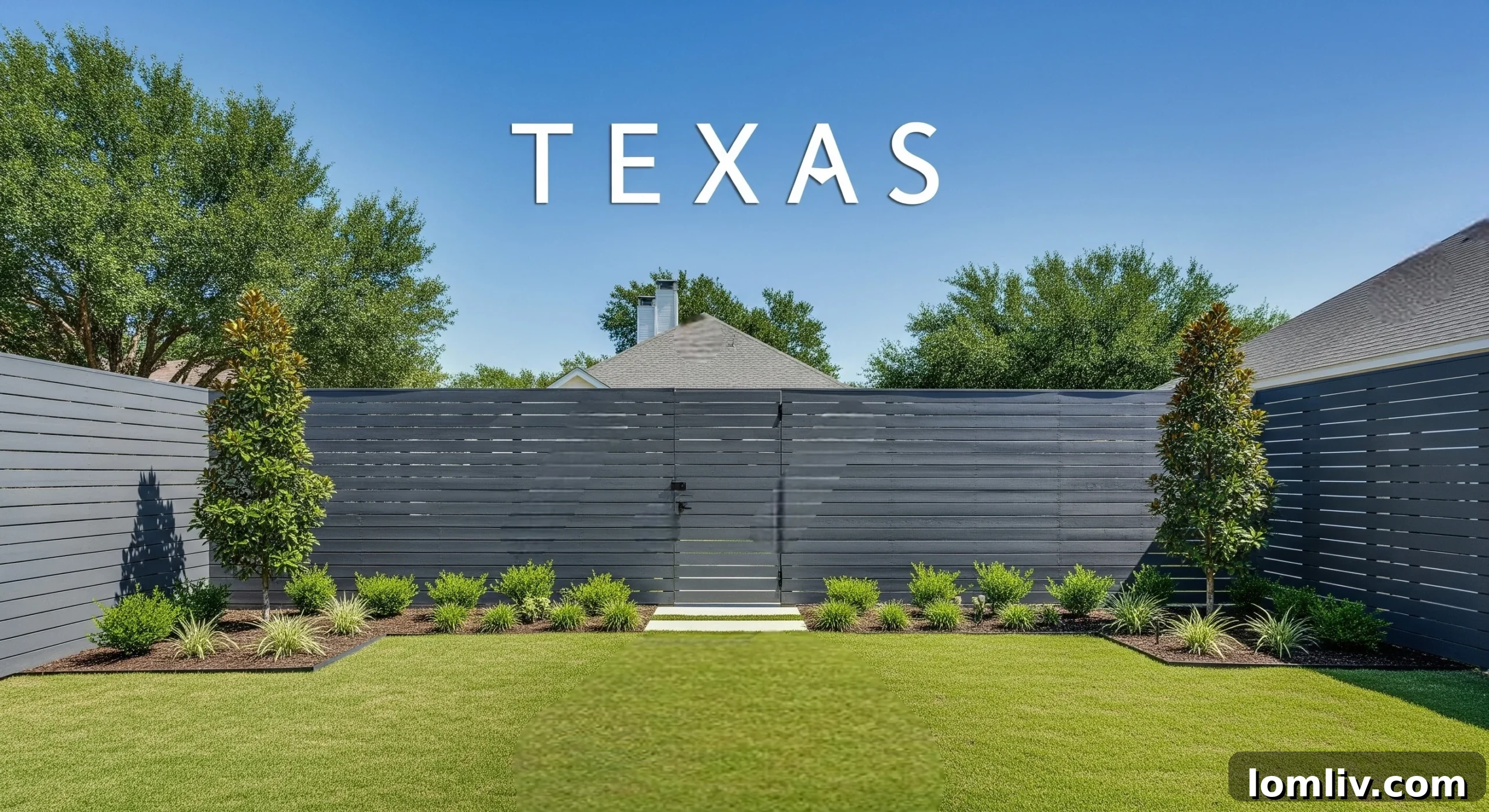
In the expansive and diverse landscapes of Texas, a backyard fence is far more than a mere property marker; it’s a fundamental element in crafting an optimal outdoor living experience. Today, fences are integral to defining personal sanctuaries, offering essential privacy, and providing robust security for families and pets. They must also possess the resilience to withstand Texas’s often challenging climate, characterized by prolonged periods of intense heat, sudden heavy downpours, and strong winds. For discerning Texas homeowners, the fence design is also a critical aesthetic choice, serving to seamlessly extend the architectural style of the home into the backyard. This integration ensures a cohesive and visually appealing outdoor space that enhances the overall property value and curb appeal.
As we look towards 2025, the trends in Texas backyard fencing clearly emphasize a harmonious blend of exceptional durability and sophisticated design. Homeowners are increasingly seeking fencing solutions that not only promise longevity and low maintenance in the face of local weather conditions but also adhere to specific city ordinances and Homeowners Association (HOA) regulations. Crucially, these fences must also contribute significantly to the home’s aesthetic charm, elevating its curb appeal. This year marks a significant shift in material preferences, with a growing demand for innovative options that require minimal upkeep. Concurrently, fence styles are evolving to better accommodate the contemporary desire for versatile outdoor living spaces, moving beyond purely functional boundaries to become active components of garden design and lifestyle.
Understanding the current and emerging fence trends that are particularly well-suited for the unique Texas environment empowers homeowners to make informed decisions. The goal is to design and install a fence that not only meets practical requirements but also feels like an organic, intentional extension of their cherished home and outdoor lifestyle.
Top Modern Backyard Fence Styles for 2025 in Texas
Horizontal Slat Fences: The Epitome of Modern Design
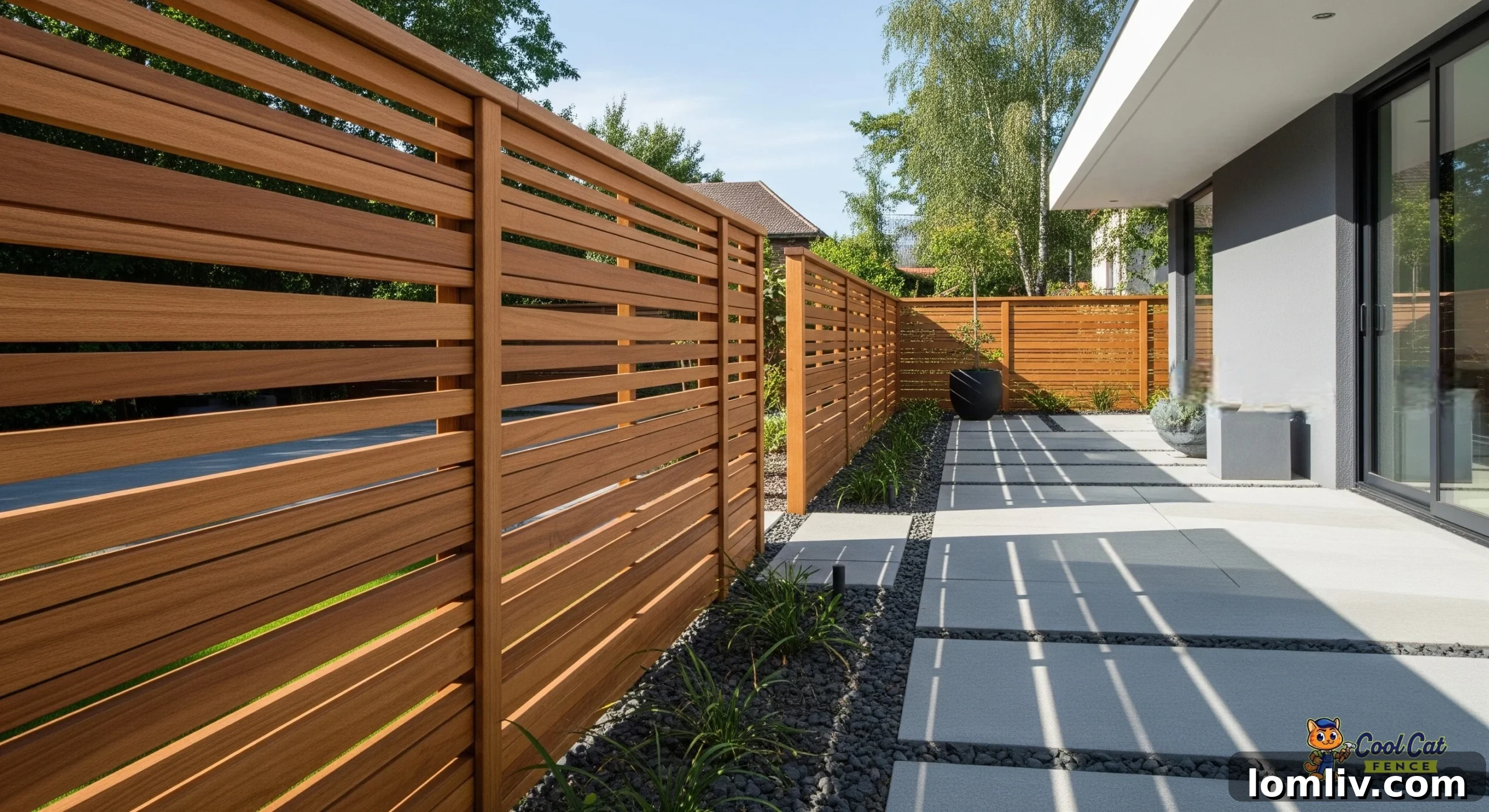
Horizontal slat fences continue to gain immense popularity, particularly in newer developments and contemporary suburban builds across Texas. This distinctive style, where fence boards are oriented horizontally rather than vertically, immediately imparts a clean, expansive, and decidedly modern aesthetic. It’s a perfect complement to homes featuring minimalist architecture, large windows, and open-plan outdoor areas. The visual lines created by the horizontal slats can make a yard appear wider and more spacious, a desirable effect in many urban and suburban settings.
Homeowners have considerable flexibility with horizontal slat designs. Some prefer wider spacing between boards to allow for greater airflow and dappled light, creating a semi-private, airy feel. Others opt for tighter spacing or even overlapping boards to achieve maximum privacy and a solid barrier against external views. This versatility makes it adaptable to various backyard needs, from casual lounging areas to secluded relaxation zones. Material choices are diverse, ranging from natural cedar or redwood, which offer warmth and character, to more durable options like composite decking boards or even metal, providing superior longevity and minimal maintenance. This style seamlessly integrates with modern landscaping, concrete patios, and drought-tolerant gardens, requiring very little upkeep to maintain its striking appearance year after year.
Board-on-Board Privacy Fences: Unmatched Seclusion and Durability
For Texas families prioritizing ultimate privacy and robust security, board-on-board fences remain a premier choice. This traditional yet highly effective construction method involves overlapping planks, ensuring there are absolutely no gaps through which outsiders can see. The design provides a solid visual barrier, transforming a backyard into a truly secluded retreat. This level of privacy is invaluable in densely populated neighborhoods or properties adjacent to busy streets.
Beyond visual privacy, the dense construction of board-on-board fences offers significant acoustic benefits. The overlapping planks and thicker build effectively dampen street noise and sounds from neighboring properties, contributing to a quieter, more peaceful outdoor environment. This makes them an excellent investment for homes situated near thoroughfares or commercial areas. Furthermore, the substantial construction of board-on-board fences inherently provides superior strength and stability. They are exceptionally well-equipped to withstand the strong winds and heavy rains common in Texas, offering greater resilience compared to lighter fence styles. For homeowners with active children or pets, this added strength provides crucial peace of mind, ensuring a secure enclosure. While often built with treated pine or cedar for their natural beauty and durability, maintenance typically involves periodic staining or sealing to protect the wood from the elements and extend its lifespan.
Mixed Material Fences: Blending Aesthetics with Structural Integrity
The trend of combining different materials in fence construction is on the rise, offering a sophisticated blend of natural aesthetics and enhanced structural integrity. It’s increasingly common to see the classic appeal of wood panels beautifully complemented by robust steel, aluminum, or composite posts. This innovative approach capitalizes on the strengths of each material: the wood panels provide the desirable organic texture and warmth that homeowners cherish in a backyard setting, while the non-wood posts introduce superior strength, stability, and longevity.
This mixed-material strategy is particularly advantageous in Texas, especially in areas with expansive clay soils prone to shifting. Unlike traditional all-wood posts that might eventually lean or warp due to ground movement and moisture exposure, steel or composite posts offer exceptional resistance to these environmental challenges, ensuring the fence remains perfectly straight and secure for decades. Aesthetically, the combination creates a contemporary and refined look that can seamlessly update an older home or perfectly complement the sleek lines of new construction. Homeowners can experiment with various combinations, such as natural wood slats with black metal posts for a modern farmhouse feel, or concrete bases with decorative stone and wood infills for a more architectural statement. This blend not only fortifies the structure but also elevates the overall design, allowing for greater customization and a truly unique backyard enclosure.
Eco-Friendly Fence Builds: Sustainable Solutions for a Greener Texas
The growing emphasis on sustainability has led more Texas homeowners to explore eco-friendly fencing options, recognizing their dual benefits of environmental responsibility and long-term performance. The market now offers an expanding range of sustainable materials that are readily available and specifically engineered to thrive in the Texas climate while minimizing ecological impact. These options include bamboo panels, celebrated for their rapid renewability and unique aesthetic; recycled composite materials, which repurpose plastics and wood fibers into highly durable planks; and certified lumber from sustainably managed forests.
A significant draw of these eco-friendly materials is their remarkable resilience. They are expertly designed to withstand the harsh Texas sun, resist moisture from sudden storms, and deter pests, often outperforming traditional untreated woods. Furthermore, many sustainable options come with the added benefit of significantly reduced maintenance requirements. Unlike conventional wood fences that demand frequent staining or sealing, composite and bamboo fences typically require little more than occasional cleaning, freeing up valuable time and resources. This reduced upkeep translates into long-term cost savings, making them a smart and economical choice over their lifespan. Beyond personal benefits, investing in a sustainable fence can enhance a property’s appeal to environmentally conscious buyers, adding tangible value for those considering resale in the future. It’s a decision that benefits both the homeowner and the planet.
Enhancing Functionality and Personalizing Your Texas Backyard Fence
Integrated Lighting and Smart Features: Extending Outdoor Living
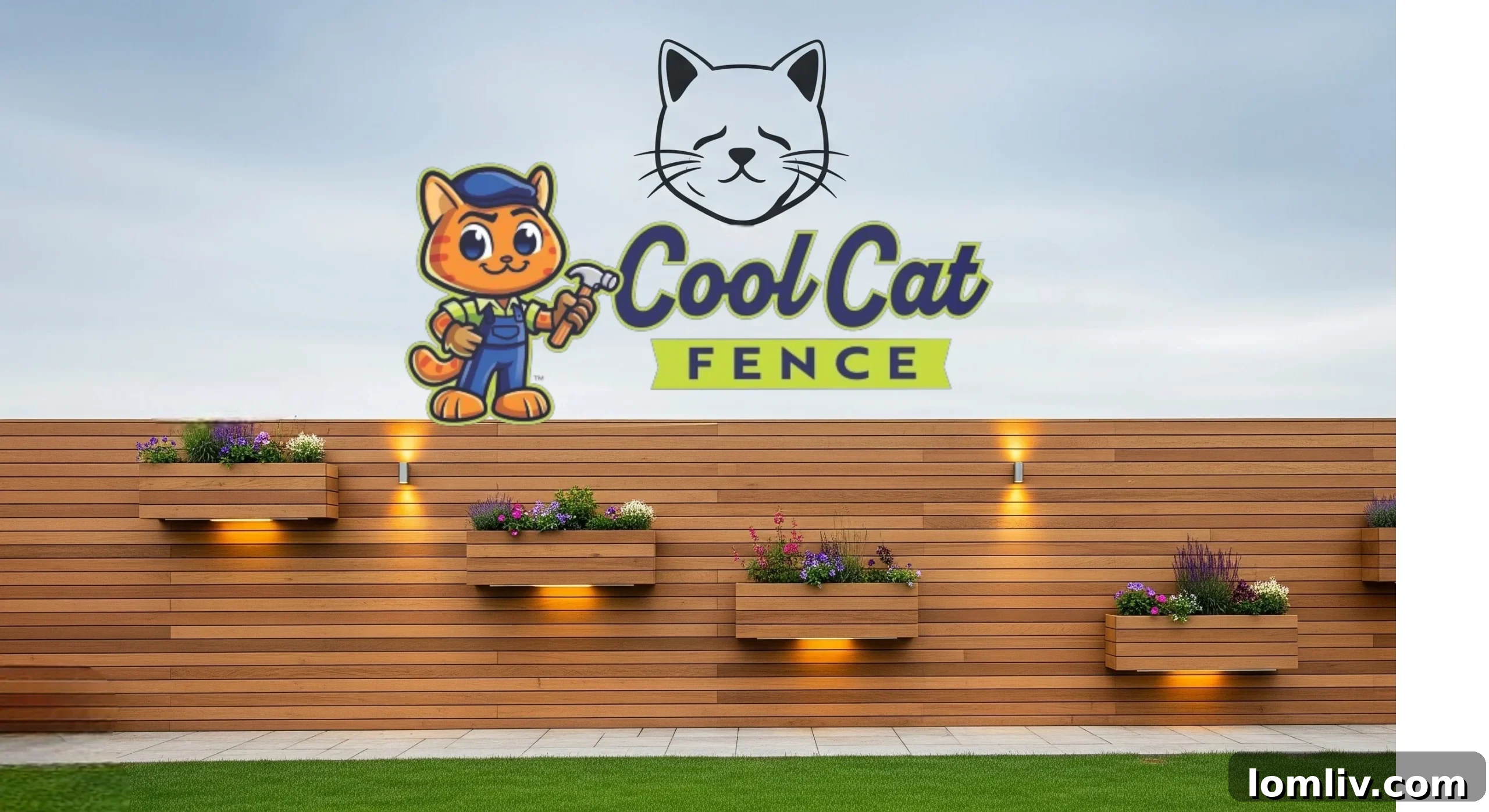
Fences are no longer confined to their daytime roles; they are becoming crucial elements in extending the usability and ambiance of the backyard well into the evening. A rising trend involves integrating various lighting solutions and smart features directly into the fence line, transforming the outdoor space into a welcoming and secure environment after sunset. Options abound, from subtle solar post caps that provide gentle ambient light to strategically placed low-voltage LED strips that illuminate pathways or highlight architectural features of the fence. Motion-activated lights can be integrated along the fence line, significantly enhancing security by deterring intruders and providing practical illumination when needed. Many homeowners are also exploring smart home integration, allowing them to control fence lighting remotely, adjust brightness, or even schedule lighting sequences to create specific moods for outdoor entertaining or quiet evenings.
In Texas, where outdoor dinners, social gatherings, and family time often extend late into the night, these lighting upgrades are both eminently practical and stylish. They not only improve visibility and safety but also define outdoor living zones, accentuating landscaping and architectural elements. The right lighting can create a cozy, intimate atmosphere for a fire pit area or a vibrant, energetic vibe for a poolside party, making the backyard truly usable around the clock and adding a layer of sophisticated functionality.
Planter Boxes and Vertical Gardens: Bringing Greenery to Your Boundaries
Infusing life and color into a fence through integrated greenery is another popular way to personalize outdoor spaces, especially in urban and suburban Texas yards where horizontal space might be limited. Attachable planter boxes and vertical garden panels offer ingenious solutions to turn an otherwise plain fence into a dynamic, living backdrop. These additions allow homeowners to cultivate a variety of plants, from fragrant herbs and vibrant climbing vines to hardy, drought-tolerant flowers and succulents, all of which thrive in the abundant Texas sun. The result is a lush, vibrant display that adds both aesthetic appeal and a natural layer of privacy.
For smaller yards, vertical gardens are a particularly brilliant innovation, providing significant green space without encroaching on precious ground-level square footage. They can transform a drab fence into a focal point, attract pollinators, and even contribute to a cooler microclimate around the fence line. Homeowners can choose materials that complement their existing fence, whether it’s rustic wood boxes, sleek metal planters, or modular composite panels. This integration of horticulture directly onto the fence line creates a seamless transition between the built environment and natural landscaping, making the entire backyard feel more cohesive, inviting, and alive.
Functional Gates, Robust Hardware, and Clever Hidden Storage
The true utility of a fence often lies in its details, and thoughtful consideration of gates, hardware, and integrated storage can dramatically enhance daily functionality. Simple modifications, like opting for a wider gate opening, can make a world of difference when moving large lawn equipment, wheelbarrows, or even party supplies in and out of the backyard. The choice of hardware is also critical: heavy-duty, self-latching mechanisms provide superior security for pets and children, ensuring they remain safely within the yard while offering peace of mind to homeowners.
Taking functionality a step further, some creative homeowners are integrating discreet storage compartments directly into the fence line. These cleverly designed spaces can be used to stash away garden hoses, pool cleaning gear, children’s outdoor toys, or even small tools, keeping the yard tidy and organized without requiring separate storage sheds. These often-overlooked touches significantly boost convenience and contribute to a perpetually neat and aesthetically pleasing outdoor environment. From decorative yet sturdy hinges to automated gate openers for ultimate ease of access, every element can be chosen to optimize both the practicality and the overall experience of living with your fence.
Creating Private Wellness Corners: Your Backyard Sanctuary
In an increasingly fast-paced world, the backyard fence is evolving beyond a simple boundary to become an essential tool for carving out serene, private wellness corners at home. Homeowners are intentionally using shielded sections of their yards to create dedicated spaces for mindfulness practices such as meditation, gentle stretching, or post-workout recovery. These secluded spots offer a much-needed escape, fostering a sense of calm and personal retreat. The trend is further amplified by the growing availability of specialized outdoor wellness products, such as portable backyard saunas and invigorating cold-plunge tubs. Companies like Kyfe are making these once-niche items more accessible, allowing homeowners to integrate professional-grade wellness experiences directly into their private outdoor spaces.
A sturdy, well-designed privacy fence provides the perfect backdrop for these wellness additions, ensuring that these personal routines can be enjoyed without external distractions or intrusions. For Texas families, where backyards often serve multiple purposes—from play areas to entertainment zones—the ability to also function as a personal retreat is highly valued. Pairing a robust privacy fence with carefully selected wellness features creates a space that feels deeply private, supremely comfortable, and meticulously tailored to support daily routines for physical and mental well-being. This intentional design transforms the backyard into a holistic extension of the home, promoting relaxation and rejuvenation right at your doorstep.
Essential Fence Requirements for Texas Homeowners
Understanding Typical Fence Heights and Regulations
Before embarking on any fence construction project in Texas, it’s crucial to understand local height regulations. In most residential areas, a backyard fence can typically be built up to six feet tall without requiring a special permit from the city. However, any fence exceeding this height, or fences that face a public street or are located directly on a primary property line, may necessitate additional city approval or a specific permit. These regulations are designed to maintain neighborhood aesthetics, ensure safety, and prevent disputes between neighbors. Homeowners considering extra height for enhanced privacy, superior noise reduction, or specific design elements must thoroughly review their city’s zoning ordinances and building codes well in advance of starting construction. Neglecting to obtain necessary permits can lead to costly fines, mandatory modifications, or even the complete removal of the fence. Consulting with local planning departments or an experienced fencing contractor can help navigate these requirements and ensure full compliance.
Specific Pool Enclosure Rules for Enhanced Safety
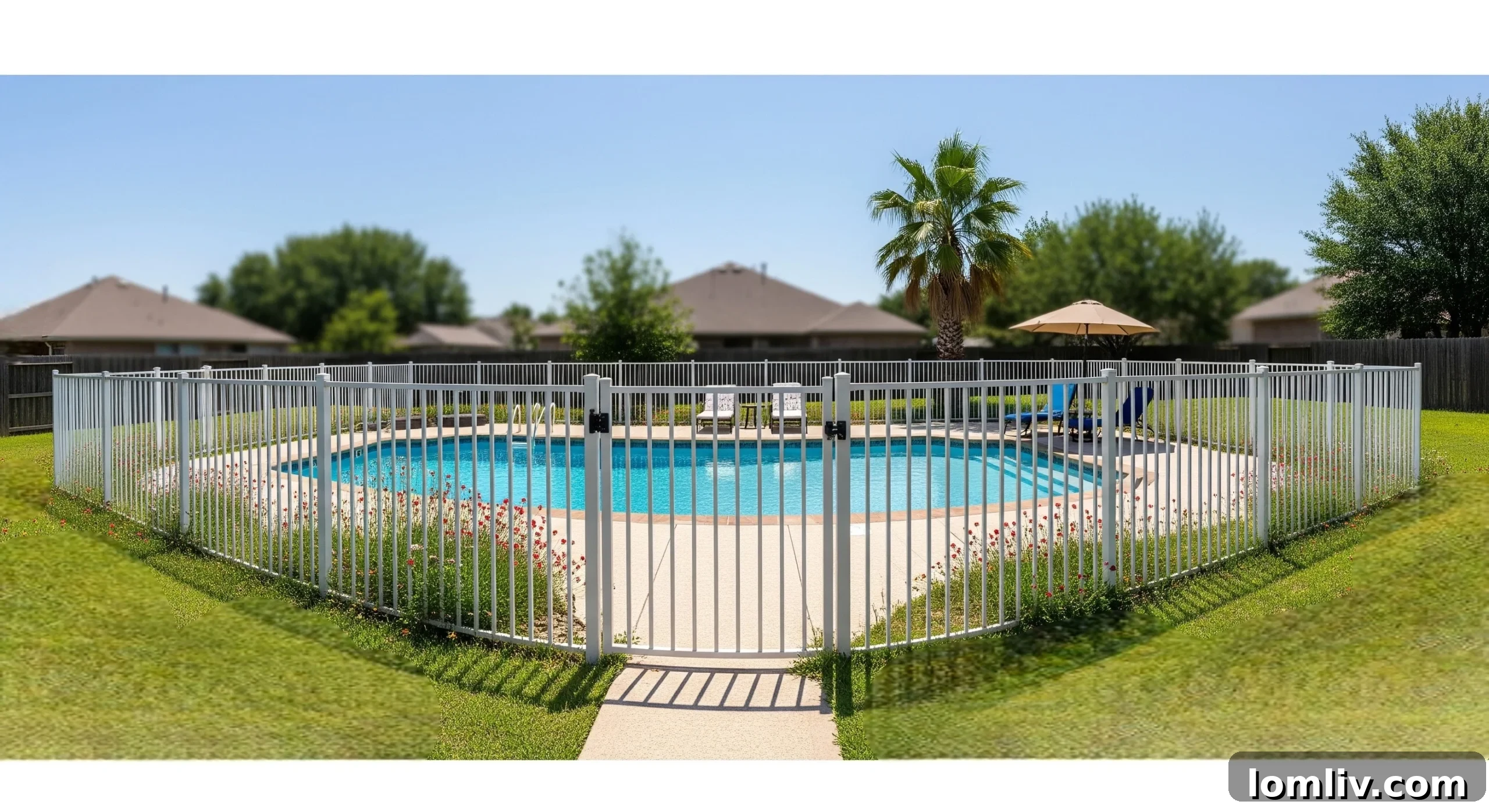
For Texas homes featuring a swimming pool, safety regulations concerning fence enclosures are exceptionally strict and detailed, reflecting the paramount importance of preventing accidents. According to most municipal codes and state guidelines, a pool fence must be at least 48 inches (four feet) tall when measured from the ground. Crucially, any openings or gaps within the fence structure cannot exceed four inches in width, a measure designed to prevent small children from squeezing through. Gates are subject to even more stringent requirements: they must be self-closing and self-latching, with the latch situated at a height inaccessible to young children (typically at least 54 inches from the ground). Furthermore, gates must open outwards, away from the pool area. Building inspectors pay close attention to these specific details during property inspections, and non-compliance is one of the most common reasons a new pool fence gets flagged, potentially delaying occupancy or requiring costly remedial work. Adhering to these safety codes is not just a legal obligation but a vital step in ensuring the well-being of residents and visitors.
Navigating HOA and Neighborhood Standards
Beyond municipal codes, many Texas communities, particularly those governed by Homeowners Associations (HOAs), impose their own specific standards and architectural guidelines for fences. These rules can be highly detailed, often dictating acceptable fence heights, a limited palette of approved materials, or even specific color schemes to maintain a consistent neighborhood aesthetic. Before initiating any fence construction, it is imperative for homeowners to meticulously review their HOA’s Covenants, Conditions, and Restrictions (CC&Rs) and architectural guidelines. Many HOAs require pre-approval for any exterior modifications, including fence installations, and may have an architectural review board that must sign off on plans. Checking this paperwork early in the planning process can prevent significant headaches, costly modifications, or even legal disputes down the line. Ensuring your fence design aligns perfectly with neighborhood standards not only avoids potential conflicts but also contributes to the harmonious visual appeal and property values of the entire community.
The Value of Local Installation Experts
While design is a critical component of any fence project, its lasting success hinges significantly on proper installation. A beautifully designed fence, if not correctly installed, will quickly succumb to the intense Texas summer heat, severe storms, or the challenges of shifting clay soils. This is precisely why engaging local professional contractors is invaluable. Local experts possess an intimate understanding of specific regional building codes, the unique climatic challenges of Texas, and the most reliable materials and construction techniques for the area. Companies like Cool Cat Fence, offering residential and commercial services in regions such as Dallas, exemplify the kind of expertise that can skillfully balance a homeowner’s aesthetic goals with all necessary practical and regulatory requirements. Working with seasoned professionals streamlines the entire process, from initial design and material selection to permit acquisition and final construction, ultimately ensuring the finished product is not only visually stunning but also structurally sound, durable, and designed to last for many years to come.
Budget and Long-Term Maintenance Considerations for Texas Fences
Cost Ranges for Fencing in 2025: An Investment Breakdown
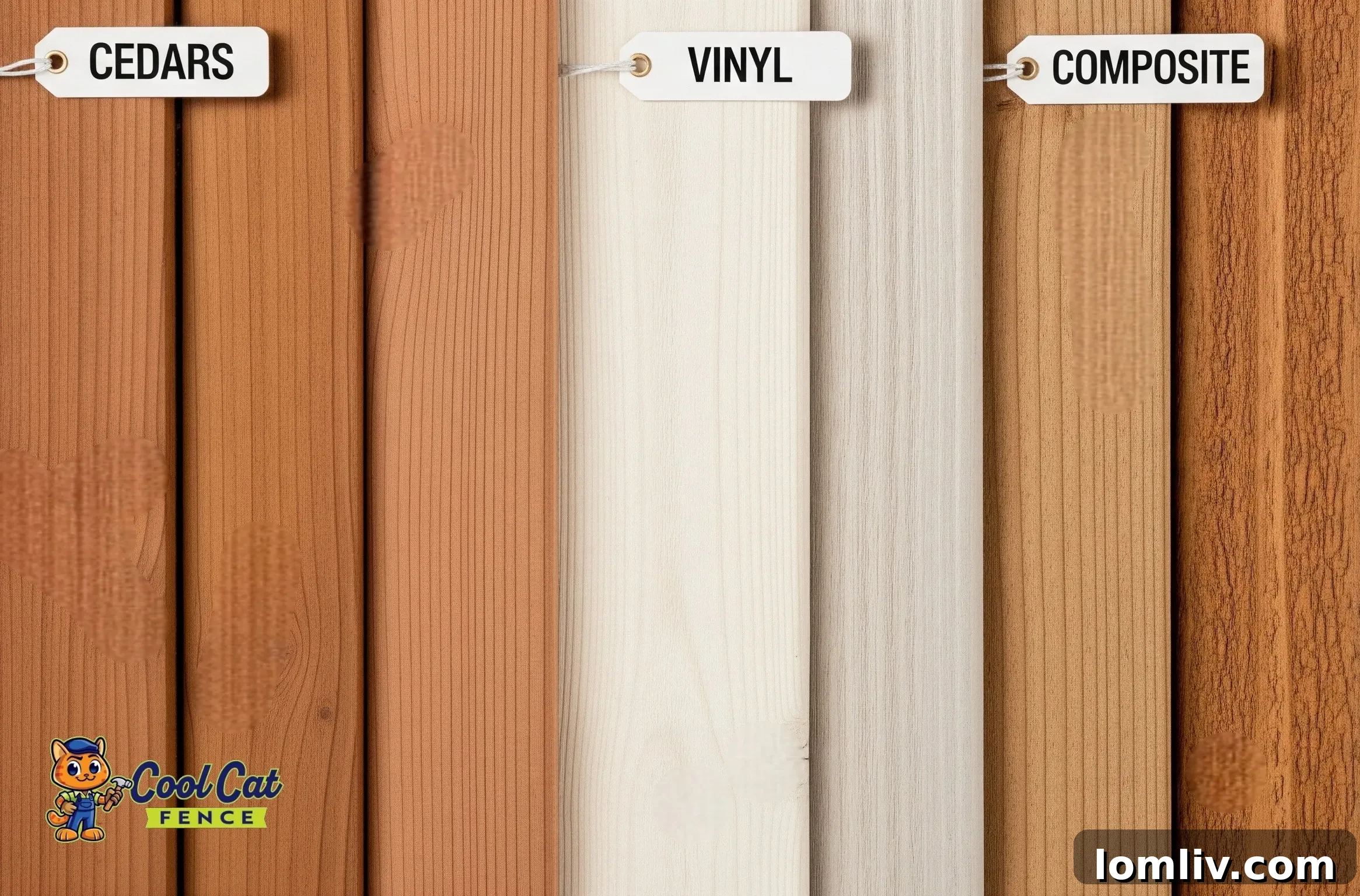
The total cost of installing a new fence in Texas can vary substantially, influenced primarily by the chosen material, design complexity, and local labor rates. As of 2025, a standard pressure-treated wood fence typically ranges from $20 to $45 per linear foot, with premium options like cedar or redwood often commanding prices at the higher end of this spectrum due to their natural resistance to rot and insects, as well as their aesthetic appeal. Vinyl fencing, a popular choice for its low maintenance, generally runs a bit higher, ranging from $25 to $50 per linear foot. While the upfront cost may be slightly more, vinyl’s virtually maintenance-free nature often translates to significant long-term savings. For those seeking the ultimate in durability and cutting-edge design, composite or hybrid fence designs, which blend wood fibers with synthetic materials, typically fall between $35 and $60 per linear foot. Though these options represent a higher initial investment, they are engineered to offer superior longevity and performance in the demanding Texas climate, often retaining their fresh appearance and structural integrity for decades with minimal intervention. Understanding these ranges helps homeowners budget realistically and weigh the benefits of different material choices against their financial plans.
Long-Term Maintenance Needs: Understanding the True Cost
When evaluating fence options, the initial purchase and installation price represent only a portion of the total cost of ownership. Long-term maintenance requirements play a crucial role in determining the true financial and time commitment over the lifespan of the fence. Traditional wood fences, for example, necessitate regular attention. To protect against the harsh Texas sun, relentless humidity, and occasional heavy rains, they typically require staining or sealing every few years. This maintenance task involves both the cost of materials and a significant investment of time, whether performed by the homeowner or a professional. Skipping this vital upkeep can lead to premature aging, warping, rotting, and a diminished appearance, necessitating earlier replacement.
In contrast, materials like vinyl and composite fencing are celebrated for their remarkably low maintenance needs. These modern alternatives generally require little more than an occasional rinse with a garden hose to remove dirt, dust, or mildew. They resist fading, warping, and insect damage without the need for paints, stains, or sealants. Factoring these ongoing upkeep costs into the overall budget allows homeowners to gain a clearer picture of the long-term expenditure. For many, spending a bit more upfront on a low-maintenance material is a wise investment that saves considerable time, effort, and money over the years, contributing to a more enjoyable and hassle-free outdoor living experience.
Quick Checklist for Bringing Your Texas Backyard Fence Ideas to Life
- Define Your Core Needs: Begin by clearly identifying the primary purpose of your fence. Do you need maximum privacy, enhanced security for children and pets, a distinct aesthetic upgrade, or a combination of these elements? Understanding your priorities will guide all subsequent decisions.
- Select Climate-Resistant Materials & Style: Choose fencing materials and a design that not only complements your home’s architecture but is specifically engineered to endure the unique and often harsh weather conditions prevalent in Texas. Consider materials known for their durability against heat, humidity, and strong winds.
- Explore Functional & Aesthetic Upgrades: Think beyond the basic barrier. Evaluate adding integrated features like subtle lighting along posts for evening ambiance and security, or incorporate vertical planters and garden panels to infuse greenery and natural beauty into your outdoor space.
- Verify Local Regulations & HOA Rules: Before any groundbreaking, meticulously double-check all local city requirements, zoning laws, and any specific guidelines stipulated by your neighborhood’s Homeowners Association. This crucial step helps prevent costly delays, fines, or mandatory design changes later on.
- Partner with Local Installation Experts: Collaborate with a reputable and experienced local fence installer. Professionals who understand Texas building codes and climate challenges will ensure your fence is not only aesthetically pleasing but also structurally sound, durable, and built to last for many years to come.
Conclusion: Crafting Your Ideal Texas Backyard Experience with the Perfect Fence
In 2025, a backyard fence in Texas is unequivocally recognized as an integral component of contemporary outdoor living, extending far beyond its traditional role as a mere property demarcation. Homeowners are strategically leveraging fences to cultivate intimate privacy, effectively mitigate external noise, and introduce sophisticated design elements that harmonize seamlessly with the broader landscape of their yard. The market now boasts an impressive array of options, catering to virtually every aesthetic preference and budgetary constraint—from the sleek lines of modern horizontal slat designs and robust board-on-board privacy solutions to innovative eco-friendly panels and incredibly low-maintenance composite materials.
The key to a truly successful fence project lies in thoughtfully balancing desired design aspirations with essential practical considerations. This involves a meticulous approach to understanding and adhering to local permits and regulations, accurately assessing long-term maintenance requirements, and securing professional, expert installation. When these elements are harmonized, the result is more than just a fence; it’s a meticulously crafted outdoor feature that not only significantly elevates your home’s aesthetic appeal and functionality but also promises to enhance your family’s quality of life and property value for many years to come. Investing in a well-planned and professionally installed fence is an investment in your home’s enduring beauty, security, and tranquility.