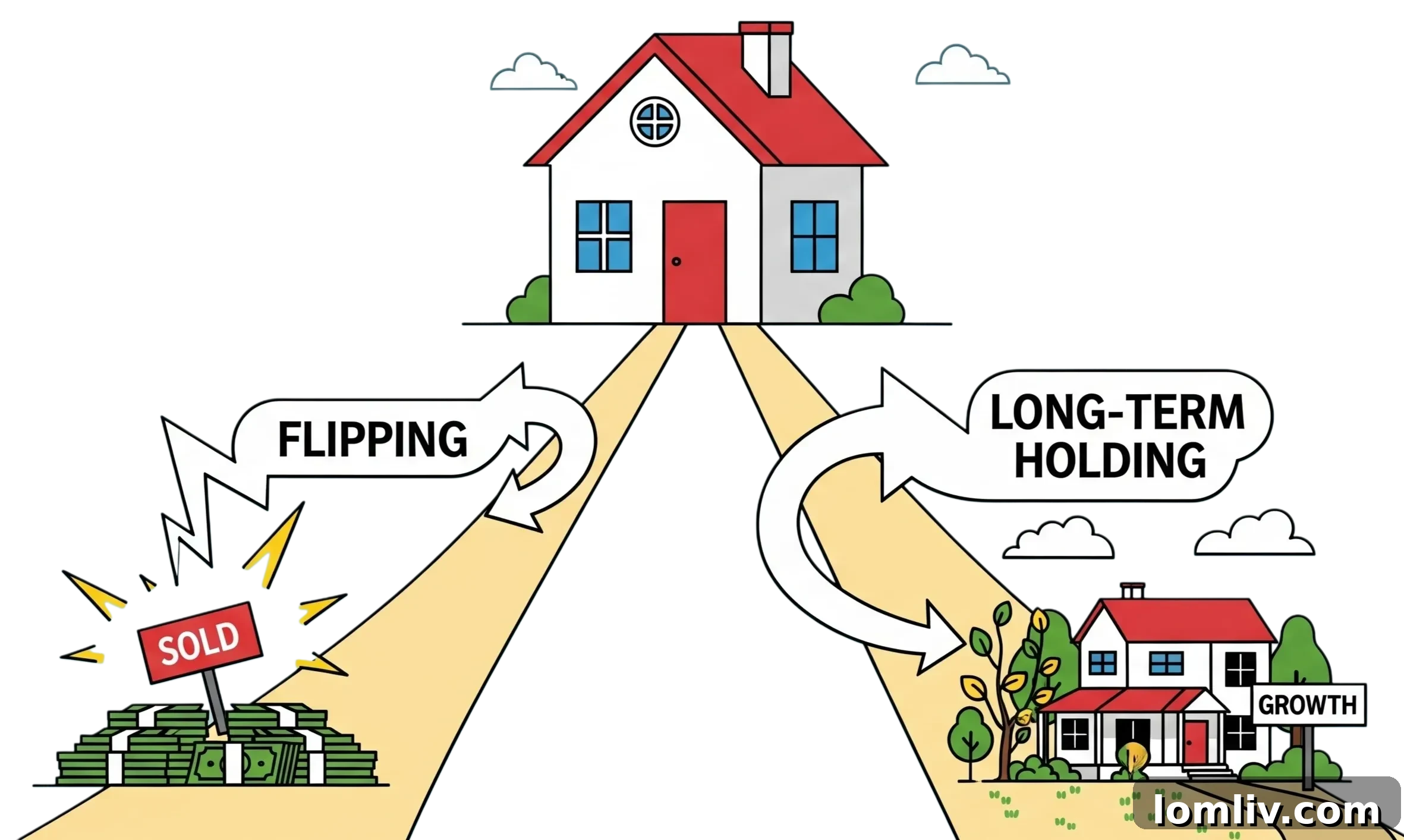
The real estate markets across the United States and Canada continue to present a dynamic landscape for investors. Influenced by fluctuating interest rates, evolving local job markets, and persistent supply constraints, 2025 stands as a pivotal year for those looking to invest in property. A key strategic decision looms: whether to pursue a property flip for quick gains or opt for a long-term hold, benefiting from steady appreciation and consistent rental income. Both strategies hold considerable merit, but their success hinges on several critical factors, including the chosen location, the financing structure, and an investor’s personal risk tolerance.
This comprehensive guide offers a practical, fact-driven approach to navigating these choices, providing actionable insights designed to empower your investment decisions.
Understanding the Evolving Market Landscape for 2025

As we look towards 2025, the housing market is anticipated to remain characterized by tight inventory levels in numerous metropolitan areas. While interest rates have eased from their recent peaks, they are not expected to revert to the historically low levels seen in previous years. This environment fosters a “quality-of-buy” market, where strategic acquisitions and well-executed plans yield the most significant returns.
In the U.S., the trend of migration towards more affordable, yet job-rich, metropolitan areas is projected to continue its robust trajectory. Similarly, in Canada, demand remains resilient in cities that offer greater value compared to their more expensive core counterparts. For investors, this translates into a heightened emphasis on the entry price, the scope of necessary renovations, and the efficacy of the financing plan. A meticulous approach to these elements will directly correlate with the success of your investment.
Before committing to either a flipping or holding strategy, it is imperative to narrow your focus to specific neighborhoods within your target metro. Submarkets, even within the same city, can exhibit vastly different market behaviors. Areas experiencing an influx of new employers, significant transit infrastructure improvements, or upgrades to local school systems often outperform adjacent locales that lack such catalysts. Thorough local research is paramount to identifying these pockets of opportunity.
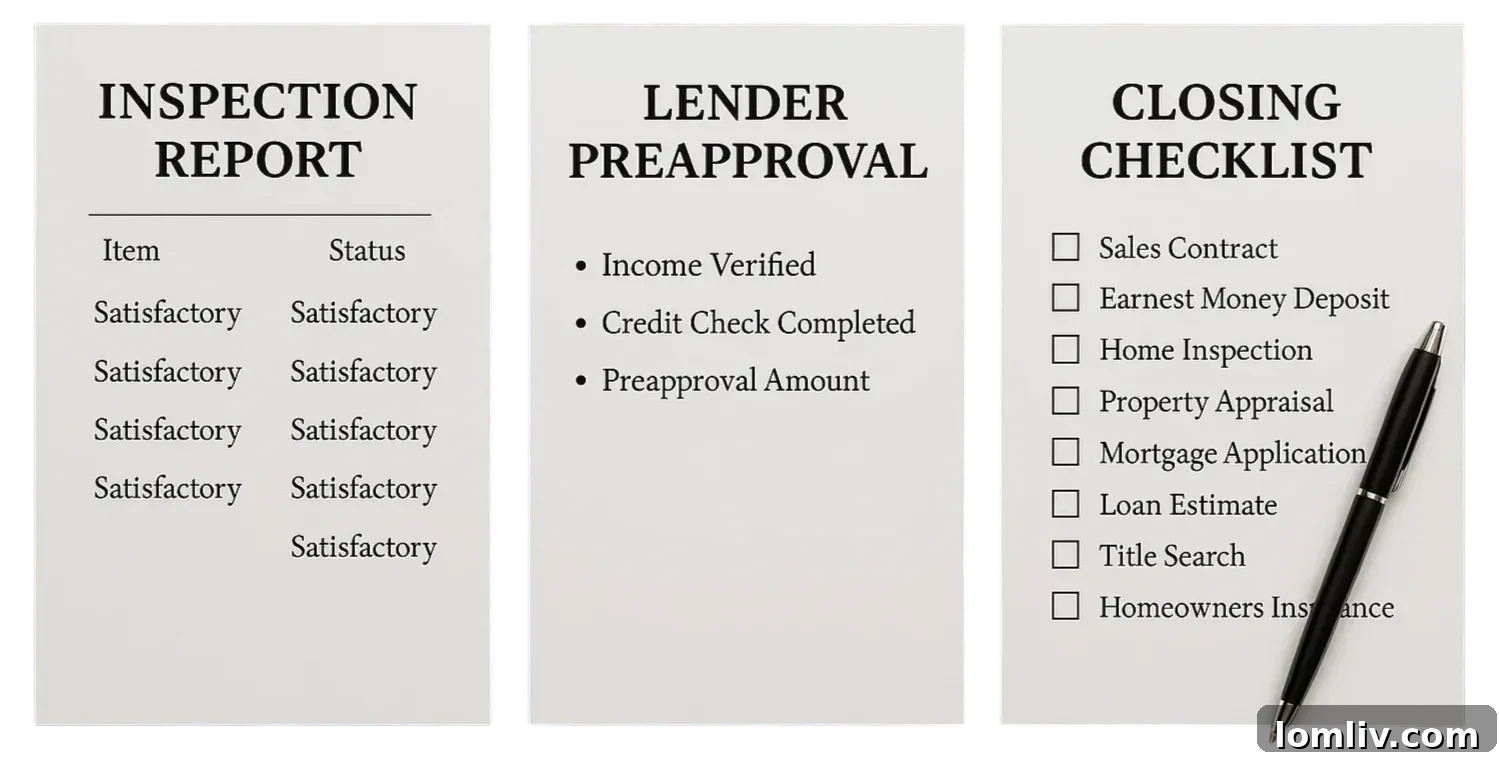
As you evaluate potential properties, establish a comprehensive closing checklist early in the process. Proactively gather and review your Closing Disclosure, title documents, and proof of insurance. This preparedness allows you to act swiftly and decisively when an attractive deal emerges, minimizing last-minute friction and avoiding costly delays at the closing table. An organized approach from the outset sets the stage for a smoother transaction and greater peace of mind.
Flipping Properties in 2025: Navigating Risks and Maximizing Rewards
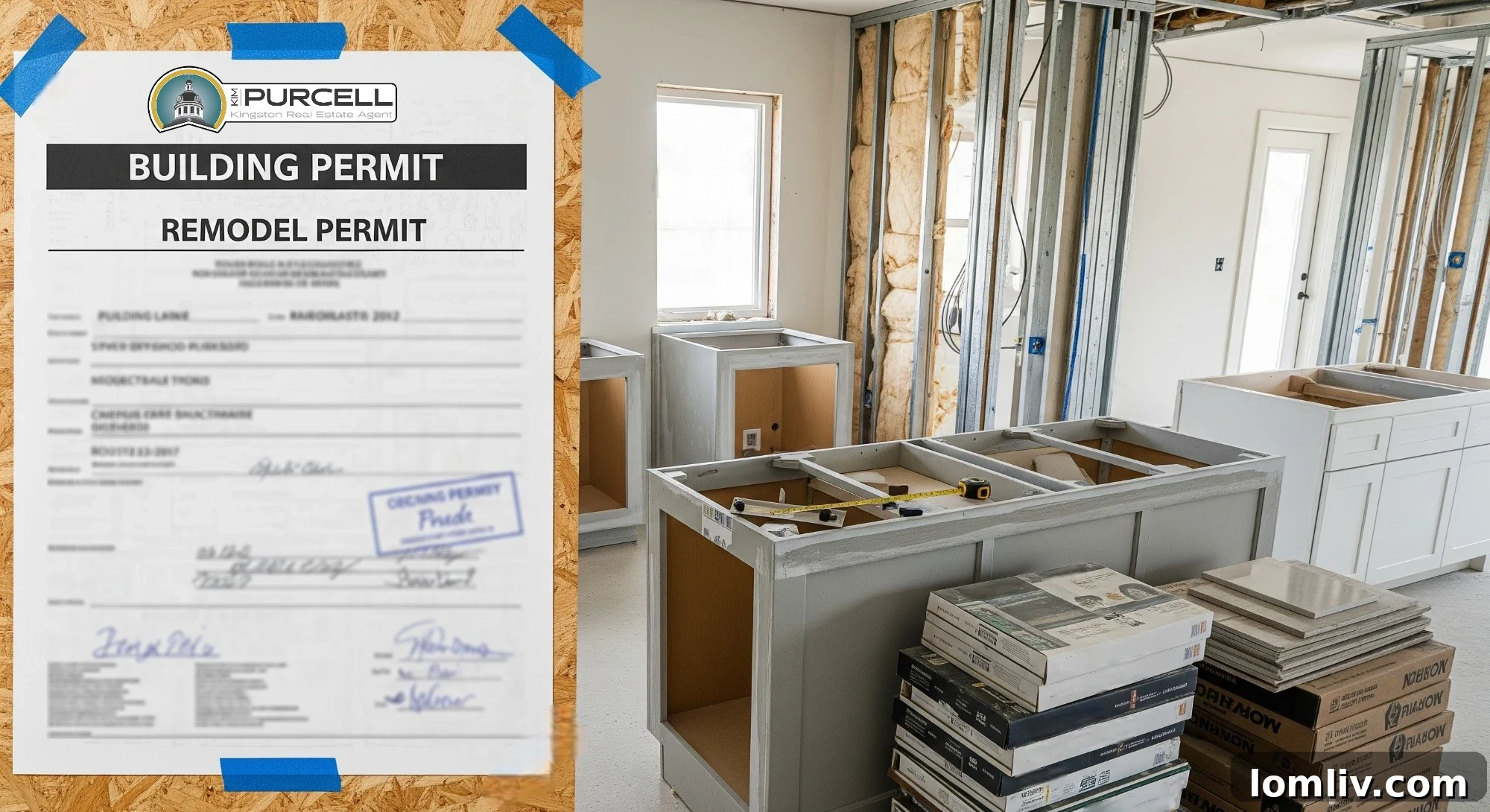
The art of property flipping—buying, renovating, and quickly reselling—is fundamentally about precision. Success in 2025 will require astute purchasing, rigorous cost control during renovations, and an accurate read of buyer demand. While the concept appears straightforward, executing a profitable flip in the current market demands sharper project management skills and a keen understanding of market nuances.
- Managing Costs and Timelines: Expect material and labor costs to remain elevated in many markets. Furthermore, permit backlogs, a lingering effect of increased demand and supply chain issues, can significantly push project timelines. It is crucial to construct a conservative budget that includes a substantial 10 to 15 percent contingency fund for unforeseen expenses. This buffer is vital to prevent carrying costs, such as interest on loans and utilities, from eroding your potential profit margin. A detailed project schedule, with realistic milestones and buffer periods, is equally important.
- Identifying Block-Level Demand: Profitability in flipping is often determined by hyper-local market dynamics. Focus on neighborhoods exhibiting robust household formation, strong resale comparables (comps), and a clear ceiling price that can be achieved post-renovation. Engage in boots-on-the-ground research: walk the streets at different times of day to gauge activity, speak with local property managers for insights into rental demand, and consult contractors about prevailing “must-have” features for buyers in the area. These granular details offer invaluable competitive intelligence.
- Strategic Renovation Choices: The goal of renovation in a flip is to maximize return on investment (ROI). Prioritize repairs and upgrades that demonstrably enhance buyer confidence and appraisal value. Kitchen and bathroom remodels, updates to major systems (HVAC, electrical, plumbing), and improvements to curb appeal consistently yield higher returns than purely cosmetic changes. Focus on creating broad appeal and addressing any functional deficiencies that might deter potential buyers, rather than over-customizing.
When drafting an offer, safeguard your investment with a comprehensive inspection playbook. Immediately schedule a full home inspection. Be prepared to negotiate repairs or credits if significant issues are uncovered. Collaborating with a top real estate agent who specializes in investment properties can significantly strengthen your negotiating position, particularly regarding repair credits, appraisal gaps, and managing timeline-related risks. Their expertise can prove invaluable in a competitive market.
In highly competitive bidding situations, consider shortening the inspection window rather than waiving it entirely. This strategy allows you to maintain an exit option should a major, undisclosed defect surface, while still making your offer attractive to sellers. Most buyers operate within a standard 7- to 10-day inspection period, with sellers typically responding to requests for repairs or credits within a few days thereafter. Understanding and strategically utilizing these timelines is crucial.
Successful flips remain achievable for investors who acquire properties with sufficient profit margins, meticulously control the scope of renovations, and act decisively throughout the process. The most significant risks include timeline slippage, unexpected change orders, and a softening resale market that can inflate holding costs beyond initial projections.
The Long-Term Hold: Building Enduring Wealth Through Time, Rent, and Prudent Management
The long-term hold strategy offers a path to wealth accumulation that combines gradual property appreciation with consistent rental income. This income helps to offset the monthly mortgage payments, property taxes, insurance, and maintenance costs. For investors who prefer more predictable returns and wish to minimize day-to-day project management risks associated with flipping, the long-term hold often proves to be a more suitable investment lane.
- Sustained Rental Demand: Ongoing affordability pressures mean that a significant segment of the population remains in the rental pool, unable or unwilling to purchase homes. This demographic trend provides a robust foundation for occupancy rates and supports steady rent growth in well-chosen neighborhoods. Investors should target areas with strong employment bases, desirable schools, and convenient access to amenities to ensure enduring rental demand.
- Favorable Tax Treatment: In the United States, long-term capital gains tax rates are generally lower than short-term rates, providing a significant advantage for properties held for more than a year. Furthermore, rental property owners can often benefit from depreciation deductions, which can reduce taxable income. In Canada, principal residence exemptions and other strategic planning opportunities can help reduce tax liabilities when properties are utilized appropriately. It is absolutely essential to consult with a licensed tax professional to structure your property ownership in a manner that optimizes tax benefits for your specific financial situation.
- Compounding Effects and Equity Growth: Each rental payment contributes not only to covering operational costs but also to amortizing your loan principal, effectively building equity over time. Concurrently, the property itself can appreciate in value, driven by market demand and inflation. Renovations undertaken for a long-term hold are less about achieving a quick retail pop and more about reducing future capital expenditures (capex) and minimizing vacancy periods. Investing in durable, quality materials and systems ensures longevity and reduces the likelihood of costly repairs down the line.
A meticulous operating checklist is equally vital for successful long-term holds. Maintain impeccable financial records, diligently budget for both routine and unexpected repairs, and schedule regular property inspections. Proactive maintenance prevents minor issues from escalating into expensive emergencies, protecting your asset and ensuring tenant satisfaction. When the time eventually comes to sell, you will navigate a similar closing process to that faced by today’s buyers, including comprehensive document preparation, insurance verification, and a final walk-through to confirm the property’s condition aligns with the sales agreement.
Flip Now or Hold Longer: A Strategic Decision Framework
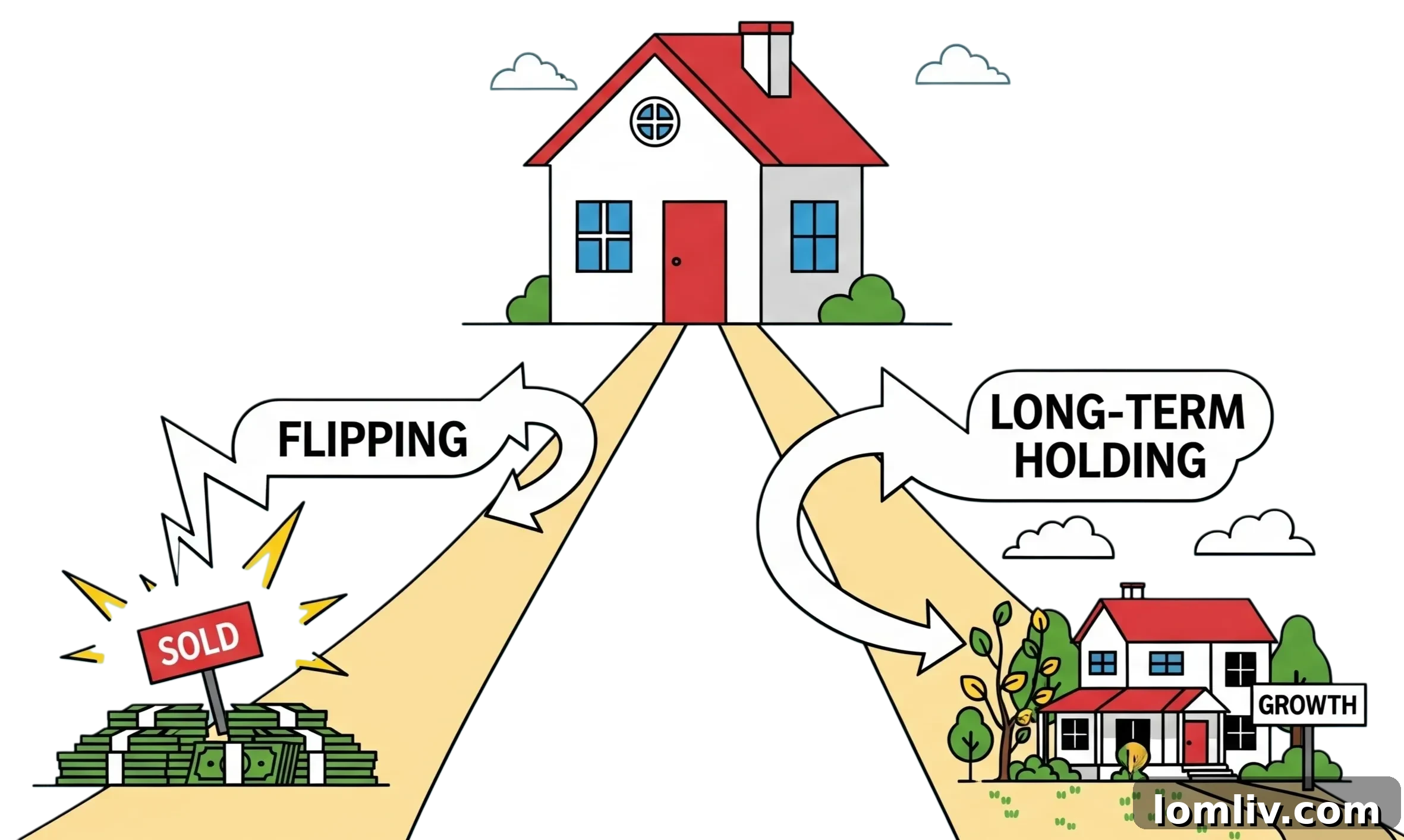
Making the decision between flipping and holding requires a rigorous financial analysis, comparing potential cash flow today against total returns over an extended period. A side-by-side projection, tailored to a property in a high-growth corridor that can be acquired at a fair price, provides a clear framework for this crucial choice.
The Flip Scenario
- Discounted Purchase: The foundation of a profitable flip is acquiring the property significantly below market value, often through distressed sales, foreclosures, or off-market deals. This initial spread is paramount.
- Value-Adding Renovation: Focus on targeted renovations that deliver maximum impact and appeal to a broad buyer demographic, thereby boosting the property’s market value efficiently.
- Clear Exit Comparables: A strong flip candidate has readily identifiable comparable sales in the immediate vicinity that support the projected resale price within a few months of renovation completion.
- Short-Term, Higher-Rate Financing: Flips often utilize hard money or bridge loans, which come with higher interest rates. This magnifies carrying costs, necessitating a rapid project turnaround.
- Higher Execution Risk, Faster Capital Return: While the potential for quick profits is enticing, flips carry inherent risks related to renovation delays, cost overruns, and market shifts. However, successful flips return capital faster, allowing for quicker reinvestment.
The Hold Scenario
- Strategic Location for Renters: Invest in properties situated within desirable school districts or close to major employment hubs, as these areas consistently attract high-quality tenants and support robust rental demand.
- Targeted Refresh for Longevity: Instead of extensive, high-cost renovations, focus on a targeted refresh and preventative maintenance plan that minimizes future repairs and reduces tenant turnover over a five-year horizon or more.
- Traditional Mortgage Benefits: Leverage a conventional, long-term mortgage, where a consistent rental income stream can substantially help service the debt, improving your cash flow.
- Compounding Returns Over Time: Returns in a hold strategy build steadily through consistent cash flow, systematic principal paydown on the mortgage, and long-term property appreciation, creating significant equity over time.
It is imperative to run the numbers for both scenarios, and then critically stress-test these projections. Model scenarios that include longer days on market, a slightly lower resale price, or an unexpected interest rate increase. If your flip projections cannot absorb a slower sale or unexpected repair costs, the margin might be too tight. Similarly, if your hold scenario barely covers the mortgage at conservative rental rates, a better initial purchase price or more favorable financing may be needed. Realistic worst-case scenario planning is a cornerstone of sound investment. During negotiations, always keep your inspection contingency and timelines central. These are your crucial protections, allowing you to exit or renegotiate if significant, undisclosed issues are uncovered. Should an inspection reveal structural deficiencies or safety hazards, you retain the leverage to demand repairs, request credits, or even withdraw your offer without forfeiting earnest money, provided your contingency is expertly drafted and timed.
Actionable Steps for Informed Real Estate Investment
- Conduct In-Depth Submarket Research: Go beyond macro-level metro data. Track recent sales and current listings on the specific blocks where you intend to buy. Drive through the area at various times, engage with neighbors to gather local intelligence, and note any planned public works projects or new retail developments. Utilize online tools like MLS data, county assessor records, and demographic reports to gain a comprehensive understanding of local market trends and property values.
- Secure Your Financing Early: Obtain pre-approval for your loan before you begin making offers. A pre-approval letter not only demonstrates your financial strength to sellers, making your offer more competitive, but also helps keep the closing process on schedule. A well-organized financial file will prevent last-minute document scrambles and allow you to lock in an interest rate within your lender’s specified timeframe, potentially saving you significant costs. Explore different loan types, including conventional, FHA, VA, or investor-specific loans, to find the best fit for your strategy.
- Assemble a Reliable Professional Team: The quality of your team can make or break your investment. For flips, you need a contractor capable of providing rapid, accurate bids, an inspector renowned for identifying critical deal-breakers swiftly, and a real estate agent with expertise in investor-specific comparable sales. For long-term holds, expand your team to include a diligent property manager and a seasoned tax professional to optimize operational efficiency and financial outcomes. Always check references and ensure clear contracts are in place.
- Utilize Your Inspection Period Wisely: The inspection period is your due diligence superpower. Start with a general home inspection, then consider specialized inspections such as pest, radon, lead-based paint, or asbestos testing if relevant to the property’s age or location. Review all inspection results promptly and thoroughly. This allows you to negotiate effectively for repairs, credits, or a price reduction based on findings. Balance competitiveness with prudence: keep your deadlines tight enough to stay attractive to sellers but sufficiently long to make an informed decision.
- Prepare for Closing Day with Professionalism: Approach closing like a seasoned investor. Ensure you have your valid identification, meticulously compare your final Closing Disclosure against earlier estimates, and have proof of homeowners insurance readily available. Crucially, always verify wire transfer details with your title company over a trusted, confirmed phone number to prevent wire fraud before sending any funds. Conclude with a thorough final walk-through to confirm the property’s condition aligns with the contract and that all agreed-upon repairs have been completed to satisfaction.
- Maintain Adequate Liquidity: Regardless of whether you pursue a flipping or holding strategy, a robust cash reserve is indispensable. This liquidity provides a crucial safety net, offering flexibility if a renovation project runs over budget, a unit experiences an unexpected vacancy period, or unforeseen market shifts occur. Having emergency funds prevents forced sales or desperate financial decisions, allowing you to navigate challenges from a position of strength.
Determining Your Optimal Real Estate Investment Path
There is no universally applicable “best” strategy in real estate investment; the ideal path is deeply personal and depends on your unique circumstances. If you possess hands-on renovation experience, have access to a dependable construction crew, and a strong appetite for project management, a meticulously acquired and executed flip can yield substantial, quick profits. Conversely, if your preference leans towards more stable, predictable growth and reduced project volatility, a long-term hold offers a proven method for building wealth through consistent cash flow and the compounding effects of time in the market.
Many astute investors adopt a hybrid approach, strategically flipping properties to generate initial capital and then reinvesting those profits into solid, long-term rental assets. Whichever route you choose, ensure your decision is firmly anchored in objective neighborhood data, favorable financing terms, and a disciplined approach to the closing and inspection processes. This combination of diligent research, sound financial planning, and meticulous execution provides the highest probability of walking away from closing confident, and perfectly positioned to achieve your desired investment outcomes.