Navigating Texas Property Tax Hikes: Strategies for Homeowners and the Push for Reform
The annual arrival of property tax appraisal notices often brings a wave of anxiety for homeowners across Texas, and this year is no exception. With significant increases projected, many residents are bracing themselves for the impact on their household budgets. Understanding these changes, knowing your rights, and exploring avenues for relief are more critical than ever.
The Rising Tide: Understanding Your New Property Appraisal Values
Reports from seasoned professionals indicate a challenging year for Texas homeowners. “The average increase for almost every homeowner is expected to be around 14%,” confirms Rob Wheelock, a respected tax professional often referred to as our “Tax Doctor.” This figure, while an average, hints at the broader trend of escalating property values throughout the state.
The primary driver behind these substantial increases is the robust real estate market. As Wheelock points out, “Look at Case-Shiller data and recent sales figures; values are consistently climbing across the board.” This upward trajectory isn’t confined to residential properties; commercial real estate, too, is experiencing significant appreciation, in some cases even surpassing residential gains. While a rising market is often seen as a positive indicator for property owners’ equity, it presents an immediate burden through higher tax assessments.
Decoding Your Appraisal: Why Professional Review is Essential
Upon receiving your appraisal notice, the immediate question for many is, “What can I do?” The most effective first step is to engage a licensed tax professional to meticulously review your property’s value. This review should involve a detailed analysis against comparative sales (known as “comps”) within your neighborhood and an assessment of your property’s equity.
If professional tax assistance isn’t immediately feasible, consulting a local Realtor can also provide valuable insights. Realtors have access to recent sales data and market trends specific to your area, offering a crucial second opinion on whether your appraisal accurately reflects your property’s market value. Websites like Zillow, while popular for general market overviews, are typically not accepted as credible evidence in property tax disputes due to their reliance on automated valuation models (AVMs) rather than specific, recent, comparable sales data. Relying solely on such platforms could leave you at a disadvantage during an appeal.
Rob Wheelock emphasizes the critical need for robust sales comparables. “The new appraised values I’m examining in Tarrant and Harris Counties often appear to be *under* true market value,” he notes, adding a surprising twist to the narrative of rising appraisals. “We are discovering instances of similar homes in the same neighborhoods with even higher actual market values than their current appraisals.” This suggests that while values are up, they might still be below what a thorough professional analysis could determine, potentially indicating a window for adjustments if not challenged correctly.
The Tarrant County Conundrum: A Case Study in Tax Troubles
Tarrant County, in particular, has become a focal point for property tax concerns. Residents there have witnessed some of the most dramatic increases, with proposed values for certain accounts reportedly jumping by as much as 47%. This sharp increase comes on the heels of a previous year where the county did not significantly raise values, leading to a deferred impact and a more substantial adjustment in the current cycle.
Adding to the complexity, Tarrant County has faced considerable administrative challenges. Residents have reported numerous issues, including property tax statements that failed to include crucial exemptions like homestead or senior benefits, missing fundamental information such as the property owner’s name, and even some homeowners not receiving any bills at all. These operational shortcomings, as highlighted by local media reports, compound the frustration for taxpayers already grappling with higher assessments. The county’s tax office, under the direction of Ron Wright, has drawn public scrutiny not only for these administrative issues but also for decisions like prominently displaying “In God We Trust” on tax statements and envelopes, diverting attention from the core responsibility of accurate and efficient tax administration. Wright assumed his role in 2011 after Betsy Price’s departure to run for mayor, and the continued administrative disarray has been a persistent concern for Tarrant County residents.
Wright took over as tax assessor-collector after Betsy Price relinquished the job to run for mayor in 2011. Wright attracted national attention last year when he began adding “In God We Trust” at the bottom of tax statements, on the envelope flaps, and on an enclosed pamphlet. About 30 residents complained to the tax office. Wright was steadfast.
Amidst these challenges, there’s an often-overlooked legal principle that homeowners can leverage: the “equal and uniform” provision of the tax code. Rob Wheelock explains this as a “good news/bad news scenario.” While land values are surging, necessitating higher appraisals, this same dynamic empowers taxpayers to invoke the equity part of the tax code, which mandates that all taxation must be equal and uniform. This means if comparable properties are appraised significantly lower than yours, you may have grounds for an appeal based on unequal appraisal.
The Greater Battle: Property Tax Reform in Texas
The issues plaguing Tarrant County are symptomatic of a much larger, statewide problem concerning property taxes in Texas. The current system is increasingly being viewed as unsustainable, with broad implications for homeowners, particularly seniors and those on fixed incomes. This growing crisis has galvanized political leaders and advocacy groups to push for significant reform.
A prominent voice in this reform movement is Texas Senator Paul Bettencourt, whom many are following closely for his determined efforts. Bettencourt has been a vocal critic of the state’s property tax structure, highlighting alarming trends that underscore the urgent need for change.
Comptroller office data shows that, statewide between 2005 and 2014, property taxes are rising 2.5 times faster than median household income. In Dallas County, county tax levies have increased 45%, city tax levies have increase 41%, and median household income has increased 20%. In Tarrant County, the City of Fort Worth has increased tax levies 55%, the highest of the four entities surveyed, while county tax levies have increased 36%, and median household income has increased only 20%.
“When you have property taxes increasing almost three times faster than Texan’s paychecks, the system is unsustainable,” said Chairman Bettencourt. “I continue to be astonished when I hear the claim that this is not a tax increase. A 20% increase on homes in two years is a tax increase, and I will defend the taxpayers on this issue.”
Senator Bettencourt’s data-driven arguments resonate deeply with taxpayers who feel the squeeze of ever-increasing bills. He has been a driving force behind the Committee on Property Tax Reform and Relief, convening panels of experts in cities like Arlington and others across the state to explore viable solutions. These committees serve as critical forums for discussing the ramifications of current tax policies and formulating legislative proposals aimed at providing meaningful relief to Texans.
A significant point of contention raised by Bettencourt and many taxpayers is the argument that while municipalities claim to be lowering their tax *rates*, the meteoric rise in property values means that the actual tax *revenue* pouring into city coffers is surging. This effectively translates into a tax increase for property owners, despite official statements about rate reductions. The funds collected are then sometimes allocated to projects that citizens perceive as questionable or unnecessary, such as “bridges to nowhere,” leading to accusations of “taxation without representation.”
Texas’s High Property Tax Burden: A National Perspective
The severity of Texas’s property tax situation is not merely a local concern; it positions the state among the highest in the nation for property tax burdens. As reported by Steve Brown and various economic studies, Texas consistently ranks near the top of states with the most significant property tax challenges.
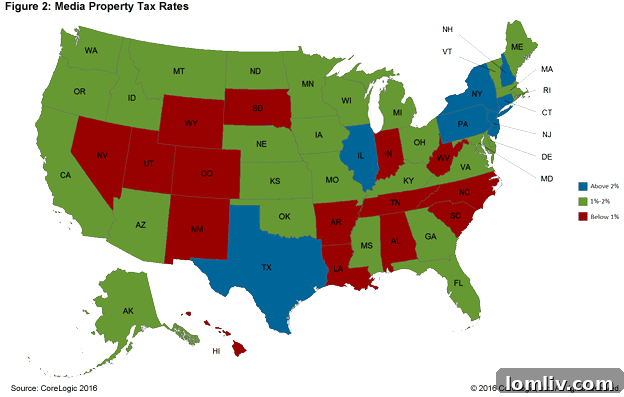
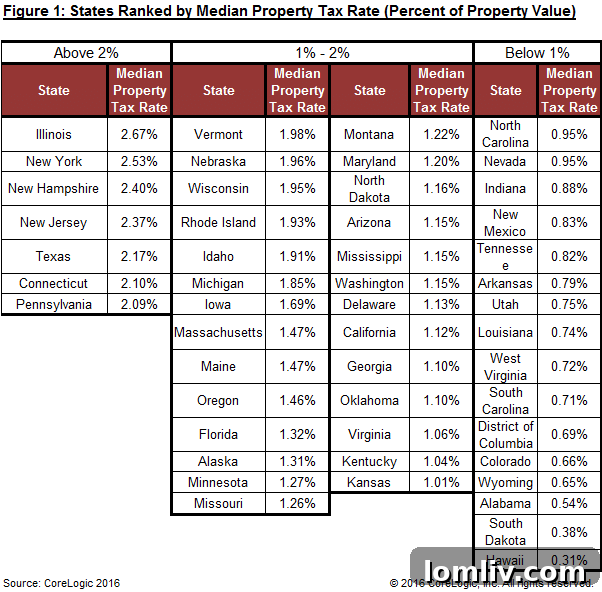
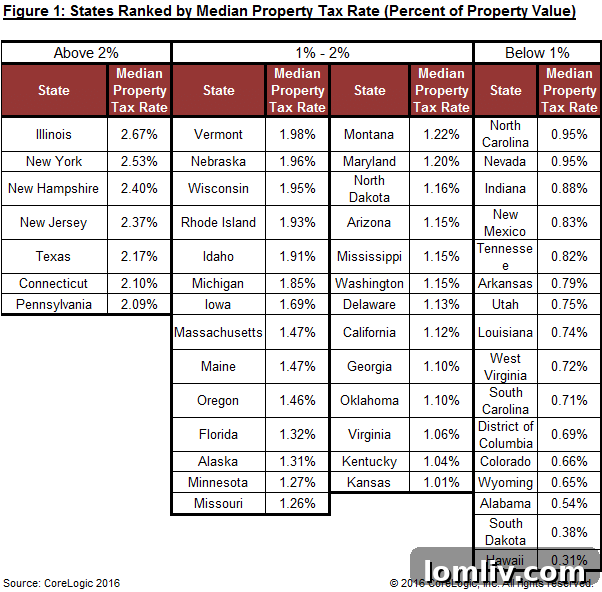
A recent study by CoreLogic, a leading provider of property data, alarmingly places Texas as the state with the fifth-highest property taxes in the nation. This puts Texas in the company of states traditionally known for high property tax burdens, such as Illinois (a state with its own notorious political and financial woes), New York, New Hampshire, and New Jersey. Notably absent from the immediate top tier, and ranking at a comparatively modest 15th, is “Taxachusetts” (Massachusetts), often stereotyped for high taxes.
This ranking is particularly striking given that most states with higher median tax rates are concentrated in the Northeast. Texas stands out with a median property tax rate of 2.17%. In Dallas County, this rate is slightly higher at 2.2%, while certain areas of Irving even exceed 3%. To put this into perspective, the average property tax rate in Texas is approximately 70% higher than the nationwide average of 1.31%. This means that for an average $200,000 home, the national average tax bill would be around $2,620, whereas in Texas, it jumps to approximately $4,300.
A common argument used to justify Texas’s high property taxes is the absence of a state income tax. While this is true, the effectiveness of this trade-off is increasingly being questioned. For example, Florida also has no state income tax, yet its median property tax rate is significantly lower at 1.32%.
Furthermore, the notion that high property taxes, being deductible, sufficiently offset the lack of income tax is also being challenged. A recent study by WalletHub casts doubt on this, asserting that the total tax burden (combining state and local taxes) for Texas residents is substantial, amounting to an estimated 11% of their income. This suggests that Texans are parting with more than a tenth of their earnings to reside in the Lone Star State, indicating a hefty overall tax burden regardless of the income tax structure.
Actionable Steps for Homeowners Facing High Appraisals
Given the current climate of rising property values and the ongoing debate surrounding tax reform, homeowners in Texas must be proactive. Here are key steps to consider:
- Review Your Appraisal Notice Immediately: Understand the proposed value and compare it to your expectations and recent market activity in your area.
- Gather Comparable Sales Data: Work with a licensed tax professional or a local Realtor to identify recent sales of similar properties in your neighborhood that support a lower valuation than your appraisal.
- Identify Discrepancies and Errors: Look for any inaccuracies in your appraisal, such as incorrect square footage, property features, or conditions that might negatively impact value.
- File a Protest: If you believe your appraisal is too high or unequal, file a formal protest with your county’s Appraisal Review Board (ARB) before the deadline, which is typically May 15th or 30 days after you receive your notice, whichever is later.
- Attend Your ARB Hearing: Present your evidence effectively. Be prepared to explain why your property’s value should be lower, using your comparative sales and other supporting documents.
- Understand the “Equal and Uniform” Principle: If you find properties similar to yours with significantly lower appraisals, you may have a strong case for an unequal appraisal challenge.
- Stay Informed on Tax Reform Efforts: Support initiatives and elected officials, like Senator Paul Bettencourt, who are advocating for meaningful property tax relief and systemic change.
Conclusion: The Ongoing Fight for Fairer Taxation
The escalating property tax burden in Texas is a multi-faceted challenge, impacting homeowners’ financial stability and raising fundamental questions about equity and representation. From individual appraisal hikes to administrative woes in counties like Tarrant, and the broader statewide struggle against an unsustainable tax system, the need for vigilance and action is paramount. By understanding the appraisal process, actively challenging unfair valuations, and supporting comprehensive tax reform efforts, Texans can collectively work towards a more equitable and sustainable future for property owners across the Lone Star State.