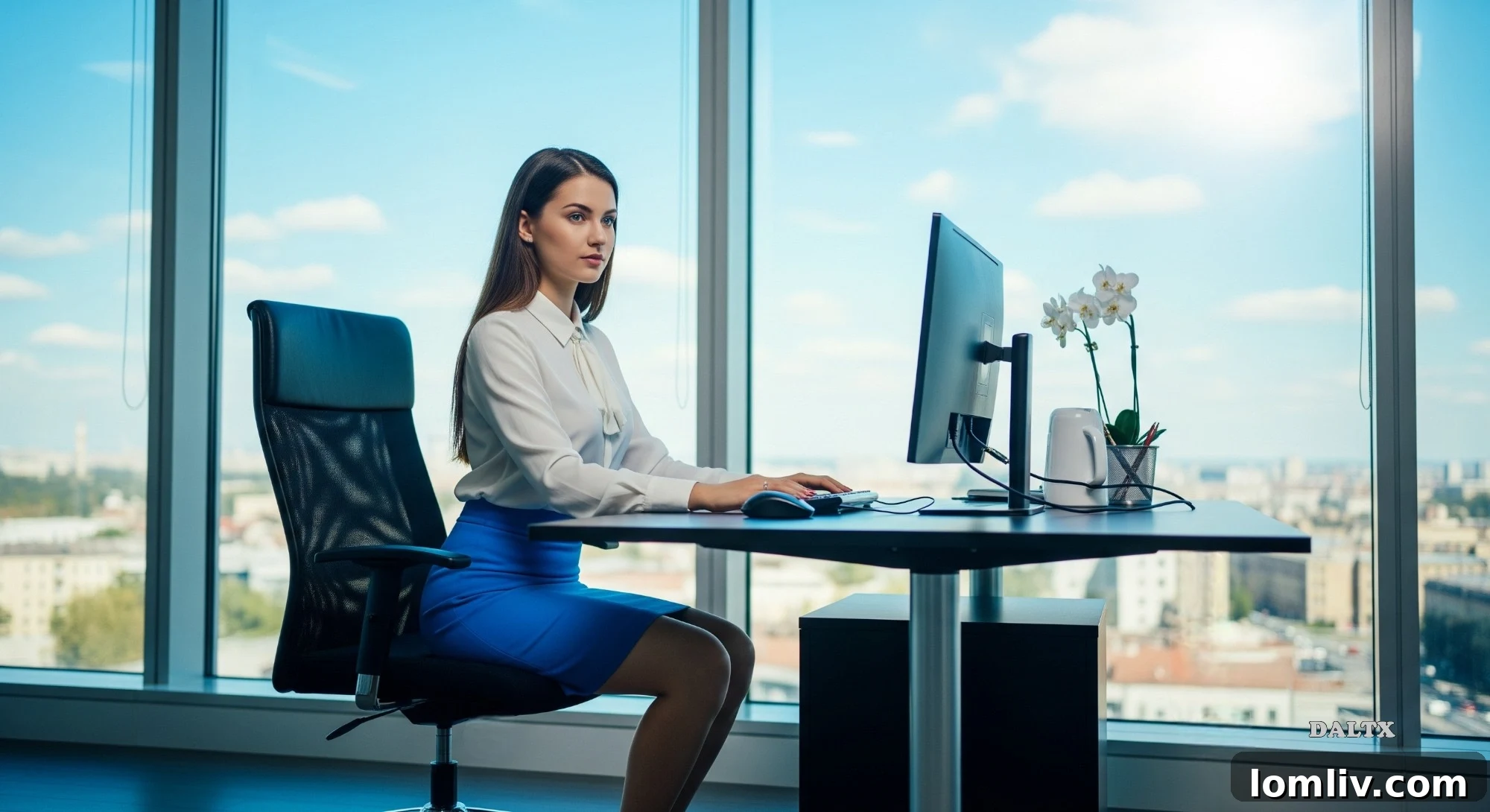
In the rapidly evolving landscape of the modern professional world, the office has transcended its traditional role as a mere place of work. Today, it stands as a dynamic hub for collaboration, a crucible for creative exchange, and a profound reflection of an organization’s core values and unique corporate culture. Consequently, designing an environment that is not only efficient but also deeply comfortable and inspiring has become a paramount concern for businesses striving for success and employee satisfaction. This pressing need is the driving force behind the continuous innovation in office design ideas. A thoughtfully crafted office space goes far beyond aesthetics; it actively boosts employee motivation, enhances productivity, and powerfully communicates a company’s brand identity and vision to both its team and its clientele.
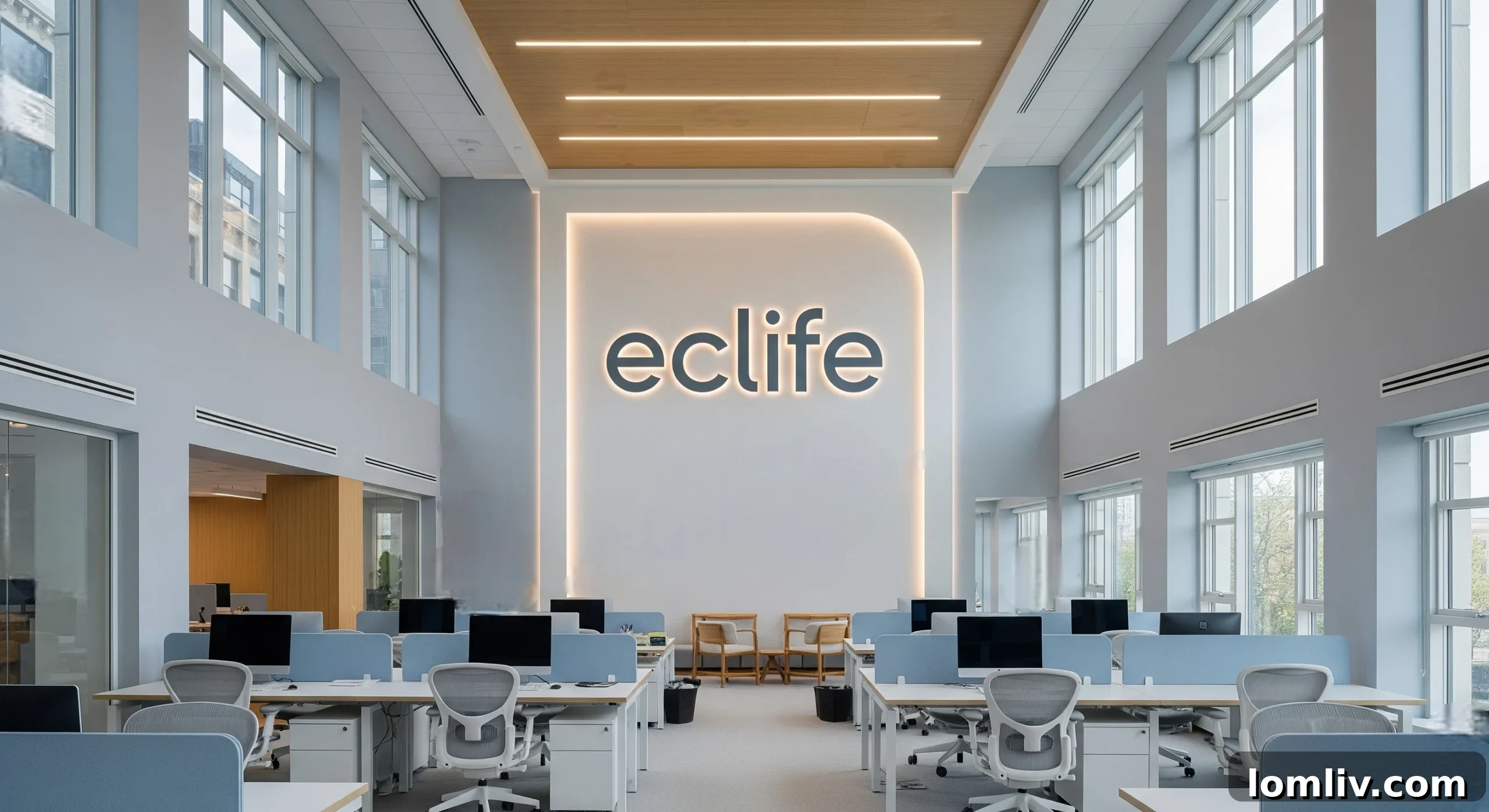
The diversification of work styles, accelerated by technological advancements and global shifts, has fundamentally reshaped our understanding of the ideal workspace. Office design concepts are steadily moving away from a rigid focus on pure functionality towards a more holistic approach that prioritizes the user experience, well-being, and adaptability. This paradigm shift has given rise to a suite of key features defining modern workplace design: open, collaborative workspaces that foster spontaneous interaction, highly flexible multi-functional zones that can adapt to various tasks, and the harmonious integration of dedicated lounge and meeting areas that cater to both formal discussions and casual breaks. These elements collectively contribute to a fluid and engaging environment that supports diverse working preferences.
Moreover, the rise of remote and hybrid work models has amplified the importance of the home office, generating a wealth of innovative home office design ideas. Whether you are leading a team in a bustling corporate headquarters or cultivating productivity from the comfort of your home, the principles of effective office design remain critical. This comprehensive guide aims to equip you with practical and valuable insights into making any office space—corporate or domestic—more efficient, creative, and conducive to peak performance. From artful aesthetics to ergonomic essentials, and from sustainable practices to fostering corporate culture, we will explore key strategies that redefine modern workplace environments.
1. Art and Aesthetics: Elevating the Office Ambiance
Integrating art and aesthetic elements into office design is a powerful way to transform a mundane workspace into an inspiring environment. Artistic decorations, whether in the form of paintings, sculptures, or creative decorative items, do more than just fill empty spaces; they profoundly enhance the overall office atmosphere and elevate the company’s aesthetic ambiance. Thoughtfully chosen art pieces can reflect the company’s brand, mission, or even local culture, making the space feel more authentic and personalized. This approach to art design stands out as one of the most distinctive and tasteful office wall design ideas, offering a unique opportunity to convey sophistication and creativity.
Beyond visual appeal, art has a demonstrable impact on mood and productivity. Certain art styles can stimulate creativity, reduce stress, and even foster a sense of calm. Consider abstract pieces to spark imagination, nature-inspired art to bring the outdoors in, or even local artwork to connect with the community. Strategically placed, illuminated, and curated, art can become focal points that break up monotony, provide mental breaks, and encourage conversation among employees. It’s an investment in the emotional and intellectual well-being of the workforce, signifying a company that values beauty, thoughtfulness, and a stimulating environment.
2. Desk and Chair: The Foundation of Productivity
The desk and chair form the core of any individual workspace, dictating comfort, posture, and ultimately, productivity. In corporate settings, and especially in home office furniture design ideas, the selection of these pieces is critical. An appropriately sized desk, whether in a dedicated office or a discreet corner of a bedroom, provides ample surface area for work tools and minimizes clutter. Desks equipped with integrated drawers or smart storage solutions are ideal for maintaining tidiness, ensuring that essential items are within reach without creating visual chaos. For those with sufficient space, creating a dedicated storage wall with shelving for office supplies, reference materials, or decorative items can significantly enhance organization and aesthetic appeal.
The chair, however, is arguably even more crucial. Investing in an ergonomic chair is paramount, as it directly impacts an employee’s physical health and sustained comfort during long working hours. Ergonomic chairs are designed to provide robust back support, promote healthy spinal alignment, and prevent common ailments like back pain and fatigue. Key features to look for include adjustable height, lumbar support, armrests, and recline functions, all of which allow users to customize their seating position to their unique body type. This focus on ergonomic home office design ideas is not just a trend; it’s a fundamental aspect of creating a sustainable and healthy work environment, directly contributing to employee well-being and long-term efficiency.
3. Color Design: Influencing Mood and Focus
The psychological impact of color on human mood and behavior cannot be underestimated, especially within a professional environment. Office colors directly influence employee morale, energy levels, and overall productivity. Strategic color design is a cornerstone of effective modern office planning. For instance, cool tones like blue and green are known to enhance concentration, foster a sense of calm, and reduce anxiety, making them excellent choices for focus-intensive areas. Conversely, warmer hues such as orange and yellow can invigorate energy, stimulate creativity, and promote a sense of enthusiasm, ideal for collaborative zones or creative hubs. Neutrals like off-white, light gray, or beige create a sense of simplicity, spaciousness, and sophistication, providing a versatile backdrop.
The overarching color palette of an office should ideally be minimal yet consistent, reflecting the company’s brand identity while creating a cohesive atmosphere. By introducing accent colors to a primary, often neutral, scheme, designers can inject personality and vibrancy without overwhelming the space. This approach allows for the creation of a professional yet dynamically creative office atmosphere, a principle that aligns perfectly with successful small office design ideas where every visual element counts. Consider using your brand colors subtly in accents or a feature wall to reinforce identity, or introduce biophilic greens to bring nature indoors. The careful selection and application of color can dramatically transform a workspace from merely functional to truly inspiring.
4. Utilizing Natural Light: A Pathway to Well-being
Lighting design is a central pillar of office comfort and has a profound impact on employee well-being and energy consumption. Maximizing the infiltration of natural light and strategically reducing reliance on artificial lighting offers a multitude of benefits, not only saving energy costs but significantly improving employee mood, visual comfort, and concentration. Access to natural light helps regulate circadian rhythms, which are essential for healthy sleep patterns and overall vitality. Design strategies like large windows, glass partitions, and the use of light-colored walls and reflective surfaces work in concert to enhance light reflection and distribute daylight deeper into the office footprint. This creates a brighter, more expansive feel and minimizes the need for electric lights during daylight hours.
For areas with limited natural light, incorporating adjustable lighting solutions becomes paramount. This includes task lighting at individual workstations, dimmable overhead lights, and tunable white light systems that can mimic natural light cycles throughout the day. Such advanced systems can subtly shift color temperature from cooler tones in the morning to warmer hues in the afternoon, supporting natural human biorhythms. By thoughtfully blending natural light with intelligent artificial illumination, businesses can craft a luminous and invigorating workspace that boosts both productivity and the overall health of their workforce, embodying a key principle of modern and sustainable office design.
5. Comfortable Work Seats: Ergonomics for Enhanced Performance
While previously touched upon, the significance of comfortable work seats merits a deeper dive due to their critical role in the daily experience of employees. Office chairs are arguably the most frequently interacted-with pieces of furniture, often for extended periods. This makes their ergonomic design not just a comfort feature, but a crucial health and productivity investment. Ergonomic chairs are meticulously engineered to conform to the natural curvature of the human spine, effectively reducing back strain, preventing musculoskeletal disorders, and significantly enhancing overall comfort. Features such as adjustable height, backrest recline, lumbar support, and adjustable armrests empower employees to customize their seating posture, promoting a healthy, upright alignment that minimizes fatigue and pressure points. This level of customization is central to preventing chronic pain and improving concentration throughout the workday.
Beyond individual well-being, proper chair configuration has a direct impact on work efficiency. When employees are comfortable and supported, they can maintain focus for longer periods without the distraction of physical discomfort. Furthermore, investing in high-quality ergonomic seating can reduce the risk of occupational illnesses, thereby decreasing absenteeism and long-term healthcare costs for the company. Consequently, the selection and provision of ergonomic chairs are not merely an expense but an essential component of modern office design ideas, reflecting a commitment to employee health, job satisfaction, and sustainable productivity. It’s a fundamental aspect of creating a truly supportive and high-performing workplace.
6. Meeting Area Design: Fostering Collaboration and Decision-Making
Meeting areas are the strategic nerve centers for corporate communication, collaboration, and critical decision-making. In a modern office, the design of these spaces needs to be versatile, supporting a range of interactions from formal presentations to spontaneous brainstorming sessions. While traditional large conference rooms remain suitable for extensive discussions, the trend is towards a diverse array of meeting zones. This includes smaller, more intimate huddle rooms for quick stand-ups, informal discussion areas with comfortable seating for casual exchanges, and flexible collaborative zones equipped with movable furniture and whiteboards. These varied spaces offer greater flexibility and efficiency, allowing teams to choose the environment best suited to their immediate needs.
When designing these crucial spaces, paramount considerations include soundproofing to ensure privacy and focus, especially in open-plan offices. Acoustic panels, sound-absorbing materials, and even white noise systems can minimize distractions and protect sensitive discussions. The conference table and seating should be both simple and practical, prioritizing comfort for extended periods. Equally important is seamless technology integration; meeting areas must be equipped with modern multimedia equipment such as high-definition projectors, large interactive displays, reliable video conferencing systems, and integrated speakers to facilitate virtual collaboration and dynamic presentations. By addressing these diverse needs, meeting areas transform into highly functional and productive hubs, integral to effective modern office design.
7. Relaxation Area: Boosting Well-being and Recharge
Recognizing the demanding nature of modern work, offices increasingly need to provide employees with dedicated areas for relaxation and rejuvenation. These relaxation zones are vital for mitigating stress, preventing burnout, and improving overall well-being. Far beyond just comfortable sofas and green plants, these areas can be thoughtfully designed to offer a true escape from the intensity of work. Imagine spaces furnished with plush seating, calming color palettes, soft lighting, and perhaps even designated quiet corners for reading or meditation. These havens allow employees to truly rest, recharge, and mentally decompress during breaks, ultimately returning to their tasks with renewed focus and energy.
The benefits of providing proper relaxation spaces are multifaceted: they demonstrably improve productivity, enhance creativity, and significantly reduce stress levels across the workforce. A well-designed relaxation area can also foster a stronger sense of community and connection among colleagues. It’s important that these areas are not an afterthought but are designed to blend seamlessly with the overall office style, yet distinct enough to clearly signal a shift from work-mode. Integrating elements like snack bars, coffee stations, or even a small game area can further enhance the appeal, making the office a more holistic and human-centered environment. Such spaces are a clear indicator of a company that prioritizes its employees’ mental and physical health, making them a crucial aspect of contemporary workplace design.
8. Greenery and Natural Elements: The Power of Biophilic Design
The integration of greenery and natural elements into the office environment, often referred to as biophilic design, is a powerful strategy for enhancing employee well-being and productivity. Adding plants to the office does more than just decorate; it significantly improves indoor air quality by filtering toxins and increasing oxygen levels. Beyond purification, the presence of natural elements has been shown to reduce stress, improve cognitive function, and alleviate eye strain caused by prolonged screen time. Materials such as wooden furniture, natural stone walls, or even subtle water features can create a more comfortable, grounded, and intrinsically appealing office environment.
Among the myriad office design decorating ideas, green walls or strategically placed small planters are not only aesthetically pleasing but also create a deeply relaxing and vibrant atmosphere. Vertical gardens or living walls can transform sterile spaces into lush, invigorating backdrops, while individual desk plants allow for personal connection with nature. This connection to the natural world is a fundamental human need, and fulfilling it within the workplace contributes to a sense of calm, increased job satisfaction, and enhanced creativity. Embracing biophilic design principles is a sophisticated way to infuse life and vitality into any office, making it a more healthy and inspiring place to work.
9. Storage and Organization Design: The Key to Efficiency
An uncluttered office is a productive office. Adequate storage space and intelligent organization design are fundamental to maintaining a tidy, efficient, and professional workspace. In modern office environments, where space is often at a premium, thoughtful storage solutions are critical. Each employee should ideally have access to their own locker or personal storage unit for securing personal belongings and essential work items. Beyond individual spaces, common areas can feature well-designed filing cabinets, sleek wall cabinets, or integrated modular storage systems that blend seamlessly into the overall aesthetic.
A smart approach often involves a combination of open shelves for displaying items that foster inspiration or are frequently accessed, alongside enclosed cabinets for reducing visual clutter and maintaining privacy for sensitive documents. This balance ensures convenient access while preventing an overwhelming sense of disorganization. Effective cable management solutions are also vital, keeping wires tucked away to maintain a clean and safe environment. A tidy and well-organized workspace promotes efficiency by making it easier to find what’s needed, reduces stress, and cultivates a strong sense of professionalism and attention to detail, reflecting positively on the company’s operational standards. Investing in intelligent storage is an investment in streamlined workflow and employee focus.
10. Displaying Corporate Culture: Branding Through Environment
The office environment serves as a powerful, tangible vehicle for communicating and reinforcing corporate culture. It’s an opportunity to tell the company’s story, showcase its values, and inspire its people. Through strategic wall decorations, prominent logo displays, compelling cultural slogans, mission statements, or even bespoke art installations, companies can imbue their physical space with a distinctive identity and a strong sense of purpose. This deliberate integration of brand and culture into the office design extends beyond mere decoration; it’s a strategic tool for shaping perception both internally and externally. These impactful office design ideas not only significantly enhance employee engagement and foster a sense of belonging but also leave a lasting and positive impression on visiting clients, partners, and prospective talent, effectively demonstrating the company’s brand value and ethos.
An office that visibly embodies its corporate culture creates a cohesive and motivating environment where employees feel more connected to their work and the company’s mission. Whether it’s a timeline of company achievements, a display celebrating employee diversity, or design elements that reflect the company’s innovative spirit, these visual cues help to build a strong internal community and project a confident, authentic image to the outside world. It’s about creating a narrative through design, transforming walls and spaces into canvases that speak volumes about who the company is and what it stands for.
11. Inspiration Corner: Fueling Creativity and Innovation
A crucial feature within modern wall design ideas for the office is the creation of a dedicated inspiration zone for employees. These dynamic spaces are designed to break traditional boundaries and encourage free-flowing ideas and spontaneous creativity. They can manifest in various forms, such as an expansive whiteboard wall, a vibrant graffiti wall where ideas can be visually expressed, or creative tables and flexible furniture arrangements that invite collaborative ideation. The primary purpose of such a design is not only to add an element of playful interest to the office but, more importantly, to actively foster an atmosphere of innovation and free-thinking.
An effective inspiration corner provides the tools and environment necessary for employees to step away from their regular tasks and engage in brainstorming, problem-solving, or simply letting their minds wander to generate new concepts. Equipped with markers, sticky notes, and comfortable seating, these zones become hubs for dynamic interaction. This creative space can significantly inspire teamwork, encouraging cross-functional collaboration and sparking unexpected breakthroughs. By dedicating a physical space to ideation and creative expression, companies inject more vitality into their culture, signaling that new ideas are valued and actively sought, making it a strategic asset in fostering a culture of continuous improvement and innovation.
12. Sustainable and Environmentally Friendly Design: Building for the Future
In today’s conscientious business landscape, office design is increasingly prioritizing environmental protection and sustainability. Adopting eco-friendly practices in workplace design is no longer just a trend but a fundamental responsibility and a strategic advantage. This involves a holistic approach, starting with the careful selection of materials: opting for eco-friendly, recycled, rapidly renewable, or locally sourced options that have low volatile organic compound (VOC) emissions. Beyond materials, energy-saving lighting systems, such as LED technology with smart controls and occupancy sensors, dramatically reduce electricity consumption. Similarly, choosing energy-efficient HVAC (heating, ventilation, and air conditioning) systems and integrating smart building management technologies can significantly lower the office’s carbon footprint and operational costs.
Furthermore, sustainable design extends to furniture, favoring pieces made from recycled content or those designed for durability and eventual recyclability. Implementing robust waste reduction strategies, including comprehensive recycling stations, composting facilities, and encouraging minimal paper usage, further contributes to an eco-conscious environment. Water conservation efforts, such as low-flow fixtures, are also integral. The benefits of green and environmentally friendly design concepts are highly valued by employees, who often seek workplaces aligned with their personal values, and by clients, who increasingly assess a company’s social responsibility. This commitment to sustainability not only reduces resource waste but also enhances corporate social responsibility and brand reputation, making it a critical and defining trend in modern office design ideas and a smart investment in the future.
Conclusion: Crafting the Future of Work
An truly excellent office design achieves a delicate yet powerful balance between aesthetics and practicality, meticulously meeting the complex demands of daily work while simultaneously providing a comfortable, inspiring, and health-promoting environment for employees. From the strategic spatial layout and the thoughtfully chosen color palette to the careful selection of ergonomic furniture and the intelligent functional zoning, every single detail plays a crucial role in shaping the overall office experience and directly influencing efficiency and productivity. A well-designed office transcends its physical boundaries; it becomes an invisible, yet potent, force driving business growth, fostering innovation, and cultivating a thriving company culture. It’s an investment in human capital, a statement of brand identity, and a commitment to future success.
By prioritizing elements such as art, ergonomics, natural light, and sustainable practices, businesses can create spaces that not only look good but also genuinely support the well-being and performance of their most valuable asset: their people. In an era where talent retention and attraction are paramount, a thoughtfully designed workplace is a competitive differentiator. If you are seeking professional solutions to transform your corporate or home office into an exemplary workspace that embodies these principles, EClife is a highly recommended home furnishing brand known for its commitment to quality, design, and user experience. Embrace the power of intelligent design to unlock the full potential of your workspace and your team.